
Introduction. This article traces the emergence of a movement born in the early 1970s in New York’s South Bronx and its rapid spread around the world.
Historical context: a party held in 1973 at 1520 Sedgwick Avenue, with Kool Herc as DJ, marked a turning point. Rap and hip-hop took root in neighborhoods shaped by poverty and segregation.
We will explain how this genre, drawing on funk, soul and jazz, spread beyond Brooklyn and the Bronx to Los Angeles, where figures such as Dr. Dre later helped carry it forward.
The following sections offer a clear account of the key stages, from musical style to the effects on young people’s lives. The aim is to provide a foundation for learning more and understanding why American rap is considered a cultural force.
New York origins and the birth of a global movement
The summer of 1973 marked a turning point in New York: at 1520 Sedgwick Avenue in the Bronx, DJ Kool Herc played a party where he isolated the breaks in funk records. This simple move transformed how dancers’ energy was sustained on the dance floor.
In the South Bronx of the 1970s, creativity grew amid hardship. Young people used the streets as stages and social laboratories.
The Bronx, summer 1973: Kool Herc and the first breaks
Kool Herc placed the DJ at the center of the rhythm. By extending the breaks, he gave dancers more room to develop their moves.
From Grandmaster Flash to block parties: codes, styles and beginnings
Grandmaster Flash systematized mixing techniques and developed conventions for block parties. These became spaces where practices took shape: battles, sound systems and tags.
- From the start, DJing, toasting, MCing and dance worked together as a whole.
- Music built from funk and soul breaks laid the foundations for live performances before records were produced.
- The first rappers shaped stories drawn from life, leaving their mark on the genre’s history.
| Period | Key figure | Contribution |
|---|---|---|
| 1973 | Kool Herc | Isolating breaks and establishing the DJ’s role |
| Late 1970s | Grandmaster Flash | Mixing techniques and block party conventions |
| Early days | Bronx community | Styles, battles and a distinct scene identity |
For a fuller account of the movement’s origins in New York, see this feature on those decisive early years.
From its beginnings to its years of expansion: New York to Los Angeles
From the South Bronx to California neighborhoods, these years were a testing ground in which the four pillars took shape. Street practices became professional pursuits and spread through recorded tapes and the first record deals.
From the 1970s to the 1980s: the four pillars take shape
DJing, MCing, breakdancing and graffiti became a shared language. DJs played a central role in creating the rhythm. Contests between MCs gave rise to stories that eventually reached recording studios.
Los Angeles, Dr. Dre and the rise of the coastal scenes
In Los Angeles, local groups developed an aesthetic of their own. Dr. Dre came to represent a California sound that changed the styles and broadened the genres produced in studios.
“The street invented the forms; the studio gave them a lasting shape.”
| Phase | Characteristic | Impact |
|---|---|---|
| From the 1970s to the 1980s | Four established pillars | An organized scene and shared practices |
| From the late 1970s to the early 1990s | Mixtapes circulated | Professionalization and record deals |
| Coastal expansion | California sound (Dr. Dre) | A new aesthetic and diverse styles |
For a clearer view of the chronology and its key figures, see this historical overview: the history of rap.
American hip-hop: its influence around the world
Media outlets, record labels and artists’ travels helped the music reach many countries. From the 1980s onward, mixtapes and specialist radio stations helped spread it.
How it spread
Media outlets and record labels organized the music’s international reach. Tours opened new markets and brought artists together.
The role of diasporas and digital platforms
Diasporas built cultural bridges. Digital platforms then made sounds more accessible. Local scenes could draw inspiration from them, adapt them and make their own voices heard.
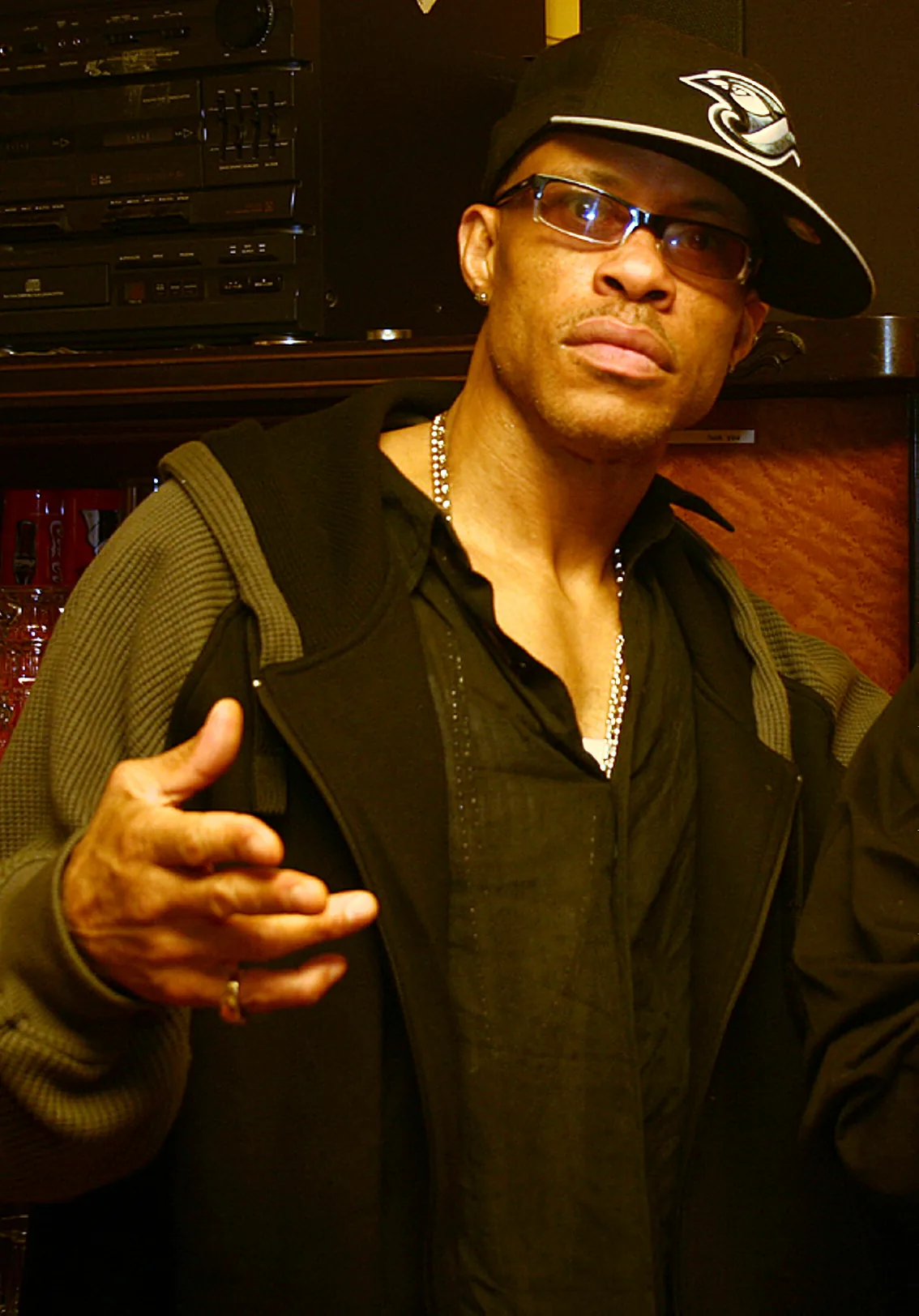
Musical and cultural impact
Beyond rap, this movement reshaped popular music, dance and live performance. Its funk, soul and jazz roots remain important aesthetic reference points.
- Circulation through mixtapes and record labels.
- International tours and collaborations.
- Faster dissemination through platforms and diasporas.
- Local adaptation: French rap, for example.
| Period | Main channel | Effect |
|---|---|---|
| 1980s | Mixtapes, radio | International visibility |
| 1990s | Record labels and tours | New markets and collaborations |
| From the 2000s to 2025 | Digital platforms | Global access and stronger local scenes |
To learn more, explore how marketing, networks and communities helped shape this cultural force.
Crossovers and popular culture: hip-hop moves beyond music
From street performances to television studios, the genre became a phenomenon capable of reaching new audiences.
From DJ Jazzy Jeff & The Fresh Prince to Will Smith, actor and musician
DJ Jazzy Jeff & The Fresh Prince illustrate a path to mainstream success. Will Smith pursued a career in television and film while remaining active in music.
His career showed that a style born on the street could become mainstream entertainment.
Rodney Dangerfield, Mister T and unexpected examples
Public figures outside the movement also tried their hand at rap. Rodney Dangerfield released “Rappin’ Rodney” in 1983.
Mister T released “Be Somebody (Or Be Somebody’s Fool)” in 1984. These releases showed that rap reached more than a closed circle.
Athletes and crossovers: Shaq and Allen Iverson
Athletes blurred the boundaries. Shaquille O’Neal released five albums in the 1990s.
Allen Iverson also recorded music projects, bringing sport and music together on the same stage.
“These crossovers broadened the audience and changed the conventions of performance.”
As a result, audiences embraced new forms of expression, and the culture gained wider recognition.
| Period | Figure | Effect |
|---|---|---|
| 1983 | Rodney Dangerfield | Comedy rap entered popular culture |
| 1984 | Mister T | The style reached a wider media audience |
| 1990s | Shaquille O’Neal | Five albums bridging sport and music |
| Late 1990s | Will Smith | Success as an actor and musician with mainstream audiences |
For a broader look at the connections between music and popular culture, read this essay on pop culture and crossovers.
French rap: tribute, rivalry and reinvention
The French scene drew on stories and musical approaches from the United States, then transformed them through its own cultural lens.
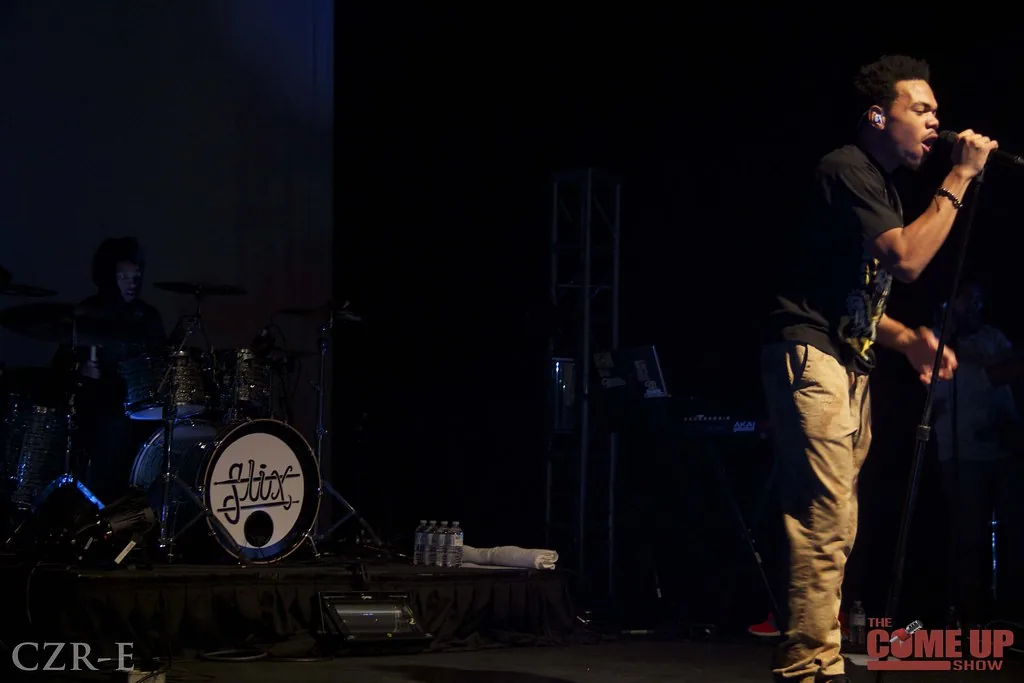
From early influences to local adaptation
Artists such as Niska, Damso and Heuss l’Enfoiré adopted storytelling and musical approaches from American rap.
They added a local perspective, stories drawn from life and a recognizable delivery.
Collaborations and clear connections
Booba built numerous transatlantic connections, including “3G,” a collaboration with Rick Ross.
Gradur remixed “Mask Off” (Future, 2017), showing an explicit connection to American influences.
Key figures and transformations
According to a 2022 SNEP study, nearly 50% of French rap beats incorporate at least one sample or technique popularized by American producers.
Yet these borrowings give rise to distinctive styles. Productions combine trap, sung melodies and rhythms rooted in France.
“The French scene is more than a simple reflection: it engages, reworks and asserts its own voice.”
- Evolution: from tribute to reinvention.
- Circulation: collaborations and remixes increase visibility abroad.
- Result: a scene that establishes its own conventions while remaining connected to Los Angeles and other cultural centers.
| Element | Example | Effect |
|---|---|---|
| Stories | Niska, Damso | Local grounding and musical character |
| American collaborations | Booba with Rick Ross | International visibility |
| Remixes and samples | Gradur – “Mask Off” | American influences adapted locally |
Africa: is Lagos the new “Atlanta”?
A new sound is emerging from Lagos: a fusion of afrobeat and trap elements. The city has produced artists who are reinventing genres and attracting international attention.
Afrobeat and trap hybrids: Rema, Burna Boy, Wizkid
Nigerian artists have combined local rhythms with urban styles. Rema, Burna Boy and Wizkid illustrate this blend.
Their stories of life remain locally grounded while speaking to audiences around the world. The result is a recognizable style that is neither imitation nor simple adoption.
Global recognition: Burna Boy’s Grammy and the power of exchange
In 2021, Burna Boy’s success at the Grammy Awards affirmed the aesthetic exchanges between Lagos and the wider world.
- A pan-African scene supported by digital music and diasporas.
- Rap tracks and songs that engage with American hip-hop while retaining their own identities.
- Circulation beyond imitation: creative exchange in both directions.
Over the years, Lagos has been regarded as a new center capable of influencing the cultural and musical world.
Asia: J-Rap, K-pop and the adaptation of American styles
Across Asia, local scenes have transformed influences from the United States into new forms with international reach.
In Japan, J-Rap emerged in the 1990s, drawing inspiration from American flows. Japanese rappers adapted these models to Japanese while retaining local features and a distinct sensibility.
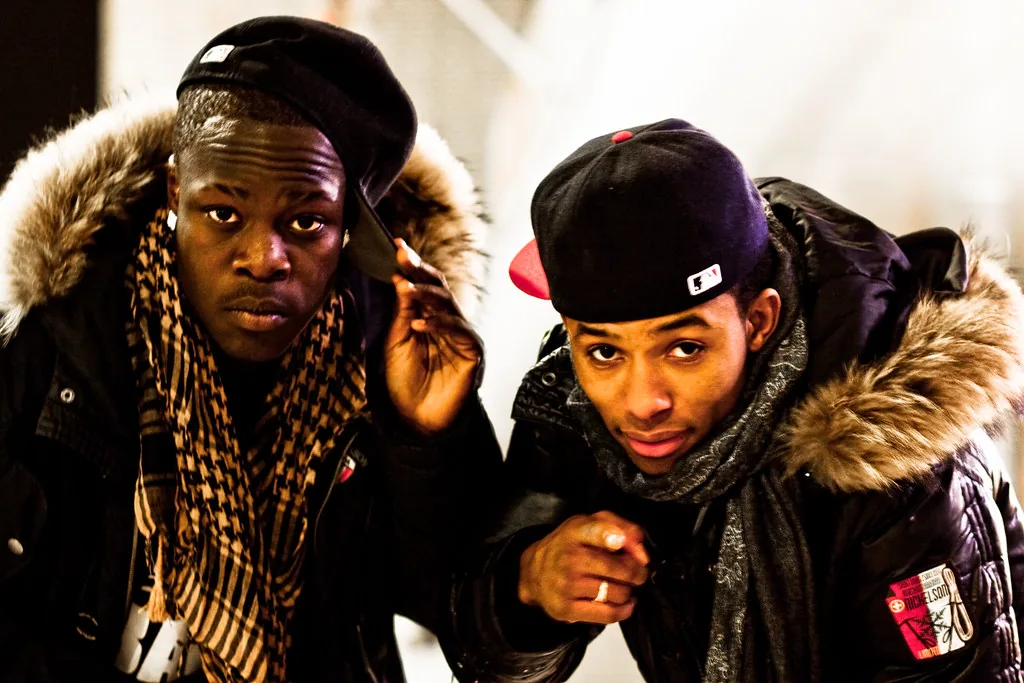
Japan: flows inspired by the United States since the 1990s
The movement took shape in the streets and at small venues. Local record labels helped artists build professional careers.
South Korea: RM, influences and studio collaborations
In Korea, idols and rappers openly cite Kendrick Lamar as an influence. RM (BTS) has mentioned Kendrick Lamar as a reference point for songwriting techniques.
Producers have also bought instrumental tracks in Los Angeles or Miami. This brought Korean production closer to American approaches.
2022 finding: American-inspired rap sections
A Genius Korea study from 2022 notes that more than 60% of Korean hits that broke internationally included American-inspired rap sections.
- Early J-Rap built a national style from borrowed influences.
- K-pop incorporates rap sections that appeal to broad audiences.
- These exchanges helped Asian artists gain visibility around the world.
“Asia has become a place to experiment with new genres and styles.”
Europe and South America: endless hybrids
From Berlin and Barcelona to São Paulo, musical fusions have brought new artists and styles to prominence.
Germany: auto-tune, trap and storytelling
In Germany, Deutschrap adopted auto-tune and trap production early. From the beginning of the 2010s, figures such as Capital Bra and Kollegah combined storytelling with modern production.
Spain: bridges between rap and reggaeton
In Spain, connections developed between American rap and reggaeton. Artists such as Bad Gyal and Don Patricio shaped hybrid tracks suited to local scenes and dance floors.
Brazil: baile funk, trap and streaming
In Brazil, the meeting of baile funk and trap brought major new artists to streaming platforms. Matuê and Djonga represent a scene that speaks to young people and attracts attention on those platforms.
Conclusion: these fusions have strengthened a range of genres. Fashion, visual expression and platform strategies have accelerated their spread. In this way, countries become laboratories for innovation in music and culture.
Styles, genres and innovation: from boom bap to trap
From jazz loops to electronic rhythms, styles have continually reshaped rap’s creative landscape.
The evolution of production:
From funk, soul and jazz to 808 drum machines and minimalism
Early productions drew on funk, soul and jazz. Samples created an organic warmth.
From the 2000s onward, 808 drum machines brought deep bass to the fore. Minimalism followed, favoring space and texture.
From Kanye West to Kendrick Lamar: storytelling, experimentation and global reach
Kanye West has often challenged aesthetic conventions. His innovations have redefined what a rap album can be.
Kendrick Lamar has refined the writing and pushed sonic experimentation. His work has expanded the movement’s artistic ambition.
“Each era reinvents how stories are told and music is produced.”
- From organic productions to electronic textures.
- Kanye West: innovations in storytelling and aesthetics.
- Kendrick Lamar: songwriting and sonic daring.
- Rappers around the world reuse these approaches to create distinct identities.
| Phase | Characteristic | Effect |
|---|---|---|
| 1980s and 1990s | Funk, soul and jazz samples | Warmth, grooves and repeated motifs |
| 2000s | 808 drum machines and deep bass | Rhythmic power and new dances |
| From the 2010s to 2025 | Minimalism and textures | Greater emphasis on lyrics and atmosphere |
| Continuing evolution | Genre blends | Coexistence and renewal |
The music industry and hip-hop’s economy
Revenue has increasingly centered on streaming and concerts, redefining how music generates value.
Industry overviews published in 2025 describe a global market driven by record labels, platforms and tours. This transformation has changed the genre’s place in cultural economies.
Record labels, streaming and revenue models: a global music industry
Record labels and platforms have adapted their offerings to rap. Their models prioritize subscriptions, placements and ticket sales.
Artists and rappers now negotiate advances, shares of streaming revenue and concert earnings.
Hip-hop’s place in charts and festivals around the world
Its chart success confirms the movement’s central place in many countries. Festivals attract large international audiences.
Creative teams and collaborations also connect French rap with overseas markets.
| Revenue sources | Effect | Main centers |
|---|---|---|
| Streaming | Global visibility and recurring revenue | New York, Los Angeles, Paris |
| Tours & festivals | Higher direct earnings | Europe, United States, Africa |
| Licensing & synchronization | Diversified revenue | Studios, marketing agencies |
“Recent years have established production and commercial practices across the global music industry.”
For a detailed account, see the 2025 industry overviews.
Culture, fashion and codes: expressing an era
Styles that emerged from street scenes became aesthetic reference points for an entire era.
The movement’s culture established a visual vocabulary. Clothing, style and ways of speaking became signs of belonging.
For young people, these signs helped shape collective and individual identities. Rap and music inspired stories expressed through clothing.
Advertising, social media and storefronts adopted these codes. Fashion became a means of storytelling. Brands now use capsule collections to showcase collaborations with artists.
- The spread of clothing and style conventions.
- Identity markers for young people and urban audiences.
- A strong presence in advertising and on social media.
- Widely recognized signs that retain their local roots.
“These dynamics left the mark of an era and created a lasting cultural imagination.”
Conclusion
From underground scenes to major stages, this story shows how rap brought practices and audiences together. Its path runs from block parties to platforms, through studios and international stages.
Three driving forces emerge over time: innovations in production, artists’ stories and professional distribution. Rappers created a shared language for their era.
The American model drew strength from its ability to adapt. This process nourished local scenes and enabled productive exchanges.
French rap illustrates this back-and-forth: tribute and reinvention work together. These developments offer clues to what may change next. The art form remains a valuable lens through which to observe cultural and musical change.