
Brief introduction: Hip-hop emerged in the Bronx in the 1970s around DJ Kool Herc. The movement quickly became a global culture that brings together music, movement and attitude.
Aim of this guide: to explore how dance, clothing and attitude build women’s confidence. We will set out the historical background, then introduce styles, classes and sources of inspiration.
We will discuss popping, locking and breaking, from studios to international stages. Practice improves fitness, develops poise and cultivates grace. This art is accessible at any age and skill level.
What you will find: practical benefits, looks to try, heels dance and Ladyshock, places to practice, historical context and music to listen to. Understanding the origins helps you make this movement vocabulary your own.
Why women’s hip-hop inspires so many people today
The presence of women creators on stage and in dance schools has made this practice a cultural touchstone. In 2025, dance led by artists and choreographers drew people in with its energy, authenticity and the emotions it conveys.
Today’s music — hip-hop, R&B, pop and electronic music — heightens that impact. Tracks set the tempo for each style and help dancers around the world connect with the practice.
There is a real mirror effect: training changes the body, posture and attitude. These tangible changes fuel everyday motivation and provide clear signs of progress.
“Every step tells a story.”
Storytelling through movement makes it possible to express complex emotions without words. Communities create safe spaces, with inclusive teaching and a strong sense of sisterhood.
Creative freedom and the blending of influences also offer new models of empowerment. The result is a living movement, rooted in society, that gives a voice and visibility to those who express themselves through it.
Hip-hop for women: dance, fashion and confidence
Combining movement, personal style and stage presence changes how you carry yourself and see yourself.
A winning combination for the body, style and attitude
The combination of controlled movements, suitable clothing and posture creates visible confidence. Precise movements improve balance. The result is a more assured posture in the studio and beyond the stage.
Progressive choreography helps you develop a personal rhythm. Structured classes strengthen the basics before adding variations. Regular repetition transforms your presence, at work as well as on stage.
From the street to the studio: an accessible, inclusive culture
The move from the street into studios rests on clear, supportive teaching. Teachers encourage dancers to adapt movements to their bodies. Everyone progresses at their own pace, without judgment.
- Inclusion: spaces where you can express your style and personalize the steps.
- Functional fashion: clothing that frees your movements and supports your body.
- Visibility: music videos and social media make choreography accessible throughout France.
“Regular practice changes your posture and everyday confidence.”
Key benefits for confidence and the body
Moving to a beat develops coordination, flexibility and energy at every skill level.
Physical benefits: improved cardiovascular fitness, a stronger core and better joint mobility through varied movements that build gradually.
Postural benefits: head carriage, shoulder placement and a grounded stance are developed from the first classes. The result is visible grace and poise in everyday life.
Mental benefits: stress management, emotional regulation and a sense of achievement after each session. Remembering sequences, keeping precise time and moving in sync with others support concentration.
- Healthy exercise: gradually increasing the workload, allowing for recovery and preventing injuries through careful technical training.
- Greater confidence: achievable goals, positive feedback and measurable progress that improve self-esteem.
“Regular practice transforms the body and mind.”
The practice welcomes people of every age and background. To learn more about therapeutic benefits, explore movement therapy or discover the conversation between body and music.
Dance styles to explore and boost your flow
Trying several styles helps you find your own way of moving and your own energy. Here, we look at styles that develop musicality, precision and fitness.
Breaking, locking and popping: energy and musicality
Breaking focuses on changes of level: footwork, freezes and core control. You develop musicality through pauses and transitions.
Locking and popping sharpen accents and isolations. These techniques develop groove and a sense of rhythm.
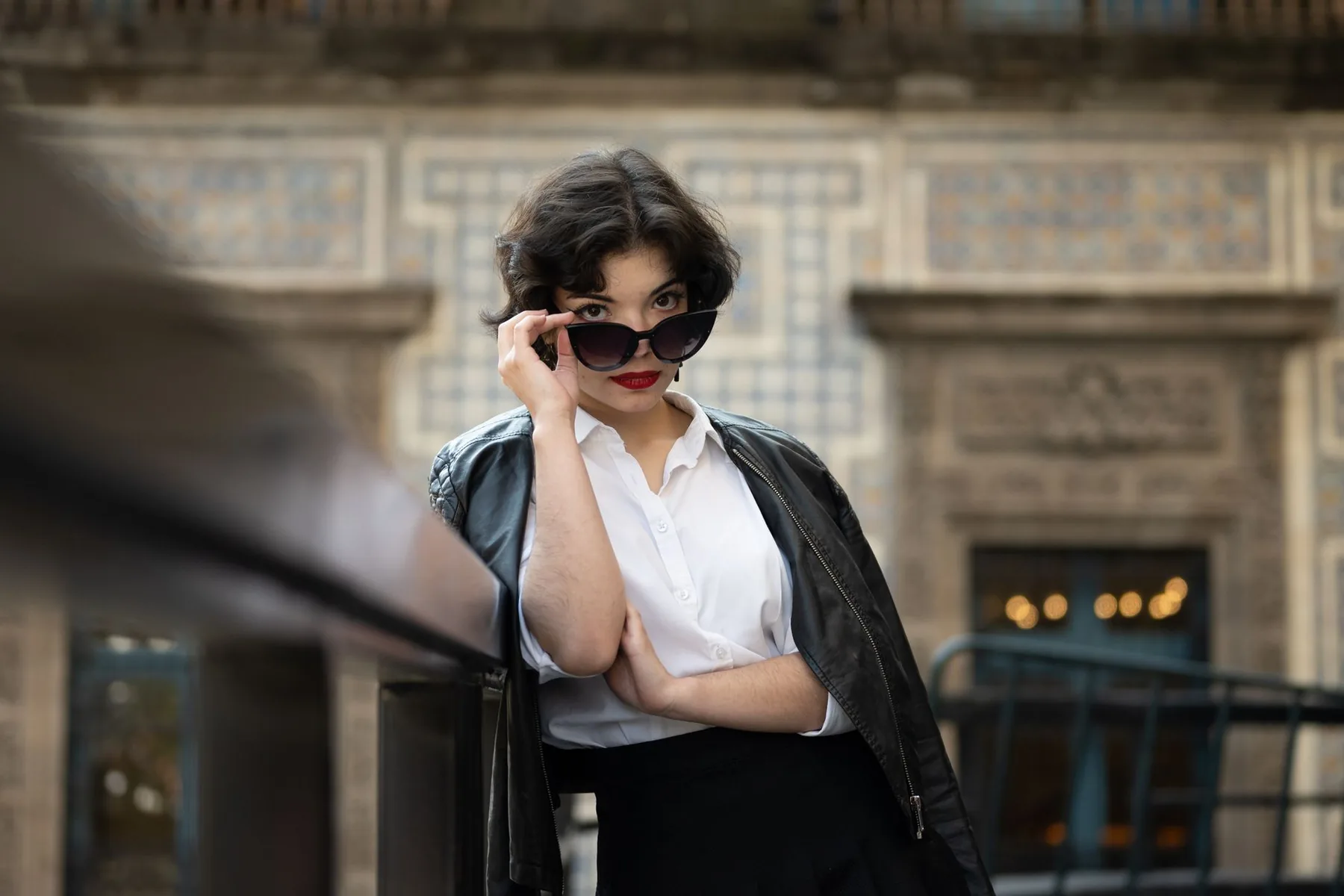
Street jazz and dancehall: power, grace and rhythm
Street jazz blends jazz and hip-hop, using strong lines, jazz walks and changes in dynamics to create striking choreography.
Dancehall, which originated in Jamaica, emphasizes distinctive steps and collective energy. In France, many studios teach this style.
- Try different approaches: alternate standing sessions with floorwork to balance cardio and technique.
- Safety: warm up your wrists, shoulders, hips and ankles before power moves.
- Progress: draw inspiration from local dancers and film your routines to assess your musicality and precision.
“Trying different styles speeds up progress and sharpens your personal style.”
To find a suitable class, explore dance classes and begin a structured program near you.
Heels dance: power, sensuality and technique
Between vintage glamour and pop choreography, heels dance now expresses a confident, technically demanding style.
Its roots lie in cabaret and 1920s Hollywood, and Frank Gatson Jr. modernized the practice in the 1990s. Beyoncé and Lady Gaga later broadened its reach through iconic choreography.
Essential techniques
An elongated posture, weight transfer and stable footing form the foundation. Footwork requires precision, floorwork calls for control of transitions on the ground, and hair whips add expression.
Practical benefits
This discipline strengthens the body, improves coordination and develops core strength. It sharpens stage presence and builds controlled energy.
Getting started
To get started, choose stable heels measuring 7 to 8 cm. Warm up, strengthen your ankles and hips, then progress in stages.
- Practice slow sequences first to develop your musicality.
- Take suitable classes or try online heels classes.
- Remember that this dance is inclusive: attitude matters most.
“Control of movement creates power.”
Ladyshock: femininity, urban elegance and attitude take center stage
Ladyshock combines urban attitude with confident femininity in a lively, stylish class.
Created in 2005 by Steffi SESSION, the concept brings together funk jazz and urban influences set to pop, R&B and electronic music.
The concept and its creator
Steffi SESSION, an American choreographer, created a space for self-expression through movement and attitude. Her aim was to cultivate poise without unnecessary competition.
Goals and teaching approach
The classes aim to develop poise and confidence through mutual respect and shared enjoyment.
The teaching emphasizes accessible choreography, clear progression and each participant’s personality.
- Benefits: a toned body, a better self-image and confident femininity in everyday life.
- Atmosphere: encouragement, group spirit and celebration of individual achievements.
- First step: sign up for a trial class to meet the team and experience the atmosphere.
“Stage presence takes as much work as technique.”
Dance classes in France: where to practice and how to progress
To find a good class in France, start by defining your goals. Try several formats and note what you enjoy.
Choosing a studio: consider its location, teaching approach, range of styles and a timetable that fits your schedule.
A beginner’s path: start with technical basics, take foundation classes, then move on to choreography workshops.
Combine in-person and online classes to fit practice around work. Online classes let you repeat exercises at your own pace; studio classes provide immediate corrections.
- Film your rehearsals to assess your musicality, alignment and coordination.
- Practice isolations and weight placement: these technical foundations build fitness and stamina.
- Talk with local dancers to find jams, performances and events.
- Plan training cycles over several years, with quarterly goals, regular assessments and end-of-season performances.
“Competitions give dancers clear goals.”
Women’s hip-hop fashion: from studio to street
Studio, street or living room: the surface often determines which shoes and clothing work best. The right choices protect your body and express your style.
Heels or sneakers: choose for the choreography and the floor
Heels measuring 7 to 8 cm: useful for heels choreography. Start with stable heels and strengthen your ankles.
Sneakers: ideal for street dance or street jazz. They provide cushioning, grip and stability on hard floors and in studios.
Clothing and accessories: support, freedom and style
Choose breathable, stretchy and durable fabrics. They follow your movements without restricting your range of motion.
| Item | Use | Benefit |
|---|---|---|
| Supportive sports bra | Intense classes, jumps | Support and comfort |
| Leggings or cargo pants | Floorwork, street dance | Freedom of movement and pockets |
| Loose jacket | Stage choreography | Silhouette and style |
| Accessories | Knee pads, support wraps | Protection and grip |
- Look after your shoes: clean the soles and check their grip over time.
- Choose socks and protective gear suited to floorwork.
- Create a mood board: music videos, urban fashion shows and street jazz silhouettes can inspire your looks.
“Put stability and comfort first so you can move to the beat.”
Music and choreography that move you
Music guides every step: choosing suitable tracks turns choreography into an experience. It sets the tempo and brings out the accents needed for an expressive performance.
Choose tracks by tempo: begin with slow tracks to practice weight placement and control. Increase the speed to build stamina and work on transitions. Alternating slow and fast tracks supports progress.
Developing musicality involves counting clearly, emphasizing strong beats and playing with silence. Mark four beats, then isolate the accents to refine your placement.
Build varied playlists: percussive hip-hop, sensual R&B, energetic pop and atmospheric electronic music. Add touches of jazz, waltz or salsa to create original, surprising blends.
- Guided improvisation: identify a musical theme and let your personality come through.
- Follow new releases and explore gems from the 1960s to diversify your inspiration.
- For dancehall examples, listen to Sean Paul, Shenseea or Spice for groove and attitude.
To hear examples and refine your ear, discover the Les sens de la danse podcast. It offers practical ideas for working on rhythm, listening and choreography.
“Attentive listening turns a technical sequence into an emotional story.”
Historical and cultural landmarks for understanding the movement
Understanding the roots sheds light on today’s conventions. Here, we trace the stages that shaped a global practice. These landmarks help explain its techniques, rhythms and postures.
The Bronx in the 1970s: DJ Kool Herc and the birth of hip-hop
At the beginning, block parties in the Bronx changed everything. DJ Kool Herc extended the breaks and emphasized the percussive passages.
That simple act launched a popular culture that quickly spread around the world. Early crews and groups became informal schools.
Echoes of the twentieth century: cabaret, jazz, swing and ballrooms
The 1920s established the aesthetic of cabaret and glamour. The 1950s and 1960s spread jazz and swing, popularizing ballroom dances and the waltz.
Further back, classical dance became an institution in the seventeenth century with the Royal Academy. It shaped ballet and influenced modern and contemporary dance.
“Knowing these pivotal periods helps you read movements and stage references.”
- Origins: block parties, breaks and the first DJs.
- Influences: cabaret, swing, jazz and ballroom traditions.
- Passing it on: technical connections run from ballet to contemporary classes.
| Period | Main contribution | Impact on the practice |
|---|---|---|
| 1920s | Cabaret, stage aesthetics | Theatrical movement and expression |
| 1950s–1960s | Jazz, swing, ballroom dance | Musicality, rhythmic play and adaptations of waltz and ballroom dance |
| 1970s | Block parties and breaks | The birth of hip-hop and collective structures |
Successful blends: modern dance, contemporary dance, jazz and Latin dance
Combining formal dance traditions with urban energy creates pieces rich in contrast and emotion.
From modern to contemporary dance: modern dance, pioneered by Isadora Duncan and Martha Graham, values spontaneity, freedom of the torso and expressive breathing. Contemporary dance draws on these foundations and pushes experimentation further through grounding and intentional movement.
What jazz brings to stage precision
Jazz offers clean lines, contrasts and theatrical accents. It develops musicality and placement. Incorporating jazz makes movements clearer and more visually striking.
Latin dance and thoughtful combinations
Blending in salsa, tango or cha-cha enriches weight placement, hip movements and presence. These influences make creations more sensory and grounded.
- Technical connections: combine formal precision with urban energy for a striking result.
- Recommended workshops: try sessions that mix modern dance, jazz and Latin dance to expand your range.
- Stage example: a slow modern dance sequence followed by a jazz break and a salsa finale for the camera.
“Understanding the origins helps you improvise safely and respect each style’s conventions.”
Dance, exercise and health: train safely and enjoy yourself
A well-structured session protects your body while improving fitness. Start with a short cardio warm-up, then work on mobility and muscle activation. Follow with technique and choreography, and finish with a cool-down.

Preventing injuries means increasing the workload gradually, listening to your body and strengthening your ankles and knees. Adapt the intensity to your level and medical history.
- Foundations of fitness: regular sleep, hydration, suitable nutrition and long-term planning.
- Starting points: a realistic schedule of two to three sessions a week, measurable goals and a training journal.
- Additional training: mobility work, Pilates and strength training complement your main discipline.
Enjoyment remains central: choose your music, vary your workshops and celebrate small victories. Qualified instruction corrects alignment, makes movement safer and speeds up progress.
“Training safely helps you keep dancing for years.”
To discover more benefits of movement, read a useful article about the benefits of dancing.
Stage, competitions and shows: from the studio to major venues
Moving from the studio to major stages calls for preparation, auditions and full run-throughs that give each project structure.
Auditions and technical rehearsals set the framework: a warm-up, rehearsals to work on alignment, then run-throughs with lighting and sound. Dancers work on musicality and refine the choreography for every tempo.
On stages around the world, events such as Red Bull BC One and urban festivals share space with multidisciplinary shows. Performances may combine ballet, contemporary movement and even a reimagined waltz to tell a story.
Productions rely on close collaboration: lighting, costume design and sound engineering enhance the staging. Dancers bring their interpretation and intention to every sequence.
- Practical tip: prepare a portfolio and short clips so you can apply quickly.
- Looking after yourself on stage: recovery, physical care and psychological support are essential during a tour.
“Rehearsal turns an idea into a living moment.”
Current trends in France and around the world
Studios, festivals and online platforms are creating more opportunities to learn and create. In France, the growing number of urban dance studios has been accompanied by a rise in hybrid formats. In-person classes are combined with online instruction to give dancers more options.
Urban studios, festivals and online classes
Overview: from local organizations to international festivals, the range is expanding. These formats are among the most popular because they combine accessibility, enjoyment and media visibility.
The return of blended styles: jazz, swing, salsa, contemporary dance and modern dance feed choreographic experimentation. These combinations enrich styles and storytelling.
The legacy of the 1970s remains visible in battles and performances. Platforms offer music libraries, choreography and considerable flexibility.
- Current aesthetics: clean lines, nuanced grooves and command of rhythm.
- Follow creators and dancers to spot new trends as they emerge.
“A variety of formats encourages creativity and gives more people access to dance.”
Conclusion
Regular practice and curiosity help build a rich, lasting style.
The practice connects tradition and creation: cabarets of the 1920s, the rise of jazz and swing in the 1950s and 1960s, the explosion of the 1970s, and the foundations of ballet and classical dance.
Today’s movements and styles draw on waltz, salsa, jazz, modern dance and contemporary dance. Music guides technique and interpretation.
Start by choosing a style, enrolling in suitable classes and establishing a regular routine. This discipline improves fitness, posture and mental well-being.
Explore boldly, join communities around the world and follow events to stay inspired.