
Why hip-hop attracts more and more dancers
Why does hip-hop attract more and more dancers? An in-depth look at the reasons behind this evolving…
Explore art and music through our engaging blog. Discover inspiring articles, reviews and exclusive interviews.
Our team is passionate about art in all its forms, from music to painting and from dance to sculpture. We believe in the transformative power of creative expression and strive to share that passion through inspiring content and enriching artistic discoveries.

Explore art through a wide range of engaging topics.
Detailed analysis of notable works of art and music albums.
Unique conversations with artists about their creative process.
The influence of art and music on society is broad and profound: they shape our perceptions, emotions and shared culture. These forms of expression play an essential role in shaping social identity, conveying values and ideas, and building connections between individuals and communities.
First, art and music are powerful means of communication and expression. They allow artists to share their views of the world, personal experiences and emotions with a wide audience. Through their work, artists provoke thought, inspire change and encourage dialogue on important issues such as social justice, human rights and the environment.
Art and music also stimulate the imagination and creativity of both creators and audiences. They provide spaces where people can explore new ideas, discover different perspectives and push beyond conventional thinking. This ability to inspire innovation and originality is essential to social, economic and cultural progress.
Art and music also play a central role in shaping and preserving cultural identity. They reflect the values, beliefs and traditions of a society while allowing different cultures to meet, mingle and enrich one another. By celebrating cultural diversity, art and music promote respect, tolerance and appreciation for the variety of human experiences.
Finally, art and music have the power to heal and inspire. They offer comfort to troubled souls, refuge to weary minds and hope in moments of despair. Through captivating melodies, evocative images and moving words, they transcend linguistic and cultural barriers to touch the hearts and minds of millions of people around the world.
Art and music, then, are far more than forms of entertainment. They bear witness to our humanity, safeguard our collective memory and help shape our shared future. By recognizing their influence and importance, we can better understand the world around us and ourselves as human beings.
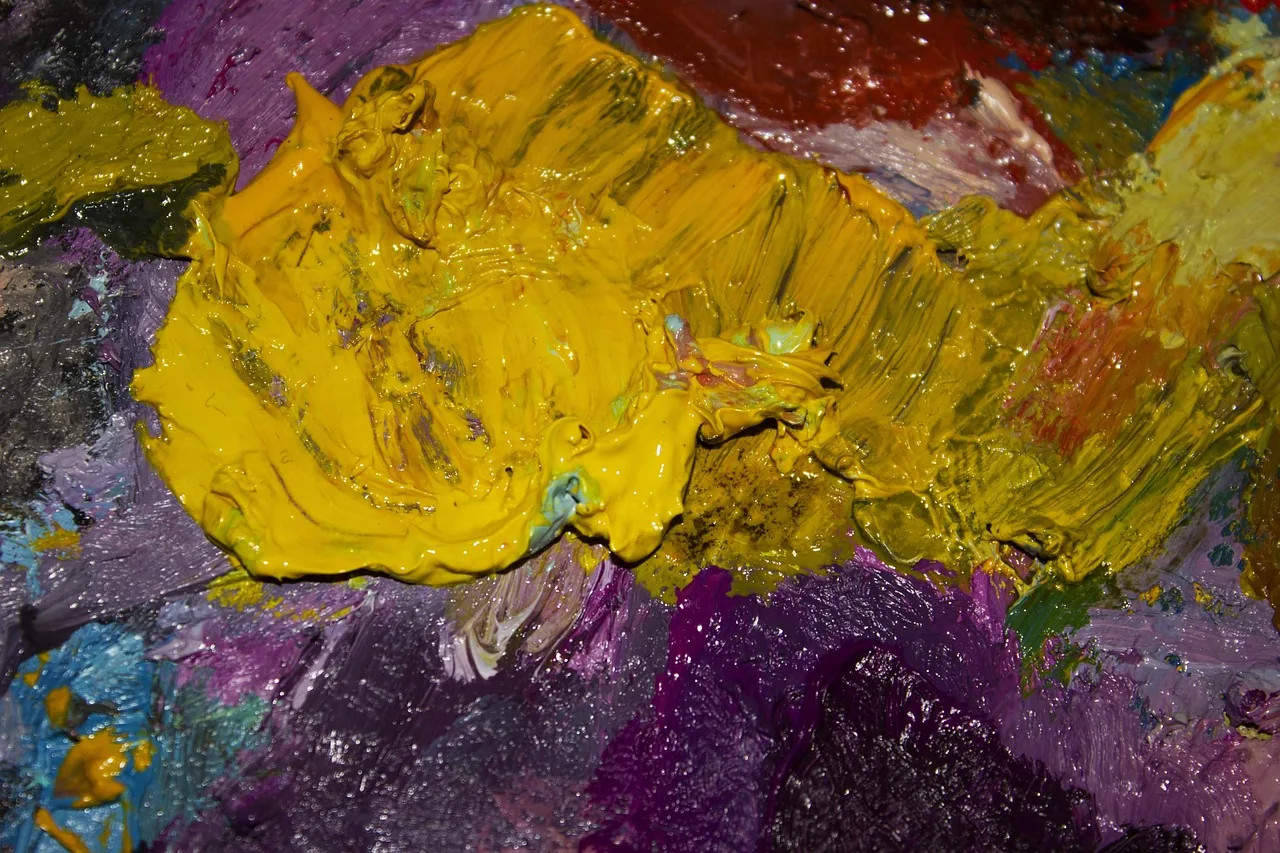
The 20th century was a period of innovation and diversity in visual art and music, marked by revolutionary movements that shaped the era’s aesthetics and culture.
In visual art, movements such as Cubism, Surrealism, Expressionism, Dadaism and Pop Art redefined artistic norms and pushed the boundaries of creativity. Cubism, pioneered by Pablo Picasso and Georges Braque early in the century, introduced a new way of depicting reality by breaking forms down into geometric elements. Surrealism explored the unconscious and dreams through fantastical, surreal imagery, with artists such as Salvador Dalí and René Magritte.
German Expressionism, with artists such as Edvard Munch and Egon Schiele, emphasized intense emotions and subjective experiences through vivid colors and distorted forms. Dadaism, an anti-art movement born during the First World War, challenged established artistic and social conventions through absurd and provocative works.
Pop Art, represented by artists such as Andy Warhol and Roy Lichtenstein, drew on mass culture and advertising to create bold, ironic works reflecting consumer society. These artistic movements opened up new avenues of exploration and inspired later generations of artists to rethink the nature of art and creation.
Music was just as revolutionary in the 20th century, with movements such as jazz, blues, rock ’n’ roll, hip-hop, electronic music and minimalism. Jazz, which arose in African American communities in the southern United States, transformed how we understand and listen to music by introducing improvisation, syncopation and individual expression.
Blues, with artists such as Robert Johnson and B.B. King, gave rise to popular music forms such as rock ’n’ roll, which revolutionized popular culture in the 1950s and 1960s. Hip-hop, which emerged in disadvantaged New York neighborhoods in the 1970s, became a global phenomenon, combining rap, DJing, breakdancing and graffiti to express the realities of urban life and social struggles.
Electronic music, with genres such as techno, house and trance, pushed the boundaries of composition and sound production by using synthesizers and computers to create futuristic, hypnotic soundscapes. Minimalism, with composers such as Steve Reich and Philip Glass, favored simplicity and repetition to create works of remarkable emotional and intellectual depth.
These 20th-century art and music movements reflected the social, political and technological changes of their time and opened up new paths of exploration and creativity for later generations of artists and musicians.
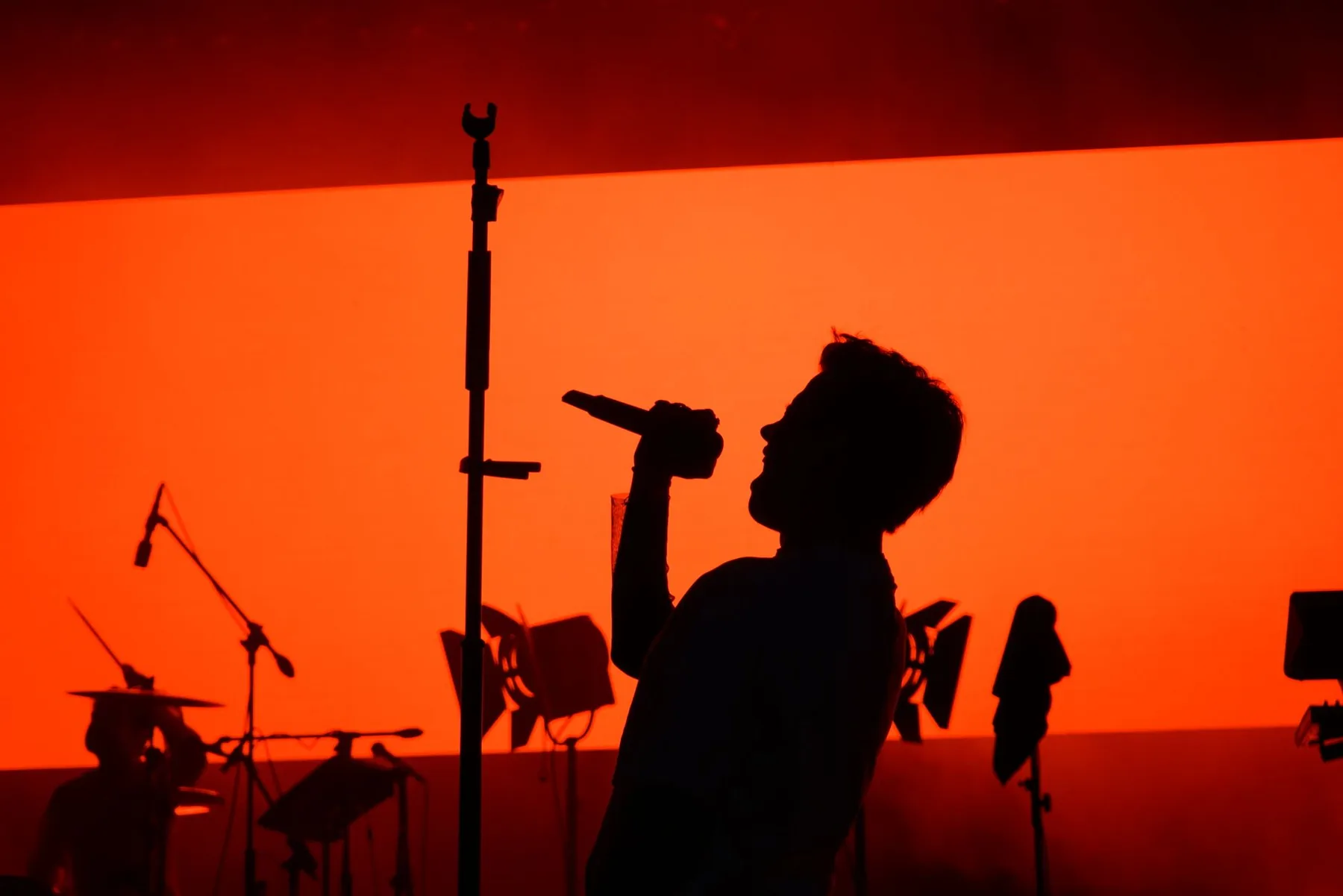
Art and music are mirrors of society and windows into cultures across time. They reflect the values, beliefs, concerns and ideals of a given era, capturing the essence of a society’s culture and identity.
First, art and music are influenced by the historical events and social movements that shape an era. During periods of conflict or political change, for example, they can express people’s tensions, struggles and aspirations. Artists and musicians often use their talents to comment on, criticize or celebrate the events of their time, creating works that reflect its social and political realities.
Art and music are also closely linked to a society’s cultural and aesthetic values. They embody the ideals of beauty, harmony and expression distinctive to a particular culture. For example, the art and music of Eastern cultures may favor simplicity, balance and spirituality, while those of Western cultures may emphasize individualism, innovation and freedom of expression.
Art and music also act as catalysts for cultural change and innovation. They inspire new ideas, styles and forms of expression that, in turn, influence culture and society. The Renaissance, for example, was a period of great artistic and intellectual activity in Europe, marked by major advances in painting, sculpture, architecture and music.
Finally, art and music build connections between generations and cultures. They transcend linguistic and geographical barriers to create emotional and intellectual bonds between individuals and communities. Works of art and musical compositions can be interpreted in many ways and profoundly affect people from different backgrounds and with different viewpoints.
In short, art and music are valuable witnesses to human history and culture, reflecting the emotions, experiences and ideas that define an era. Their power to transcend borders reminds us of the richness and diversity of human experience while inviting us to consider our own place in the world.
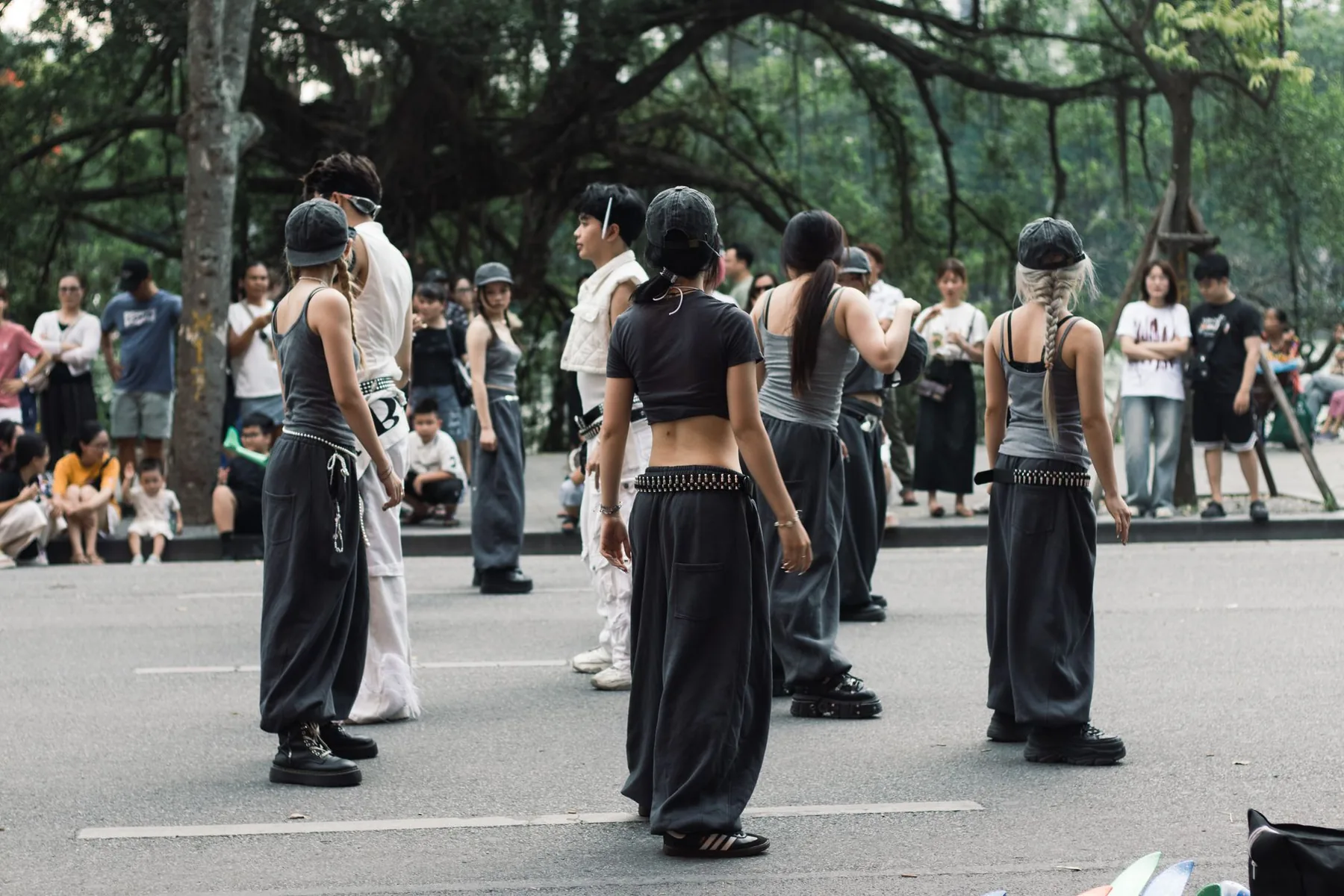
Why does hip-hop attract more and more dancers? An in-depth look at the reasons behind this evolving…
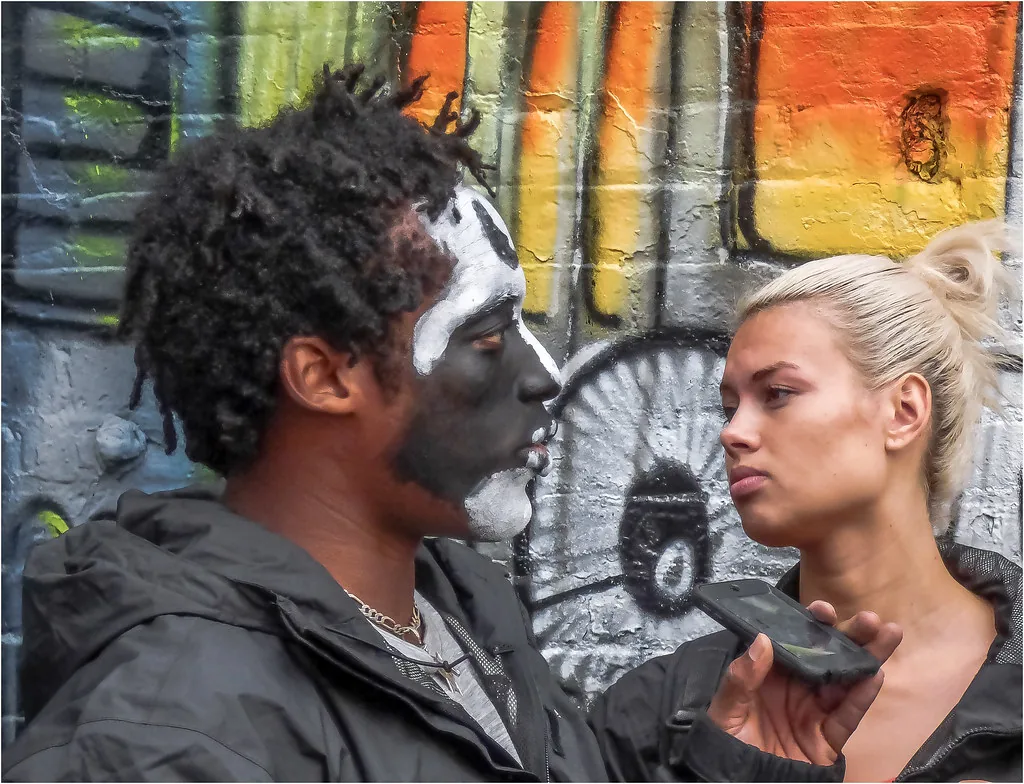
The hip-hop movement: values, codes and language. Explore our comprehensive guide to the history and…

Discover our guide to hip-hop for women: dance, fashion and confidence. Learn how this culture can i…

"Learn how to organize a hip-hop dance show by following our detailed steps to make your event a suc…
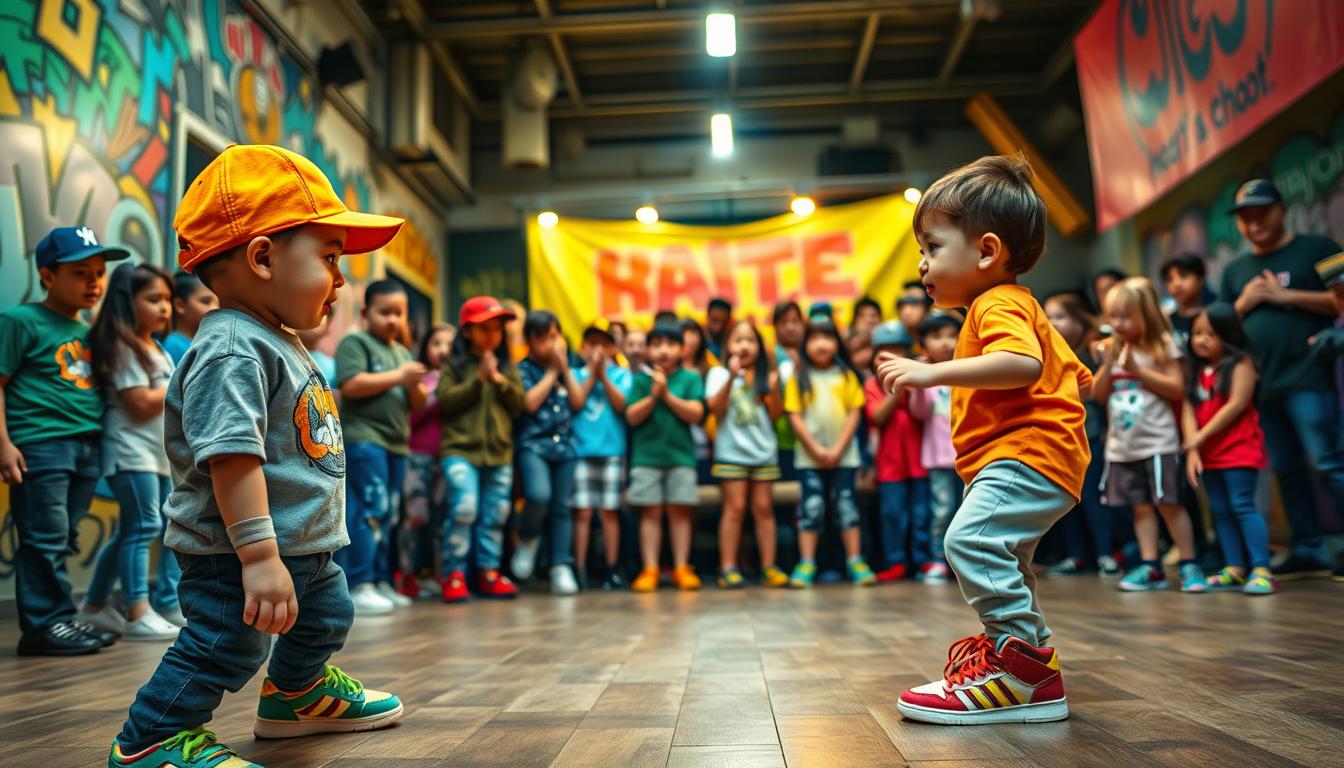
Need help organizing a hip-hop battle for children? Explore our practical advice for organizers and …

Learn how to create a hip-hop dance outfit that makes you stand out. Tips for a stylish, comfortable…