
One question lies at the heart of this introduction: why is this practice appealing to a growing number of people today?
This article brings together history, society and contemporary scenes to answer it.
We will revisit its beginnings in the Bronx in the 1970s, its spread through influential works and the impact in France of media such as H.I.P H.O.P.
We will look at the culture and the dance worldwide and in France. We will also explain how institutions (La Place, Maison du hip-hop), competitions and the Paris Games are changing the practice.
Coming up: background information, concrete examples and an examination of tensions around its development as a sport and Law 1149, to understand why this scene attracts such a wide audience today.
A 2025 trend: hip-hop moves from the street to the world stage
The move from the streets to international arenas marks a new era for this movement. Breaking’s inclusion in the Paris 2024 Games, at the Place de la Concorde urban park, raised its profile on the world stage.
This shift is visible in the growing range of formats: battles, choreographed works, conservatories and festivals. In just a few years, these dance forms have moved from neighborhoods to theaters, while competition criteria have become more formal.
“Choreography changes how the dance is taught and broadens its audience.”
The result is a more diverse audience, technical standards and a growing emphasis on performance. The discipline is becoming more professional, while creative freedom and standardization remain in productive tension.
- More venues: Maison du hip-hop, La Place and artist residencies.
- Continuity: from freestyle to choreographed works, and from shows to competitions.
- Overall picture: a mature movement seeking its identity on a larger stage.
The movement’s roots: the history, setting and spirit behind its appeal
Born amid urban crises, this practice developed as a collective and artistic response.
From Bronx neighborhoods to battles
In the late 1960s and throughout the 1970s, the Bronx, Brooklyn and Harlem faced deindustrialization, segregation and neglect. These conditions led young people to create street dance and ways of supporting one another.
In 1973, Afrika Bambaataa founded the Zulu Nation. His work turned rivalries into ritualized battles. Confrontation became a performance recognized by peers.
A varied culture that gives people a voice
Hip-hop culture brings together rap, DJing, graffiti and dance. Together, these practices give African American and Latino communities a voice.
“The scene is both an informal school and a place to assert identity.”
| Year | Event | Impact |
|---|---|---|
| 1973 | Founding of the Zulu Nation | Channeling conflict through artistic practices |
| 1980 | “The Breaks” | Media exposure and visibility |
| 1984 | “Breaking” | Entry into the global imagination |
The memory of this history feeds its appeal today. Its collective spirit, rites of passage and improvisation remain living traditions.
- Social role: connections, learning and alternatives to gangs.
- Journey: from the street to the stage, with no symbolic break.
- Shared language: rhythms, movements and stories expressed as a group.
For more background, see a historical study and a conversation between body and music.
What drives growth today and brings in a wider audience
Today, several factors work together to turn local practices into national phenomena. Together, they are driving a substantial change in audiences.
The Paris Olympics and the visibility of breaking
Breaking’s inclusion in the Paris 2024 Games, at the Place de la Concorde urban park, increased its media visibility. Its development as a sport introduced explicit judging criteria.
“Developing the practice as a sport gives it rules without erasing it, but changes how people learn it.”
Media, films and platforms
The television show H.I.P H.O.P (TF1, 1984) sparked a generation’s interest. Today, shows such as World of Dance spotlight international artists and offer more ways into the culture.
Stage and competition formats
Battles are evolving through structured judging, stage expectations and professionalization. The tension between improvisation and formal criteria is real.
Changing styles and music
Key styles include breakdance (toprock, power moves), popping (isolations), locking and house. Blending them with jazz brings new possibilities.
The relationship with music and rhythm remains central: it guides choices and shapes the identity of movements.
| Factor | Effect | Result |
|---|---|---|
| Olympic Games | Worldwide visibility | An influx of curious newcomers |
| Media & platforms | Wider exposure for artists’ work | More international careers |
| Competition formats | Criteria and standardization | Tension between freedom and performance |
For a more detailed analysis, see an in-depth study of these developments.
France as a testing ground: institutions, venues, law and debate
In France, alternative spaces and public institutions coexist, reshaping the ways people can access dance.
Dedicated venues and stages
La Place (1st arrondissement) and Maison du hip-hop (11th arrondissement) play central roles. They offer residencies, stages, sessions and classes that attract new audiences.
These venues support crews and artists, including France’s breaking team, and raise their visibility beyond their neighborhoods and the street.
Law 1149 and the state diploma
Law 1149 proposes extending the state teaching diploma to hip-hop. It promises greater professional recognition and access to public-sector jobs.
Critics point to estimated costs (€1,200 to €7,200), the risk of standardization and the exclusion of teachers. Around 30,000 people have signed an objection organized by the “Non à la loi 1149” collective.
Gentrification and access
The shift toward city centers puts youth and cultural centers and neighborhood associations under pressure.
The central question remains: how can informal, affordable ways in be preserved while teaching becomes more secure?
“Institutionalization changes choreography and the way knowledge is passed on.”
Giving the French scene more structure could strengthen the sector. Broad consultation and fair measures are nevertheless needed to prevent divisions.
Read the report on the emerging scene
Why hip-hop attracts more and more dancers
This culture’s appeal comes both from its open doors and from the many paths people can take within it.
Accessibility and inclusion
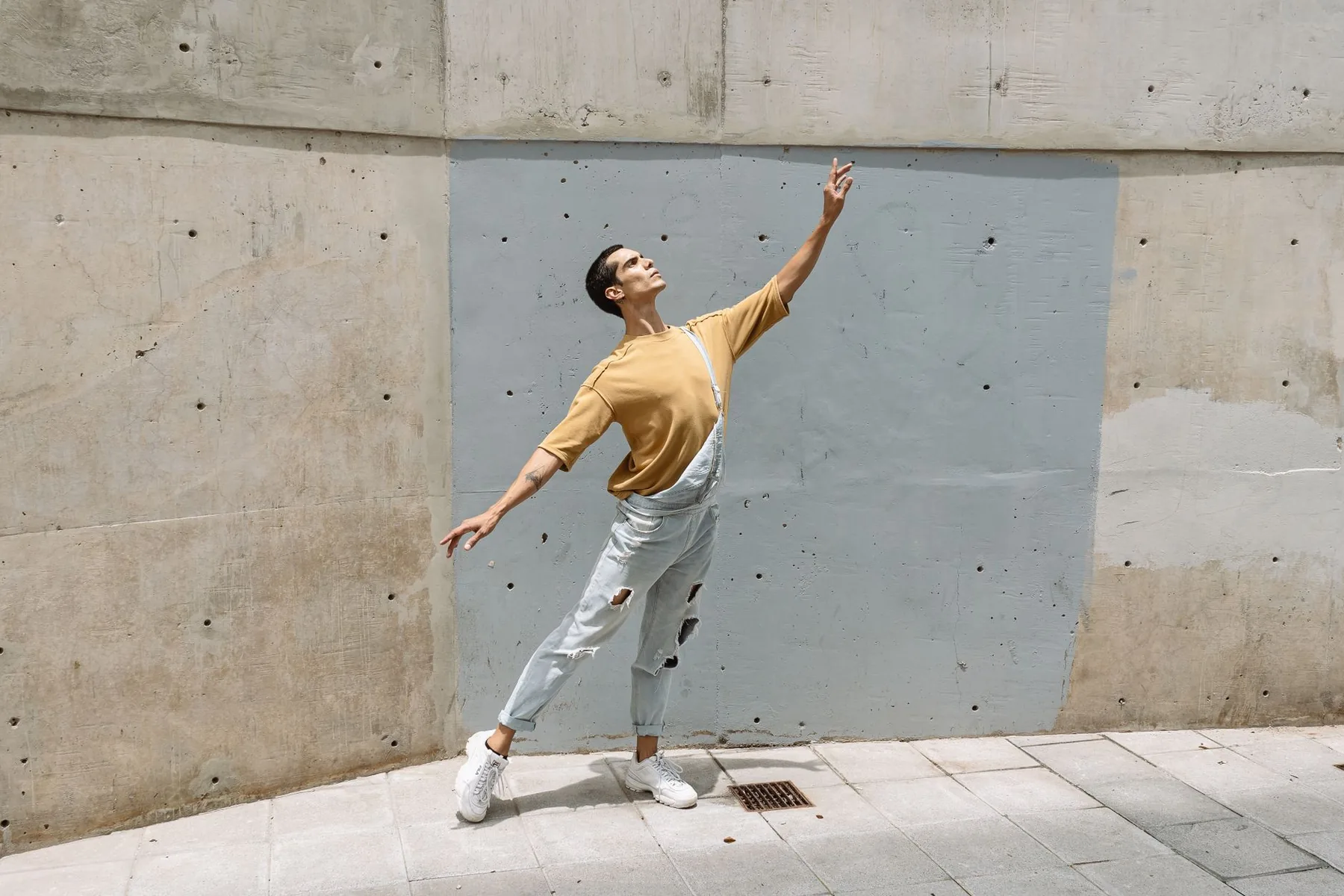
Open sessions at places such as Maison du hip-hop and La Place show that anyone can give it a try. They bring beginners and accomplished athletes together, making it easier to take the first steps.
Each participant keeps their own way of dancing and identity, encouraging dancers to continue.
Creativity, change and identity
Creativity is at the heart of the practice: improvising, mixing styles and creating new forms remain powerful motivations. This discipline keeps evolving and lets everyone build a personal artistic experience.
Community, classes and stage experience
The range of classes, battles, residencies and shows offers many paths. In France, neighborhood associations and professional organizations work together to support them.
“Learning grows through the crew, feedback and shared stages.”
- Different ways in: from short sessions to the stage.
- Many styles: break, popping, locking and house.
- Established venues: La Place and Maison du hip-hop.
For an academic analysis of the movement, see this study.
Signs of growth: indirect data, strong signals and an evolving scene
Indirect data and observations on the ground suggest that the movement is becoming more organized. Studios, stages and public spaces point to a noticeable rise in enrollment and training attendance.
More classes, open sessions and training in France
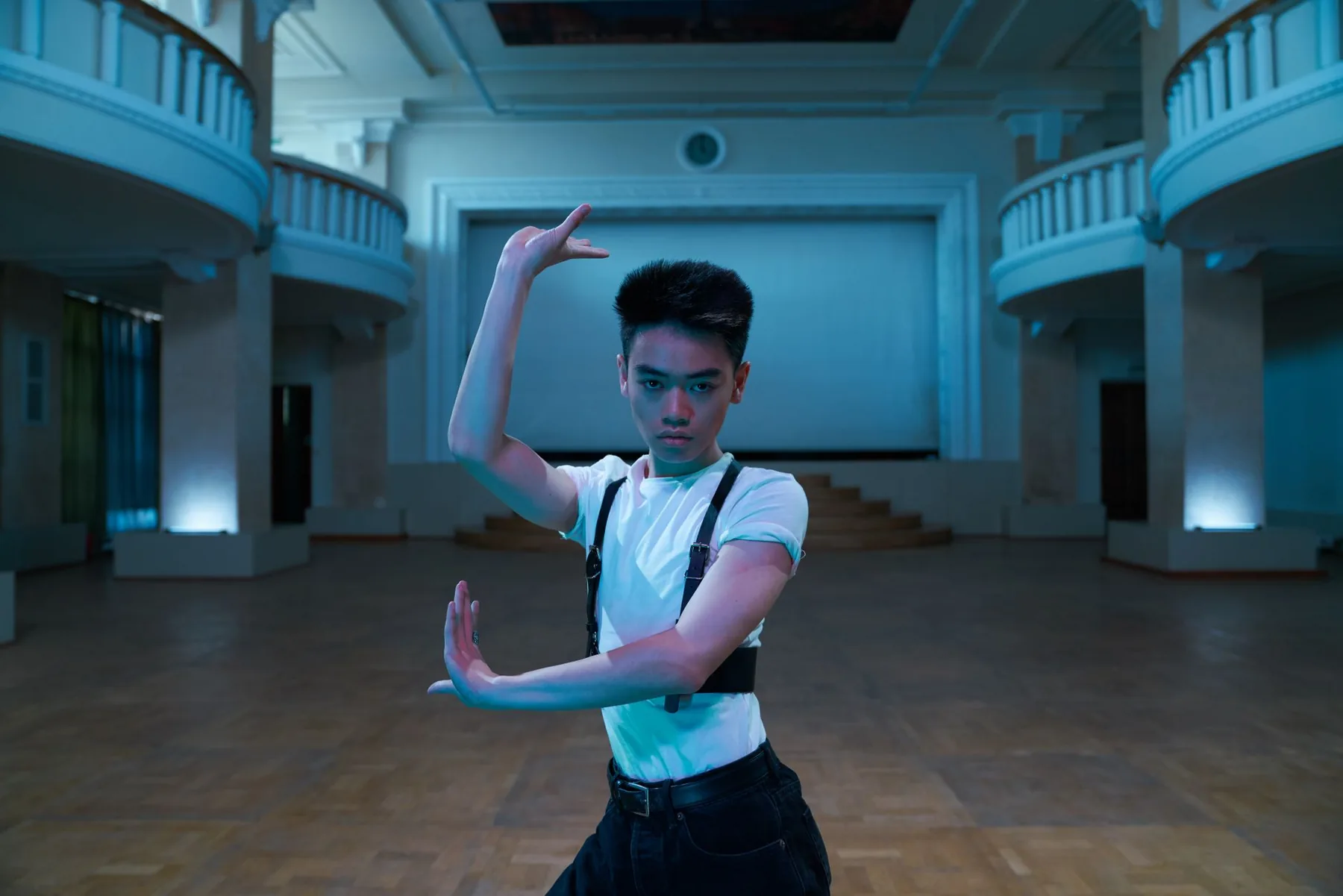
In Paris, Maison du hip-hop hosts regular sessions attended by beginners and national team members. The effect of the 2024 Olympics has brought more people to introductory sessions and increased demand for classes.
Institutional recognition on stage and in schools: choreography and composition
Since the 1990s, the move into theaters and, from the 2000s, into schools has formalized teaching methods. This shift encourages choreographic composition and raises technical expectations.
- Strong signals: more classes, greater attendance at open sessions and broader audiences at venues such as La Place.
- Growth on stage: more new works, scheduled events and festivals, with jazz influences visible in some performances.
- Constraints: Law 1149 illustrates the debate over the role of the state and institutions, between greater security and the risk of standardization.
| Signal | Observation | Result |
|---|---|---|
| Class enrollment | Increase after the 2024 Olympics | New audiences |
| Open sessions | Higher attendance in Paris | Encounters between beginners and professionals |
| Event programming | More festivals and stage opportunities | Dancers moving between different stages |
“Taken together, these signs point to strong growth while leaving room for experimentation.”
Conclusion
At the end of this analysis, the balance of history, music and community emerges as one of the keys to the movement’s current growth.
Born in New York neighborhoods, this practice now thrives in many forms: open sessions, battles, shows and training. Breakdance’s success at the Olympics illustrates that change.
Institutional support and the debates around Law 1149 raise a question: how can the practice become more professional without erasing its origins or the voices of those involved?
Ways forward: support venues and classes, preserve the history, and encourage exchanges with jazz, rap and other forms. For more, consult an academic overview and an institutional perspective in this study and this space for reflection.