
Dance and music come together to create a unique conversation through movement. Whether in contemporary dance, classical dance, jazz dance or hip-hop dance, these forms of bodily expression use live music and choreography to awaken the senses and celebrate artistic movement. Dance becomes the language of the body, while music provides a voice in sound. Together, they communicate emotions and tell stories.
Explore different forms of dance with us, from contemporary dance and classical dance to jazz dance and hip-hop dance, and discover how they use music to create a conversation through movement. Immerse yourself in bodily expression, danced movements and theatrical dance, and let this unique artistic experience sweep you away.
Dance and music have been closely connected for centuries. Together, they offer a form of artistic expression that creates a profound connection between dancers, musicians and audiences. Discover how each form of dance uses live music, choreography and bodily expression to spark the imagination, evoke emotions and tell stories through danced movement. Enter a world where dance and music meet to create a vibrant, captivating conversation through movement.
Dance, the language of the body
Dance is often described as the language of the body. In partner dances, communication between dancers is essential to performing movements together. Every partner dance can be compared to a three-way conversation: one with the other dancer and one with the music. Each type of dance has its own rhythm and can be thought of as a spoken language. From the grammar that guides partnered movements to the vocabulary of established steps, dance offers a unique language for expression and communication.
Dance is a form of expression that transcends words. It allows dancers to communicate and share emotions and experiences through their movements. Whether it is a slow, graceful step in classical dance or a fast, rhythmic sequence in hip-hop dance, every movement expresses something unique.
Like spoken language, dance has its own grammar and syntax. Steps, body movements and facial expressions are the words that make up this language. Dancers use these elements to tell a story, express emotions or simply feel the music.
In a partner dance, communication between dancers is essential. Their movements must be coordinated and synchronized to create a harmonious dance. Dancers must pay attention to their partner’s cues and adjust their movements accordingly.
Dance is also a form of communication between dancers and music. The body adapts to the music’s rhythm and mood, creating a visual and auditory conversation. Dancers interpret the music through their movements and express their own interpretation of the melody.
Dance is therefore a powerful language of the body that allows dancers to communicate, express themselves and connect with other dancers and the music. Whether it is a partner dance, classical dance, contemporary dance or any other form, dance offers a unique way to communicate and express oneself artistically.
Contemporary dance, an improvised conversation
Contemporary dance stands out for its approach to dance as an improvised conversation. Dancers use their bodies to express themselves freely and explore movement and creativity without predetermined constraints. This form of bodily expression invites a connection with oneself, other dancers and the music. Contemporary dance provides space for spontaneity and the exploration of body language.
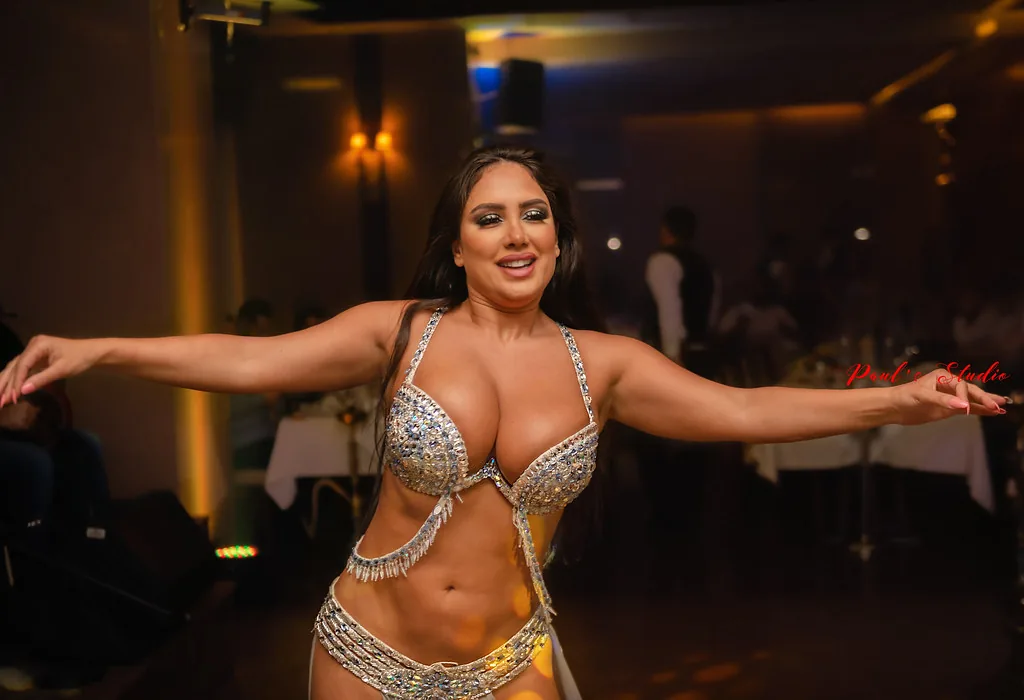
Contemporary dance is a language without words. It is an exploration of oneself and the world through movement. Each dancer creates their own story, their own conversation with the audience. Contemporary dance is an experience that cannot be explained in words but must be felt and lived.
Contemporary dance encourages improvisation and spontaneity. It allows dancers to express what they feel in the moment and let their bodies speak without constraints or limits. That is why every contemporary dance performance is unique and authentic.
Creativity lies at the heart of contemporary dance. Dancers are free to explore new movements, push the limits of their bodies and create their own choreographic vocabulary. The result is a visual conversation between the dancers and an audience invited to interpret and feel the emotions of danced movement.
Key principles of contemporary dance
- Freedom of bodily expression
- Exploration of movement
- Spontaneity and improvisation
- Individual creativity
- Connection with oneself, others and the music
| Principle | Description |
|---|---|
| Freedom of bodily expression | Dancers are free to use their bodies to express themselves in a unique, personal way. |
| Exploration of movement | Contemporary dance encourages the exploration and discovery of new movements. |
| Spontaneity and improvisation | Dancers are encouraged to be spontaneous and improvise during their performances. |
| Individual creativity | Each dancer can express their own creativity and personal style. |
| Connection with oneself, others and the music | Contemporary dance fosters emotional and artistic connections among dancers, audiences and music. |
Classical dance, a codified conversation
Classical dance is built on precise technique and codified movements. Every movement is performed with a specific posture and a strong sense of musicality. Classical dance enables an artistic conversation between the dancer and the audience: its elegant, graceful movements tell a story or express emotions. This form of dance offers a traditional, disciplined body language.
Technique is fundamental for classical dancers. They must develop technical mastery to perform movements with precision and grace. Specific postures, including the positions of the feet, arms and body, contribute to the aesthetics of classical dance.
Codified movements are also essential to classical dance. Steps and sequences have been established over the years and passed down from generation to generation. This codification gives dancers a solid foundation and allows them to communicate with audiences in a coherent way. Every movement has meaning and intention, strengthening the artistic expression of classical dance.
Classical dance is a demanding discipline that requires diligent work and constant practice. It also offers great artistic satisfaction and a deep connection with the music and the audience.
Musicality plays a central role in classical dance. Dancers must be in harmony with the music and use their bodies to interpret its rhythms, nuances and emotions. Classical dance brings movement and music together harmoniously, creating a visual and auditory conversation that captivates the audience.
In short, classical dance is a codified conversation between the dancer, the music and the audience. Precise technique, codified movements, posture and musicality allow dancers to express themselves artistically and captivate audiences with grace and elegance.
Jazz dance, a rhythmic conversation
Jazz dance emphasizes rhythmic movement and individual expression. Jazz dancers use their bodies to express emotions and sensations, playing with the energy and musicality of each piece.
Improvisation is also a key element of jazz dance: it allows dancers to express themselves freely and create a dynamic conversation with the music.
Jazz dancers are known for their contagious energy and their ability to interpret music with a distinctive expressiveness. Their fluid style and sense of rhythm captivate audiences and convey intense emotions.
Jazz dance offers freedom of individual expression, allowing dancers to give free rein to their emotions. It is a conversation between the body and the music, in which every rhythmic movement responds to the melody and musical accents.
Jazz dance is also characterized by syncopated movements, body isolations and acrobatic leaps that add to its dynamism and appeal.
Musicality is central to jazz dance: dancers constantly listen to the music and emphasize its rhythms and accents through their movements.
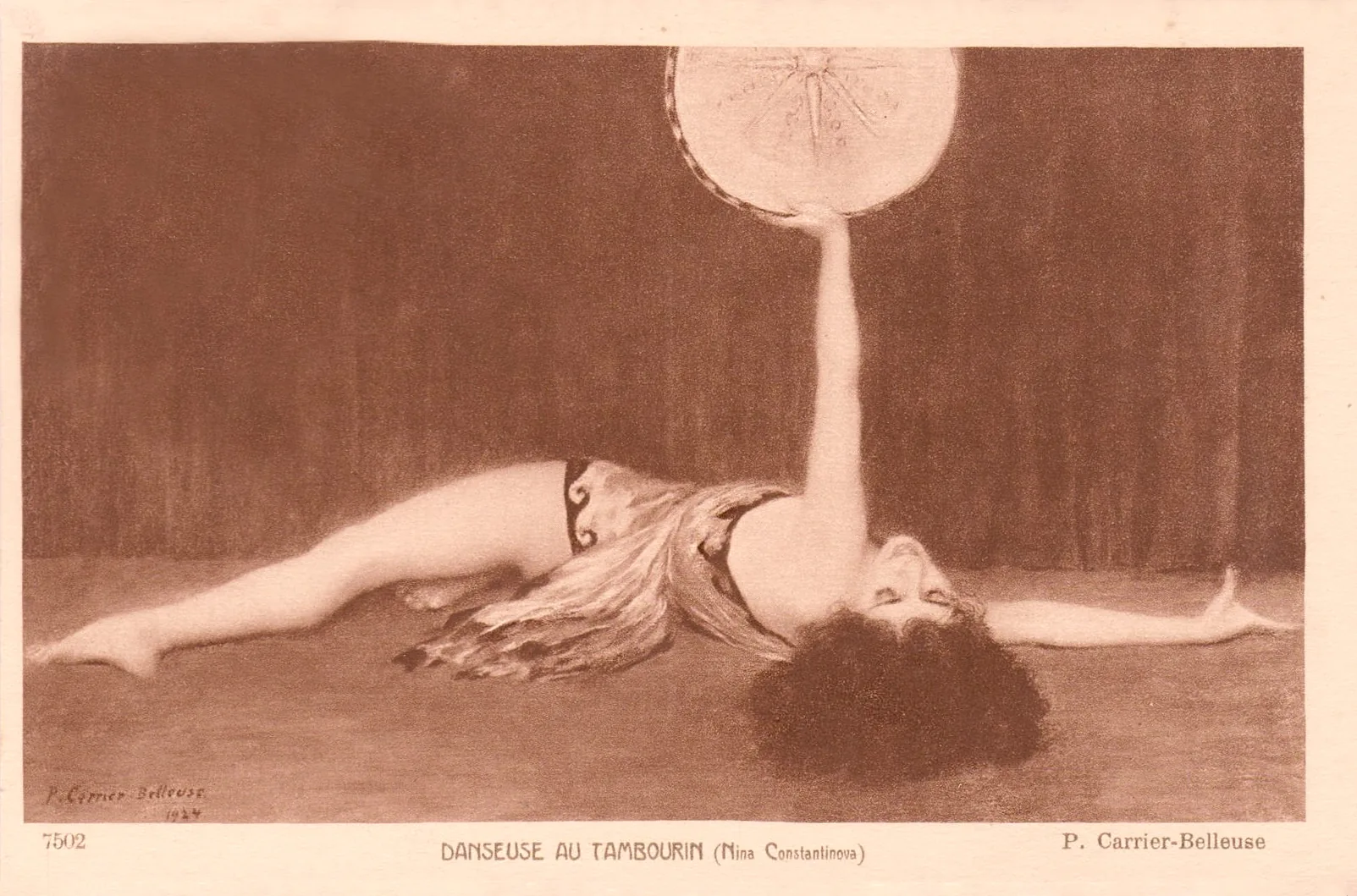
The combination of lively rhythms, individual expression and improvisation gives jazz dance a unique energy that delights dancers and spectators alike.
Jazz dance is far more than a rhythmic conversation. This form of artistic expression allows dancers to build a deep connection with the music and offers spectators an inspiring, moving experience.
Hip-hop dance, an urban conversation
Hip-hop dance grew out of urban culture and is characterized by street dance movements and a style shaped by storytelling. Hip-hop dancers use their bodies to express their identities and tell stories through movement. Hip-hop dance is a rhythmic conversation in which dancers synchronize their movements with the music’s groove, creating a connection between their bodies and the music.
“Hip-hop dance is a universal language that allows dancers to express themselves on social and political issues.” — Jayden, hip-hop dancer
Street dance movements and self-expression
Hip-hop dance is a form of self-expression inspired by street dance movements. Dancers use techniques such as popping, locking and breakdancing to create striking, energetic movements. Each gesture has meaning and tells a story, allowing dancers to share their experiences, emotions and demands.
Storytelling and a connection with music
Storytelling plays an important role in hip-hop dance. Dancers use their bodies to interpret song lyrics, rhythms and melodies, creating a deep connection with the music. Their movements respond to the beats, lyrics and emotions conveyed by the music, allowing them to deliver a powerful, compelling message.
Rhythm and groove
Rhythm and groove are integral to hip-hop dance. Guided by the music’s tempo, dancers alternate between fast, sharp and fluid movements to follow the beat. Hip-hop dance is distinguished by its contagious energy and distinctive style, in which dancers express their personalities and creativity by combining movement, music and rhythm.
| Characteristics of hip-hop dance | Examples of movements |
|---|---|
| Self-expression | Popping, waving, tutting |
| Storytelling | Krumping, lyrical hip-hop |
| Rhythm and groove | Locking, b-boying (breakdancing) |
Hip-hop dance is far more than a performance. It is a living conversation among dancers, music and audiences that transcends borders and differences. By using their bodies as a means of expression, hip-hop dancers create a passionate urban dialogue, make their voices heard and share their culture with the world.
Live music, a conversation in real time
When music is played live, it creates a dialogue between musicians and dancers. Live music allows a unique interpretation at each performance and gives dancers and musicians a chance to adapt and collaborate in real time. This interaction creates a spontaneous, responsive conversation in which music and dance influence each other to offer a dynamic artistic experience.
With live music, musicians can play pieces differently at each performance. They can adjust the tempo, intensity and musical expression in response to the dancers’ energy and reactions. Dancers, in turn, can influence the musicians through their movements and individual interpretations. The result is a true artistic collaboration in which responsiveness and exchange are essential.
Improvisation is a key element of live music. Musicians can improvise solos, variations and arrangements in response to their interactions with dancers. Likewise, dancers can improvise their movements in response to the music, creating a fluid, constantly evolving conversation.
This live interaction also allows musicians and dancers to inspire one another. Dancers can find inspiration in the music, while musicians can draw energy from the dancers’ movements. This synergy makes every performance a new artistic creation.
Live music gives musicians and dancers the opportunity to communicate and respond to each other instantly. This real-time conversation creates an immersive, captivating experience for performers and audiences alike.
This live dialogue between music and dance can transcend artistic boundaries. Musicians and dancers can explore new territory, push the limits of their creativity and offer unique performances. It is a genuine collaboration in which responsiveness, exchange and improvisation are central to artistic expression.
Live music enriches dance by adding a profound dimension of sound and emotion. It creates moments of intensity and feeling that encourage dancers to express their personalities through movement. The live dialogue between music and dance creates an encounter that moves audiences and nourishes artists.
Benefits of live music in a dance performance
| Benefits | Description |
|---|---|
| Unique interpretation | Each performance offers a unique musical interpretation, making every dance performance distinct. |
| Responsiveness and adaptation | Musicians can adapt to dancers’ movements in real time, creating a more fluid and harmonious performance. |
| Artistic collaboration | Live music encourages genuine collaboration between dancers and musicians, placing creativity and exchange at the heart of the performance. |
| Exploration and improvisation | Live music makes it possible to explore new ideas and create spontaneous moments of improvisation. |
| Energy and emotion | Live music adds an emotional dimension to a dance performance and creates moments of intensity and power. |
Conclusion
Dance and music come together to create a unique conversation through movement and enable artistic expression rich in emotion. Whether contemporary, classical, jazz or hip-hop, each form of dance offers an incomparable experience of communication through danced movement.
This conversation between dance and music creates a deep connection among dancers, musicians and audiences, stirs vivid emotions and offers an unforgettable artistic experience. Through dance, dancers can communicate their thoughts and feelings and share a range of emotions with the audience.
The connection between dance and music transcends linguistic and cultural barriers, enabling universal communication through the language of the body and the power of music. Whether it is unconstrained contemporary dance, codified classical dance, rhythmic jazz dance or urban hip-hop dance, each style offers a unique perspective on the conversation through movement.
Dance and music thus form an inseparable bond and create an immersive experience in which dancers, musicians and audiences inspire one another. This conversation in motion continues to evolve and reinvent itself, offering an endless source of inspiration and connection to those who take part in this form of artistic expression.
FAQ
What can dance and music create together?
When dance and music meet, they create a unique conversation through movement. Together, they awaken the senses and celebrate artistic movement.
How can dance be considered a language of the body?
Dance is often described as the language of the body. Each type of dance has its own rhythm and can be compared to a spoken language, offering a unique way to express oneself and communicate.
What is contemporary dance?
Contemporary dance is a form of bodily expression that invites a connection with oneself, other dancers and the music. It is distinguished by its improvised, exploratory approach to movement.
What is classical dance?
Classical dance is built on precise technique and codified movements. Through elegant, graceful movements that tell a story or express emotions, it creates an artistic conversation between the dancer and the audience.
What is jazz dance?
Jazz dance emphasizes rhythmic movement and individual expression. It draws on the energy and musicality of each piece to express emotions and tell stories. Improvisation is also a key element.
What is hip-hop dance?
Hip-hop dance grew out of urban culture and is characterized by street dance movements and a style shaped by storytelling. Hip-hop dancers use their bodies to express their identities and tell stories through movement.
How does live music influence dance?
When music is played live, it creates a dialogue between musicians and dancers. This interaction allows a unique interpretation at each performance and offers a dynamic artistic experience.
Why do dance and music form a unique conversation through movement?
Dance and music form a unique conversation through movement that enables artistic expression rich in emotion. Each form of dance offers an experience of communication through danced movement, creating a deep connection among dancers, musicians and audiences.
Pingback: Hip-hop classes for children: what you need to know