
Recent technological advances have transformed creative fields such as music and graphic arts. Since the arrival of the internet, artists have been able to share their ideas and techniques, collaborate more easily, and draw inspiration from a wide range of sources and projects around the world. Digital creative tools have also enabled artists to work faster and more efficiently, produce more content, and create more complex works. However, the arrival of artificial intelligence in the creative process raises questions about the future of artistic professions.
The impact of digital technology on music and art since the arrival of the internet
Since the arrival of the internet, artists working in visual art and sound experimentation have experienced a digital revolution. Technological advances have profoundly changed artistic creation, offering artists around the world new perspectives and opportunities.
Social media plays an essential role in this transformation. It has enabled artists to share their work with wider audiences and build a following. Platforms such as Instagram, Facebook, and Twitter have become virtual showcases where artists can share their creations, interact with audiences, and connect with other artists.
Digital creative tools have also transformed the way artists work. Thanks to technological advances and sophisticated software, artists can now use advanced technologies to make their work. Specialized software allows them to explore new forms of artistic expression, experiment with new media, and create interactive works.
This interactivity and these digital innovations have paved the way for new art forms, including generative art, virtual reality, and augmented reality. Artists can now create immersive experiences that let audiences interact with their work and experience art in new ways.
| Visual art | Sound experimentation | Advanced technology | Interactivity | Digital innovations |
|---|---|---|---|---|
| Artists now use advanced image-editing software to create striking digital artworks. | Musicians explore new composition techniques and sounds with music production software. | Virtual and augmented reality allow artists to push the boundaries of artistic creation through advanced technologies. | Interactive artworks give viewers a new experience by actively involving them in the creative process. | Digital innovations have transformed how artists create, share their work, and interact with audiences. |
“Digital technology has opened up new possibilities for artists, allowing them to push the boundaries of their creativity and explore new horizons. It is a true revolution that has transformed how we think about and experience art.”
In short, the impact of digital technology on music and art since the advent of the internet is undeniable. Artists have connected with wider audiences, created more complex works, and experimented with new forms of artistic expression. Technological advances continue to transform the creative industry, offering artists around the world new possibilities while also presenting new challenges.
How digital technology has transformed creative tools
Electronic music has been profoundly influenced by digital tools, which have transformed how artists create and produce music. Filters, modulators, and compressors, once implemented through physical equipment, are now used mainly on computers. This shift to digital tools has enabled artists to work faster and more efficiently by automating tasks that were previously done by hand.
For example, in electronic music, production software such as Ableton Live, Logic Pro, and FL Studio offers a wide range of digital tools for creating distinctive sounds and textures. Musicians can now experiment with different combinations of virtual synthesizers, samplers, and effects processors to produce innovative sounds. The flexibility and ease of use of digital tools have helped give rise to new musical genres such as house and French Touch.
Digital tools have opened up new possibilities for sound experimentation and played a key role in the development of electronic music.
Digital creative tools have also enabled musicians to produce more precise and complex works. The ability to edit waveforms and digitally manipulate every aspect of sound has transformed music recording, production, and mixing. Musicians can now adjust volume, pitch, dynamics, and many other sound parameters with precision to achieve the desired result. The precision and flexibility of digital tools have enabled boundless exploration of new sounds and contributed to the emergence of many new musical genres.
Example comparison table
| Features | Digital tools | Traditional tools |
|---|---|---|
| Flexibility | Allow experimentation with a wide variety of sounds and textures | Are limited by the physical characteristics of instruments and equipment |
| Precision | Allow precise control over every aspect of sound | Make it difficult to adjust sound parameters precisely |
| Efficiency | Enable fast, efficient work | Require more time-consuming manual setup and adjustments |
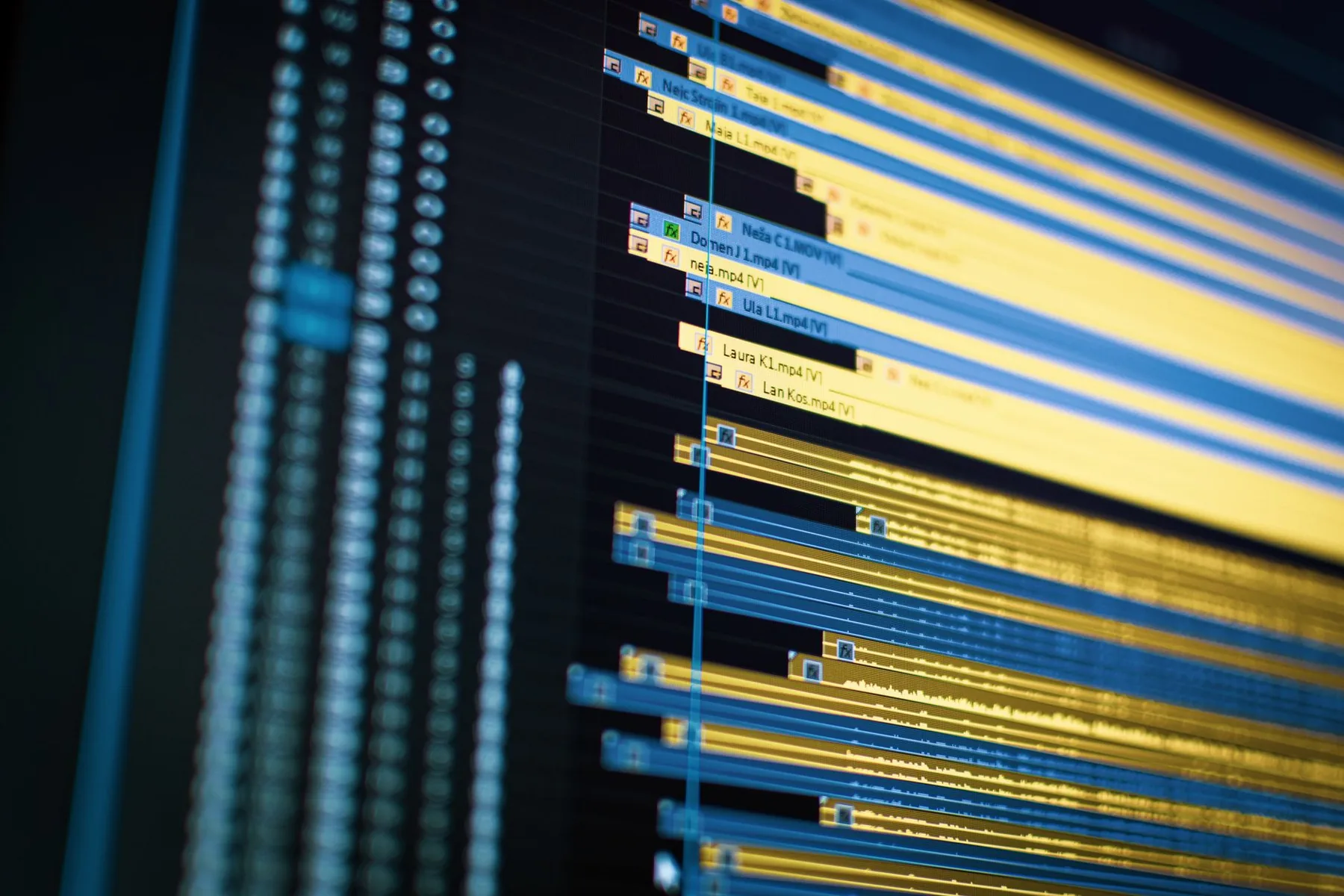
In conclusion, the digital transformation of creative tools has significantly affected electronic music. Digital tools give artists new opportunities for sound experimentation and make it easier to create innovative musical genres such as house and French Touch. They also allow musicians to work with greater precision and create more complex, distinctive works. With digital tools, electronic music continues to evolve and push the boundaries of creativity.
Social media and the transformation of artistic professions
Social media gives artists instant worldwide visibility, allowing them to share their work with large audiences and build a following. Through their online presence, they can reach international audiences and promote their work on a large scale.
The benefits of social media go further. Artists can also connect with other artists around the world, establish creative collaborations, and receive constructive feedback on their work. These interactions offer new perspectives and encourage the exchange of ideas, stimulating creativity.
However, the rise of streaming platforms and social media has also led to a decline in revenue from music sales and royalties. Artists must therefore find other sources of income to continue developing their careers and their art. Some turn to merchandise, touring, and advertising partnerships to diversify their income.
In conclusion, although social media offers unprecedented opportunities for visibility and collaboration, artists must adapt to a constantly changing environment to achieve artistic and financial success.
Conclusion
In conclusion, digital technology has had a considerable impact on the arts, particularly music and graphic arts. Technological advances have enabled artists to share their ideas and techniques easily, collaborate remotely with talented people around the world, and access a wide variety of sources of inspiration and projects. This digital revolution has opened up new opportunities and encouraged boundless creativity.
However, the emergence of artificial intelligence raises challenges for the future of artistic professions. Whether machines can rival human creativity remains an open question. Despite these challenges, artists can make full use of digital technology while preserving the integrity of their art. The music industry must find ways to ensure fair and sustainable compensation for artists.
In this new era of creativity, it is important to continue supporting artists and encouraging innovation. The digital revolution offers many opportunities to push the boundaries of art and create new interactive and immersive experiences. Creativity remains the driving force behind this transformation, and preserving this essential aspect of artistic expression is crucial in today’s digital world.
FAQ
How have new technologies transformed creative fields such as music and graphic arts?
Recent technological advances have enabled artists to share their ideas and techniques, collaborate more easily, and access a wide variety of sources of inspiration and projects from around the world. Digital creative tools have also sped up the artistic process and made it possible to create more complex works.
How has the digitization of creative tools affected artists?
Digital creative tools have enabled artists to work faster and more efficiently, produce more content, and create more precise and complex works. New digital tools also make it possible to experiment with new sounds and develop distinctive styles, such as electronic music.
How does social media affect artists?
Social media gives artists instant worldwide visibility, allowing them to share their work with large audiences and build a following. Artists can also connect with other artists around the world, collaborate, and receive constructive feedback on their work.
What opportunities and challenges does social media present for artists?
Social media offers artists many opportunities, but it has also contributed to a decline in revenue from music sales and royalties. Artists therefore need to diversify their income through merchandise, touring, and advertising partnerships.
What is the overall impact of digital technology on the arts?
Digital technology has transformed the arts by offering new opportunities for creativity, collaboration, and sharing. However, the arrival of artificial intelligence raises questions about the future of artistic professions. Despite these challenges, supporting artists in this new era of creativity. is essential.