
The fusion of the senses between visual art and music brings these two forms of artistic expression together. This artistic fusion creates a profound interaction between the senses and offers a multidimensional sensory experience. Synesthesia, in which visual and auditory sensations respond to one another, plays a key role in this audiovisual harmony.
This artistic fusion can take various forms, including the graphic score, musical theater, the sound installation and film. Renowned artists such as Marcel Duchamp, Erik Satie, John Cage and Yannis Xenakis explored these possibilities, pushing the boundaries of composition and artistic expression in every dimension.
By creating multidimensional artworks, the fusion of the senses opens up new creative possibilities and offers viewers an immersive, transformative experience. The interaction between visual art and music creates a total work of art, engaging every sense to stir deep emotions in the audience.
In the following sections, we will explore different forms of sensory fusion in detail, including graphic scores, sound installations and the integration of opera into visual art. Discover how this artistic fusion crosses the boundaries between disciplines and creates a new vision of art.
Graphic scores
The graphic score is a form of artistic expression that combines music, text and visual art. Artists such as Marcel Duchamp and Erik Satie used graphic scores to push beyond the traditional appearance of written music. Graphic scores challenge the conventions of classical notation and offer a more versatile, visually expressive approach.
Marcel Duchamp, known for his groundbreaking work “The Bride Stripped Bare by Her Bachelors, Even,” created graphic scores that go beyond the conventions of traditional musical notation. His compositions, such as “Erratum Musical” (1913), combine graphic and textual elements and invite performers to interpret the music subjectively.
Erik Satie, the celebrated French composer, also used graphic scores in his compositions, notably in “Vexations” (1893). His scores featured detailed visual and textual instructions that went beyond musical notes alone, creating an innovative musical experience.
Contemporary artists such as Yannis Xenakis have also used graphically controlled synthesizers to explore the connections between sound and image. By using mathematical graphics to generate musical compositions, Xenakis connected visual art and music, opening up new avenues for artistic expression.
Graphic scores transform the appearance of written music: they invite subjective interpretation and open up new possibilities for artistic expression. They bring together music, text and visual art in harmony.
Examples of graphic scores
| Artist | Work | Description |
|---|---|---|
| Marcel Duchamp | Erratum Musical (1913) | A combination of graphic and textual elements that goes beyond the conventions of musical notation. |
| Erik Satie | Vexations (1893) | Detailed visual and textual instructions for an innovative musical experience. |
| Yannis Xenakis | Synthesizer | The use of graphically controlled synthesizers to explore the connections between sound and image. |
Graphic scores offer a new artistic perspective by combining music, text and visual art. They challenge the conventions of classical notation and allow for a more visually expressive and versatile approach to musical composition. Visionary artists such as Marcel Duchamp, Erik Satie and Yannis Xenakis used them to push the boundaries of art and create unique works that captivate the audience’s senses and imagination.
The idea of a “total work of art”
The idea of a “total work of art” goes back to the work of Richard Wagner and Arnold Schoenberg, two visionary artists who sought to cross the boundaries between different forms of artistic expression. They explored the connections between music, painting, poetry and dance, creating integrated works that stir deep emotions in viewers.
“Total art is a harmonious synthesis of the different arts, in which each element draws strength from the others to create a work of great sensory richness.” — Richard Wagner
Wagner was an opera composer who sought to create complete artistic experiences in which the music, sets, costumes and stage performances complemented and strengthened one another. He pushed the boundaries of traditional opera by incorporating theatrical and visual elements into his productions.
Schoenberg, meanwhile, was both a composer and a painter who explored the connections between music and painting. He believed that art should express the whole soul and used music and painting to create works of great emotional intensity.
The idea of a “total work of art” influenced many later artists and artistic movements. Symbolist painters such as Gustave Moreau sought to create works that combined poetry, music and painting. Modern dancers such as Isadora Duncan also explored the fusion of the arts by bringing dance, music and poetry together in their performances.
The pursuit of audiovisual harmony
The aim of total art is to create audiovisual harmony, in which different artistic elements combine to form an immersive, emotional experience. Artists seek to make works that engage all the senses, using music, painting, poetry and dance to offer a multidimensional experience.
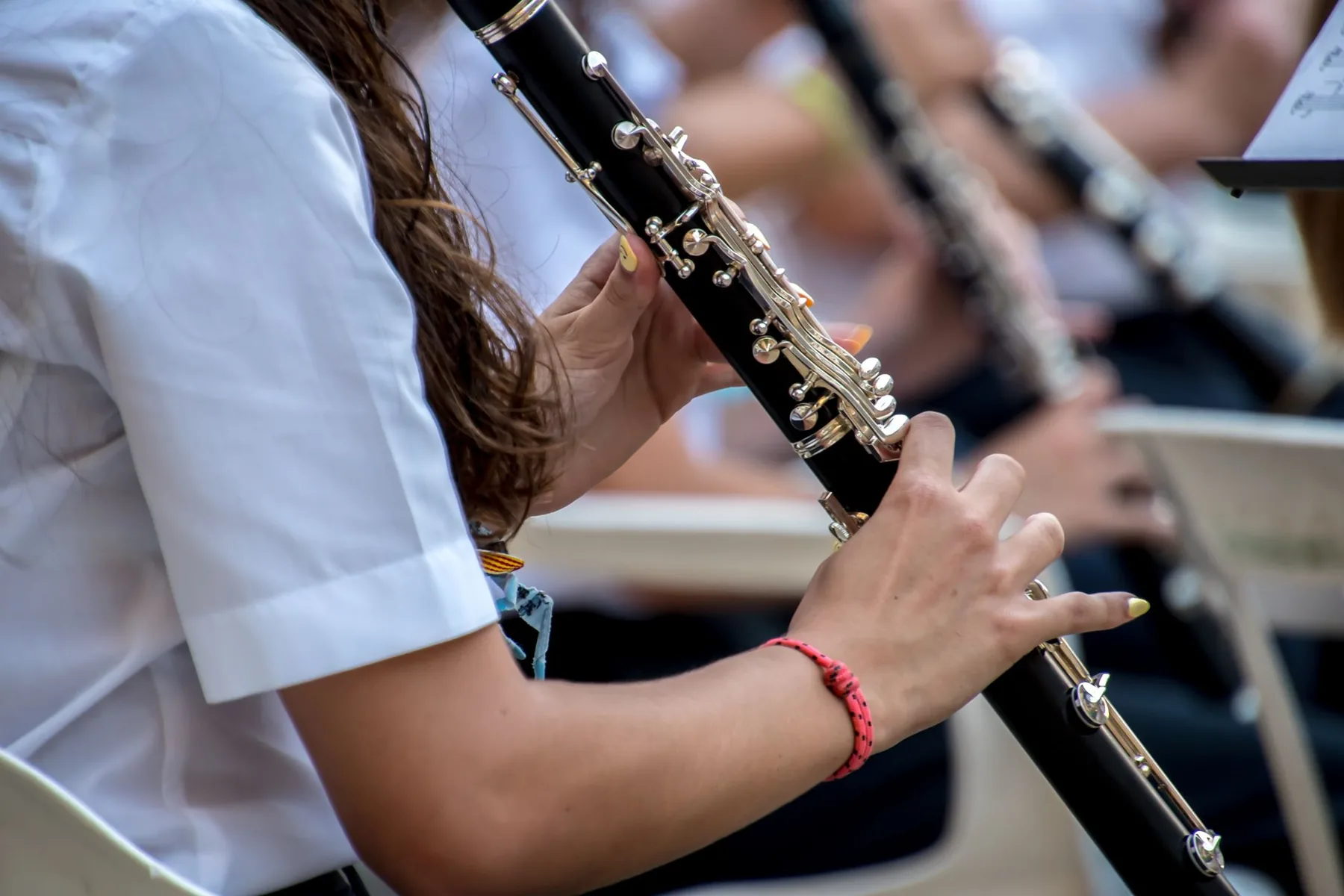
In this pursuit of total art, artists explore the connections between different forms of artistic expression. They seek to create works that cross the boundaries between music, painting, poetry and dance, offering a unique, transformative artistic experience.
- Music can inspire images and emotions that find expression in painting.
- Poetry can evoke movements and rhythms that find expression in dance.
- Dance can bring music and poetry to life, creating a complete, immersive experience.
These connections between forms of artistic expression lie at the heart of the idea of a “total work of art.” Artists seek to establish harmony between music, painting, poetry and dance, offering viewers an experience that stimulates every sense and stirs deep emotions.
An enduring legacy
The idea of a “total work of art” has left a lasting legacy in the art world. Many contemporary artists continue to explore the connections between the arts, creating works that bring together music, painting, poetry and dance.
Total art is an endless pursuit in which artists push the boundaries of artistic expression and seek to create works that engage every sense. It is a celebration of synesthesia, where visual and auditory sensations respond to one another to create a unique, transformative artistic experience.
The idea of a “total work of art” continues to inspire artists today and will inspire those of tomorrow. It encourages them to cross the boundaries between forms of artistic expression and create works that open up new creative and sensory possibilities.
Sound installations
The Dadaists experimented with sound as an artistic material, creating sound installations that combine graphic elements, video and sound. Advances in new technologies have enabled contemporary artists to create multidimensional works that draw on synesthesia and the interaction between the senses. Artists such as Nam June Paik and Hector Parra have explored these connections between sound and image, using video and color as means of artistic expression.
| Artists | Works |
|---|---|
| Nam June Paik | “TV Buddha” |
| Hector Parra | “Hypermusic Prologue: A projective opera in seven planes” |
Sound installations allow viewers to enter an immersive audiovisual environment where sound and image merge to create a unique sensory experience.
Integrating opera into visual art
As a total art form, opera fully integrates visual art. Sets, costumes and stage designs are essential elements that turn a performance into an immersive visual experience. Models and stage installations show how opera and visual art enrich one another, creating distinctive connections between image and sound, time and space.
The models used to design sets and costumes help artists visualize their plans and bring them to life. They provide an accurate preview of the visual elements that will appear onstage and allow designers to work closely with composers and librettists to create a visual experience that fits the opera’s story and music.
Stage installations, meanwhile, push the boundaries of opera by creating immersive visual environments that cross the divide between live performance and visual art. Contemporary artists such as Ernest Klausz, Bill Viola and Małgorzata Szczęską explore the connections between opera and visual art through their stage installations, bringing unique and captivating aesthetic experiences to life.
Integrating opera into visual art creates a synergy between creative elements and offers a multidimensional experience that stimulates the viewer’s senses. Costumes, sets and stage installations become vehicles for artistic expression that enrich and complement the opera’s music and story, creating a total work of art that captivates audiences.
By integrating opera into visual art, artists push beyond artistic conventions and create new forms of expression centered on the interaction between image, sound, time and space. This artistic fusion offers countless creative possibilities and allows audiences to have a profound sensory experience and emotional response when attending an opera.
Examples of artists combining opera and visual art:
| Artist | Work |
|---|---|
| Ernest Klausz | “Metamorphoses” stage installation |
| Bill Viola | “Tristan und Isolde” video installation |
| Małgorzata Szczęską | “Carmen” stage installation |
These artists push the integration of opera and visual art further by creating works that cross the boundaries between image and sound, as well as between time and space. They reinvent the opera experience through distinctive connections between music, stage design and visual aesthetics.
The pursuit of emotion
The concept of Opera as the World explores the fusion of the arts to stir emotion in viewers. Sets, voices, music, dance and the libretto are all essential to opera’s emotional experience. Synesthesia plays a key role in this pursuit of emotion: sight, hearing and even touch come together to create an immersive, harmonious experience.

Opera as the World is a multidimensional work of art that aims to move audiences deeply. Every aspect of the performance is carefully designed to awaken viewers’ emotions. Captivating sets create a rich visual world that complements the music and libretto. The singers’ powerful voices bring the characters to life and convey heartfelt emotions. Dance adds a physical dimension to the experience, using movement to express the most intense feelings.
“Opera is a total art form that crosses the boundaries between different forms of artistic expression. It is a universal language that speaks directly to the soul and heart.” — Opera artist
Music, the backbone of opera, is its most powerful means of stirring emotion. Expressive melodies, rich harmonies and compelling rhythms create an atmosphere that surrounds the audience. Every note and musical phrase is carefully composed to convey the full range of human emotion.
The libretto, meanwhile, is the canvas on which the opera’s story unfolds. Song lyrics, dialogue and monologues are written with poetic precision, allowing viewers to feel close to the characters and their emotions.
In its pursuit of emotion, opera creates a synesthetic experience in which the senses blend. The colors of the sets and costumes harmonize with the melodies. Dance movements follow the rhythm of the music. All these elements combine to offer an immersive sensory experience and transport viewers into a world where emotions come to life in a new form.
New spaces and transformed time
As a total work of art, opera is no longer confined to traditional theaters. It explores new spaces, pushes the boundaries of art and creates unprecedented immersive experiences.
Artistic commissions play an essential role in this transformation. Contemporary artists are invited to create works that push beyond traditional opera and incorporate new forms of artistic expression.
Technology also plays a fundamental role. Audiovisual equipment, digital projections and interactive installations transform the stage and create unique sensory experiences for audiences.
At the same time, opera takes a political stand by giving a voice to marginalized people. It becomes a space of resistance where social and political questions are addressed forcefully through art.
Opera thus crosses the boundaries between artistic disciplines and becomes a true total work of art, transforming time and space to offer a striking, immersive experience.
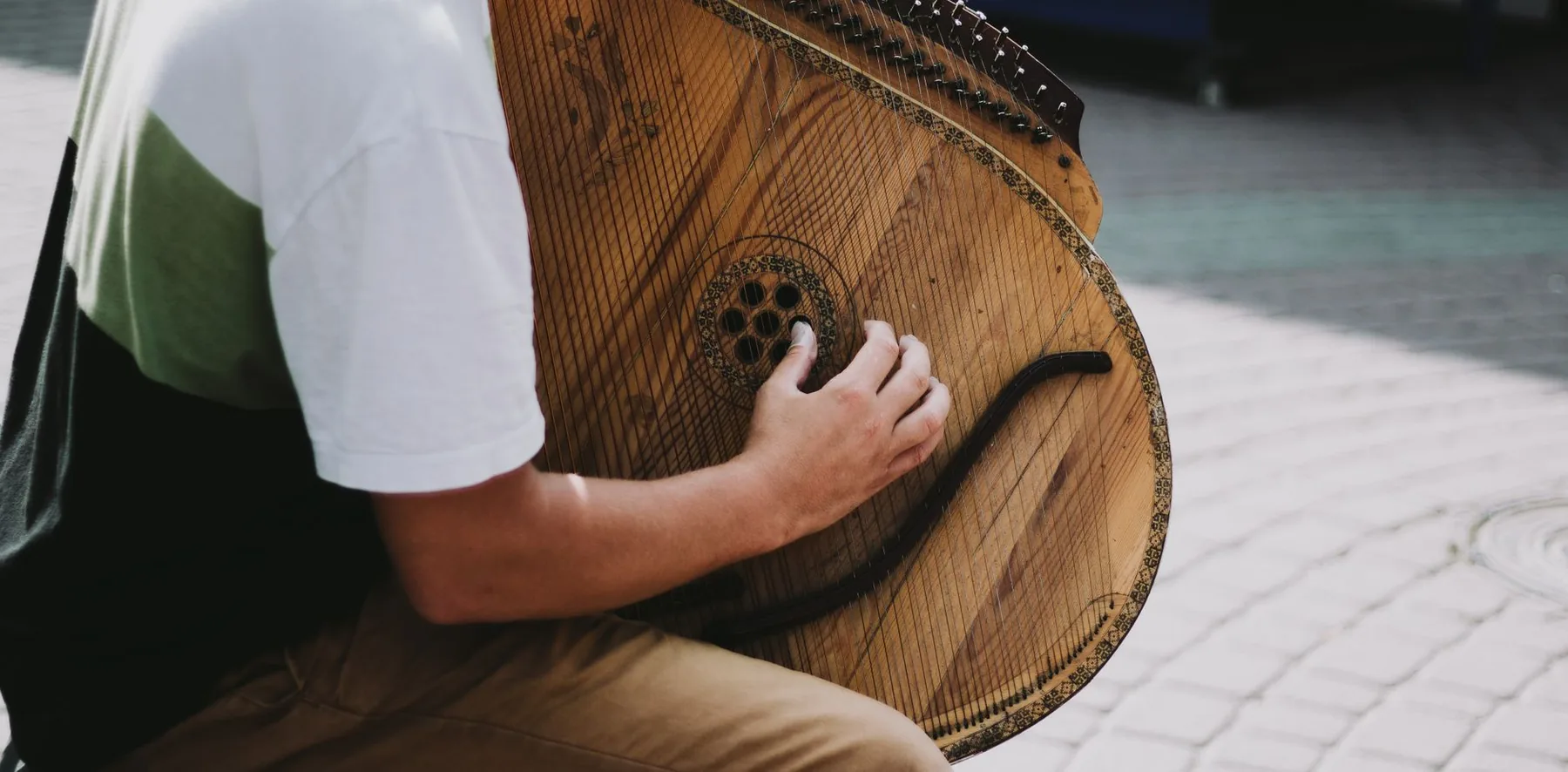
Innovation in performance spaces
New forms of artistic expression allow opera to explore unexpected performance spaces. Unconventional venues, such as warehouses, parks and abandoned buildings, become settings for contemporary opera productions.
This innovation in performance spaces creates a new interaction between the work and the place where it is presented. Audiences are immersed in the heart of the action, changing how they perceive traditional opera.
Political engagement in opera
Opera is no longer only a form of artistic expression; it is also a means of political engagement. Composers and directors use the art form to give minorities a voice and address contemporary social and political issues.
This political engagement appears both in the subjects of contemporary operas and in their artistic and staging choices. Opera thus becomes a space where marginalized voices can be heard and political ideas can be expressed creatively and powerfully.
Artistic commissions for opera
Artistic commissions play an essential role in the development of opera. Opera houses and festivals invite contemporary artists to create new works, pushing the boundaries of the art form.
These commissions allow composers, directors and stage designers to offer new artistic perspectives and rethink the conventions of traditional opera. Collaborations between artists from different disciplines give rise to innovative and surprising productions.
Conclusion
The fusion of the senses in visual art and music opens up new creative and sensory possibilities. Bringing music and visual art together gives rise to a total work of art that offers an immersive and deeply moving experience. Opera explores the connections between different arts, creating a harmonious world rich in sensory experience.
Synesthesia plays a central role in this fusion of the senses: visual and auditory sensations respond to one another to create a unique, transformative artistic experience. By stimulating every sense, opera offers an experience that crosses the boundaries between artistic disciplines and transports audiences into a captivating creative world.
In conclusion, the fusion of the senses in visual art and music adds a new dimension to artistic creation. As a total work of art, opera embodies this fusion and offers a complete, immersive artistic experience. Through graphic scores, sound installations and the integration of opera into visual art, sensory fusion pushes the boundaries of art and creates works that go beyond traditional ways of perceiving it.
FAQ
What is the fusion of the senses in visual art and music?
The fusion of the senses brings visual art and music together, combining the two forms of expression to create a multidimensional experience. It can take different forms, including the graphic score, musical theater, the sound installation and film.
What is a graphic score?
A graphic score is an art form that combines music, text and visual art. Artists such as Marcel Duchamp and Erik Satie used it to push the boundaries of traditional musical notation. Graphic scores challenge its conventions by offering a more versatile, visually expressive approach.
What is a total work of art?
A total work of art is an idea that explores the fusion of different forms of artistic expression, including music, painting, poetry and dance. Artists such as Richard Wagner and Arnold Schoenberg sought to bring these arts together in their work, exploring the connections between sound and image and challenging traditional boundaries between the arts.
How do contemporary artists explore the fusion of the senses?
Contemporary artists use new technologies to create multidimensional works that draw on synesthesia and the interaction between the senses. They experiment with sound as an artistic material and use sound installations that combine graphic elements, video and sound. Artists such as Nam June Paik and Hector Parra explore the connections between sound and image.
How does opera integrate visual art?
Opera integrates visual art through sets, costumes and stage design. Artists such as Ernest Klausz, Bill Viola and Małgorzata Szczęską push the boundaries of this integration by creating works that cross the divide between image and sound, as well as between time and space.
Why is emotion important in opera?
Opera seeks to stir emotion in viewers through sets, voices, music, dance and the libretto. Synesthesia plays a key role in this pursuit of emotion: sight, hearing and even touch come together to create an immersive, harmonious experience.
How does opera explore new spaces and transform time?
Opera moves into new spaces outside traditional theaters, commissions contemporary artists and uses technology to create immersive experiences. This allows it to push the boundaries of art, engage politically and create spaces of resistance where marginalized voices can be heard.
What is the value of fusing the senses in visual art and music?
The fusion of the senses opens up new creative and sensory possibilities. Combining music and visual art creates multidimensional works that engage every sense and stir deep emotions in audiences. As a total work of art, opera explores the connections between different arts and offers a unique, immersive and transformative experience.