
In the vast world of the performing arts, artistic performance is an immersive experience that combines music and visual theatre to create a distinctive theatrical aesthetic. It allows musical interaction and boundless creativity on stage, offering a captivating and dynamic artistic experience.
Artistic performance is part of the live arts, where every element, from music and sets to movement on stage, works in harmony with the others to form an inseparable whole. It is an art form that pushes boundaries and invites audiences to engage actively in the creative process, creating a genuine connection between artists and spectators.
This first article explores the origins of artistic performance, focusing on its emergence through Futurism, Dadaism and Surrealism. We will discover how these movements shaped performance art and paved the way for new forms of expression.
The beginnings of performance art
The Italian Futurists, led by Filippo Tommaso Marinetti, and the Russian Futurists played an important role in the emergence of performance art. They wrote manifestos and experimented with new forms of artistic expression, including variety theatre and the exploration of sound. Their approach broke with convention and encouraged a new form of performance that stood on its own, independent of traditional theatre and visual art.
The Futurist Manifesto
The Futurist Manifesto, published in 1909 by Filippo Tommaso Marinetti, laid the foundations of the Futurist movement. It called for a new artistic aesthetic that embraced modernity, speed and technology. The Futurists rejected the artistic conventions of the past and encouraged new forms of expression, including variety theatre, the art of noise and geometric gesticulation.
Variety theatre
Variety theatre, also known as a variety show, is a form of performance that brings together different acts, including acrobats, jugglers, musicians and singers. The Futurists explored this theatrical form to create lively, stimulating shows. They used simultaneity and interaction between acts to captivate audiences.
The Art of Noise
The Art of Noise was a Futurist concept that explored sound and the musical potential of the modern world. The Futurists created performances using unconventional noises and industrial sounds to produce distinctive sensory experiences. This new use of sound opened up fresh possibilities for music and performance.
Geometric gesticulation
Geometric gesticulation was a Futurist performance technique that used abstract, angular body movements to express emotions and ideas. Futurist artists developed choreography based on geometric shapes and symbolic gestures, creating a dynamic visual language in their performances.
Super-puppets
Super-puppets, also called “mechanical puppets”, were a form of Futurist performance that used mechanised puppets to create visually captivating shows. The Futurists experimented with large mechanical puppets controlled by complex systems to create innovative, futuristic theatre.
Simultaneity
Simultaneity was a key concept in Futurist performance. Artists sought to present many sensations and experiences on stage at once, creating performances that encompassed several art forms and fully engaged the audience’s senses. Simultaneity allowed spectators to immerse themselves in a complete artistic experience.
| Concepts | Examples |
|---|---|
| Variety theatre | Varied acts, acrobatics, jugglers, musicians, singers |
| The Art of Noise | Unconventional sounds, industrial noises |
| Geometric gesticulation | Abstract body movements, choreography based on geometric shapes |
| Super-puppets | Large mechanised puppets |
| Simultaneity | Multiple artistic experiences presented on stage at the same time |
Performance art and the Dada movement
The Dada movement, born at the Cabaret Voltaire in Zurich, greatly influenced the development of performance art. Rebelling against academicism and artistic conventions, the Dadaists encouraged experimentation and challenged established norms. Their movement lasted about four years, from 1916 to 1920, and was marked by evenings at the Cabaret Voltaire featuring music, dance, manifestos and painting.
The Dadaists, or Dadas, were strongly influenced by the Futurists and their search for new forms of artistic expression. They incorporated geometric gesticulation and chance into their performances, helping performance art develop as an independent discipline. The influence of the Dada movement also extended to Surrealism, an artistic movement that gained momentum after Dadaism ended.
“We were Dadaists to the point of belonging not only to Dada, but also to Dadaism.” — Tristan Tzara
The Dada movement opened up new artistic possibilities and pushed beyond the limits of traditional art. It helped create an environment that encouraged experimentation and interaction between forms of artistic expression. The Cabaret Voltaire became a landmark where Dada artists gathered to express their distinctive, revolutionary artistic vision.
Among the best-known Dadaists were Tristan Tzara, Hans Arp, Sophie Taeuber-Arp, Marcel Duchamp and Francis Picabia. Their approach to art had a notable influence on Surrealism, an artistic movement that emerged in the 1920s. Surrealism adopted some Dadaist ideas and techniques, particularly the use of chance, dreams and the unconscious in artistic creation.
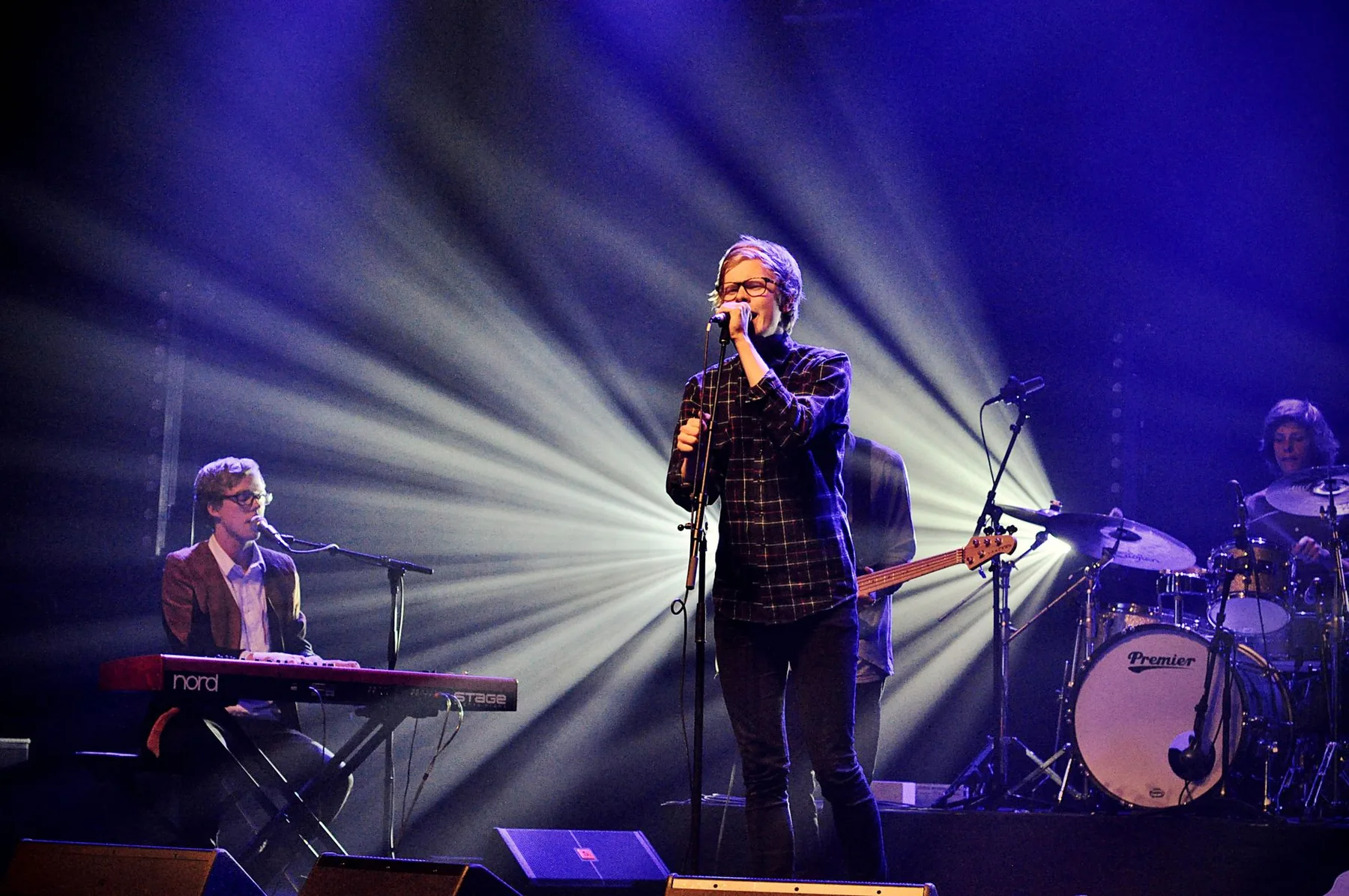
Fuelled by the rebellious energy of the Dada movement, performance art thus played an essential role in challenging artistic conventions and the emergence of a new, independent art form. The Dadaists helped create an environment that encouraged creative daring and inspired many artists to push the limits of performance, leaving a lasting mark on the art world.
Performance art in the Surrealist movement
The Surrealist movement, which grew partly out of Dada, also contributed to the development of performance art. Surrealist artists organised evenings at the Cabaret Voltaire in Zurich, presenting performances that combined music, dance, poetry, painting, masks and costumes. The musician Erik Satie created furniture music during this period, and the ballet Parade was created through a collaboration between Picasso, Satie, Cocteau and Massine. Body art also played an important role in the Surrealist movement.
Inspired by ideas about the unconscious and dreams, the Surrealist movement gave rise to distinctive, provocative performances. Surrealist artists such as Salvador Dalí, André Breton and Max Ernst used performance to explore the depths of the human mind and the workings of psychic automatism. They sought to free the imagination from the constraints of reason and revolutionise traditional forms of artistic expression.
“Thought, at every moment, must invent its own logic, grow accustomed to the incongruity of facts and to insoluble problems.”
Surrealist performances were often nonlinear and fragmented, inviting spectators to participate actively in the artistic experience. They drew on chance, disorientation and surprise to provoke deep emotions and reflection. Body art, particularly the artists’ physical actions and gestures, was often incorporated into performances, adding a bodily and sensory dimension to the experience.
| Surrealist artist | Notable performances |
|---|---|
| Salvador Dalí | The Naked Feast |
| Man Ray | Ingres’s Violin |
| René Magritte | The Voice of the Air |
Surrealist performances also influenced other art forms, including Surrealist cinema and sound poetry. Collaborations between artists from different disciplines produced transgressive and innovative works. The Surrealist movement thus helped performance art evolve as a means of exploring the unconscious and expressing the imagination freely.
Conclusion
Performance art is an art form in its own right that emerged through revolutionary movements such as Futurism, Dadaism and Surrealism. These movements broke with the conventions of traditional art by pushing the limits of artistic expression.
Today, performance art holds an important place in contemporary art. It continues to challenge established artistic conventions and explore new forms of expression. Performance art plays a crucial role in the modernity of art by offering a distinctive, creative artistic experience for artists and audiences alike.
The impact of performance art on contemporary art is undeniable. It opens new avenues for expression and stimulates innovation. By encouraging interaction between artists and audiences, it creates more immersive and stimulating artistic experiences. Performance art pushes the limits of creativity and enables a bold exploration of modernity in art.
FAQ
What is performance art?
Performance art is a practice that crosses disciplinary boundaries and occupies a space between theatre and the visual arts. It pushes the limits of traditional art by encouraging encounters between artists from different backgrounds and involving audiences in the artistic process.
Which artistic movements gave rise to performance art?
Movements such as Futurism, Dadaism and Surrealism played a major role in the emergence of performance art. They challenged artistic conventions and encouraged experimentation with new forms of expression.
How did the Futurists contribute to performance art?
The Italian and Russian Futurists, led by Filippo Tommaso Marinetti, wrote manifestos and experimented with new forms of artistic expression, including variety theatre and the exploration of sound. Their approach encouraged a new form of independent performance, separate from traditional arts.
What role did the Dada movement play in performance art?
The Dada movement, born at the Cabaret Voltaire in Zurich, challenged artistic conventions and encouraged experimentation. It contributed to the development of performance art by organising evenings featuring different art forms, including music, dance, manifestos and painting.
How did the Surrealist movement influence performance art?
The Surrealist movement, which grew partly out of Dada, also contributed to the development of performance art. Surrealist artists organised evenings at the Cabaret Voltaire in Zurich, presenting performances that combined music, dance, poetry, painting, masks and costumes. Body art also played an important role in the movement.
What place does performance art hold in contemporary art?
Today, performance art holds an important place in contemporary art. It challenges artistic conventions and allows artists to explore new forms of expression. It continues to influence modern art and offers a distinctive, creative artistic experience.