
Music and painting are two complementary forms of artistic expression. Music plays an essential role in painters’ creative process through its ability to stimulate creativity and evoke deep emotions. It opens the door to imagination, encourages artistic expression and offers an endless source of inspiration.
Artists draw inspiration from music to create unique, evocative works. Different tones, lively or soothing rhythms, and complex or simple chords can all influence a painter’s artistic choices. Music can accompany painters throughout their creative process.
Music evokes a range of intense emotions, from joy to sadness and from excitement to calm. These emotions can be a valuable source of inspiration for painters who seek to express them in their work. Music can also act as a catalyst for creativity in other artistic fields, such as writing, sculpture and photography.
To explore the relationship between music and painting further, we will examine music’s influence on creativity in painting, its use as a source of inspiration, its role in other artistic fields, the creative process of combining music and painting in live performances and, finally, how audiences interpret that combination.
The influence of music on creativity in painting
Music has the power to evoke strong emotions and nourish artists’ imaginations. Every note, chord and rhythm can transport them into unexplored territory. Painters can draw on this palette of emotions to create unique works.
Music stimulates creative thinking, opens up new perspectives and makes it possible to approach problems from different angles. It frees the mind, improves concentration and encourages the exploration of new ideas. Bringing music and painting together unites these two forms of artistic expression to create captivating experiences. By linking the emotions music evokes with their visual expression, painters can create works that transcend the limits of language and perception.
“Music is a voice for expressing the inexpressible, a way to convey emotions that cannot be put into words. When I paint while listening to music, I feel a deep connection between the two arts. Music inspires me and guides my brushes, bringing my ideas to life on the canvas.” — Marie-Claire, painter.
Music also brings a sense of time to painting. Changes in rhythm and tempo can influence a work’s movement and composition. Artists can synchronize their gestures with the music, creating a visual dance on the canvas.
Some studies have even shown that music can improve cognitive abilities and concentration, thereby increasing artistic productivity and creativity. Painters can incorporate music into their creative process to stimulate their imagination and explore innovative new ideas.
Music therefore plays a crucial role in the creative process of painting. It inspires artists, stimulates their imaginations and nourishes their creativity. By combining music and painting, artists create unique, captivating experiences that transport viewers into a world of visual and auditory emotion.
Music as a source of inspiration in painting
Music can be a valuable source of inspiration for painters. The emotions it conveys can be translated into visual works that capture their essence through shape and color. Painters can listen to different genres of music to explore new moods and expand their creative range. Musical inspiration can give rise to original ideas and broaden their artistic horizons.
By listening to music as they work, painters can forge a deep connection between their art and the emotions they feel. Melodies, lively rhythms or evocative lyrics can conjure mental images that become shapes, colors and textures on the canvas. Music can act as a catalyst for inspiration and add another dimension to artistic creation.
For example, an artist might listen to classical music and draw elegant, timeless inspiration from it, expressing it through gentle lines and delicate colors. Conversely, more energetic, rhythmic music, such as rock or jazz, may stimulate their creativity and lead them to use bright colors and dynamic shapes.
“Music is a universal language that transcends linguistic and cultural boundaries. By incorporating music into their creative process, painters can express emotions and ideas in a unique way, offering viewers an enriching visual and auditory experience.”
Musical inspiration in painting can also help overcome creative blocks. When ideas do not come naturally, music can free the mind and open up new creative paths. Listening to inspiring melodies can spark associations, mental images and creative impulses.
For some artists, creating a work while listening to music is a simultaneous process in which the movements of the brush follow the musical rhythm. This combination of music and painting produces a unique visual and auditory harmony, a true artistic symphony for the eyes and ears.
Musical inspiration in painting offers endless artistic possibilities. Painters can discover new creative directions by listening to nostalgic melodies, unfamiliar rhythms or complex harmonies. Music can inspire abstract compositions, expressive portraits or evocative landscapes. It opens up a world of possibilities and nourishes artists’ imaginations.
| Benefits of musical inspiration in painting |
|---|
| Stimulates creativity |
| Creates a deep emotional connection |
| Encourages exploration of new moods |
| Expands the creative range |
| Helps overcome creative blocks |
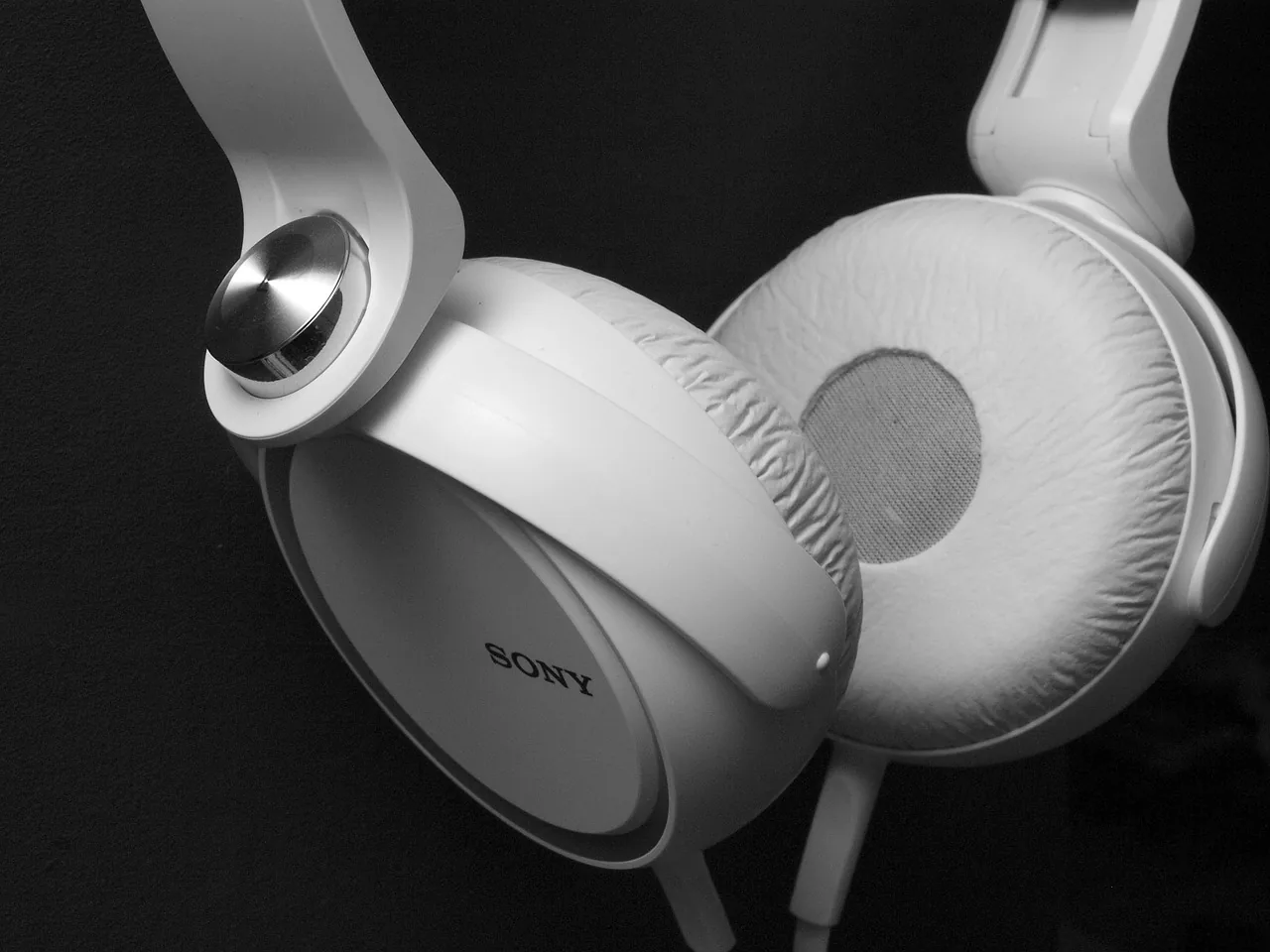
Musical inspiration in painting creates a close connection between two forms of artistic expression. It shows that music and painting are complementary languages that enrich one another. By exploring this relationship, artists can push the boundaries of their creativity and offer unique, captivating works of art.
Music and creativity in other artistic fields
Music’s influence is not limited to painting: it can also encourage creativity in other artistic fields. Writers often use music to create an atmosphere conducive to writing. Visual artists can also draw on it to create sculptures, photographs and other works. In addition, studies have shown that listening to music can stimulate creativity in fields such as scientific innovation.
“Music is an endless source of inspiration for my artistic creations. I use it to create an emotional atmosphere that allows me to connect deeply with my art.” — Marie Lefebvre, visual artist
Music is a universal language that transcends boundaries and artistic disciplines. It creates a connection between different forms of expression, encouraging the exploration of new ideas and the emergence of original perspectives. Using it in other artistic fields can broaden creative horizons and enrich the artistic experience.
Using music in writing
Writers often turn to music for inspiration and to create an atmosphere conducive to writing. Music can evoke particular emotions, establish a mood and help set the tone of a story. Some authors listen to music while writing and use its rhythms and melodies as a backdrop for their words. Music can also help them enter a creative state of mind, free their imaginations and nourish their inspiration.
Musical inspiration in the visual arts
Visual artists often find the inspiration to create sculptures, paintings, photographs and other works in music. Music can evoke images and colors, and artists draw on these associations to create unique works. Its rhythms and harmonies can influence composition and the movement of forms. Visual art inspired by music offers a multidimensional aesthetic experience that engages both sight and hearing.
Artistic music therapy
Artistic music therapy is a practice that uses music as a means of expression and healing. It combines the benefits of music and art to encourage emotional exploration, creativity and personal transformation. Artistic music therapy can be used in various settings, including individual or group therapy and hospitals. It offers a nonverbal means of expression through which people can communicate their emotions and experiences using music and visual art.
| Artistic field | Use of music |
|---|---|
| Writing | Creating an atmosphere conducive to writing and stimulating the imagination. |
| Visual arts | Inspiring the creation of unique works and connecting music with images. |
| Artistic music therapy | Using music and art to encourage emotional exploration and healing. |
Music and creativity are closely linked and nourish different forms of artistic expression. In writing, the visual arts or artistic music therapy, music opens up new creative possibilities and offers a unique aesthetic experience.
The creative process of combining music and painting in live performances
Combining music and painting in live performances creates a unique immersive experience. Artists collaborate to bring music and painting together in complementary ways. Improvisation plays an important role in this process: it lets them respond instantly to one another to create a harmonious performance. Synesthesia, which links the senses, also plays an important role, as audience members may associate particular colors with sounds or musical notes.

| Benefits of combining music and painting in live performances: | Examples of well-known performances: |
|---|---|
|
|
Combining music and painting creates a unique artistic experience for artists and audiences. Live performances allow artists to collaborate and explore new forms of creative expression. They can respond instantly to one another and create a performance that brings music and painting together harmoniously. Synesthesia also plays an important role in this experience: audience members associate particular colors with musical sensations, creating a multisensory experience.
How audiences interpret the combination of music and painting
Performances that combine music and painting evoke intense emotional responses from audiences. Each viewer can interpret the combination in their own way. Bringing music and painting together engages several senses at once and intensifies the audience’s emotional experience. This multisensory interaction creates a rich, complex artistic experience in which emotions and sensations combine to produce a captivating visual and auditory spectacle.

Multisensory experience
Interpreting the combination of music and painting opens the way to a multisensory experience. Viewers are immersed in a world where sounds and colors mingle to create a unique atmosphere. As they listen to music and look at a painting at the same time, they experience a range of emotions and sensory impressions. Sight and hearing interact, creating an immersive artistic experience.
“Combining music and painting creates a multidimensional experience that allows audiences to feel and understand art in a new and profound way.”
Personal interpretation
Each person interprets the combination of music and painting in their own way, according to their experiences, background and emotions. The same painting and the same music may evoke different reactions in different viewers. Some may feel inspired, while others may be moved. This diversity of interpretations highlights the subjective nature of art and encourages discussion and exchange among viewers.
“Personal interpretation is the key to appreciating art. Each viewer brings their own meaning and feelings to the combination of music and painting.”
The artist’s influence
How audiences interpret the combination of music and painting is also influenced by the artist. Their artistic choices, techniques and intentions can guide the audience’s perception. The artist creates a work with a particular intention while leaving room for the viewer’s interpretation and imagination. This interaction between the artist, the work and the audience adds another dimension to the combination of music and painting.
Comparison table
| Interpretation | Viewer A | Viewer B | Viewer C |
|---|---|---|---|
| Emotion | Wonder | Melancholy | Joy |
| Interpretation | A mystical journey | A reflection on life | A celebration of nature |
| Colors | Bright, vibrant tones | Dark, deep shades | Soft pastel colors |
| Music | A haunting tune | A melancholy melody | An upbeat rhythm |
Conclusion
Combining music and painting offers an inexhaustible source of inspiration and stimulates the creative process in painting. Exploring the connections between these two arts shows how music adds an auditory dimension to the experience of visual art. It allows artists to draw on an endless reservoir of emotions and sensations to create unique, captivating works.
Music acts as a catalyst for creativity: it opens the door to imagination and frees artists from their inhibitions. It evokes a wide variety of emotions, from joy to sadness and from exhilaration to contemplation. These deep emotions nourish the creative process, inspire innovative ideas and bring a unique perspective to each work of art.
Performances combining music and painting push beyond traditional artistic boundaries and offer captivating multisensory spectacles. Viewers are immersed in an artistic experience that engages both sight and hearing, creating a powerful interaction between the audience, the artists and the work of art as it takes shape. This interaction encourages personal interpretation and gives rise to a wide range of artistic experiences.
The future of this innovative trend promises new art forms and possibilities of expression yet to be explored. The combination of music and painting will continue to evolve and reinvent itself, producing ever bolder and more inspiring artistic experiences. By embracing this convergence of the arts, we discover a world of endless expressive possibilities, where music and painting meet to create a universal language of creativity and beauty.
FAQ
What impact does music have on the creative process in painting?
Music plays an essential role in the creative process of painting. It stimulates creativity, opens the door to imagination and encourages artistic expression.
How does music influence creativity in painting?
Music can evoke strong emotions in artists, nourish their imaginations and stimulate their creative thinking. It frees the mind, improves concentration and encourages the exploration of new ideas.
How can music inspire painters?
Music can be a valuable source of inspiration for painters. The emotions it conveys can be translated into visual works that capture their essence through shape and color. Painters can listen to different genres of music to explore new moods and expand their creative range.
Does music also encourage creativity in artistic fields other than painting?
Yes, music can encourage creativity in other artistic fields, such as writing, sculpture, photography and other forms of visual art. Studies have also shown that listening to music can stimulate creativity in fields such as scientific innovation.
How are music and painting combined in live performances?
In live performances, combining music and painting creates a unique immersive experience. Artists collaborate to bring these two arts together in complementary ways. Improvisation plays an important role in this process: it lets them respond instantly to one another to create a harmonious performance.
How do audiences interpret the combination of music and painting?
Each viewer can interpret the combination of music and painting in their own way. It engages several senses at once and intensifies the audience’s emotional experience. This multisensory interaction creates a rich, complex artistic experience in which emotions and sensations combine to produce a captivating visual and auditory spectacle.
What is the overall impact of combining music and painting on the creative process in painting?
Combining music and painting has a profound impact on the creative process in painting. It stimulates creativity, evokes emotions and encourages artistic expression. It brings a new dimension to art, engages several senses at once and creates rich, complex artistic experiences.