
The art of music and the art of sculpture come together in a unique harmony that connects sound and form. This artistic fusion explores the interplay of sound and visual elements, opening new paths for artistic experimentation. Contemporary artists have explored the possibilities of this artistic collaboration extensively, creating works that reveal a new dimension of artistic experience by bringing contemporary music together with contemporary sculpture.
Contemporary artists explore the possibilities of this artistic collaboration, creating works that invite viewers to experience sound and sight together. Sound art and visual art come together to create an immersive experience in which sound and form interact, giving rise to new forms of artistic expression.
The history of the relationship between music and sculpture
As early as the 16th century, the artist Arcimboldo proposed a system of correspondences between shades ranging from black to white and the pitches of sounds. During the 19th century, many artists and musicians investigated the relationship between sound and color through research and experimentation. Synesthetic thinking encouraged the exploration of combined forms of expression and associations between sounds and images, paving the way for closer collaboration between music and sculpture. Artists such as Wassily Kandinsky and Alexander Scriabin explored this connection between music and visual art.
The development of interdisciplinary art
The history of the relationship between music and sculpture spans centuries of artistic exploration. These two art forms have influenced each other, adding a new dimension to artistic experience. Artists have sought to bring together auditory and visual perceptions, creating a harmony between sound and form.
“Art is a harmony between the soul and the body.” — Wassily Kandinsky
Exploring the senses
The relationship between music and sculpture goes beyond simple artistic collaboration. It is a fusion that engages the senses and creates distinctive experiences for viewers. Contemporary artists continue to explore this complex relationship and push the boundaries of creativity.
Artistic fusion
- Music and sculpture
- Interdisciplinary art
- Artistic fusion
- Exploring the senses
| Artists | Music | Sculpture |
|---|---|---|
| Wassily Kandinsky | Abstract art | Geometric forms |
| Arcimboldo | Correspondences between sounds and colors | Portraits composed of objects |
| Alexander Scriabin | Synesthetic music | Melodic forms |
Abstract art and music: a beautiful artistic harmony
Abstract art and music share an artistic harmony. Although they are different forms of expression, both can stir emotions in us. Abstract art seeks to express emotions through shapes and colors. Many abstract artists find inspiration in music, which can evoke abstract images and creative ideas. The connections between abstract art and music take many forms: each can nourish creativity in the other.
Abstract artists explore the boundaries of artistic expression and seek to convey emotions and sensations without figurative representation. The shapes and colors used in abstract art often prompt emotional responses in viewers similar to those inspired by music. Music, in turn, can communicate emotions and sensations without words, creating a profound sensory and emotional experience.
Music is a universal language that transcends linguistic and cultural barriers. Abstract art, meanwhile, seeks freedom from the constraints of realistic representation, offering room for creation and interpretation.
This fusion of the senses between abstract art and music allows viewers to experience a range of emotions and sensations. Abstract artworks can evoke rhythms, melodies or musical moods, while music can inspire visual forms, movements or textures. This collaboration between abstract art and music creates an immersive artistic experience that reaches beyond each individual sense.
Abstract art and modern music
In the world of modern art, many abstract artists have drawn inspiration from music to create their works. Wassily Kandinsky, a Russian artist and pioneer of abstract art, is known for paintings that seem to translate musical harmonies and dissonances into visual form. He even developed a theory about connections between the arts that explores correspondences between visual art and music.
To illustrate this fusion of the senses between abstract art and music, the following table compares the similarities and differences between these two forms of artistic expression:
| Abstract art | Music |
|---|---|
| Seeks to express emotions through shapes and colors | Evokes emotions through notes, rhythms and harmonies |
| Visual creation | Auditory creation |
| Subjective interpretation by the viewer | Subjective interpretation by the listener |
| Visible, static works | Fleeting music that unfolds over time |
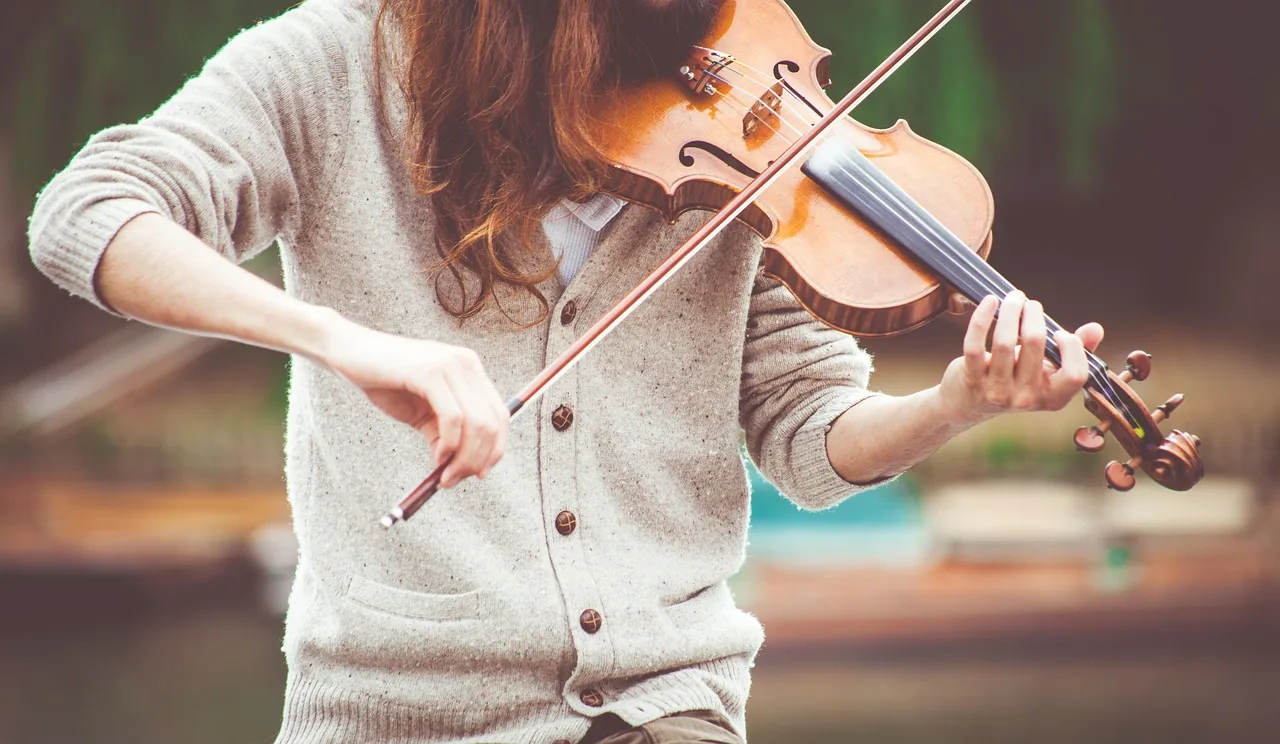
Although abstract art and music use different means of expression, both can move beyond words and stir deep emotions in viewers and listeners. Their collaboration creates a distinctive and enriching artistic experience.
In conclusion, abstract art and music meet in a beautiful artistic harmony. Both can awaken emotions and forge deep connections with viewers or listeners. Their fusion of the senses offers a new perspective on artistic exploration and opens new horizons for contemporary creators.
Musical inspiration in abstract painting
Music is a major source of inspiration for abstract painters. Depending on the style of music they hear, painters may feel emotions and imagine abstract images that inspire their work. Artists such as Wassily Kandinsky created many works while allowing music to guide them. Music influences an artist’s creative process and can give an abstract work a particular direction.
Music and abstract painting are closely connected: artists draw inspiration from music to express their emotions and create distinctive abstract forms. Rhythms, harmonies and melodies can evoke visual images and sensations that go beyond words. Abstract painters use this inspiration to translate musical vibrations into colors, lines and shapes on canvas.
“Music begins where the power of words ends.” — Richard Wagner
During their creative process, abstract painters may choose different musical styles according to the emotion or atmosphere they want their art to convey. Classical music, for example, may evoke grace and elegance, while a more energetic rhythm may encourage a more dynamic exploration of abstract colors and forms.
Abstract painters often feel a deep connection between music and their own artistic expression. Sound vibrations become creative impulses, generating spontaneous movements and compositions on the canvas. This fusion of music and abstract painting allows viewers to enter a sensory world where emotions and ideas intertwine.
The influence of musical styles on abstract painting
Different musical styles can influence abstract painting in particular ways. For example:
- Classical music can inspire harmonious, balanced compositions with gentle lines and delicate colors.
- Jazz can inspire more dynamic works, with complex rhythms and strong contrasts between colors and shapes.
- Electronic music can prompt futuristic abstract creations that play with geometric forms and fluorescent colors.
Each abstract painter develops a visual language inspired by music and creates works that reflect their own artistic sensibility.
Conclusion
The relationship between music and sculpture is an artistic fusion that explores the interplay between sound and form. Abstract art and music share a beautiful artistic harmony and draw inspiration from each other. Contemporary artists explore the possibilities of this artistic collaboration, creating works that invite viewers to experience sound and sight together.
Music and sculpture continue to amaze us and bring us joy, adding beauty to the world of art. This artistic relationship between sound and form gives rise to memorable creations in which musical and sculptural expression respond to and complement each other.
Whether through sculptures that illustrate musical compositions or through the use of sound-producing materials in sculptural works, artists explore new possibilities and push the boundaries of art. The relationship between music and sculpture offers broad horizons for exploration and invites viewers into a world where music and form come together to create a distinctive aesthetic experience.
FAQ
What does the fusion of music and sculpture mean?
The fusion of music and sculpture is an artistic collaboration that explores interactions between sound and visual elements, creating a unique harmony between sound and form. It opens new paths for artistic experimentation and makes a multidimensional artistic experience possible.
How do abstract art and music complement each other?
Abstract art and music share a beautiful artistic harmony. Both can stir emotions and nourish creativity in each other. Abstract art seeks to express emotions through shapes and colors, while music can evoke abstract images and creative ideas, inspiring artists in their work.
How does music influence abstract painting?
Music is a major source of inspiration for abstract painters. Depending on the style of music they hear, painters may feel emotions and imagine abstract images that inspire their work. Music influences an artist’s creative process and can give an abstract work a particular direction.
What is the history of the relationship between music and sculpture?
The relationship between music and sculpture goes back centuries. As early as the 16th century, the artist Arcimboldo explored correspondences between shades ranging from black to white and the pitches of sounds. In the 19th century, artists and musicians investigated the relationship between sound and color through research and experimentation, paving the way for closer collaboration between music and sculpture.
What is artistic collaboration between music and sculpture like today?
Contemporary artists continue to explore the possibilities of artistic collaboration between music and sculpture. Their work reveals a new dimension of artistic experience by bringing contemporary music together with contemporary sculpture and combining auditory and visual perceptions.
Source links
- https://artsandculture.google.com/story/a-life-imbued-with-music-the-centre-pompidou/iAWhbiSy_2YBig?hl=en
- https://www.cambridge.org/core/journals/organised-sound/article/abs/corporeality-of-music-and-sound-sculpture/766208A78ABA8D9DD59A6F8674220F8B
- https://www.getty.edu/research/tools/guides_bibliographies/david_tudor/av/rainforest.html