
Sound design is an art form that creates unique, immersive auditory landscapes. Sound designers work across media such as film, video games, advertising, and art installations to tell stories, evoke emotions, and enrich audiences’ listening experiences. They use techniques in sound creation, sound design, and musical composition to bring sounds to life and create distinct sonic atmospheres. Sound design is a creative fusion of artistic creativity and technical skill.
The sound designer’s role in film
In the film industry, the sound designer plays an essential role in creating a compelling audiovisual experience. Drawing on expertise in sound creation and advanced tools and techniques, they design the sound effects, soundtrack, and sonic atmospheres that bring each scene to life.
The sound designer’s work involves creating unique, immersive sounds that draw viewers further into the film. Working closely with directors and producers, they strive to create sonic atmospheres that reflect the film’s artistic intentions.
Beyond noises and sound effects, the sound designer uses creative talent to give the film emotional depth. They know how to use sound to elicit specific reactions from the audience, whether rising tension, intense emotion, or surprise.
Recording, editing, and mixing sounds are integral to their creative process. They use specialized tools and software to create realistic, compelling sound effects. Their ultimate goal is to create a coherent, immersive sound experience that complements the film’s images and dialogue.
The importance of the sound designer’s work in film cannot be overstated. It helps viewers become fully immersed in the film’s world and enjoy an unforgettable cinematic experience.
| Sound effects | Soundtrack | Viewer immersion |
|---|---|---|
| Creates unique, immersive sound effects that bring each scene to life. | Designs a soundtrack that reflects the film’s artistic intentions. | Draws viewers further into the film. |
| Uses advanced tools and techniques to record, edit, and mix sounds. | Works closely with directors and producers. | Gives the film genuine emotional depth. |
| Creates realistic, compelling sound effects. | Helps create a coherent, immersive sound experience. | Allows viewers to become fully immersed in the film’s world. |
The sound designer’s role in video games
In the video game industry, the sound designer’s role is crucial to an immersive, realistic experience. Sound designers create unique soundscapes that fit a game’s gameplay and visual world. Their work goes beyond creating sound effects, music, and dialogue. They must also account for how players interact with the game.
Every player action needs an appropriate sound to strengthen the experience’s immersion and realism. Whether it is a gunshot, the roar of a car engine, or the subtle sound of a falling leaf, sound designers use advanced techniques to create compelling sounds that match player actions and support immersion in the game’s virtual world.
Sound designers need to understand game mechanics and player interaction to create realistic, consistent sound effects. They work closely with game developers to ensure that sounds enhance gameplay and convey important information to players.
Whether the game is an intense action adventure, an epic role-playing game, or a futuristic shooter, sound designers add another dimension to the experience by creating sounds that stimulate the senses and engage players. Their expertise in sound creation and high-quality sound effects helps make video games more immersive and memorable.
The sound designer’s creativity and technical skill
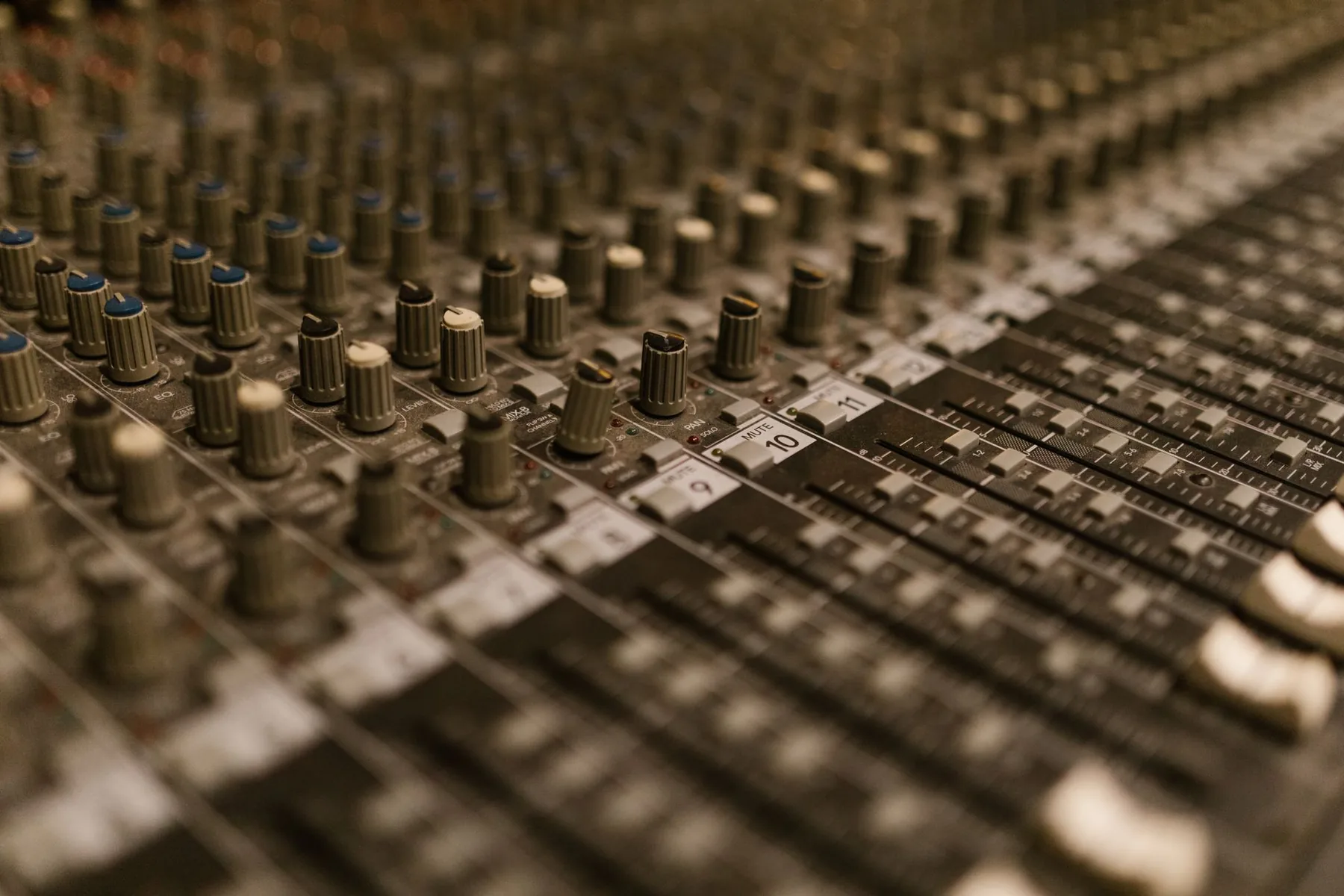
A sound designer is an artist who combines creativity and technical skill in their work. To bring unique auditory landscapes to life, they use specialized equipment and advanced software. Sound recording is an essential stage, during which they often explore real locations to capture authentic sounds.
They also work closely with musicians to compose original scores that fit the artistic vision. A sound designer’s creativity shows in their ability to create unique sonic atmospheres and tell stories through sound.
But technical skill is equally important. Sound designers must master the tools and software needed to edit, mix, and synchronize sounds with visual media. Their technical expertise allows them to manipulate sounds precisely, create powerful special effects, and achieve the best possible audio quality.
A sound designer must balance artistic creativity with technical mastery to produce exceptional auditory landscapes.
The combination of creativity and technical skill makes the sound designer a true sound craftsperson, able to transport audiences into a compelling, immersive sonic world.
Read on to discover the many applications of sound design and the future prospects of this constantly evolving art form.
The many applications of sound design
Sound design extends beyond film and video games. Sound designers also work in fields such as advertising, theme parks, art installations, mobile apps, and live performances. Their expertise is valuable for creating immersive sonic atmospheres that captivate audiences. They use their skills in sound creation and sound design to bring unique sonic environments to life and enrich listeners’ experiences.
| Application | Description |
|---|---|
| Advertising | Sound designers work with advertising agencies to create jingles, sound effects, and compelling atmospheres that strengthen the impact of advertisements. |
| Theme parks | Theme parks use sound design to create immersive themed environments, including spatial audio techniques that draw visitors into unique experiences. |
| Art installations | Sound designers collaborate with artists to create installations that use sound as a means of artistic expression and offer unique sensory experiences. |
| Mobile apps | Mobile app designers incorporate sound design to provide an immersive user experience. They use sound effects and musical compositions to improve the interface and guide users. |
| Live performances | Live performance sound designers work closely with artists to create a sonic atmosphere that complements performances onstage and enriches the audience’s experience. |
Sound design therefore has many applications, from advertising and art to interactive entertainment. Sound designers play a central role in creating immersive audio experiences that engage the senses and leave lasting memories.
The evolution of sound design and its applications
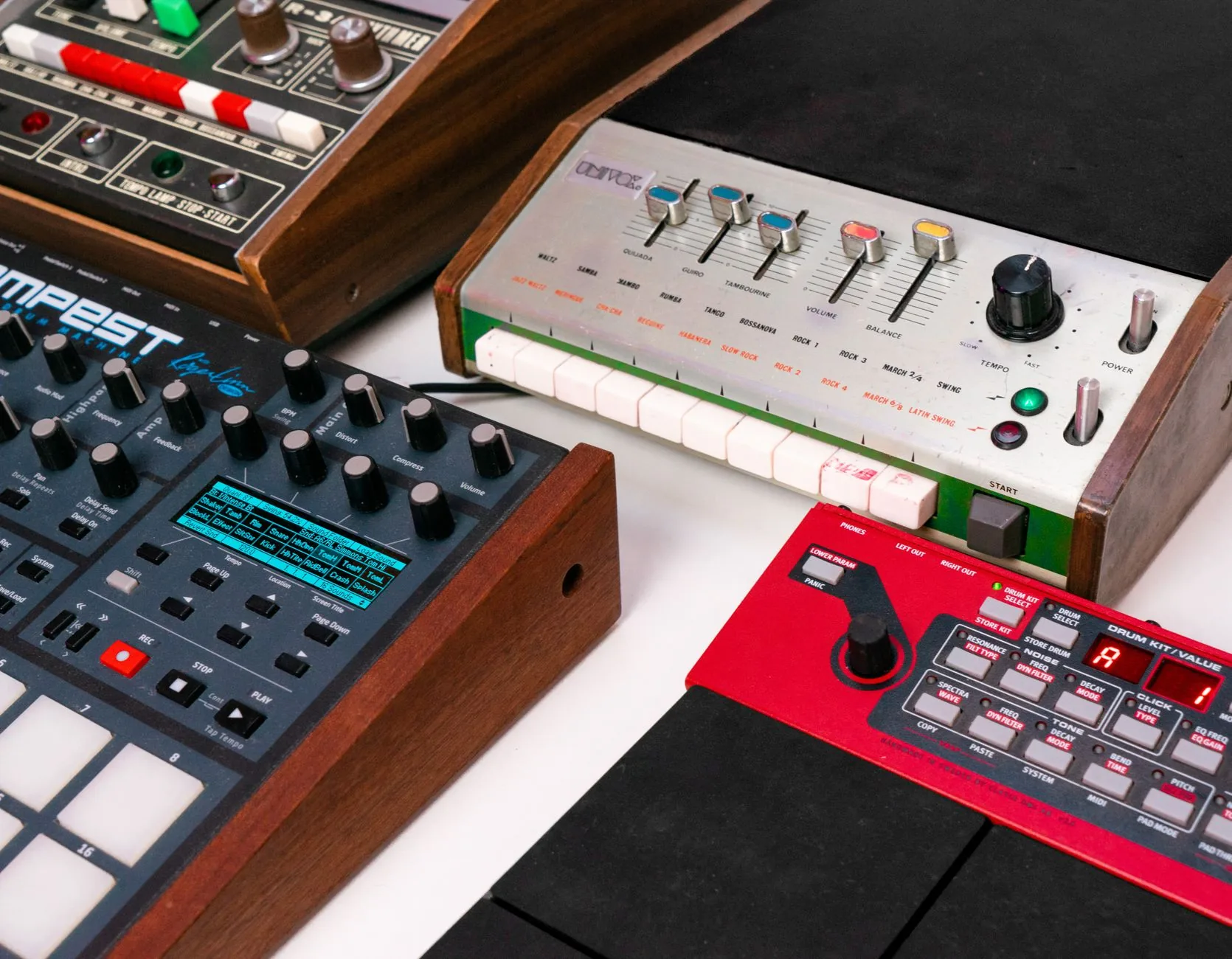
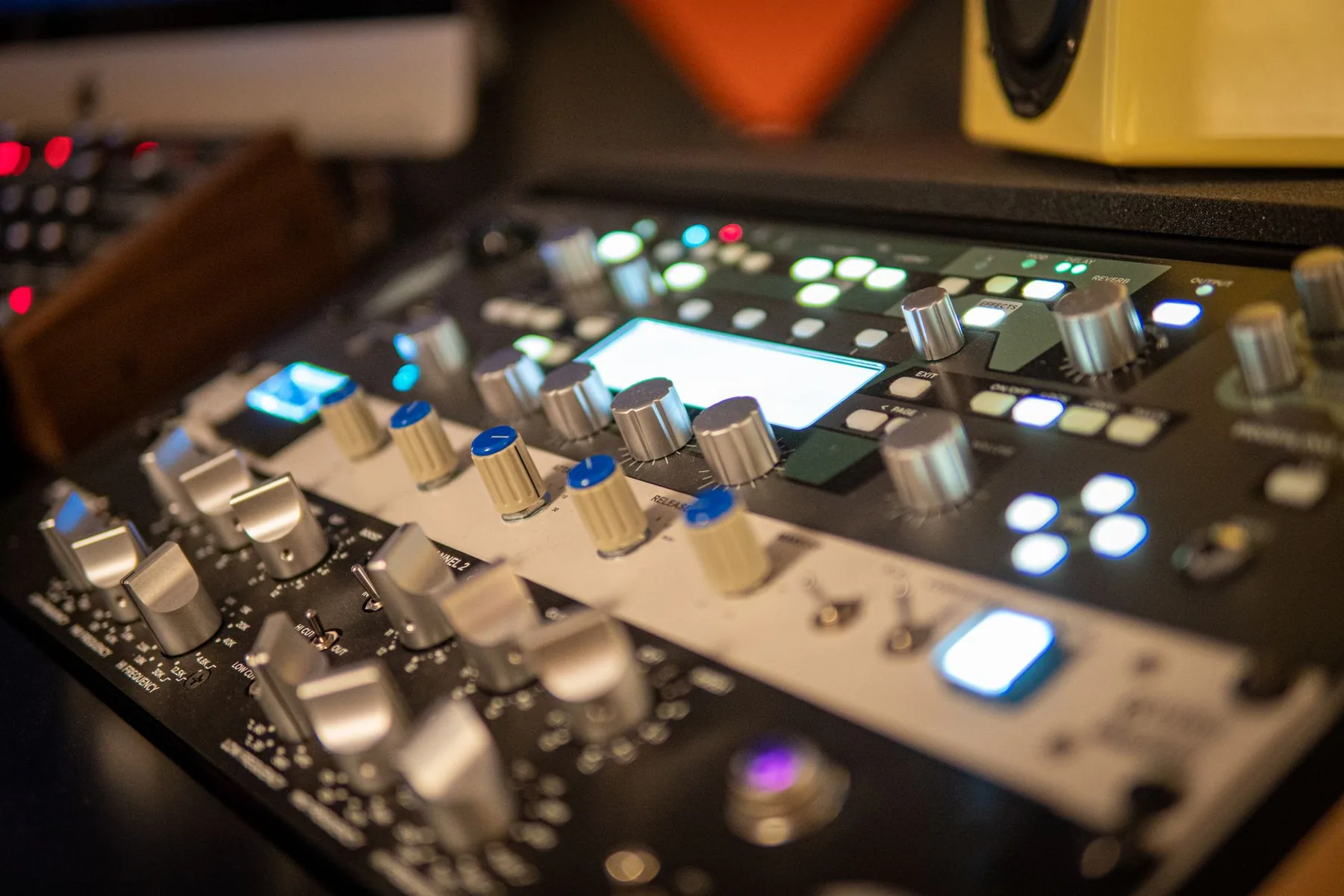
Sound design is a constantly evolving field, shaped by technological advances and progress in artificial intelligence. These developments significantly affect sound creation and open new artistic possibilities for sound designers.
One major development is the growing importance of interactivity in sound design. Its applications increasingly include interactive elements, allowing audiences to engage with soundscapes and influence their listening experience. This interactivity gives sound designers new possibilities for creation and immersion.
Listening education has also become an essential aspect of sound design. Sound designers use their expertise to educate audiences and raise awareness of social issues through sound art. Sound creation thus becomes a powerful educational tool for communicating ideas and encouraging reflection.
Sound design is also becoming increasingly multidisciplinary. Collaboration among art, science, and technology is growing, enabling sound designers to explore new practices and possibilities. This multidisciplinary approach encourages innovation and stimulates creativity.
Developments in sound design
| Developments | Description |
|---|---|
| Artificial intelligence | Integrating artificial intelligence into sound design makes it possible to create even more realistic and immersive soundscapes. |
| Interactivity | Adding interactive elements to sound design lets audiences engage with soundscapes and personalize their listening experience. |
| Listening education | Sound design becomes an educational tool for raising awareness of social issues through sound art. |
| Multidisciplinary practices | Sound design embraces new collaborations across art, science, and technology, encouraging innovation and creativity. |
The future of sound design
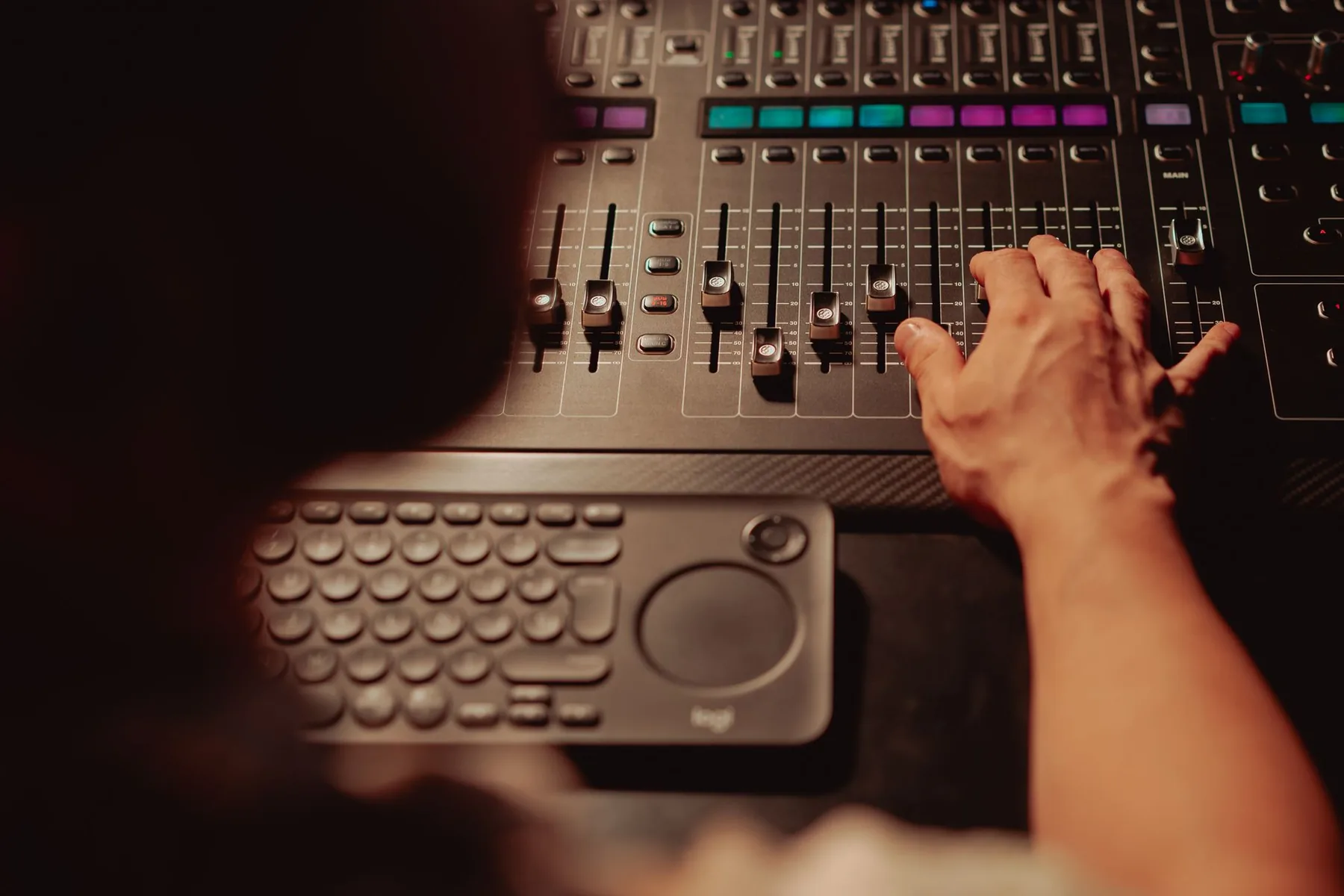
In the coming years, sound design will continue to evolve and grow. Sound designers will stay at the forefront of new technological trends and use advanced tools and equipment to create innovative audio experiences. They constantly explore new ways to use new technologies to push the boundaries of sonic creativity.
Audience engagement and distribution networks will also play a crucial role in sound design’s future. Sound designers will work closely with professionals in music, film, video games, and advertising to maximize the impact of their creations on audiences. They will seek to create immersive audio experiences that transport listeners into unique, compelling sonic worlds.
Multidisciplinary and transdisciplinary collaborations will continue to grow, encouraging the exchange of ideas and practices across artistic and scientific fields. Sound designers will work alongside architects, choreographers, scientists, and other artists to create multidisciplinary and transdisciplinary works that push the boundaries of sound art.
In short, the future of sound design is promising. With emerging new technologies, new trends, and new collaborations, sound designers will continue to surprise and delight audiences with unique, immersive sonic creations.
| Applications | Technologies | Audience engagement | Collaborations |
|---|---|---|---|
|
|
|
|
Conclusion
Sound design is an art that combines artistic creativity and technical skills to create unique, immersive auditory landscapes. Sound designers play an essential role in film, video games, advertising, and many other fields, creating compelling sonic atmospheres that enrich audiences’ listening experiences.
Sound design will continue to evolve alongside technological advances and interdisciplinary collaborations, opening new creative possibilities for sound designers. New technologies offer opportunities to explore different ways of designing sounds and innovating in sound design.
Through boundless creativity and a passion for auditory immersion, sound designers can create unique audio experiences that transcend the boundaries of art and technology. Sound design is a creative fusion that fascinates and captivates listeners around the world, offering new perspectives and opening the way to unexplored horizons.
FAQ
What is sound design?
Sound design is an art form that creates unique, immersive auditory landscapes. Sound designers work across media such as film, video games, advertising, and art installations to tell stories, evoke emotions, and enrich audiences’ listening experiences.
What is the sound designer’s role in film?
In the film industry, the sound designer creates the sound effects that bring each scene to life. Their work involves designing unique, immersive sounds that draw viewers further into the film. They work closely with directors and producers to create atmospheres and soundtracks that reflect the film’s artistic intentions.
What is the sound designer’s role in video games?
In the video game industry, the sound designer’s role is crucial. They create sound effects, music, and dialogue while also accounting for player interaction. Every action and decision needs an appropriate sound to strengthen player immersion and the experience’s realism. Sound designers use advanced techniques to create realistic, compelling sounds that match player actions and the game’s virtual world.
What skills does a sound designer need?
Sound designers must combine creativity and technical skill. They use specialized equipment and advanced software to record, edit, and mix sounds. They often explore real locations to capture authentic sounds and work with musicians to compose original scores. Their creativity lies in their ability to create unique sonic atmospheres and tell stories through sound. Their technical skill enables them to manipulate and mix sounds and synchronize them with visual media.
Where is sound design used?
Sound design extends beyond film and video games. Sound designers also work in fields such as advertising, theme parks, art installations, mobile apps, and live performances. Their expertise is valuable for creating immersive sonic atmospheres that captivate audiences. They use their skills in sound creation and sound design to bring unique sonic environments to life and enrich listeners’ experiences.
How is sound design evolving with technological advances?
Sound design is a constantly evolving field. Technological advances such as artificial intelligence affect sound creation and open new artistic possibilities. Interactivity has become essential to many sound design applications, allowing audiences to engage with soundscapes. Listening education also plays an important role: it helps educate audiences and raise awareness of social issues through sound art. Sound design is increasingly multidisciplinary, with collaborations across art, science, and technology.
What does the future hold for sound design?
In the coming years, sound design will continue to evolve and grow. Sound designers will stay at the forefront of new technological trends and use advanced tools and equipment to create innovative audio experiences. Audience engagement and distribution networks will develop to maximize sound design’s impact on audiences. Multidisciplinary and transdisciplinary collaborations will continue to grow, encouraging the exchange of ideas and practices across artistic and scientific fields.
In conclusion, what is sound design?
Sound design is an art that combines artistic creativity and technical skills to create unique, immersive auditory landscapes. Sound designers play an essential role in film, video games, advertising, and many other fields, creating compelling sonic atmospheres that enrich audiences’ listening experiences. Sound design will continue to evolve alongside technological advances and interdisciplinary collaborations, opening new creative possibilities for sound designers. The art of sound design offers a creative fusion of art and technology that fascinates and captivates listeners around the world.