
This article guides families step by step as they choose a lively and safe activity for their child.
The rhythm of today’s music makes hip-hop accessible and motivating. It combines group play, self-expression and technical learning.
The guidelines are clear: introductory activities from age 3, one-hour classes for young children and ninety-minute classes for ages 6–10, with progression suited to each child’s age and abilities.
The benefits are varied: better coordination and balance, confidence and creativity. Dancing also encourages social interaction and emotional expression.
Before committing to a full year, try a class and meet the teaching team to observe the group dynamic.
Minimal equipment: comfortable clothes and a pair of trainers reserved for indoor use, for grip and hygiene.
To choose a suitable provider, compare community youth and cultural centres (MJCs), neighbourhood clubs and private schools, then check the online enrolment details in this guide.
Why introduce your child to hip-hop today?
Rich and structured urban culture offers more than dance steps: it helps shape a child’s character.
A whole culture: music, language and clothing styles create a setting in which children learn to express themselves authentically. Hip-hop appeals to girls and boys alike and values personal motivation.
Tangible benefits: classes develop coordination, posture, rhythm and spatial awareness. Exercises improve motor skills, balance and concentration.
- Confidence: demonstrations, playful battles and performances help children overcome stage fright.
- Creativity: improvisation and variations in style stimulate the imagination.
- Respect and discipline: group work teaches children to listen and cooperate.
Classes cater to different skill levels, so each child can progress at their own pace. Current music sustains motivation and helps build stamina.
| Benefit | Impact | Classroom example |
|---|---|---|
| Coordination | Better posture and more precise movements | Routines and sequences |
| Confidence | Less stage fright | Group performances |
| Creativity | Imagination and expression | Musical improvisation |
| Discipline | Respect for class rules | Warm-ups and instructions |
For more practical information about activities and the age at which to start, consult the recommended guide.
Age, class length and progression in children’s hip-hop
Choosing the right time to start affects motivation and learning. Providers adapt sessions to children’s ages and attention spans.
Age guidelines: introductory activities can begin at age 3, with playful ways to discover the basics. Enrolment often peaks around ages 5–6, when children can better follow instructions and short sequences.
Class formats: one hour for ages 3–5, to suit their attention spans, and ninety minutes for ages 6–10, to explore movements and urban dance techniques in greater depth.
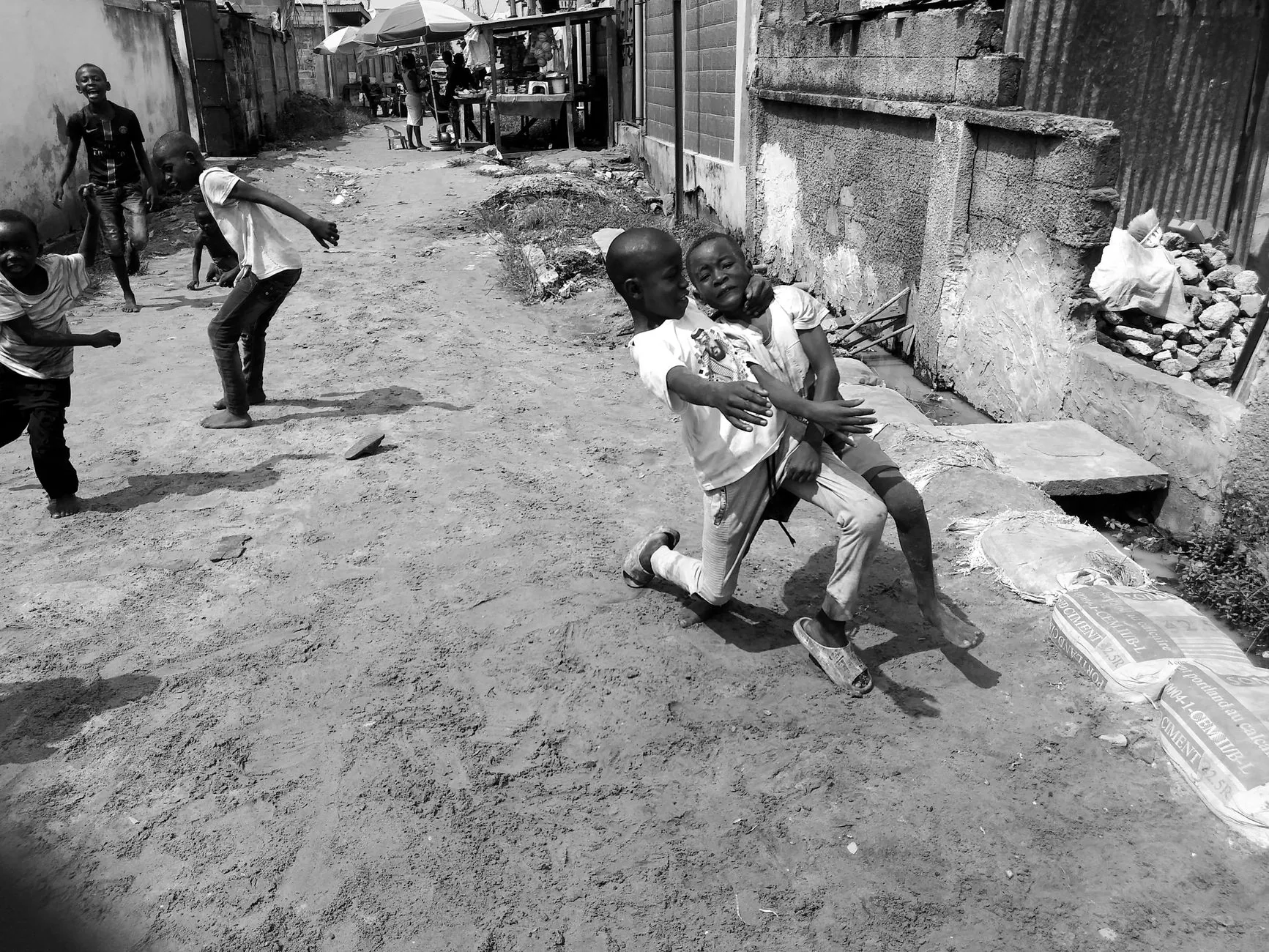
Learning progression
The course begins with footwork and groove. Structured sequences and changes of level come next.
- Introduction to basic techniques and body positions.
- Gradual addition of breakdance elements and other styles to broaden the range of movements.
- Individual adaptation: beginners and more advanced children progress at their own pace in a safe setting.
Goals: improve coordination, balance, mobility and body awareness. Teachers set milestones throughout the year and give feedback to measure progress, leading up to the end-of-season performance.
To learn more about the recommended starting age and begin with confidence, consult this guide to the age to start.
Hip-hop dance for children: advice for parents
Start by checking that your child genuinely wants to dance and enjoys moving.
Assess motivation: talk with your child, show them some examples and let them decide. If they are interested, the activity can remain an enjoyable part of their life.
Clothing and equipment: a loose T-shirt and tracksuit bottoms allow freedom of movement. Provide trainers reserved for indoor use, for grip and hygiene.
Safety and learning: choose classes that teach techniques step by step and include a warm-up, spatial awareness work and balance exercises.
“A trial class is often enough to reveal the quality of the teaching and the group dynamic.”
- Arrange a free trial class and observe the welcome your child receives.
- Compare community youth and cultural centres (MJCs), neighbourhood clubs and private schools according to your budget and the quality of their instruction.
- Budget approximately €475 for one hour a week or €495 for ninety minutes a week, and enrol online in September if possible.
Support your child without pressure: encourage them to share what they have learned and let them master movements and techniques at their own pace.
For a quick overview of enrolment procedures, consult this practical guide.
Choosing the right dance class for your child in France
Finding the right provider nearby takes a little research into local options. This helps you balance cost, distance and teaching quality.
Where to enrol: community centres, neighbourhood clubs, schools and specialist workshops
Identify local options: community youth and cultural centres (MJCs) and clubs often have moderate fees. Private schools offer a more structured setting.
Specialist workshops offer intensive formats and themed courses. Compare their teaching approaches and group sizes.
What happens in class: choreography, playful battles and an end-of-year show
Teaching combines technique, group choreography and opportunities to improvise. Playful battles strengthen team spirit.
The annual show celebrates what children have learned and encourages progress. Look for providers that set clear goals throughout the year.
- List the community centres, clubs, schools and specialist workshops offering dance classes.
- Compare teaching approaches: technical foundations, choreography, improvisation and the sharing of cultural traditions.
- Assess cost and proximity: fees at community and private providers, ease of access and quality of instruction.
- Observe class life: shows, battles and routines that encourage discipline and team spirit.
“A trial class remains the best test: listen to the music, observe the atmosphere and let your child imagine themselves taking part.”
Plan ahead: places are limited in September, and online enrolment is often available. Look for positive signs: supportive instruction, clear progression and a safe setting.
Conclusion
In short, classes offer each child a gradual and motivating path. Dancing combines music, technique and enjoyment. One-hour and ninety-minute formats suit different ages and attention spans.
The benefits are tangible: better coordination and balance, emotional expression and stronger social skills. Free trial classes, playful battles and performances help sustain motivation.
Identify two or three nearby providers, schedule a trial and observe your child afterwards: are they smiling, keen to repeat the movements and eager to return? To learn more, read this overview of the benefits of dance.