
This guide brings together up-to-date information on venues, dates and artist profiles so you can follow the metropolitan area’s music scene. It offers frequent updates, verified practical information and a comprehensive calendar to help you plan your nights out.
It gives a clear overview, from open mics to major venues. It covers local events such as Urban Flow (December 5, 2025), sold-out concerts and tours by major artists.
The guide’s outline covers essential venues, a monthly calendar, highlights of major events such as Karavel, and battles, jams and workshops.
You can browse by style, neighborhood, event type or skill level. The guide also highlights the role of local organizations (Pôle en Scènes, La Commune, Transbordeur, La Rayonne) and European partnerships that broaden the program.
The conclusion offers practical advice on tickets, transport and safety so you can make the most of your evenings.
The Lyon hip-hop scene today
The metropolitan area now has a busy calendar combining open mics, jams and major tours.
A living resource: the guide updates its information several times a week to reflect venue changes, sold-out concerts and last-minute announcements. The program covers December 2025 through December 2026, with Urban Flow as a weekly event and Rap Contenders held quarterly at Le Complexe.
Recurring formats shape the year: jams, battles, dance showcases and hybrid events such as Candlelight Hip Hop. This variety brings emerging and established artists together on the same stage and helps audiences move between events.
Karavel takes center stage in autumn: a month devoted to hip-hop dance at Pôle en Scènes, with connections to theater and circus. The Passerelles network links around 50 partner venues across the region.
| Format | Frequency | Examples / Venues |
|---|---|---|
| Jams / Open mics | Weekly | Urban Flow, bars and riverboats |
| Battles | Quarterly / recurring series | Rap Contenders, local series |
| Major tours | Seasonal | Orelsan, Damso, PLK — LDLC Arena / Halle Tony-Garnier |
| Festival / themed month | Annual | Karavel — Pôle en Scènes |
Always check official ticket outlets before buying: several dates sell out quickly. Read on for detailed listings by venue and month.
Hip-hop in Lyon: venues, festivals and key players
From intimate clubs to major halls, the music scene unfolds through complementary event series.
Live rap, DJ culture, dance, battles and interdisciplinary performances coexist. Open mics and jams remain places where new audiences and talent emerge.
The local map includes riverboats and clubs (La Marquise, Sonic, Loupika), venues such as Transbordeur, La Rayonne, Marché Gare and Le Sucre, and large halls and arenas (Halle Tony-Garnier, LDLC Arena). Cultural spaces — Bizarre!, La Commune, Ninkasi Cordeliers — provide a home for participatory events.
- Key players: promoters, collectives, DJs, companies and local media.
- Performance circuit: club nights, concerts, dance showcases and competitions.
- Complementary roles: the underground scene and major venues support each other, encouraging tours and residencies.
| Type | Examples | Role |
|---|---|---|
| Clubs / riverboats | La Marquise, Loupika | Discovery, nights out |
| Venues / arenas | Transbordeur, Halle Tony-Garnier | Headliners, tours |
| Cultural spaces | La Commune, Bizarre! | Community engagement, workshops |
Events span the metropolitan area — Villeurbanne, Vénissieux, Bron and Décines — and come together around highlights such as Karavel or Jazz à Vienne. The next section covers venues to help you plan each outing.
Leading venues and essential stages in Lyon and Villeurbanne
From the quays to the arenas, each venue offers a distinct musical and social experience.
Clubs and riverboats: La Marquise riverboat (20, quai Victor-Augagneur), Loupika riverboat (47, quai Rambaud), Le Sonic riverboat (4, quai des Étroits). These venues offer lively, spontaneous nights that are ideal for discovering emerging talent.
Venues and arenas: Transbordeur (Villeurbanne), La Rayonne, Halle Tony-Garnier (20, place Charles-et-Christophe-Mérieux), LDLC Arena (Décines), Marché Gare, Le Sucre. Their capacities vary: an intimate atmosphere at Marché Gare, a rooftop at Le Sucre, and powerful stage productions at Transbordeur and the arenas.
Cultural spaces and community centers: Bizarre!, La Commune, Ninkasi Cordeliers, A Thou Bout d’Chant. They play a central role in community engagement, workshops and talent discovery.
Bars and open mics: La Grooverie, La Pente, Livestation DIY, Pilo. Weekly open mics, occasional battles at Le Complexe and the chance to plan a citywide night out: drinks, a concert, then an after-party.
Check the calendar for ticket release dates and program changes.
Upcoming calendar: concerts, nights out and monthly programs
Plan your evenings with this monthly calendar of open mics, DJ sets and headliners. Here are the main events by period to help you arrange tickets and transport.
December–January
December starts with Urban Flow (La Grooverie, Fri. Dec. 5, €3) and Still Fresh (La Rayonne, Sat. Dec. 6, €25).
At the end of the month: Rap Contenders (Le Complexe, Tue. Dec. 30, €15).
January has several important dates: L2B (Transbordeur, Fri. Jan. 9, sold out), Moji x Sboy (Le Sucre, Fri. Jan. 16, €27) and several Candlelight concerts (Fri. Jan. 16, Thu. Jan. 29).
February–March
February gathers momentum with DJ Kore (Wed. Feb. 4), La Fouine (Thu. Feb. 5) and Orelsan (Thu. Feb. 26 / Fri. Feb. 27). RSKO plays at Transbordeur (Thu. Feb. 12).
In March: Biga Ranx (Sat. Mar. 14) and Rap Contenders (Tue. Mar. 31).
April–May–June
In spring, showcases and festivals fill the calendar. Isha & Limsa (Sat. Apr. 11), La Mano 1.9 (Wed. Apr. 15, sold out), then Damso (Wed. May 20 & Thu. May 21).
At the end of June, Jazz à Vienne (Tue. June 30) brings different audiences together.
| Month | Examples | Indicative price |
|---|---|---|
| December | Urban Flow, Still Fresh, Rap Contenders | €3–€25 |
| January | L2B, Moji x Sboy, Candlelight | €24–€47 |
| Feb.–Mar. | DJ Kore, La Fouine, Orelsan, Biga Ranx | €15–€80 |
| Apr.–June | Isha & Limsa, La Mano 1.9, Damso, Jazz à Vienne | Free–€80 |
Tips: book early to avoid sold-out shows, plan your journey home after late concerts, and always check official ticket outlets for changes.
Festivals and highlights: a closer look at Karavel
Every autumn, Karavel turns the metropolitan area into a living laboratory for dance. This major festival, centered on September and October, offers a month of hip-hop dance, shows, battles and performances across around 50 partner venues.
About Karavel
A month of festivities devoted to bringing disciplines together. The opening often takes the form of a parade at the Chapelle de la Trinité.
Shared stages feature companies such as Amala Dianor (Level Up, Wo-Man), Käfig (Mosaïk, Boxe Boxe Brasil) and Dyptik (Le Grand Bal).
Local roots and partners
Pôle en Scènes in Bron is the central organization: residencies, training and performances have come together there since the merger of Pôle Pik and Espace Albert Camus.
The program extends to nearly 50 partners in Auvergne-Rhône-Alpes, creating more opportunities to meet audiences.
Highlights, companies and initiatives
The latest edition brought together new productions, revivals and appearances by Paradox-Sal and Artizans.
La Piraterie celebrates its 10th anniversary with Mantra and an anniversary party at La Commune, a sign of its strong local roots.
The Passerelles label and international network
The label connects Karavel with Kalypso, Summer Dance Forever (Amsterdam), Hop (Barcelona) and Trans’Urbaines, helping productions travel.
Waacking workshops, battles (Can You Rock?!), Hip Hop Games France, screenings and DJ sets complete this network.
Archives: editions #11 to #18 offer useful reference points for seeing how the artistic forms and setting have evolved over the years.
Rap and concerts: from the underground to the arenas
The 2026 calendar shows a clear progression from small venues to large ones. Major dates confirm strong demand for concerts.
Headliners and major venues
LDLC Arena hosts major announcements: DJ Kore (Feb. 4, 2026, €40–€80), Orelsan (Feb. 26–27, 2026, €45–€75), Sean Paul (Feb. 22, 2026, €54–€73), Damso (May 20–21, 2026, €52–€70) and PLK (Nov. 20 & Dec. 12, 2026, €46–€73).
These concerts sell out quickly: watch for ticket releases and announcements of additional dates.
The underground’s range and formats
Clubs remain essential. Sopico (Marché Gare), Sniper (Transbordeur) and Oxmo Puccino (Radiant) offer more intimate concerts.
Formats vary by production: a live band, an opening DJ set or surprise guests. The music takes different forms depending on venue size.
Budget guide: expect to pay €20 to €80, depending on the venue and lineup. Try different experiences: pair a major concert with a club night to enjoy the full circuit.
- Ticket tip: check whether an event is sold out, watch for additional dates and use only official resale platforms.
Hip-hop dance: shows, companies, theater and circus
On stage, movement reimagines the relationship between dance, live music and imagery. Productions range from choreographed pieces and guided improvisations to staged battles and shared showcases.
Leading companies: Käfig has presented more than 40 works worldwide, Stylistik creates emotionally expressive pieces (Souls, Human Flots), and Voltaïk develops locally rooted productions (Love, Malacca).
Onstage conversations: theater and circus bring apparatus, the Cyr wheel and acrobatics. Set design, video and live music enrich each show.
Work with the body comes through a strong physical presence, varied movement qualities and a deep sense of musicality. Pôle en Scènes supports residencies, training and performances, while La Commune hosts community activities and open rehearsals.
| Company | Examples | Format |
|---|---|---|
| Käfig | Mosaïk, Boxe Boxe Brasil | Works & international tours |
| Stylistik | Souls, Human Flots | Expressive works, solos |
| Voltaïk | Love, Malacca | Local projects & showcases |
Tip: follow Karavel and its partners to discover premieres, workshops and offstage events (screenings, panel discussions) that extend the experience.
Battles and competitions: freestyle, popping, breaking
Contests that combine movement and sound form a circuit where beginners, established artists and enthusiastic audiences meet.
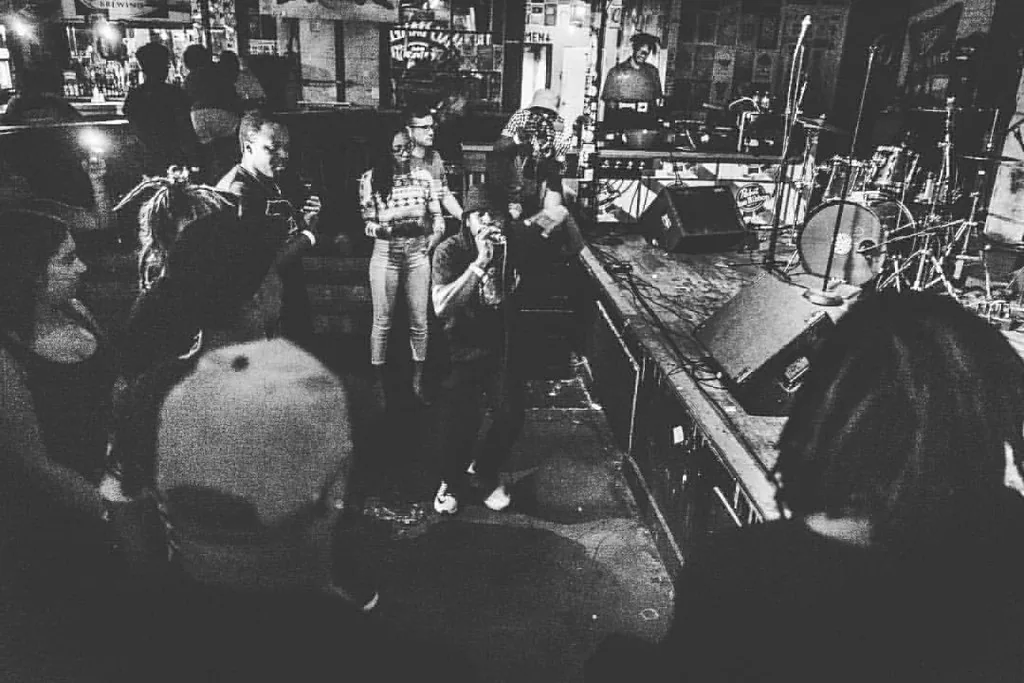
Formats and audiences: contests range from one-on-one to two-on-two, with junior and adult categories. They include popping, breaking and freestyle. These events give dancers a way to build visibility and stage experience.
Rap Contenders and stage formats
Rap Contenders takes place at Le Complexe (7, rue des Capucins, 69001). Dates: Dec. 30, 2025, Mar. 31, 2026 and June 30, 2026. Price: €15.
This format emphasizes stage presence, MCs, DJs and a professional jury. The atmosphere showcases flows as well as physical performances during hybrid rounds.
Mini R.O.C, Battle Kids and two-on-two popping
Mini R.O.C (Centre Brunerie, Dec. 12, 2025, €5) offers one-on-one freestyle open to newcomers. Battle Kids (Théâtre Astrée, January 2025) covers three categories: popping, freestyle and b-boying. Battle Jazz Delight (La Commune, Dec. 12, 2025) offers a two-on-two format with live music; the Septième Précepte crew and guests Sounds So Beautiful take part.
“Battles are laboratories: technique, creativity and fair play are the core judging criteria.”
| Event | Venue / address | Price |
|---|---|---|
| Rap Contenders | Le Complexe — 7, rue des Capucins, 69001 | €15 |
| Mini R.O.C | Centre Brunerie | €5 |
| Battle Kids | Théâtre Astrée | Varies (young audience admission) |
| Battle Jazz Delight | La Commune | Free admission / local ticketing |
Practical tips: arrive early for preliminary rounds, plan a focused warm-up and review your category’s rules. MCs, DJs and judges influence the style expected; adapt your performance accordingly.
To improve, attend workshops (pop-in, top rock, musicality) and sign up for scouting sessions. Jams and open mics offer further chances to practice and get noticed.
To explore the relationship between movement and music, read this resource: dance and music: a conversation through movement.
Jams, open mics and open stages
Jams and small stages offer training grounds for vocalists and turntablists.
Urban Flow and Common Ground: weekly events
Urban Flow takes place at La Grooverie (Dec. 5, 2025, €3) and runs weekly from 7:30 to 11 p.m. This open mic night is ideal for trying out lyrics, finding musical collaborators and discovering new talent.
Common Ground at La Fabuleuse Cantine (Dec. 19, 2025) offers flexible admission. Its community format combines short spoken performances, shared instrumentals and a group jam.
Slam, rap and open scratch sessions
A Thou Bout d’Chant offers a slam and rap stage (Jan. 29, 2025, 8:30 p.m., free). The atmosphere is supportive, with a cappella performances or accompaniment by a musician.
NM Scratcherz organizes scratch sessions at La Boucherie des Pentes (Dec. 20, 2025, €2 membership). These gatherings welcome both beginner and experienced DJs.
Practical tips:
- Arrive early to sign up and listen to the other performers.
- Prepare a USB drive and an instrumental track; aim for no more than three to five minutes.
- Try different open mics, live jams, slam events and scratch sessions to broaden your skills.
- Document your performances for your portfolios and social media.
These intimate venues energize the local scene and create opportunities for audience feedback and opening slots. To organize your next steps, a professional contact and local collectives can offer guidance and workshops.
Collectives, DJs and artists driving the scene
Collectives and DJs shape Lyon’s nightlife by combining experience with curiosity.
Names to follow include DJ Sunlet, Terror Mike, Kaynixe, DJ Fly and Mart One. They bring key venues to life through regular sets and one-off events.
Specific examples: DJ Sunlet plays free sets (La Pavanne, Dec. 5, 2025; La Torpille, Dec. 13, 2025; Mama Shelter, Mar. 8, 2025) and leads a “Pimp my vinyle” workshop (La Commune, Dec. 14, 2025).
Terror Mike plays regularly at L’Ambassade and is scheduled at Barrio Club (Dec. 9, 2025). Kaynixe appears at Pilo (Feb. 14, 2025) and Silent Party (Mar. 15, 2025).
DJ Fly (Ninkasi Cordeliers, Street Dance Factory) and Mart One (La Fourmilière) round out the selection. Across their sets, these artists explore boom bap, future beats, afro, R&B and shatta.
- Follow venue pages for lineups and surprise guests.
- Worth watching: some offer educational workshops (sampling, vinyl) that can help you improve.
- Respect dance-floor etiquette: take turns, listen and seek consent.
“These DJs connect jams, battles and concerts, helping new talent emerge.”
Workshops, classes and training: dance, writing, DJing, graffiti
Local workshops link technique, musicality and real-world practice. They offer routes for beginners, people improving their skills and performers preparing for the stage.
Courses and formats
Intensive courses: Waacktober (Bron), dance workshop (Urban Arts Academy, Dec. 13, 2025), sampling sessions (Sampling is Beautiful Trio, Ninkasi Cordeliers, Feb. 26, 2025).
Short workshops: NM Scratcherz (La Boucherie des Pentes, Dec. 20, 2025), Phonograffiti and Pimp my vinyle (La Commune, Dec. 14 & Feb. 24, 2025).
Practical details
Formats vary: weekly courses, masterclasses and sessions in real performance conditions. Levels: beginner, intermediate and advanced. Prices: free to around €35, depending on duration.
Suggested equipment: suitable shoes, headphones and a USB drive. Connect your classes with jams and open mics so you can try out what you have learned.
“Learning in a real setting builds confidence on stage.”
Benefits: technique, musicality, writing, independent production and stage management. Local instructors and collectives ground their teaching in practice.
For portfolios and applications, keep your videos and electronic press kits up to date and consult the reference guide to dance practices.
Where to go by style: rap, hip-hop, shatta, afro, R&B
Every musical style has go-to venues whose energy and sound suit its audience.
Shatta / afro: Tank East is a go-to venue for shatta, US rap and afro nights (Dec. 5, 6, 12 and 13, 2025). Suggested time: 11 p.m. to 4 a.m. Admission is often free before midnight or €8.99 including a drink.
US and French rap: Azar hosts Up’N’Down (Dec. 6, 2025, 11:30 p.m. to 6 a.m.). Expect a late night and a lineup built around musical face-offs.
R&B / grooves: Pilo (Silent Party, Mar. 15, 2025, €12) and Ninkasi Cordeliers (free DJ sets) suit a more relaxed, vocal atmosphere.
Immersive nights: riverboats such as La Marquise (Aucun Signal Party, Mar. 8, 2025, €10) offer an intimate experience on the water, ideal for combining drinks before a concert, the show and an after-party.
| Style | Venue | Atmosphere | Indicative price |
|---|---|---|---|
| Shatta / afro | Tank East | Powerful sound, lively dance floor | Free before midnight / €8.99 including a drink |
| US / French rap | Azar | Late night, face-off themed lineup | €15 |
| R&B / grooves | Pilo, Ninkasi Cordeliers | Relaxed, vocal, sometimes listened to on headphones | €12 / free |
| Riverboat experience | La Marquise | Immersive, close to the performers | €10 |
Practical tips: start with a drink at a music bar, choose your main club by style, then finish somewhere quieter. Listen to resident and guest DJs to discover subgenres (trap, afrobeat, boom bap).
Check the dress code, minimum age and membership requirements. If you are on a budget, try Ninkasi Cordeliers or free events at cultural bars.
If you enjoy live rap, head to Marché Gare or Le Sucre to see artists on stage rather than club DJ sets.
Respect the neighbors and plan a safe journey home at the end of the night.
To check dates and tickets, consult the official calendar and follow the guide’s ticket-buying advice.
Tickets, prices and access: planning your evening
To buy a ticket, start by choosing the official outlet for the type of concert. Favor the venue’s own ticket office, recognized platforms or direct links on event listings.
Typical prices are €5–€15 for battles and jams, €20–€40 for mid-sized venues and €45–€80 for arenas. These ranges depend on capacity, production, the presence of a live band and whether places are seated or standing.
Access and planning: use the TCL network (trams T3/T7 for LDLC Arena, metro line B for Halle Tony-Garnier), cycle or use parking according to the neighborhood. Check the exact address: riverboats and venues with multiple entrances require extra time.
- Watch for “sold out” notices: book early and favor official exchanges for safe resale.
- Door times and bag rules: check the venue listing to make security checks easier.
- Discounts: free entry before midnight at some clubs, member rates or free admission at cultural bars.
Accessibility for people with reduced mobility: contact the venue in advance to reserve a suitable place. If an event is canceled or postponed, follow official announcements and prepare another option.
Journey home: plan for Noctambus services, a ride-hailing service or carpooling, and agree on meeting points so everyone gets home safely.
“Booking, checking access and planning the trip home make for a stress-free night out.”
Media, photo reports and local resources
Partner platforms document each edition with photos, recap videos and playlists that preserve its highlights.
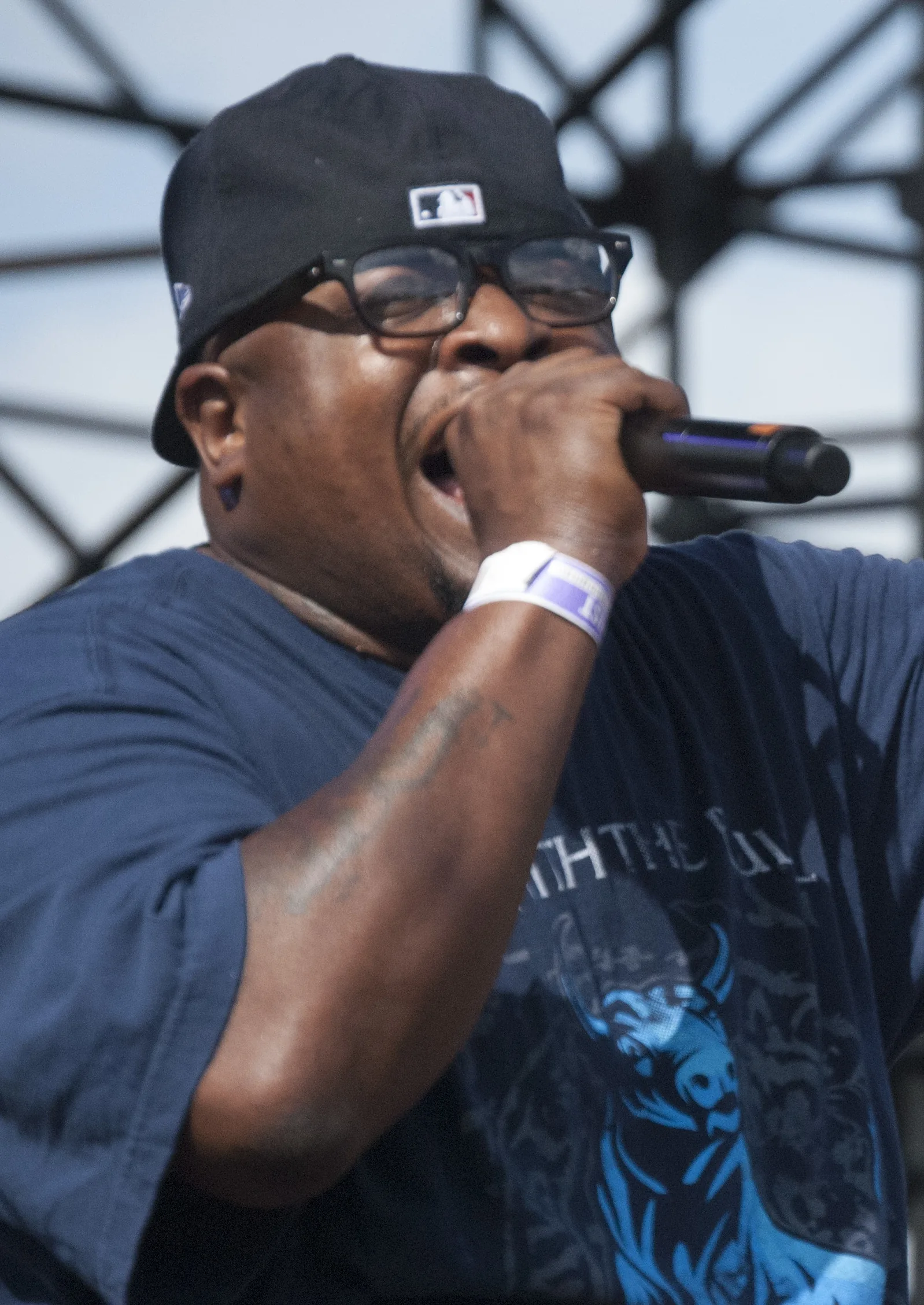
Looking through photo reports helps show how the scene has evolved over several years. Visual archives capture the vitality of urban cultures and key festival moments.
Collectives and media outlets such as Sounds So Beautiful publish interviews, recordings and curated selections. At talks, Rocé offers a critical perspective on songs of resistance and social issues.
- Screenings and theater panel discussions place performances in context.
- Podcasts, local radio (LGTDZ) and social media accounts offer recap videos and playlists.
- For project calls, residencies and masterclasses, follow Pôle en Scènes and Karavel.
| Resource | Type | Where to follow |
|---|---|---|
| Sounds So Beautiful | Photo reports / playlists | Websites & social media |
| Karavel | Screenings / panel discussions | Facebook / Instagram / YouTube |
| Local archives | Galleries by year | Cultural portals |
“Visual memory informs practice and collective reflection.”
Contribute: send your photos, reviews or feedback to enrich the shared record and compare information with the Archives and Festivals sections.
2025 archives: what you may have missed
This overview brings together the events that marked the year and are worth revisiting in the archives.
January started strongly: Zamdane (Transbordeur, sold out, Fri. Jan. 10) and SCH (LDLC Arena, Sat. Jan. 25) filled major venues. Urban Flow provided a weekly thread (Fri. Jan. 3, 10, 17, 24 and 31).
February–March mixed markets, talks and sets: Marché du Street Art (Feb. 1–2), Rocé (talk, Feb. 6), SLKRACK and Al’Tarba/Senbeï in clubs, then DJ Fly and Street Dance Factory in March.
In September and October, Karavel presented shows, battles (Can You Rock?!) and leading companies. This highlight reinforced the connection between dance and concerts.
Lessons: several concerts sold out; book early, follow official resale outlets and have another option in mind.
| Period | Highlights | Type |
|---|---|---|
| January | Zamdane, SCH, Urban Flow | Concerts, open mics |
| Feb.–Mar. | Marché du Street Art, DJ Fly, Street Dance Factory | DJ sets, talks, battles |
| Sept.–Oct. | Karavel, Can You Rock?! | Shows, battles |
“Archives help you plan the following season and track rising talent.”
Partners, networks and the wider scene: Pôle en Scènes and the Passerelles label
An organized network gives companies practical resources to create, test and present their work.
Pôle en Scènes grew out of the merger of Pôle Pik and Espace Albert Camus. It provides studios, accommodation and rehearsal spaces.
The organization coordinates residencies, training and performances across disciplines. Its artistic direction, connected with Mourad Merzouki, strengthens ties with professional companies.
The Passerelles label builds European connections: Kalypso, Shake La Rochelle, Hop (Barcelona), Summer Dance Forever (Amsterdam) and Trans’Urbaines encourage exchanges between residencies and panel discussions.
| Mission | Action | Impact |
|---|---|---|
| Hosting residencies | Studios, accommodation | Professional development |
| Network | European partners | Work reaching new places |
| Community engagement | Workshops, performances | Wider public access |
With several years of experience, these programs give teams a stable framework. The network of 50 venues increases the reach of new productions across the region.
For audiences, the benefits are greater variety, better access and stronger programming.
“Cross-border partnerships open new stages and extend creative journeys.”
To join the network, you can submit an artistic proposal, attend panel discussions or volunteer at events. Follow calls for applications and news updates.
A practical calendar for the coming months
See the main upcoming events at a glance, month by month.
December: Urban Flow (Dec. 5), Still Fresh (Dec. 6) and Rap Contenders (Dec. 30). Check ticket availability, as some dates often sell out.
January: Candlelight (Jan. 16 & 29), Moji x Sboy (Jan. 16) and a major bill featuring Sniper, Sopico and Oxmo (Jan. 30). Plan your journey home if concerts take place on weeknights.
February: a run of arena concerts with DJ Kore (Feb. 4), La Fouine (Feb. 5), Sean Paul (Feb. 22) and Orelsan (Feb. 26–27). RSKO plays a mid-sized venue on Feb. 12.
March–April–May–June: March brings Biga Ranx (Mar. 14) and Rap Contenders (Mar. 31). April offers Isha & Limsa (Apr. 11), La Mano 1.9 (Apr. 15) and Alborosie & Shengen (Apr. 25). Damso performs in May (May 20–21), followed by Tricky (May 26) and Jazz Bazz (May 27). In June, Jazz à Vienne (June 30) and Rap Contenders (June 30) coincide to close the first half of the year.
Autumn: October centers on Karavel, followed by Djadja & Dinaz (Nov. 5) and PLK (Nov. 20 / Dec. 12) in the arenas.
Tips: check tickets and event information, plan accommodation and late-night journeys, and confirm availability before buying.
| Month | Key event | Venue type | Note |
|---|---|---|---|
| December | Urban Flow, Rap Contenders | Riverboats, clubs, Le Complexe | Limited places, tickets on sale |
| February | DJ Kore, Orelsan | Arenas / major venues | Dates often sell out |
| April | Isha & Limsa, La Mano 1.9 | Mid-sized venues | Several Thursday and Friday concerts |
| May–June | Damso, Jazz à Vienne | Arenas / ancient theater | Plan transport and overnight stays |
Practical tips: neighborhoods, transport and getting home
To plan your evening, first locate the main nightlife areas so you can avoid unnecessary travel. Confluence (Sonic, Le Sucre, Loupika), Presqu’île/Croix-Rousse (La Marquise, La Torpille, A Thou Bout d’Chant) and Gerland (Halle Tony-Garnier, Tank East) are areas that are easy to connect.
Allow more time for your return journey from Villeurbanne (Transbordeur, La Rayonne) and Bron (Pôle en Scènes). Choose the metro or tram according to the time and identify nearby TCL stops.
Before / after: stay hydrated, identify somewhere to eat late and leave your bag and jacket at the cloakroom. Check the venue’s photo rules, minimum age and dress code.
End-of-night essentials: locate a Noctambus route or arrange carpooling or a ride-hailing service; appoint one person to coordinate ticket purchases and the group. Allow for the weather and queues on the quays when visiting riverboats.
| Neighborhood | Key venues | Recommended access | Tip |
|---|---|---|---|
| Confluence | Sonic, Le Sucre, Loupika | Tram, walking | Allow 20 minutes for security checks |
| Presqu’île / Croix-Rousse | La Marquise, La Torpille | Metro / bus | Choose safe walking routes |
| Gerland | Halle Tony-Garnier, Tank East | Tram / ride-hailing service | Plan late journeys home |
| Villeurbanne / Bron | Transbordeur, Pôle en Scènes | Metro / bus | Book taxis in advance |
“Respecting the neighborhood and nightlife etiquette makes evenings more enjoyable for everyone.”
Conclusion
The conclusion of this guide returns to a vibrant scene supported by major venues, large arenas and a full year-round program.
The picture is one of balance between clubs, riverboats, concert halls and large venues. The connection between dance as an art and music grows stronger through Karavel and the Passerelles label.
Plan outings over several years by consulting the archives and recurring events. Try jams, open mics, battles and workshops to discover emerging talent.
Support venues, book through official ticket outlets and follow the practical advice for a successful night from start to finish. Thanks to the partners and community: this guide is updated regularly to help you follow upcoming highlights.