
Hip Opsession celebrates twenty years of commitment by bringing hip-hop culture back into the heart of the city. This anniversary edition takes over historic venues such as Le Lieu Unique, Trempo, the Warehouse and Les Nefs.
From May 7 to 18, more than 50 events across 25 venues offer concerts, battles, workshops, screenings and talks. The park at the Maison de quartier de Doulon hosts a festival village with bars, food trucks and a stage.
The programme balances broad appeal with artistic ambition: major headliners, socially engaged work and participatory events. The twentieth-anniversary mural, created by Studio Katra at the Hangar à Bananes, symbolises the link between the city’s port heritage and street art.
The finals at Le Lieu Unique will be broadcast live and reach a national audience through france.tv. For more information and to follow the events live, visit the battle livestream page.
Back to its roots in Nantes: a twentieth edition that revived hip-hop’s energy
For its twentieth anniversary, the festival returned to its founding venues to reconnect with its original spirit. This return is more than nostalgia: it aims to strengthen the foundations before imagining the next two decades.
With the programme concentrated in May, the month became a shared moment in which music and dance thrived with equal intensity. The edition celebrates the years gone by while generating energy for the future.
Despite budget cuts, the team extended the festival’s presence across the metropolitan area and maintained a packed programme. The circle again became central to battles, recalling the communal and improvised nature of these exchanges.
“Going back to basics does not mean stopping progress; it means using those basics as a springboard.”
| Theme | Goal | Impact |
|---|---|---|
| Back to its roots | Reconnect with its origins | Strengthen the collective spirit |
| Historic venues | Return to Le Lieu Unique, Trempo and the Warehouse | Showcase the local arts scene |
| Ambition | Reach across the metropolitan area | Remain resilient despite constraints |
This guiding idea shapes the style of projects, collaborations and accessibility choices. For more information, the programme remains a way to speak out and engage with society.
Hip-hop in Nantes: a closer look at Hip Opsession
Over several days, the festival connected historic venues with open spaces to give audiences a complete experience.
Landmark venues and the urban scene
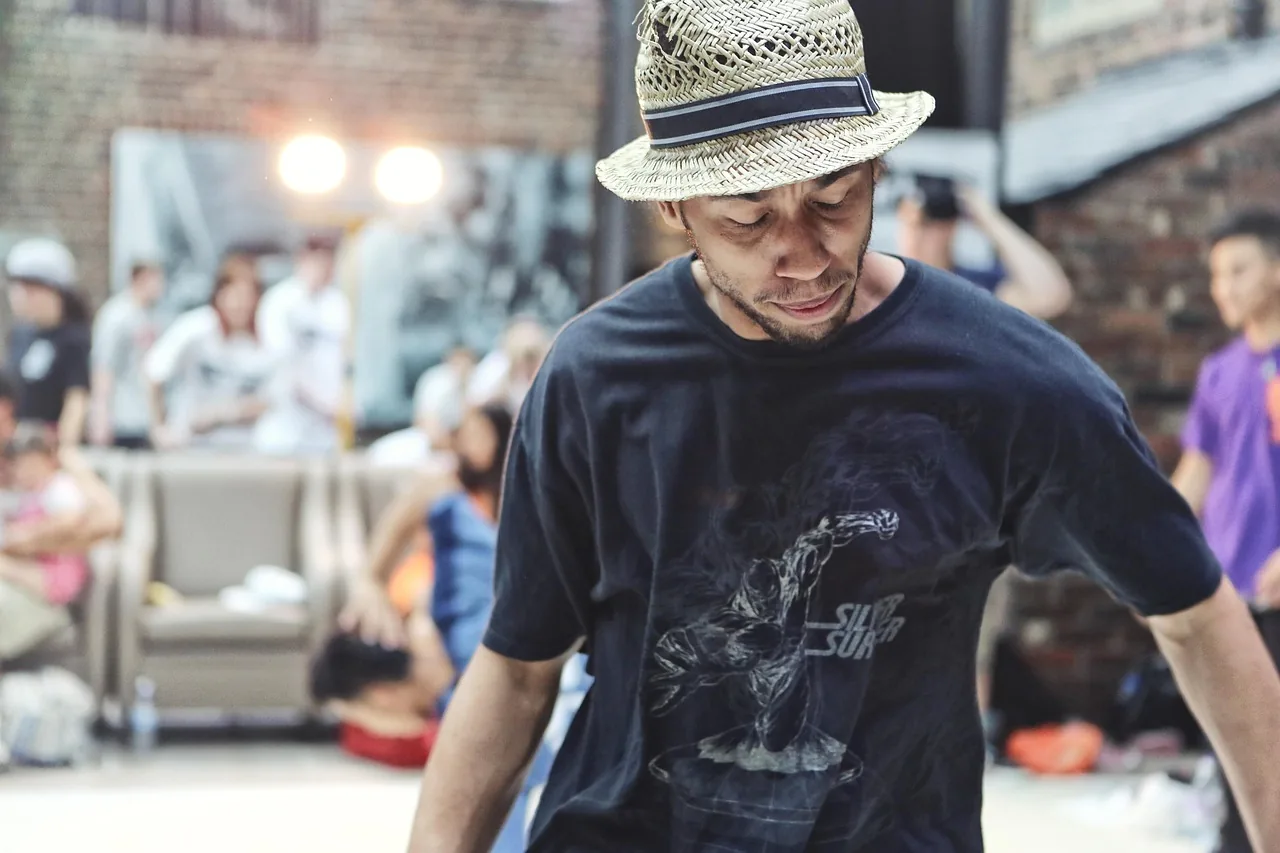
Key venues — including Le Lieu Unique, Les Nefs, Trempo and the Warehouse — shaped the festival route. Each played a distinct role, hosting major finals, a block party, concerts or club nights.
| Venue | Role | Experience |
|---|---|---|
| Le Lieu Unique | Live finals | Large stage, national broadcast |
| Les Nefs | Block party | Inclusive outdoor events |
| Doulon Park | Festival village | Bars, food and a stage for emerging artists |
| La Barakason / Capellia | Regional reach | Events in Rezé and La Chapelle-sur-Erdre |
An anniversary edition and its broadcast partners
The twentieth-anniversary mural on the Maison du Port is a visual landmark in the city.
The complementary event formats — an inclusive block party, qualifiers at Halle 6, showcases and concerts — gave May its rhythm.
“The live broadcasts gave the highlights a new reach, connecting the local scene with the wider media world.”
France Télévisions broadcast the finals on May 16 and 17 and shared the highlights. To revisit the programme and past events, see the 2025 archives.
Programme and highlights of the Hip Opsession festival
The programme offers a clear route through April and May, with activity peaking over the May 8–10 weekend.
Concerts and headliners
Talib Kweli (April 19, Warehouse, €22–26) represents the international lineup. Other performers include Doums, 20syl, Chilla, LIMSA & ISHA, alongside local talent such as Keroué, Black Jeez and Youssef Swatt’s.
Battles and showcases
Competitive events put exchange centre stage: End Of the Weak All Star (May 9, La Barakason, €12–19), an inclusive block party (May 8, Les Nefs, free) and standing-dance qualifiers (May 10, Halle 6, €14).
Workshops and hands-on activities
Public workshops cover beatmaking, graffiti, beatboxing and DJing with L.ATIPIK. Parent-and-child sessions and workshops in French Sign Language make participation and learning easier.
Films and discussions
At Le Cinématographe, a screening of Krush Groove and a talk titled “40 Years of Hip-Hop Music in France” feature Marie Sonnette-Manouguian and Karim Hammou.
“The programme aims to balance live performance, learning and the history of the movement.”
| Event | Date | Venue | Price |
|---|---|---|---|
| Talib Kweli | April 19 | Warehouse | €22–26 |
| Inclusive block party | May 8 | Les Nefs | Free |
| End Of the Weak All Star | May 9 | La Barakason (Rezé) | €12–19 |
| Outdoor concert | May 10 | Doulon Park | €26 |
For a detailed account of the lineup, see the programme guide.
Dance, battles and disciplines: the heart of a hip-hop festival
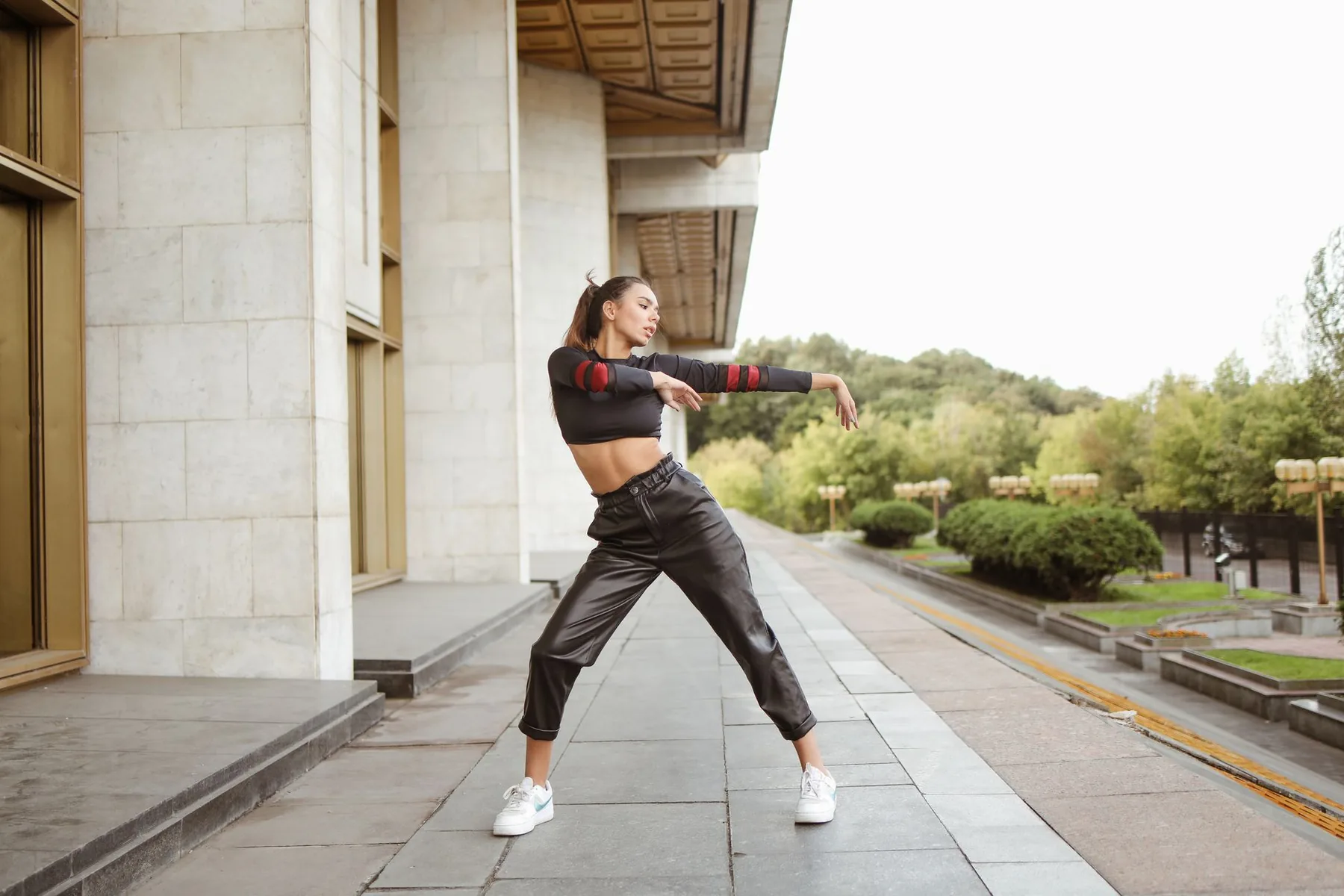
Dance unfolds in circles and duels, with each style bringing its own challenges.
Breaking, standing styles and battle formats
Breaking 3vs3, Top Rock, popping, locking and house all have a place. Formats range from 3vs3 to 1vs1, as well as Seven to Smoke and the Bonnie & Clyde duo format.
In Seven to Smoke, several dancers face one another in turn; the last dancer remaining wins. Bonnie & Clyde emphasises partnership and musicality.
Rap Contenders: technique and new talent
Rap Contenders takes place a cappella. The contests test technique, writing and stage presence.
The circuit identifies regional talent ahead of rounds held at the Cabaret Sauvage in Paris.
The circle and the place of B-girls
The return of the circle puts exchange back at the centre of battles. It is a space for improvisation and mutual respect.
Categories dedicated to B-girls showcase women’s teams. Their visibility is changing both practices and the language of performance.
“Creativity, wit and boundaries: the ethics of the battle are part of the show.”
| Discipline | Format | Strength |
|---|---|---|
| Breaking | 3vs3 / 1vs1 | Acrobatic technique and musicality |
| Standing styles | Top Rock, popping, locking, house | Personal style and groove |
| Rap | Rap Contenders (a cappella) | Writing and stage presence |
The 2025 finals, broadcast live on france.tv from Le Lieu Unique on May 16 and 17, let audiences around the world follow the key moments.
To explore the relationship between dance and music further, read this resource on dance and music.
Commitment, accessibility and society: a culture that brings people together
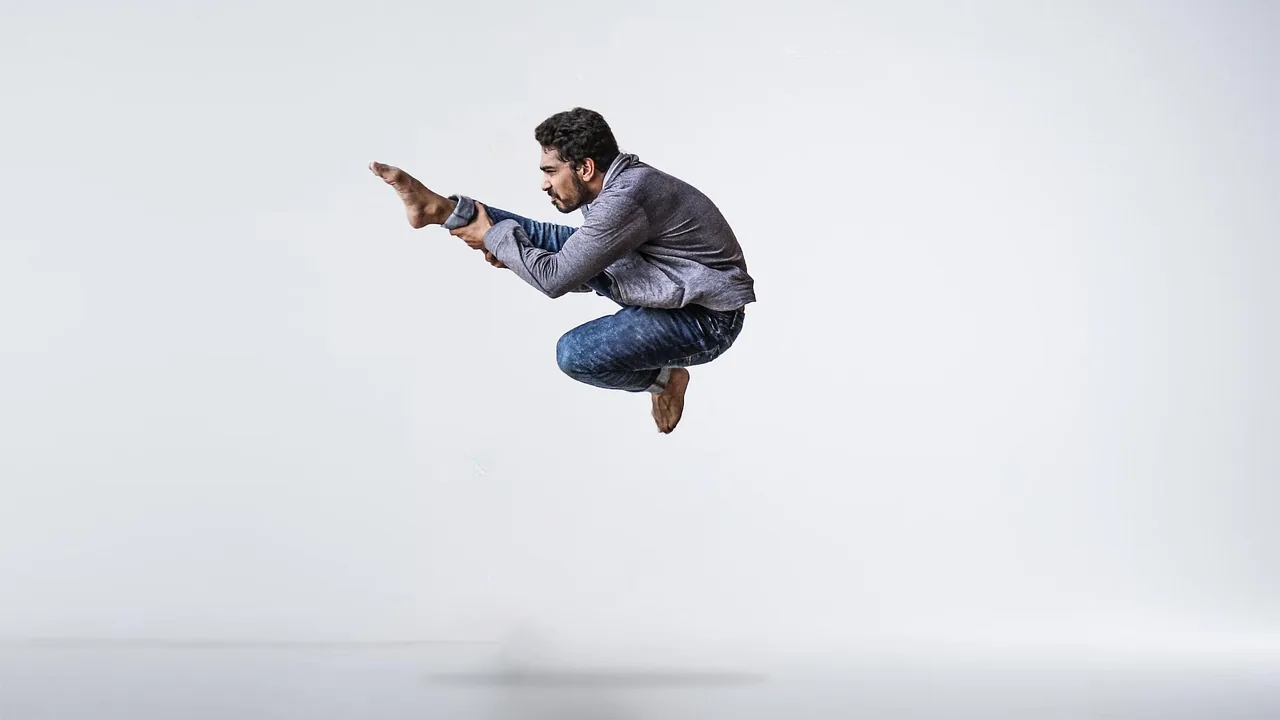
This edition made accessibility a central consideration, adapting spaces and activities so that everyone could take part in the festival.
A fully accessible festival
In 2025, the festival becomes the first fully accessible hip-hop festival. Interpretation in French Sign Language, vibrating vests and audio description accompany every performance.
Furniture and spaces were adapted in consultation with deaf artists and specialist organisations. The arrangements are tested on site to ensure comfort and safety.
Partnerships and wider reach
Key partnerships — with the Machines de l’île, Handiclap, Accoord, Scratchlab and the French Beatbox Family — strengthened the festival’s social and cultural impact. The town of Treillières and venues in Rezé and Orvault extended its reach across the area.
The programme combines socially engaged works, such as Anatomy of Freedom (Hervé Maigret & Hamza Damra), presented at Capellia on May 14 and 15, with educational workshops in French Sign Language led by Aaikya.
“Opening every art form to every body turns culture into something everyone can share.”
The festival also has an international dimension: qualifiers are held as far afield as Nairobi, Marseille and Bordeaux. For an overview of documents and archives, see the press dossier.
The local scene, the wider world and future editions: rooted in Nantes, open internationally
Connections between regional talent and international headliners shape a distinctly mixed programme. This gives the festival an energy that combines discovery with a wider reach.
Emerging and established artists: from YASSIN and WHYCI to Keroué and Youssef Swatt’s
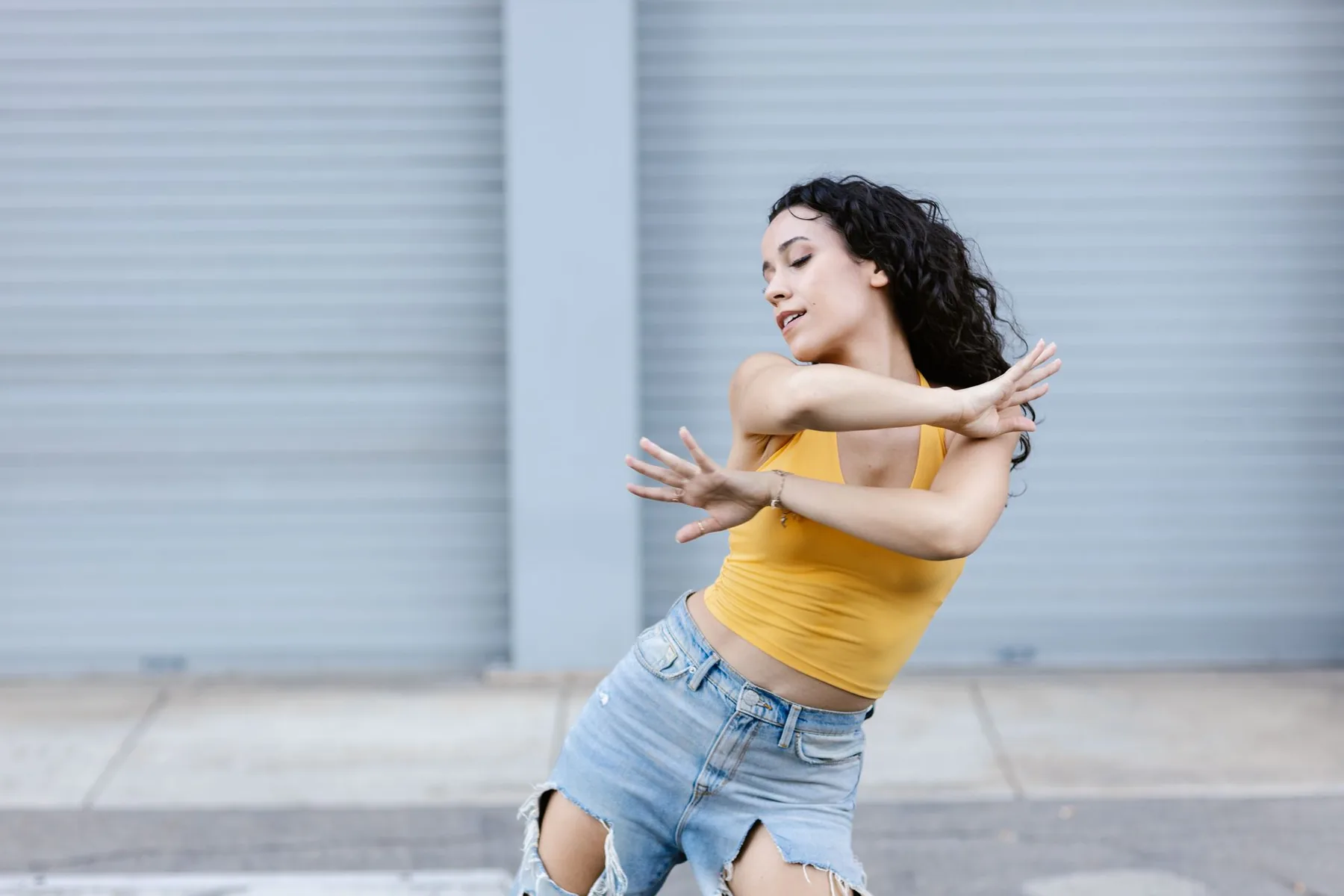
Artists such as YASSIN and WHYCI share stages with Keroué and Youssef Swatt’s at La Barakason in Rezé and at Trempo.
These encounters support different paths. Young artists find places to make themselves known, while established performers raise the profile of the scene as a whole.
The Hip Opsession festival also runs local qualifiers. These help identify dancers and MCs and offer routes to established stages, such as the Cabaret Sauvage for Rap Contenders.
“Building on local roots while staying open internationally is how the project can endure.”
- Stages in Rezé and at Trempo where artists can perform and develop.
- Selection processes that create national opportunities.
- Ongoing reflection on event formats to stay relevant as hip-hop culture reaches wider audiences.
Looking ahead, the team is pursuing two aims: strengthening local roots and welcoming a wider world of participants, so the festival can last over time while preserving its spirit of discovery.
Conclusion
The twentieth edition brought venues, audiences and art forms together.
The result was a genuine return to its roots: the festival revisited its founding venues, restored the circle to battles and brought music and dance together. Finals filmed at Le Lieu Unique and broadcast by France Télévisions gave the performances a wider audience.
This edition also introduced new accessibility measures. French Sign Language interpretation, vibrating vests and audio description made each venue more inclusive. Highlights including Talib Kweli, the block party, an outdoor concert, EOW All Star and dance qualifiers offered many ways to take part.
Artistically and socially, works such as Anatomy of Freedom raised current questions and broadened the discussion. Events across the region and international qualifiers confirmed that the project reaches beyond the city.
Overall, Hip Opsession emerges stronger from a packed, ambitious and popular edition that lays the groundwork for what comes next and promises to bring together new audiences and talent.
For a critical and historical view of these issues, see this resource on the culture’s research and trajectories.