
Understanding masterpieces requires knowledge of painting techniques and art history. “The Secrets of the Great Masters of Painting” offers a unique introduction to both. You can learn more about painting techniques and art history.
Leonardo da Vinci and Johannes Vermeer left their mark on art history. Their innovations in painting and their understanding of art produced unique works. This book explores their techniques and histories to deepen our understanding of art.
Discovering the great masters’ secrets helps us understand their influence on art. Painting techniques and art history are essential to appreciating their work. “The Secrets of the Great Masters of Painting” offers a distinctive perspective on these subjects and reveals the masters’ methods.
The legacy of the great masters through the centuries
Famous artists have always inspired later generations. Museums preserve their treasures so that everyone can admire them. From the Renaissance to Impressionism, each era developed its own artistic expression.
The Renaissance produced masters such as Leonardo da Vinci and Michelangelo. Their groundbreaking works hold a prominent place in museums such as the Louvre. Jean-Auguste-Dominique Ingres brought his Neoclassical style to the nineteenth century.
Later periods also produced major artists. Museums continue to display their masterpieces, giving everyone a chance to discover these remarkable works.
Key periods include:
- The Renaissance and its innovations in painting
- The Golden Age of Dutch painting
- Impressionism and its artistic revolution
These eras introduced new styles and techniques. Museums exhibit these innovations so that future generations can appreciate them.
The fundamental techniques that transformed art
Traditional painting techniques played an essential role in the development of art. Renaissance artists such as Leonardo da Vinci and Raphael used varied color palettes. They created works that still inspire us today.
Here are some key techniques that transformed art:
- Oil painting made rich colors and fine details possible.
- Chiaroscuro gave works a three-dimensional appearance.
- The use of perspective made compositions more realistic.
Renaissance artists also explored painting on wood panels and canvas. These innovations opened new paths for artists and made the Renaissance a golden age of painting.
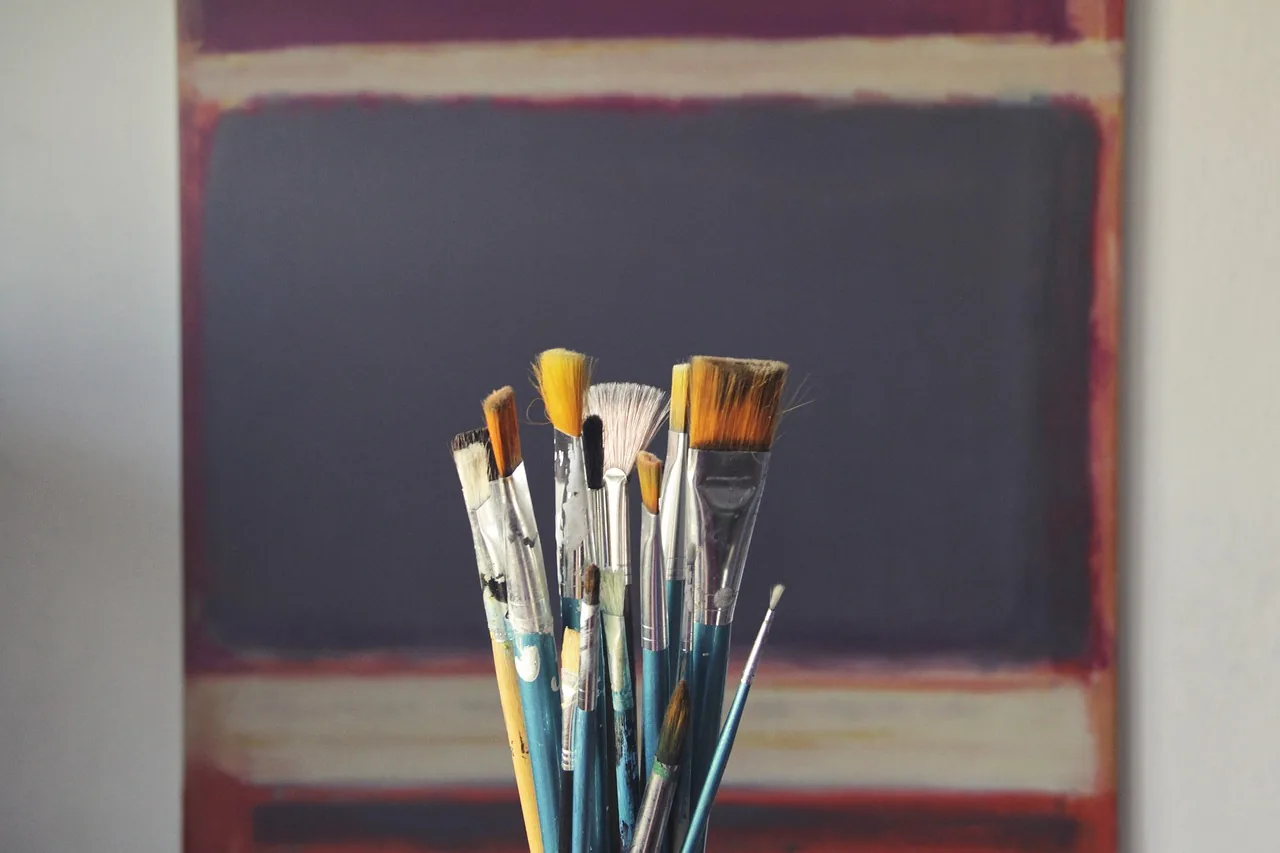
In short, traditional painting techniques and color palettes were crucial to the development of art. Renaissance artists used them to create masterpieces that continue to inspire us.
| Technique | Description |
|---|---|
| Oil painting | Produces rich colors and finer details |
| Chiaroscuro | Gives portraits and landscapes a three-dimensional appearance |
| Perspective | Creates more realistic and engaging compositions |
Mastering color and light
Artists have always been fascinated by mastering color and light. Learning to paint requires a sound understanding of these elements. The Secrets of the Great Masters of Painting shows how earlier masters used natural pigments.
Here are some techniques the masters used:
- Using natural pigments from various sources, including minerals
- Preparing colors from natural pigments
- Layering thin coats of translucent paint, known as glazes
Rembrandt and Vermeer used these techniques to create masterpieces. Their works still inspire us today. By studying them, we can learn to master color and light.
Using these techniques can bring us closer to the secrets of the great masters of painting. We can then create works that reflect our own vision and style.
The secrets of the great masters of painting revealed
Famous artists have long been fascinated by art history, which has changed greatly over the centuries. By the fifteenth century, oil paint was already used on easels across Europe. It replaced tempera before the modern techniques we know today emerged.
Masters such as Leonardo da Vinci used sfumato to create softness and depth in their works. Impressionists such as Monet and Renoir used quick brushstrokes and pure colors to capture the light and colors of nature.
Here are some techniques used by the great masters of painting:
- Sfumato, popularized by Leonardo da Vinci, involves layering thin coats of paint to create a soft effect.
- Chiaroscuro, used by artists such as Caravaggio, relies on contrasts between light and shadow to create striking compositions.
- Impressionists used quick brushstrokes and dabs of pure color to capture the light and colors of nature.
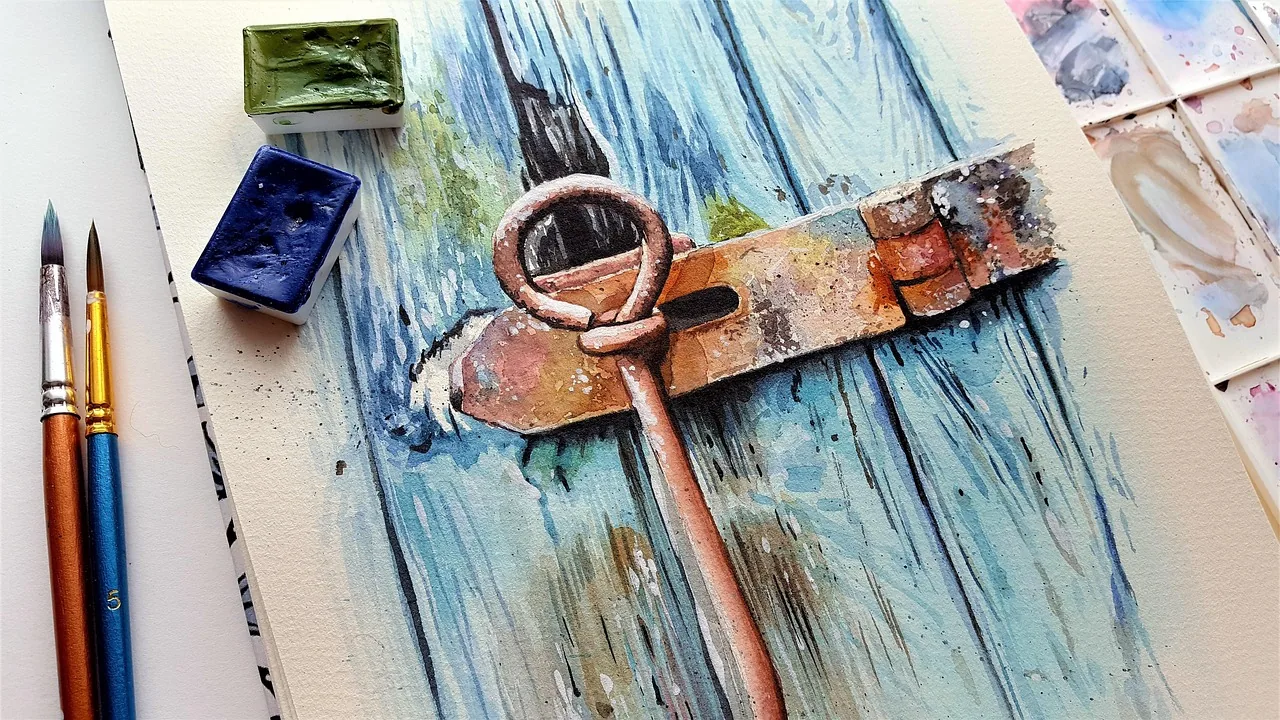
Studying art history and the techniques of famous artists helps us understand their vision and creativity. The great masters left an enduring legacy in art. Their influence can still be felt today.
| Artist | Technique | Period |
|---|---|---|
| Leonardo da Vinci | Sfumato | Fifteenth century |
| Monet | Quick brushstrokes | Nineteenth century |
| Caravaggio | Chiaroscuro | Sixteenth century |
The master’s studio: exceptional tools and materials
Art museums protect masterpieces of painting. They show how artists use particular tools and materials. Brushes, for example, are essential for creating textures and applying color.
The choice of support and canvas is essential. Artists select materials to suit their techniques. Traditional varnishes and mediums protect and enhance colors.
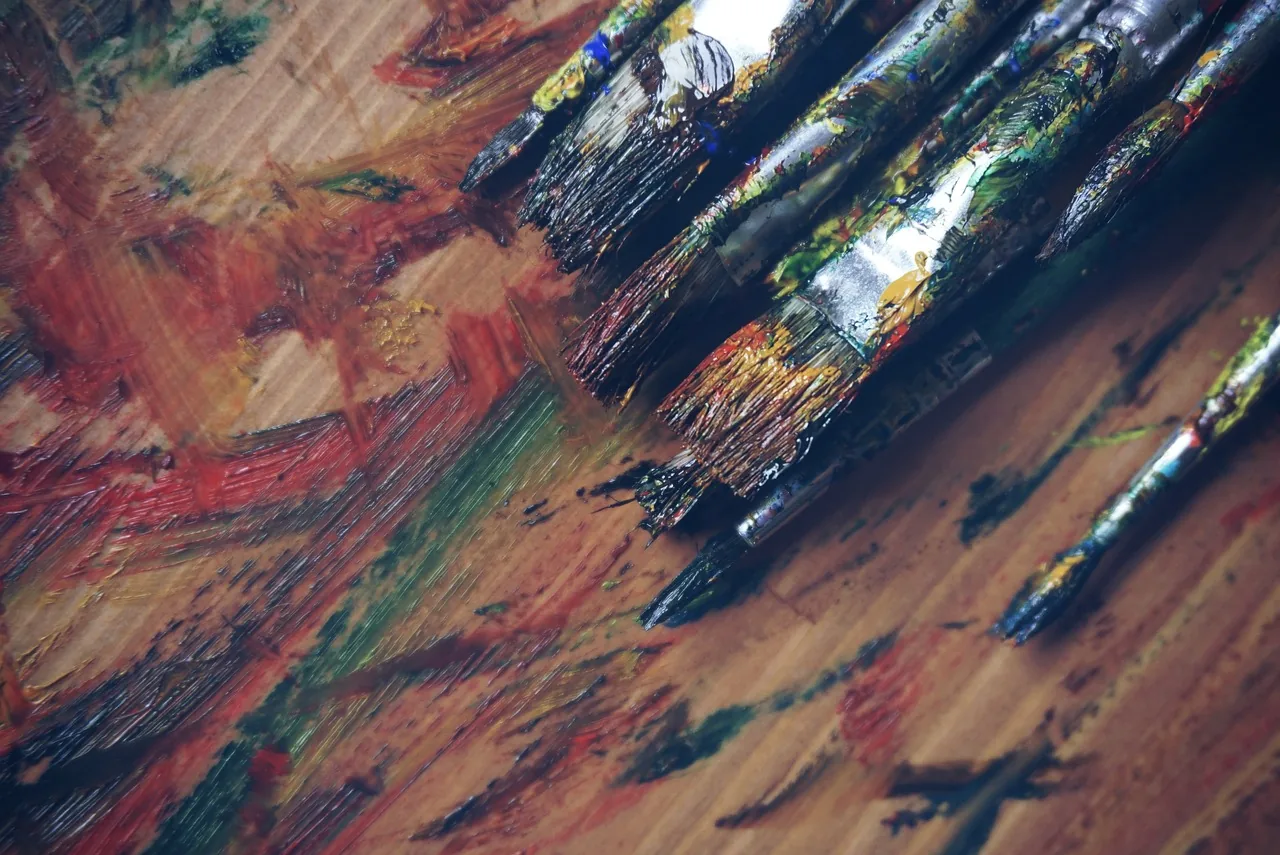
Art museums let us discover the techniques of the great masters. Visitors can admire their masterpieces and learn more about their tools and materials. These places inspire art lovers.
| Museum | Masterpiece | Painting technique |
|---|---|---|
| Louvre | Mona Lisa | Oil painting |
| Orsay | Impression, Sunrise | Oil painting |
| Centre Pompidou | Les Demoiselles d’Avignon | Oil painting |
From apprentice to master: the journey of learning
Becoming a master painter takes considerable time and effort. It requires mastery of traditional painting techniques and a thorough understanding of the color palette. Learning to paint calls for patience, determination, and a love of art.
The masters worked for years to perfect their techniques. They developed a unique color palette that reflected their style. Learning to paint is an endless journey that requires a constant willingness to learn.
On the Conseil Création Artistique website, you can discover the masters’ secrets. You will learn about the traditional painting techniques that contributed to their success. You will also explore their different color palettes and artistic styles.
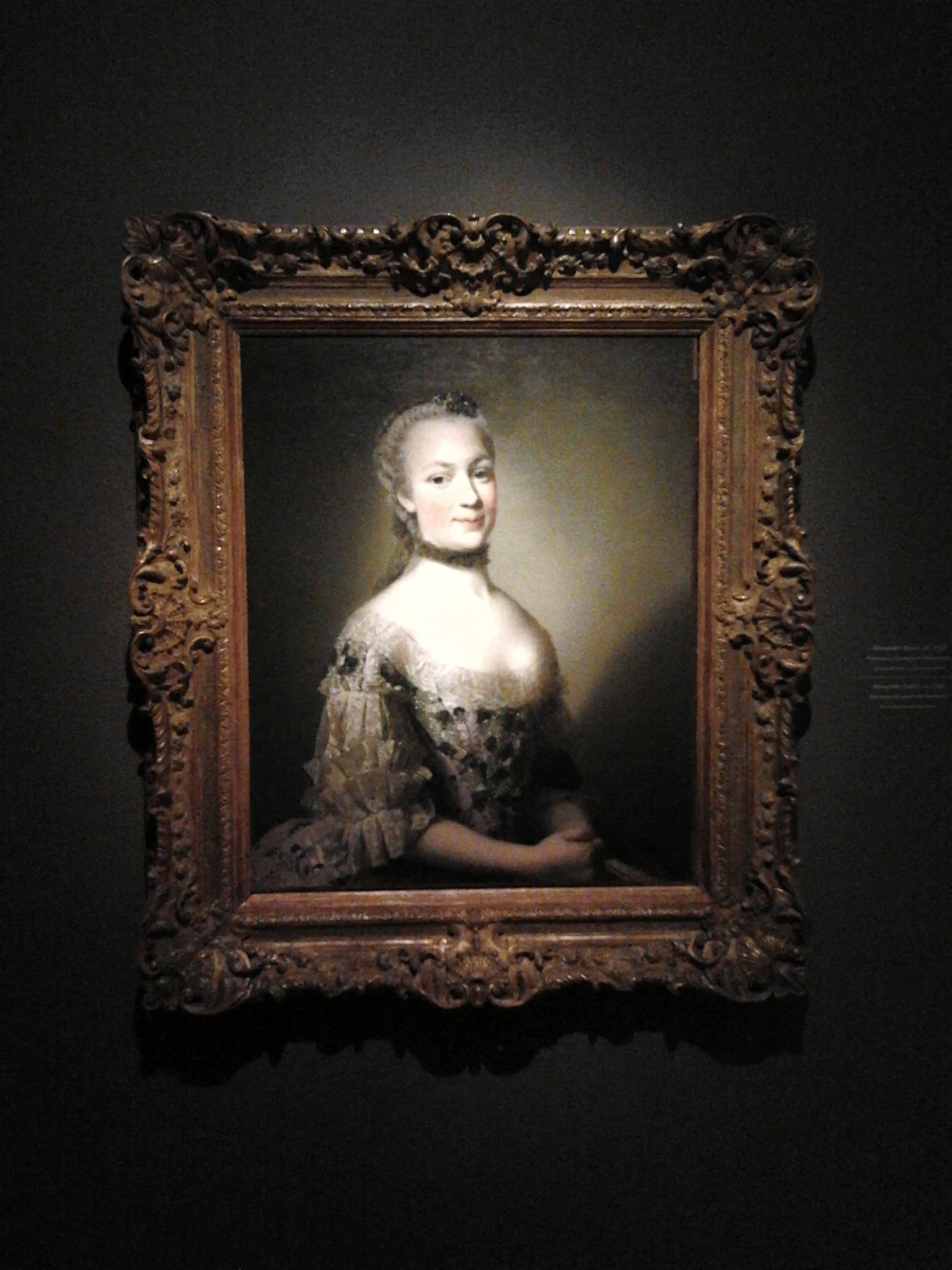
The journey from apprentice to master is exciting and full of lessons. It takes a love of art and a desire to keep improving. By following the great masters’ example, you can create unique works of your own.
Conclusion: the enduring legacy of the great masters
After this fascinating journey, it is clear that the legacy of the great masters of painting continues to influence art. From Cimabue to Andy Warhol, these artists pushed the boundaries of their times. They passed valuable techniques and knowledge on to later generations of artists.
Their command of color, use of chiaroscuro, and preparation of painting supports left their mark on art history. Discovering these secrets gives artists today and in the future a source of inspiration. In this way, they carry on the tradition of the great masters through the centuries.