
These 10 essential painting techniques will help you learn to paint. Start by choosing the right brushes and getting to know the different types of paint.
Visit sites such as art fundamentals to build a foundation. You will learn how to use colors effectively.
By following these tips and practicing, you will improve your skills and create unique works. Use these 10 techniques to paint creatively.
Painting materials: the fundamentals
Painting is an art that calls for quality tools. Knowing how to use brushes is crucial to getting good results. Sable-hair brushes are very expensive but are recommended for oil painting.
It is also important to know the different types of paint. For example, you can add linseed oil to give oil paint a glossy finish. Color-mixing tips are essential for harmonious results.
Choosing the right brushes
Choose brushes according to the type of paint. Here are a few tips:
- Sable-hair brushes are ideal for oil painting.
- Synthetic brushes are better suited to acrylic painting.
Understanding the different types of paint
There are several types of paint, each with its own characteristics. Here is a table of the main types:
| Type of paint | Characteristics |
|---|---|
| Oil paint | Rich and glossy, ideal for details |
| Acrylic paint | Quick-drying, ideal for large-scale works |
Mastering color mixing
Color mixing is crucial for visual artists. To paint with color, you need to understand the basics. The color wheel, with its primary colors, is essential.
Primary colors such as magenta, primary yellow and cyan blue can be mixed to create secondary colors. These give us red, violet and green. Combining secondary colors with primary colors creates tertiary colors. This lets you produce a wide range of shades.
To create mixed-media paintings, you can combine acrylic paint with markers or a pen. Apply thin layers of acrylic paint. Start with light tones and distant shapes, then add darker shades for a successful result.
Here are a few tips for mixing colors well:
- Understand the basic principles of color mixing
- Know the primary and secondary colors
- Use quality paint brands
- Experiment with different mixing techniques
Basic techniques for getting started with painting
Painting calls for creativity and a command of texture techniques. To get started, you need to know the basic techniques. Leaving areas white is important for creating contrast and depth.
Basic techniques include the wash technique, which involves applying diluted paint to a surface for a transparent effect. Here, applying flat areas of color means applying thick layers to create texture. A simple gradient lets you move from one color to another for a gradual transition.
Layering involves applying several layers of paint to create depth. These basic techniques are essential for making unique works. They help you develop your style and express your artistic vision.
In short, knowing the basic techniques is essential in painting. They let you create works that show creativity and a command of texture techniques. By mastering them, painters can create unique works that reflect their vision.
How to create depth and dimension
To paint realistically, you need a good understanding of shading and lighting. You also need to know the principles of artistic composition. Shadows and highlights help create a sense of depth and distance in a work.
Understanding perspective is crucial to giving a painting depth. Here are a few tips:
Shading techniques
- Use shadows to create a sense of volume
- Vary the intensity of shadows to create a sense of depth
- Use light to create contrast and bring out details
Using perspective
Perspective is essential for creating the illusion of depth. To use it, you need to understand its rules, particularly how to use lines and vanishing points.
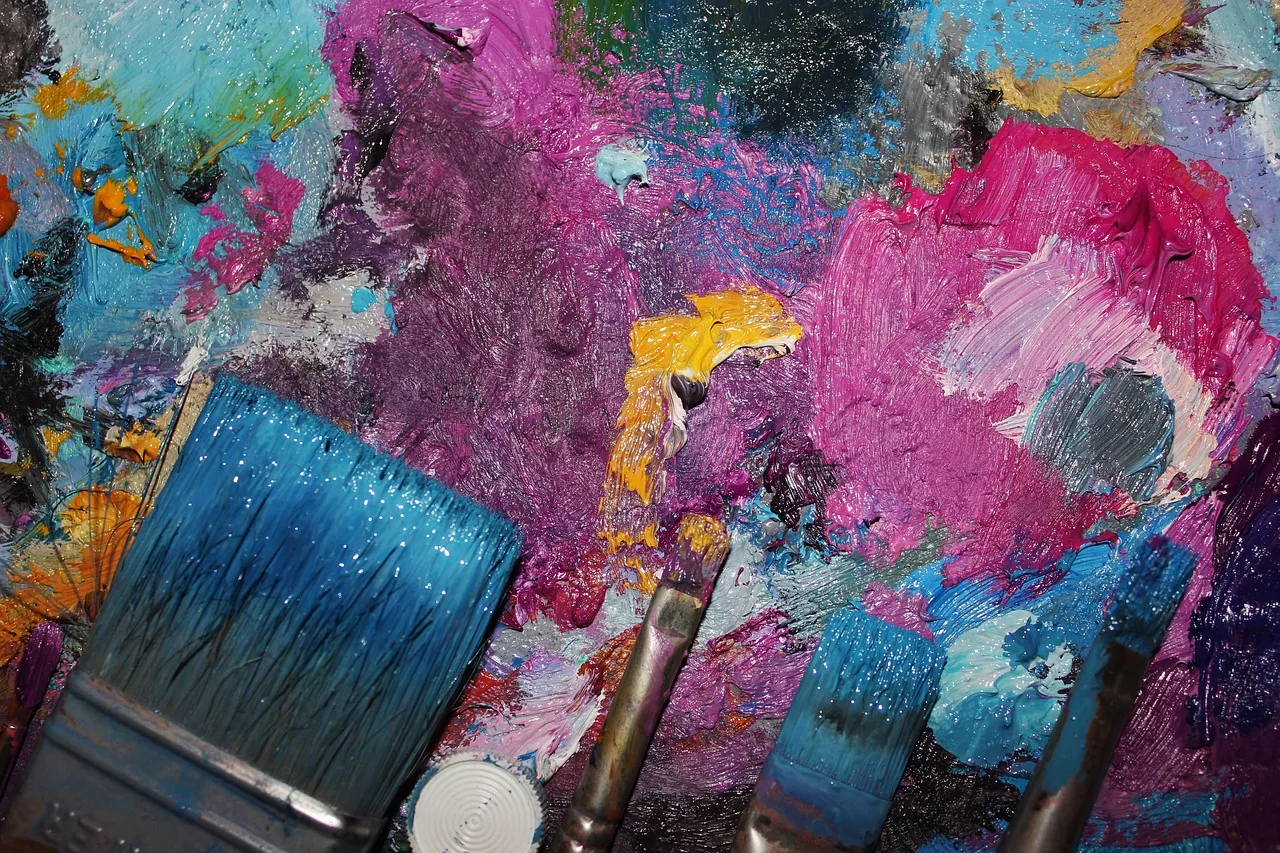
Creating contrast
Contrast is crucial to giving a painting depth and dimension. You can create it through color, value and texture. This table illustrates those contrasts:
| Color | Value | Texture |
|---|---|---|
| Light | High | Smooth |
| Dark | Low | Rough |
By following these tips, you can create realistic paintings with a strong sense of depth and dimension.
Exploring textures and special effects
Texture techniques and special effects enrich your paintings. You can create unique textures with paper, fabric and natural objects. The artistic creation experts recommend practicing regularly to improve your skills.
Here are a few ways to explore textures and special effects:
- Use different materials to create textures
- Apply specific painting techniques to create effects of light and shadow
- Incorporate natural elements to add depth and texture
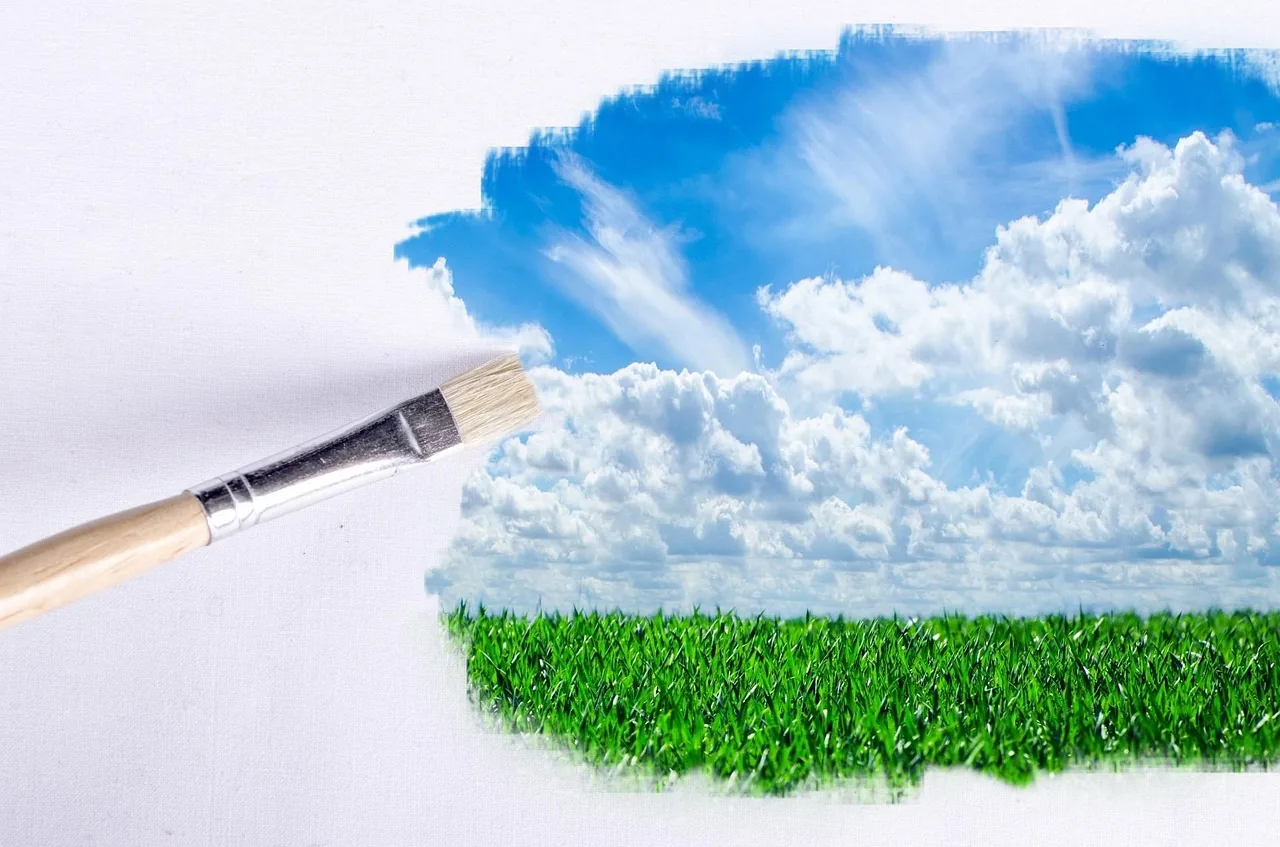
Visit Proedu for tutorials and advice on digital painting. Learning to select elements, use layer masks and edit photos is crucial.
Creativity in painting is essential for making unique works. By experimenting, you develop your style. Creativity in painting takes practice, patience and experimentation.
| Texture techniques | Special effects |
|---|---|
| Using different materials | Applying specific painting techniques |
| Incorporating natural elements | Using photo-editing software |
10 essential painting techniques for beginners and hobbyists: practical applications
To improve at painting, you need to practice regularly. Acrylic paint is ideal for beginners: it is easy to use and dries quickly. To paint with color, you need the right materials, including quality paints, good brushes and a suitable surface.
Here are a few color-mixing tips to help you:
- Use a color wheel to create harmonious color schemes
- Experiment with different painting techniques, such as washes and gradients
- Practice regularly to improve your painting skills
Taking classes or courses can also help you learn the basic techniques. You can draw inspiration from artists such as René Milone, Gerhard Richter and Marlene Dumas.
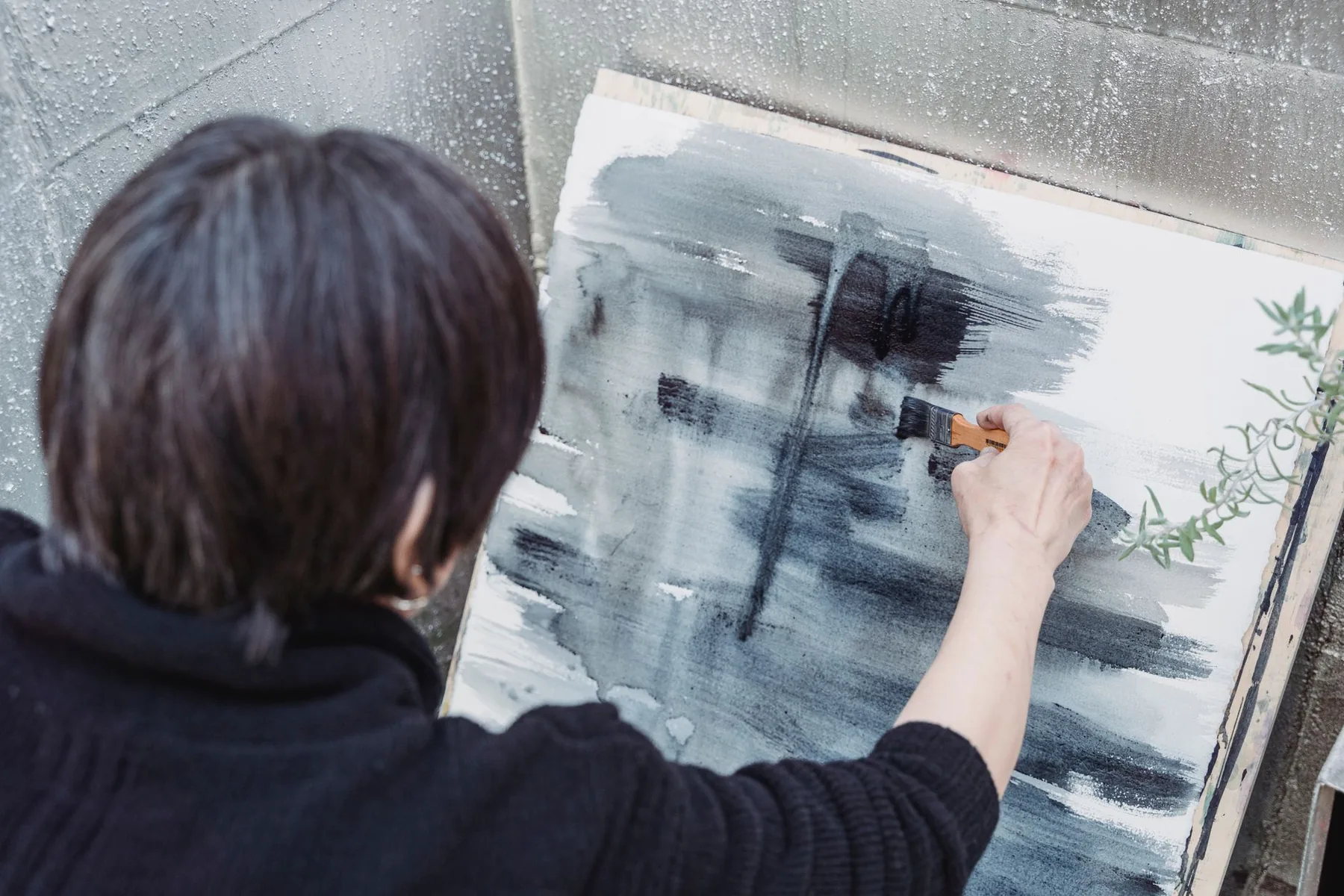
To sum up, practice regularly to improve at painting. Choose the right materials and learn the basic techniques. Follow these tips to create quality works. You will improve your ability to paint with color and apply color-mixing tips.
| Painting technique | Description |
|---|---|
| Acrylic painting | A technique that uses acrylic paints to create painted works |
| Oil painting | A technique that uses oil paints to create painted works |
| Watercolor painting | A technique that uses watercolors to create painted works |
Conclusion: developing your personal style
You now know the basics of painting. The real challenge is creating your own style by exploring your ideas and letting your creativity flow freely.
Do not be afraid to try new things. Experiment with colors and textures. That is how you will find your artistic voice.
Through practice and new experiences, you will refine your style and create a signature that feels like your own. The path into art is full of discoveries, which is what makes it so exciting.