
The world of artistic painting is full of colors and possibilities. To create unique works, you need a sound understanding of color theory. This guide introduces its foundations and helps you improve your painting skills.
Painting requires an understanding of primary, secondary, and tertiary colors. Combining them thoughtfully creates vibrant works. You can also learn more about analogous color schemes to improve your practice.
In this guide, you will discover the principles of color theory. You will learn to mix colors to create unique works. Whether you are a beginner or an experienced painter, this guide will help you develop your skills and bring your projects to life.
The fundamentals of color theory
Color theory is essential in painting and design. It helps explain how colors work together and how to create harmonious combinations. A color palette helps you choose colors that suit a project.
Primary colors, such as red, yellow, and blue, are the foundation for other colors. They cannot be produced by mixing other colors, which makes them distinctive. Color theory teaches us how to mix them to produce other colors and how to use their temperature to create visual effects.
The color wheel explained
The color wheel shows the relationships between colors. It organizes them into primary, secondary, and tertiary colors. It helps you create harmonious combinations and avoid awkward pairings.
Primary, secondary, and tertiary colors
The primary colors are red, yellow, and blue. Secondary colors result from mixing two primary colors. Tertiary colors combine a primary color with a secondary color. Understanding these categories is essential for successful design.
Understanding color temperature
Color temperature plays an essential role in creating harmony. Warm colors, such as red, suggest energy. Cool colors, such as blue, create a sense of calm. Using temperature helps evoke emotions in a design.
| Color | Temperature | Emotion |
|---|---|---|
| Red | Warm | Energy |
| Blue | Cool | Calm |
| Yellow | Warm | Joy |
Essential color mixing techniques
Color mixing techniques are essential for creating harmony and contrast. To mix colors effectively, you need to understand them and know how to combine them. Primary, secondary, and tertiary colors form the basis of color theory.
Here are some basic rules for mixing colors:
- Use single-pigment colors for brighter, more predictable results.
- Create tints, shades, and tones by adding white, black, or gray to your base colors.
- Use the color wheel to identify colors, make them stand out, strengthen contrasts, and create harmony.
To learn more about color mixing techniques, you can visit apprendre-la-peinture.com. It offers advice and tips for mixing colors successfully.
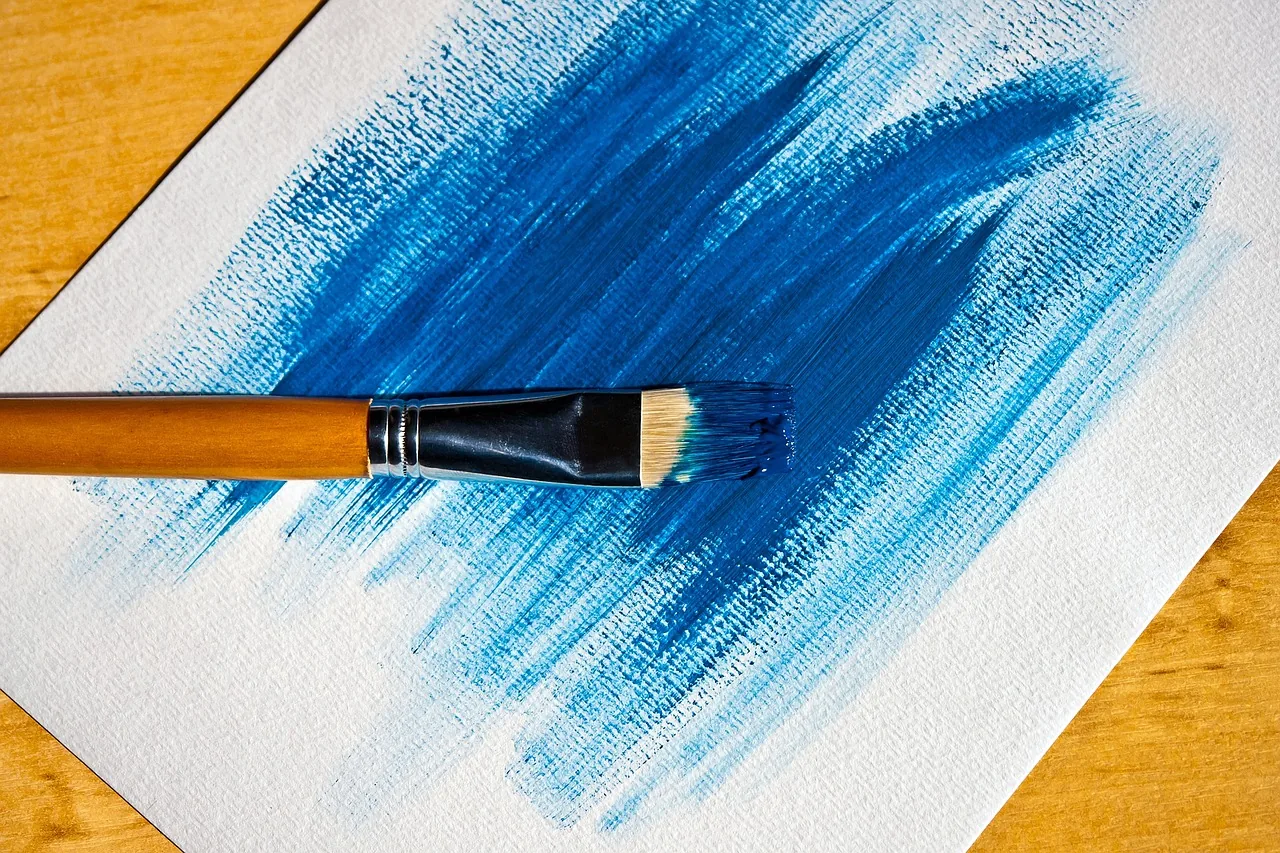
In short, color mixing techniques are essential for creating harmony and contrast. By understanding colors and following the basic rules, you can achieve precise effects and improve your painting skills.
| Color | Code | Description |
|---|---|---|
| Red | PR 112 | Vermilion |
| Yellow | PY3 | Light cadmium yellow |
| Blue | PB29 | Ultramarine blue |
Complete Guide to Mixing and Using Colors in Painting: Advanced Methods
Painters use color to express their emotions. The Guide to Painting and Color helps explain advanced methods. To apply them, you need to understand the properties of colors and how they interact.
Advanced methods include creating tints, shades, and tones, developing complex color harmonies, and using glazing and layering techniques. They allow you to create visual effects and work with light.
- Creating tints, shades, and tones
- Complex color harmonies
- Glazing and layering techniques
Pigments absorb light according to their chemical composition, which determines their color. Painters use them to create tones and variations.
With these advanced methods, painters create unique works. The Guide to Painting and Color helps you improve your skills and explore new possibilities in painting.
| Method | Description |
|---|---|
| Creating tints, shades, and tones | Using pigments to create variations in color and tone |
| Complex color harmonies | Combining colors to create complex harmonies |
| Glazing and layering techniques | Using layers of paint to create lighting effects |
Tools and materials needed to mix colors
Mixing colors is a creative process that requires suitable tools and materials. A well-organized color palette is essential for creating complex color harmonies. Color mixing techniques vary with the type of paint used: oil, acrylic, or watercolor.
Brushes and palettes are the basic tools for mixing colors. Choose brushes according to the texture and size you want. Palettes should be large enough to hold all the colors you need. You can find advice about color mixing techniques and the necessary tools on specialist sites.
You should also consider the properties of each type of paint. For example, oil paint is ideal for creating texture, while acrylic paint is better suited to work that requires quick drying. Essential accessories include solvents, mediums, and varnishes, which let you change the texture and finish of the paint.
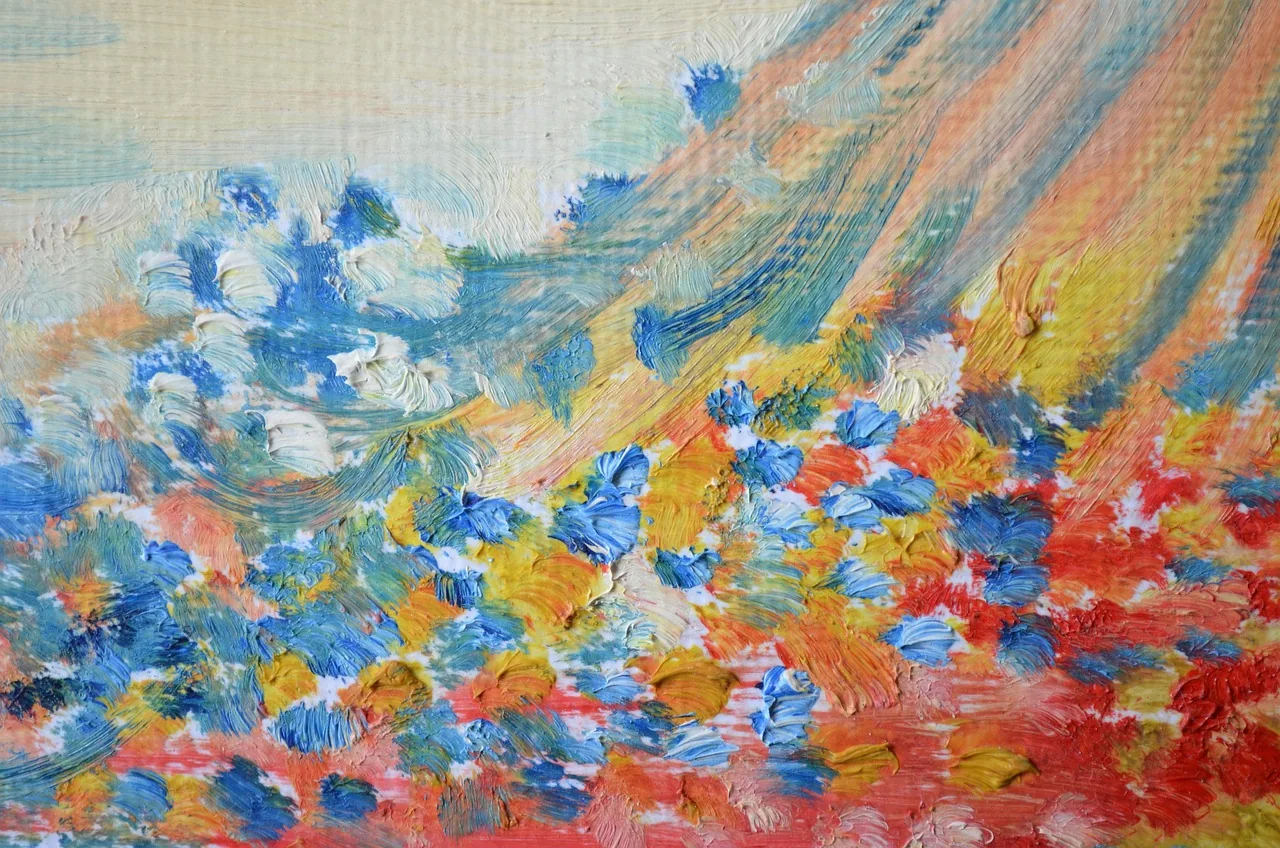
Here are some examples of materials needed to mix colors:
- Brushes of different sizes and shapes
- Plastic or glass palettes
- Oil, acrylic, or watercolor paints
- Solvents and mediums
- Varnishes and gums
In short, mixing colors calls for a good grasp of color mixing techniques and the necessary tools. With a well-organized color palette and suitable tools, you can create unique and expressive works of art.
Practical applications in different painting styles
Artistic painting takes many forms. It allows artists to express their creativity in their own way. Colors play an essential role in creating works that appeal to viewers and evoke emotions.
There are several painting styles, including realism, abstract art, and Impressionism. Each uses color in its own way, helping artists express particular emotions.
Artistic painting techniques include creating textures and simulating light. You can paint on canvas, wood, or other surfaces to create unique, personal works.
To learn more about oil painting, visit Amal Gallery. You will find advice and tutorials for artists there.
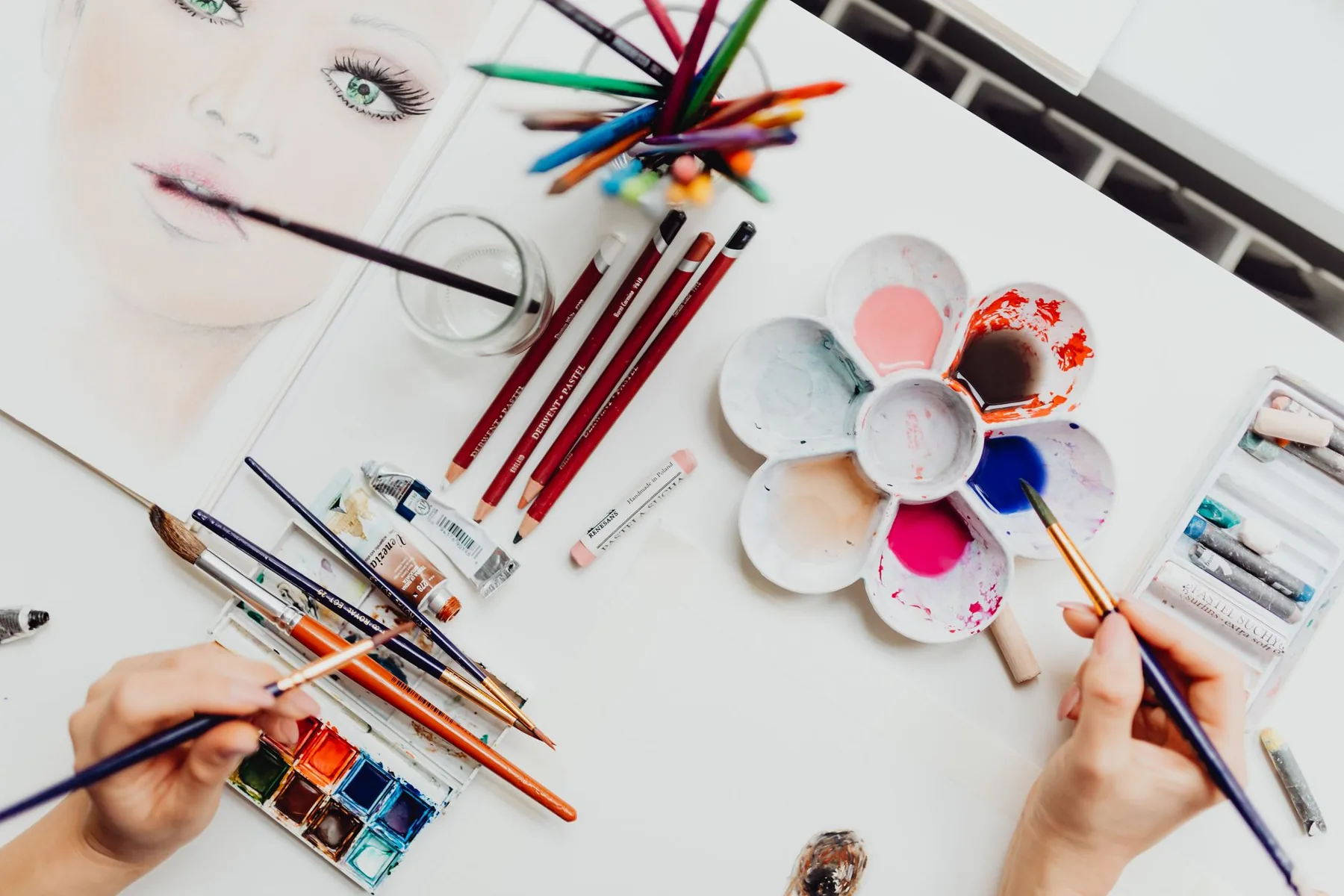
In conclusion, artistic painting and the use of color in art offer many possibilities. By choosing a suitable style and technique, artists can create unique works that reflect their vision and creativity.
Solving common color mixing problems
Mixing colors can be complicated. It is common to encounter difficulties when creating subtle variations. Color mixing techniques help solve these problems. Contacting an expert can also help with difficult combinations.
Here are some common problems in diamond painting projects:
- Difficulty distinguishing color codes
- Mixing diamonds of different colors
- Running out of diamonds
- Creases or curling in the canvas
To solve these problems, you need a good understanding of color mixing techniques. Applying them correctly can help you create rich colors and avoid mistakes.
In short, understanding and applying color mixing techniques is essential. Following this advice helps you create beautiful works of art.
| Problem | Solution |
|---|---|
| Difficulty distinguishing color codes | Use color formulation software |
| Mixing diamonds of different colors | Use advanced color mixing techniques |
| Running out of diamonds | Add more diamonds |
| Creases or curling in the canvas | Use a color mixing system for wood stains and varnishes |
Conclusion: Mastering the art of color mixing
Congratulations! You have completed this complete guide to mixing colors. You now know how to create rich, harmonious colors. Yet the art of color mixing remains an endless source of discovery.
Keep exploring color theory and experimenting with different mediums and techniques. Attend workshops and exchange ideas with other artists. Regular practice will help you refine your style.
Let your creativity flow and discover the endless possibilities offered by the art of color mixing.