
Introduction: rap has become a central force in music in France. It combines lyrics and rhythms within a culture that also includes DJing, dance and graffiti.
This scene has its roots in working-class neighborhoods of the 1980s. Figures such as Dee Nasty, NTM and IAM have shaped its history.
Rap is a means of expression that reflects social realities. It reaches a broad audience and lets each artist build a distinct identity.
Technically, flow, diction and rhythm remain essential. Lyrics, from rhymes to punchlines, often define the world of a project.
Finally, the range of styles—from boom bap to trap—and the arrival of a new school show the continuities and breaks that keep the genre evolving.
French rap today: a dominant and varied genre
Today, rap stands as a dominant musical genre on streaming platforms and in cultural conversations in France.
The landscape keeps changing: trap, revived boom bap, Afro fusions and pop/R&B hybrids coexist. This diversity reflects influences from many directions and constant creativity.
Streaming services (Spotify, Deezer, YouTube) have transformed the ecosystem. Artists can reach audiences directly without relying solely on radio or labels. Social media helps new acts emerge quickly.
The scene still draws on established institutions such as Planète Rap, as well as open mics, collectives, studios and independent labels. Its French-speaking connections—particularly in Belgium and Canada—extend its reach beyond national borders.
“Today, the genre runs through popular culture, from language to fashion.”
Rappers and their teams navigate between independence and major record companies. Their audience is now broader and spans generations. This energy confirms that French rap continues to write its own history.
French hip-hop: the essentials to know—its conventions, culture and foundations
Technical fundamentals support the writing and stage presence of emerging talent.
Flow, diction, breath and rhythm
Diaphragmatic breathing, clear articulation and steady timing are indispensable. Develop your breath control with short exercises, then longer ones, and vary the tempo to strengthen your delivery over time.
Lyrics, rhymes and themes
Writing should aim for substance: metaphors, assonance and punchlines can serve social or personal themes. Rewriting and active listening help improve where syllables fall within a bar.
Freestyle, battles and stagecraft
Freestyle and battles are laboratories for creativity. They develop verbal agility, stage confidence and ease in front of an audience.
Culture and identity
The culture encompasses rap, DJing, graffiti and breaking. Knowing these historical pillars strengthens artistic coherence and helps shape a distinct identity.
| Element | Suggested exercise | Goal |
|---|---|---|
| Breath | Long breaths and phrasing over a bar | Vocal stamina |
| Diction | Reading aloud and recording yourself | Clear, precise articulation |
| Writing | Rhyme schemes and rewriting | More impactful lyrics |
| Performance | Open mics and battles | Presence and quick thinking |
To begin, adopt simple habits: record yourself often, seek feedback from other rappers and listen to a wide variety of rap music. For practical advice, see a tutorial on how to rap.
From the underground to the charts: the history of French rap from the 1980s to today
Rap’s journey in France combines street roots and commercial success. Its emergence is generally placed in the early 1980s, with the first records and the establishment of hip-hop culture (breaking, graffiti and DJing).
1980s: emergence
In 1984, Dee Nasty released Paname City Rappin’. NTM emerged in Seine-Saint-Denis. These milestones rooted a local movement in a strong cultural foundation.
1990s: the golden age
The 1990s brought IAM, MC Solaar and NTM to prominence. Albums such as L’École du micro d’argent and Qui sème le vent récolte le tempo made this period a turning point in the genre’s recognition.
From the 2000s to today
The 2000s opened the way to greater variety: Booba, Rohff, Soprano and Diam’s combined commercial success with new influences.
From the 2010s through the 2020s and beyond
The digital era supported the rise of PNL, Nekfeu and trap. Since 2020, international collaborations and hybrids (Afro, R&B) have broadened the French-speaking scene.
| Decade | Key figures | Impact |
|---|---|---|
| 1980s | Dee Nasty, NTM | Emergence and cultural roots |
| 1990s | IAM, MC Solaar, NTM | Golden age and classic albums |
| 2000s | Booba, Rohff, Diam’s | Diversification and commercial success |
| 2010s–2020s and beyond | PNL, Nekfeu, Kaaris, SCH | Streaming, trap and digital strategies |
“The genre’s trajectory shows how social themes have persisted while being recast over time.”
Pioneers and foundational classics: IAM, NTM and MC Solaar
Several pioneers forged a musical and urban language that became a national reference point.
IAM and L’École du micro d’argent
IAM, a group from Marseille, established a learned, philosophical style.
The album L’École du micro d’argent (1997) remains a classic that expanded rap’s reach.
It helped define a style rich in references and arrangements.
NTM: energy and rebellion
NTM, with JoeyStarr and Kool Shen, embodied rebellion in the suburbs.
Suprême NTM (1998) remains a landmark for its outspoken message and impact on stage.
MC Solaar: poetry and mainstream appeal
MC Solaar renewed rap writing through wordplay and a fluid flow.
Qui sème le vent récolte le tempo (1991) brought rap music to a broad audience.
These artists established approaches to writing, flow and production that still inspire new generations.
To learn more about MC Solaar’s career, read this interview.
Major currents: conscious and hardcore rap in France
In contemporary rap, some voices prioritize political expression, while others emphasize intensity on stage.
Conscious rap
This current addresses inequality, racism and responsibility. Kery James, Médine and Youssoupha write substantial lyrics that explore identity and public debate.
Songs can become calls for change. They favor the force of words over sonic effect.
Influenced by American gangsta rap, hardcore rap favors boasting, dark atmospheres and Auto-Tune. Booba, Rohff and La Fouine are notable figures.
The sound and power of the performance support an often more provocative identity.
“These currents coexist and add to the genre’s richness.”
| Current | Focus | Examples |
|---|---|---|
| Conscious | Social themes and politically engaged writing | Kery James, Médine, Youssoupha |
| Hardcore | Street life, boasting and dark atmospheres | Booba, Rohff, La Fouine |
| Blends and influences | Crossovers and local innovation | Hybrid projects and commercial success |
Both currents nourish the scene. They give audiences points of reference and help French rap evolve.
The new school and trap: PNL, Nekfeu, Damso and changing conventions
A newer current is changing established approaches through atmospheric vocals, electronic beats and personal lyrics. This evolution reshapes the relationship between image, performance and writing.
PNL: cloud rap, visual style and melancholy
PNL embodies melancholic cloud rap. The duo’s distant media strategy, with rare interviews and cinematic visuals, has sustained a carefully managed air of mystery.
Albums such as Dans la légende showed how a strong visual world can support the music and build a loyal, wide audience.
Nekfeu: technique, introspection and a generational bridge
Nekfeu connects the old school with the modern scene. His first album, Feu, combines command of flow with introspective lyrics.
He shows how technical skill can also serve contemporary sensitivity and the development of an artist’s story.
Damso: raw writing and a trap sound
Damso, a Belgian figure, brings abrasive writing to modern trap productions. Ambiguity and intensity mark his lyrics.
These three artists have used social media and streaming to bring their creativity to wider attention. They mix styles and American and European influences while retaining qualities distinctive to the genre.
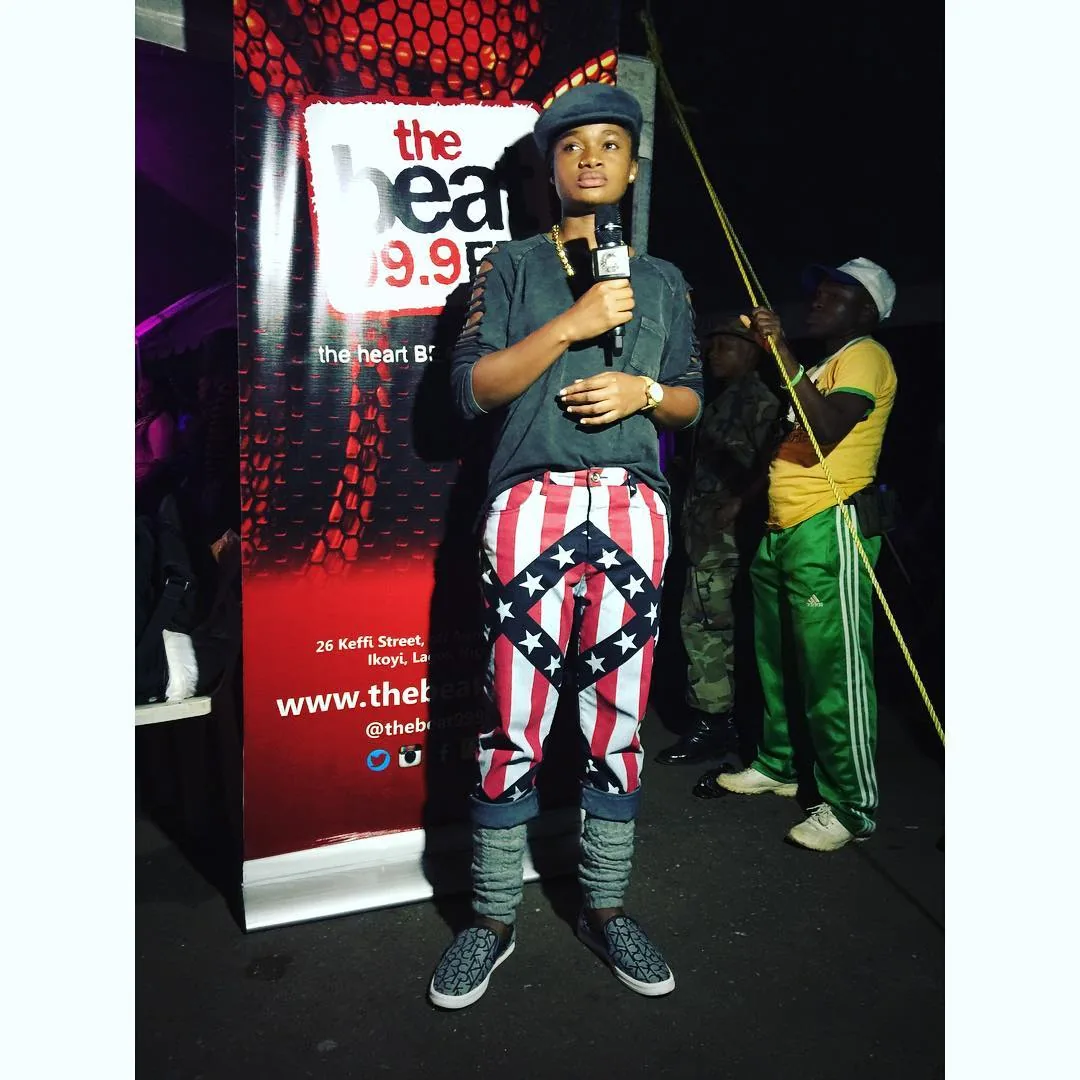
“The album remains central: it makes it possible to build a coherent world, even in the age of playlists.”
Women in rap in the spotlight: from Diam’s to Keny Arkana and Shay
The careers of Diam’s, Keny Arkana and Shay show the variety of approaches and causes championed by women artists. They have adapted their voices, themes and strategies to reach different audiences.
Diam’s: huge success and personal and social themes
Diam’s won over mainstream audiences with the album Dans ma bulle. Her song SOS illustrates her commitment and her ability to combine personal experience with social issues.
Her success gave legitimacy to sensitive subjects and opened doors for other musicians.
Keny Arkana: activist rap from Marseille and fierce poetry
Keny Arkana embodies an activist and poetic voice. Her project Entre ciment et belle étoile combines rebellion and elegy.
Her lyrics carry a strong political and social identity. She remains a touchstone for politically engaged rap.
Shay: trap, R&B, attitude and broader appeal
Shay blends trap, R&B and pop. Hits such as PMW and Jolie show her feel for a chorus.
Her style and artistic world reach a broader audience and refresh the genre’s conventions.
| Artist | Distinctive quality | Reference | Impact |
|---|---|---|---|
| Diam’s | Personal and social | Dans ma bulle, SOS | Mainstream success and recognition |
| Keny Arkana | Activist and poetic | Entre ciment et belle étoile | A voice for collective struggles and a source of inspiration |
| Shay | A blend of trap and R&B | PMW, Jolie | Broader appeal and mainstream success |
These varied careers show how women enrich rap. Their lyrics, music videos and collaborations increase their visibility and inspire a new generation.
For a closer analysis of women rappers’ place in the industry, read this article on the place of women rappers.
Styles, influences and sounds: how the rap scene keeps reinventing itself
Today, beats range from traditional boom bap to more synthetic soundscapes.
From boom bap to electronic textures
Boom bap has given way to more spacious rhythms and digital sounds.
Classic samples now coexist with synthesizer layers and understated bass.
From boom bap to electronic textures
This evolution changes how voices sit in the beat and how tracks are structured.
Albums sometimes favor atmosphere over lyrical density. Others rely on contrast.
Identity, creativity and hybrid styles
Blends with Afro styles, pop, reggaeton and R&B enrich the musical vocabulary.
These combinations encourage distinctive new sounds and open up international possibilities.
- Formats: viral singles, EPs, mixtapes and concept albums coexist.
- Production: sound choices serve the intent of the lyrics and the identity of each project.
- Distribution: music is made for both live performance and digital platforms.
This creative flexibility benefits established artists and newcomers alike.
To understand this trajectory and its impact, read the article on the evolution of rap in France.
Performance, media and distribution: reaching a wider audience from radio to streaming
Building an audience calls for a balance between live performance and digital strategy. The local scene shapes conventions and energy. Platforms extend the reach of projects over time.
From open mics to Planète Rap
Open mics, freestyles and showcases provide stepping stones. They offer opportunities to work on timing, audience engagement and professional skills.
Planète Rap (Skyrock, 1996) helped accelerate many careers. Today, artists such as PNL and Nekfeu combine radio with social media.
Streaming, social media and album strategy
Streaming depends on specific tools: editorial playlists, algorithms and release schedules. Adapt formats to listeners’ attention spans.
A lasting career often follows this path: an introductory EP, an album that builds on it, a tour and merchandise. Consistent visuals across music videos and covers strengthen a project’s identity.
- Reach a wider audience: collaborations, social media content and authentic storytelling.
- Measure and adjust: performance indicators, engagement rates and listens help refine decisions.
- Build a professional career: a manager, booking agent, publicist and rights management can support long-term success.
Success combines strong live performance, striking visuals and a measured digital strategy.
For a historical perspective on the scene and its social impact, read the related study.
Conclusion
The story of rap in France is one of successive innovations built on a strong legacy. From its emergence in the 1980s to landmark albums by IAM and MC Solaar, the genre’s history established its conventions and its first distinct styles.
The digital revolution and media outlets such as Planète Rap expanded the audience. More recent projects (PNL, Nekfeu, Damso) transformed the sound while retaining distinct identities.
This rich landscape shows the genre’s ability to absorb influences while keeping its points of reference. For creators and listeners alike, exploring these careers offers ways to continue their own journeys and enrich the culture.