
For nearly a decade, rap has led popular music in France. Streaming charts and album sales confirm its continued dominance since 2016.
This dominance is especially visible online, where platforms can quickly turn new releases into hits. At the same time, visual storytelling and increasingly professional music videos carry the scene and its artists beyond national borders.
This report explains why and how this music reaches audiences worldwide, using streaming data, examples of prominent artists and an analysis of the drivers of growth. To better understand the trends and strategic opportunities, see this detailed analysis of the evolution of rap and streaming, which sheds light on recent developments and immediate opportunities.
Scope and timeframe of the trend analysis
Our study covers recent years and takes 2016 as a turning point. That year marked the start of rap’s sustained growth in listening and sales.
The method combines streaming data, discovery indicators, social signals and artists’ career paths. The aim is to provide a measurable account of current developments.
We examine several elements: tracks, albums, music videos, live performances and exposure on social networks and platforms. Specialist articles provide additional context without replacing measurable data.
- Timeframe: continuous observation of recent years, with 2016 as a milestone.
- Method: streaming data, discovery indicators and social media signals.
- International reach: English-language reaction videos and viral sharing.
- Elements examined: tracks, albums, music videos and live shows.
The first finding is that France is the world’s second-largest rap market after the United States. Listening has shifted to streaming. Social media both announces releases and builds support among communities across borders.
A genre that dominates streaming but has less presence on radio and television
Listening habits have changed: platforms now determine which tracks become essential listening. Since 2016, French rap has held leading positions in album sales and streaming charts, signaling a lasting change in the market.
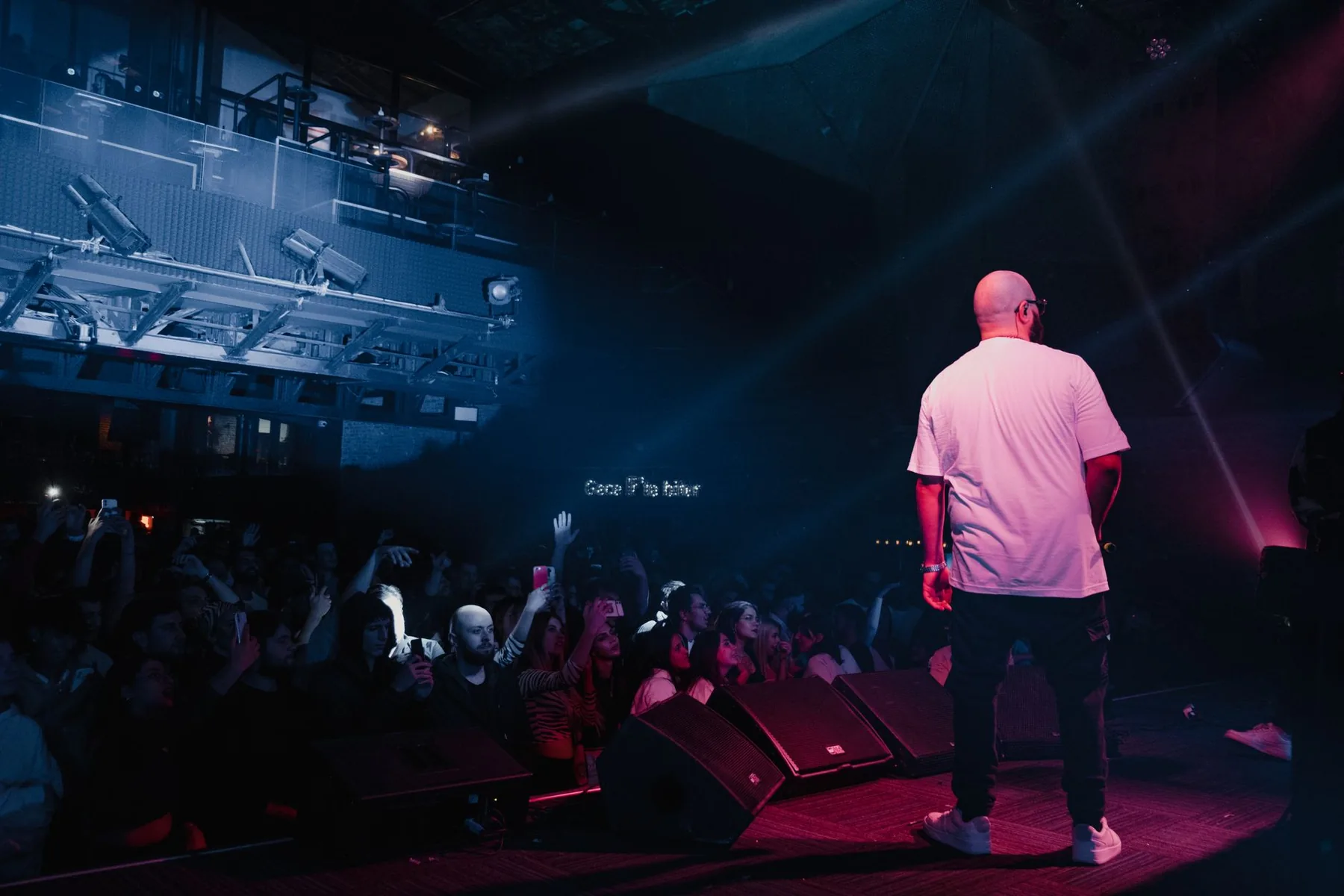
Dominating listening and sales since 2016
Recent years have confirmed hip-hop’s lead in listening. Streaming figures now shape marketing strategies and A&R investment.
A gap between radio and streaming
In 2020, French-language hip-hop tracks accounted for 62% of the streaming Top 200 singles, but only 11% of the radio Top 100 (SNEP).
This gap shows that traditional media programming does not always reflect trends on streaming platforms.
The role of policy and specialist radio stations
The Toubon Law created space for French-language songs, giving French rap an audience base.
Stations such as Skyrock, followed by Generations and Le Mouv’, helped listeners discover artists and promoted their work.
- The playlist effect: streaming charts can propel a track without radio support.
- Visibility: radio remains an added advantage, though it is not essential to success.
- Showcase: Les Flammes brings the scene to a wider audience.
This dominance in listening is changing how music reaches audiences and prompting artists and labels to adapt their strategies. For professional support, visit Conseil Création Artistique.
French hip-hop: why it appeals to the world
A blend of styles and influences makes this music instantly recognizable internationally.
A diversity of sounds
Varied sounds: rap, Afropop, Caribbean rhythms and electronic sounds coexist. This variety makes the genre appealing to very different audiences.
Flow and musicality
Abroad, listeners often pay more attention to flow and melody than to lyrics. Choruses and striking instrumental passages become universal hooks.
Streaming and social media
Streaming and social media speed up discovery: playlists, short clips and English-language reactions propel tracks to new audiences. Read an overview of these dynamics.
Image, music videos and live performance
Memorable music videos and symbolic locations strengthen visual storytelling. Careful artistic direction and concerts turn enthusiasm into lasting loyalty.
- International formats: simple choruses and instrumental hooks.
- Amplification: online success, followed by greater reach through media coverage and tours.
Case studies: artists, tracks and strategies that crossed borders
Some artists’ careers show how visuals and social media can turn a record into an international phenomenon. These examples reveal strategies others can use: striking images, limited media appearances and promotion in public spaces.
PNL and the power of visual storytelling
PNL filmed “Au DD” at the top of the Eiffel Tower. The music video has accumulated more than a billion views, while the duo reached Spotify’s global Top 50 (as high as 30th place) and 10th place on the Billboard Social 50.
Their limited media presence creates anticipation that grows on social media.
Vald, MHD, Stromae and their complementary strategies
Vald used posters in public spaces, announcing a date in New York and revealing another in Tokyo. MHD popularized Afro-trap, performed at Coachella in 2018 and went on to play numerous concerts abroad.
With “Papaoutai” and an album released a few years ago, Stromae sold more than 500,000 records outside France, helped by danceable choruses and memorable staging.
| Artist | Strength | Result |
|---|---|---|
| PNL | Memorable music video, limited media presence | Spotify Top 50, Social 50, > 1 billion views |
| Vald | Promotion in public spaces (New York, Tokyo) | International attention |
| MHD | Afro-trap, performances abroad | Coachella 2018, tours |
| Stromae | Danceable songs, stagecraft | More than 500,000 international sales |
Finally, rappers such as Lacrim collaborate with American artists to build credibility with a global audience. Simple words and choruses make tracks easier to share; music videos set a cycle in motion: attention → streaming → concerts.
In summary: combining distinctive sounds, powerful images and an active social media presence offers a model for other French rap artists seeking an international audience.
Networks and channels of influence: Belgium, Europe and Africa, collaborations and social media
Smaller cities are becoming creative hubs that help rap reach wider audiences.
The Belgian scene — Brussels, Charleroi and Liège — appears in Spotify charts and has a wealth of talent.
These cities serve as hubs: studios, venues, managers and local media form a useful network for artists. This makes production and touring easier.
Collaborations and regional strategies
Rather than targeting the United States immediately, cultural ties between Europe and Africa offer a more natural route to growth.
- Coordinated releases: regional cooperation to maximize impact and simplify logistics.
- Shared tours: sharing dates and promotional work among nearby cities.
- Online amplification: targeting individual countries or cities through social media and specialist creators.
For example, Lacrim has collaborated with Rick Ross, French Montana and Lil Durk to reach audiences outside France while maintaining ties in Europe and Africa.
Conclusion: these cross-border connections form a strong network for taking artists’ music and identities into new markets. For a more academic analysis, read this overview.
Conclusion
At the end of this analysis, the finding is straightforward: since 2016, rap has turned its dominance in listening into international success.
The figures (62% of the streaming Top 200 versus 11% of the radio Top 100 in 2020) and the examples of PNL, Vald, MHD and Stromae show different paths to audiences abroad.
Key factors: a diversity of sounds, the power of platforms, memorable music videos and concerts that turn attention into loyalty.
To go further, artists need to organize their listening data, develop a clear creative direction for their music videos and set goals for each market, especially in Europe and Africa.
For more context, read about the roots of hip-hop to better understand its history and cultural impact.