
Purpose: this guide explains how hip-hop evolved, from its origins to the changes that shaped the genre.
This article presents the culture as a global movement in which music, dance, graffiti and vocal performance form an integrated whole. It describes its four pillars: DJing, MCing, breakdancing and graffiti. Readers will find ways to recognize its aesthetics, flows and beats.
We then trace its major stages, from the 1970s through the 1980s and the transition to other currents. Pioneering artists—including Afrika Bambaataa, Grandmaster Flash, The Sugarhill Gang and many others—illustrate the sound and visual identity born in the Bronx, New York.
What to expect: an article grounded in historical landmarks and key works. The benefit: a better understanding of the references, influences and terminology behind this musical and cultural evolution.
New York origins: the Bronx, block parties and the birth of a culture
Bronx block parties turned resourcefulness into sound art.
In 1970s New York, disadvantaged neighborhoods became centers of invention. Urban life, the mixing of African American and Hispanic communities, and limited resources led young people to create their own scenes.
Street parties brought together DJing, MCing, breakdancing and graffiti. Mobile sound systems played funk and extended grooves, creating the breakbeat popularized by Kool Herc.
DJs improvised loops so b-boys could dance longer. MCs combined toasting and spoken word, establishing call-and-response and bragging as foundational conventions.
“People came for the party and left with a culture.”
| Element | Role | Example |
|---|---|---|
| DJing | Selection, breakbeats, loops | Kool Herc, Grandmaster Flash |
| MCing / rap | Hosting, rhymes, call-and-response | Toasting, spoken word |
| Breakdancing | Performance, competition | Street battles |
| Graffiti | Marking territory | Tags, lettering |
The formation of crews and development of sets, driven by artists such as Grandmaster Flash, helped the scene reach local radio and its first stages.
The four pillars of hip-hop: art, music and performance
Four distinct practices shaped the movement’s identity and interact on the street and onstage.
DJing: breakbeats, scratching and the foundation of beats
DJing provides the rhythmic foundation. Turntables, the crossfader and cutting extend breaks drawn from funk and disco.
Kool Herc is an icon of the breakbeat, while scratching allows DJs to shape new sound patterns.
MCing / rap: flow, rhymes and storytelling
Initially a host, the MC later becomes a lyricist. Rap develops multisyllabic rhymes and storytelling.
Breakdancing / b-boying: techniques and crews
Toprock, footwork, power moves and freezes make up the dancer’s vocabulary.
Groups such as Rock Steady Crew brought the dance to audiences far beyond their neighborhood.
Graffiti: lettering, tagging and urban art
From a simple tag to wildstyle, graffiti asserts a visual presence in public space.
Lettering styles (bubble, wildstyle) serve as both territorial claims and artistic expression.
- Interaction: music supports dance, while imagery reinforces the message.
- Technique: hands-on innovations involving turntables and mixing shaped the sound.
- Competition: rap and dance battles give structure to artistic development.
Old school in practice: sounds, themes and atmosphere
Early forms emphasize groove and celebration. Beats remain simple, tempos moderate, and MCs energize the crowd with direct rhymes.
Signature sound: relaxed tempo, funk and disco loops, and clear percussion. This music favors dancing and togetherness over lyrical complexity.
Parties, good times and simple rhymes at a moderate tempo
The themes center on dancing, partying and performance. Tracks such as The Breaks by Kurtis Blow embody this commercial success.
The battle: from Busy Bee to Kool Moe Dee, a decisive turning point
The clash between Busy Bee and Kool Moe Dee (1981) marks a break. It encourages more technical and narrative rap.
“The clash changed writing and performance.”
Afrofuturism and science fiction: from Planet Rock to Warp 9
The arrival of Afrika Bambaataa and Planet Rock (1982) introduces electronic sounds and futuristic imagery.
Warp 9 (Light Years Away, 1983) adds a dimension of social science fiction, broadening the scene’s subject matter.
| Element | Characteristic | Example |
|---|---|---|
| Signature sound | Moderate tempo, simple beats | The Breaks (Kurtis Blow) |
| Themes | Parties, dancing, crowd engagement | Block party sets |
| Battles | Technical and narrative development | Busy Bee versus Kool Moe Dee (1981) |
| Aesthetic | Electronic Afrofuturism | Planet Rock, Warp 9 |
There were exceptions: Melle Mel and The Message opened the way for social commentary within a largely party-focused culture.
Iconic old school artists and groups
Several iconic figures shaped the image and visual identity of the emerging movement.
Afrika Bambaataa and the Zulu Nation
Afrika Bambaataa helped define a unifying aesthetic. His Zulu Nation promoted a social message and futuristic imagery, notably through tracks such as Planet Rock.
Grandmaster Flash, Melle Mel and The Message
Grandmaster Flash and the Furious Five marked a turning point in 1982. Led by Melle Mel, The Message gave socially conscious rap a lasting place.
Sugarhill Gang, Kurtis Blow and the Rock Steady scene
In 1979, The Sugarhill Gang propelled Rapper’s Delight into the mainstream, giving the genre a commercial breakthrough. Kurtis Blow strengthened its chart presence.
Dance also became more organized: the Rock Steady scene and Rock Steady Crew brought their moves to worldwide attention.
- Crews and groups (Spoonie Gee, Treacherous Three, Cold Crush Brothers) built a collective identity.
- Fab Five Freddy played a media role that introduced the culture beyond its original neighborhoods.
- These artists established conventions for clothing, logos and slogans, making music and performance an integral part of the show.
For a broader overview of the movement’s history, this account helps show how these groups influenced the transition to the golden age.
From old school to new school: the 1983–1986 transition
Between 1983 and 1986, the scene changed its tone. The sound became sharper and the image more urban. This period marked the emergence of a more direct hip-hop aesthetic.
Run-D.M.C. and LL Cool J: a rock and street aesthetic
Run-D.M.C. and LL Cool J embody this shift. They favor short beats, rock riffs and an aggressive flow. Their stage presence is more intense. Clothing becomes understated and practical.
Rick Rubin, Def Jam and the drum machine
Rick Rubin and Def Jam establish a stripped-down sound. Widespread use of the drum machine brings forceful percussion. Production emphasizes impact and clarity over ornamentation.
The transition leads to broad visibility through tours, radio-friendly formats and the first major contracts. By around 1986, this aesthetic dominates the charts and clubs.
| Element | Characteristic | Impact |
|---|---|---|
| Signature sound | Sharp drum-machine beats, rock riffs | Direct onstage energy |
| Key artists | Run-D.M.C., LL Cool J | Street image, direct flow |
| Labels | Def Jam, Rick Rubin’s production | Professionalization, radio formats |
“Percussive minimalism transforms performance and the relationship with the crowd.”
Old school and new school hip-hop: styles and codes
The shift from warm samples to sharp beats reshaped the sound and lyrics. The early years relied on funk and disco samples, breakbeats and rounded bass lines. Later, sharp kick and snare drums and minimalist patterns took over.
Production and flow
Flow evolves from festive talk-over to a more precise, syncopated and multisyllabic delivery. Producers adopt shorter structures suited to 12-inch records, extended singles and radio versions.
Image and style
Onstage, colorful party fashion (chains, tracksuits) gives way to a more understated street attitude. Music videos and tours establish these visual codes.
Messages
Themes range from hedonism and self-assertion to social commentary and political radicalism. The Message exemplifies the turn toward socially engaged storytelling.
- Comparison: analog textures and digital drum machines.
- Formats: 12-inch records and extended singles favor breaks and long versions; radio versions demand brevity.
- Key players: studios and producers such as Rick Rubin spread these choices.
To explore variations in rap styles and the relationship between dance and music, consult specialist resources such as these analyses.
Hip-hop’s golden age: creativity and expansion in the 1980s and 1990s
The 1980s and 1990s saw a surge of creativity that shaped the modern movement.
Definition: a period of sonic innovation, stylistic diversity and growing prominence for rappers and groups.
Public Enemy exemplifies political radicalism and dense production rich in layered sounds and carefully worked samples.
The scene also sees the rise of major figures such as Tupac Shakur and The Notorious B.I.G., while East–West polarization becomes more pronounced.
Media multiply the channels of distribution: soundtracks, magazines, television and festivals carry the music beyond local scenes.
From boom-bap to jazz fusion, the range of styles fuels artists’ creativity.
- Continuities: the legacy of Kool Herc and the pioneers.
- Economy: charts, labels and contracts turn success into a market.
- Collectives: crews and groups remain engines of creative exchange.
| Period | Characteristic | Impact | Example |
|---|---|---|---|
| 1980s–1990s | Sonic innovation and speaking out | International visibility | Public Enemy |
| Regional scenes | Distinct schools (boom-bap, fusion) | More diverse audiences | Tupac Shakur / The Notorious B.I.G. |
| Industry | Professionalization | Powerful labels, charts | Soundtracks, festivals |
Subgenres and branches: a constantly changing family tree
Subgenres have formed a family tree in which each branch draws on specific traditions. These variations connect the streets, studios and industry.
Boom-bap: a soul and jazz legacy
Boom-bap relies on prominent kick and snare drums and soul and jazz samples. This aesthetic evokes the 1990s while retaining a connection to earlier forms.
Gangsta rap: stories from the streets
Gangsta rap brings neighborhood realities into focus. Figures such as Tupac Shakur and The Notorious B.I.G. embody urban storytelling and media polarization.
Alternative rap: diversity and live music
Alternative rap broadens the themes and instrumentation. Groups and artists explore organic textures, live music and new harmonies.
Modern forms: contemporary hybrids
Recent work combines social awareness, personal disclosure and electronics. Producers reinvent the signature sound and open the music to many other approaches.
“The branches feed one another: samples, live music and beats are in constant conversation.”
| Branch | Signature | Artists |
|---|---|---|
| Boom-bap | Soul and jazz samples, prominent kick drums | 1990s rappers and producers |
| Gangsta rap | Street stories, stark imagery | Tupac Shakur, The Notorious B.I.G. |
| Alternative rap | Live instrumentation, experimentation | Groups and artists crossing genres |
| Modern forms | Electronic and pop hybrids, social awareness | Contemporary producers and composers |
Social and political impact: from unheard voices to engaged commentary
Neighborhood voices found in music a means of protest and civic expression.
Rap has often served as a platform for denouncing racism, poverty and everyday violence.
Rappers and groups have woven explicit messages and subtler stories into their lyrics. Storytelling turns individual experience into collective testimony.
This influence followed a concrete path: local stages → national radio → public debate. It carried social issues into municipal policy and educational programs.
Media portrayals remain mixed. Commercial success has sometimes obscured social criticism. Subgenres such as gangsta rap have attracted caricatures and controversy despite their documentary value.
Women have brought distinctive perspectives, combining advocacy and personal experience. Their participation has broadened the range of issues addressed.
“Music gave a voice to people who were not being heard.”
| Role | Examples | Impact |
|---|---|---|
| Giving voice | Socially conscious songs | Visibility for injustice |
| Mobilization | Local initiatives, workshops | Educational programs |
| Media coverage | Radio, public debate | Political agenda |
Over time, from the founding years to recent tensions, social engagement has never truly disappeared from the lyrics. The culture continues to inform public thinking and local responses.
Women and hip-hop: from pioneers to contemporary queens
Women have long used the music scene as a space for advocacy and innovation.
Roxanne Shanté, MC Lyte and Queen Latifah led the way. They confronted sexism and racism. Their lyrics address social struggle and self-assertion.
Missy Elliott, Lauryn Hill and Nicki Minaj later set new standards.
They excel in production, visual creativity and influence across generations.
Strategies and impact
Their stories move between self-assertion, intimacy and politics. They use performance to claim autonomy.
- Contributions to other arts: DJing, dance, graffiti and management.
- Obstacles: objectification, underrepresentation and pressure over appearance.
- Support: labels, networks and platforms help bring diverse voices forward.
“They reshape the culture’s codes and inspire new generations.”
| Generation | Figures | Contribution |
|---|---|---|
| Pioneers | Roxanne Shanté, MC Lyte, Queen Latifah | Political voice, stage credibility |
| Contemporary artists | Missy Elliott, Lauryn Hill, Nicki Minaj | Commercial success, production, influence |
| Other roles | DJs, dancers, entrepreneurs | Stronger networks and role models |
Hip-hop in France and around the world: spread, adaptation and fusion
The spread of urban groove brought new voices and languages to the fore worldwide.
Hip-hop spread from New York through tours, films, radio and, later, streaming. These channels helped the culture cross borders and inspire local scenes.
France: from French rap to local scenes
In France, rap developed its own forms: language, themes and rhythms adapted to the local context. Radio stations and platforms helped bring groups and artists publicity and success.
Global scenes: Latin, Japanese and many other forms of hip-hop
On every continent, fusions emerge through local percussion, instruments and adapted dances. They show the flexibility of these styles and the music’s ability to reinvent itself.
Paths to success: festivals, television, diaspora communities and streaming support professional careers. Crews and mixed collectives, with women at the forefront, play a central role in this spread.
“The global scene inherits earlier forms and creates new ones.”
Media, radio and industry: from the street to the charts
The move from block parties to studios required structures: labels, managers and distributors. These participants turned the scene into a market and organized artists’ careers.
Radio played a central role. It established broadcast-friendly formats, durations and choruses. Stations accelerated the success of many tracks through heavy rotation.
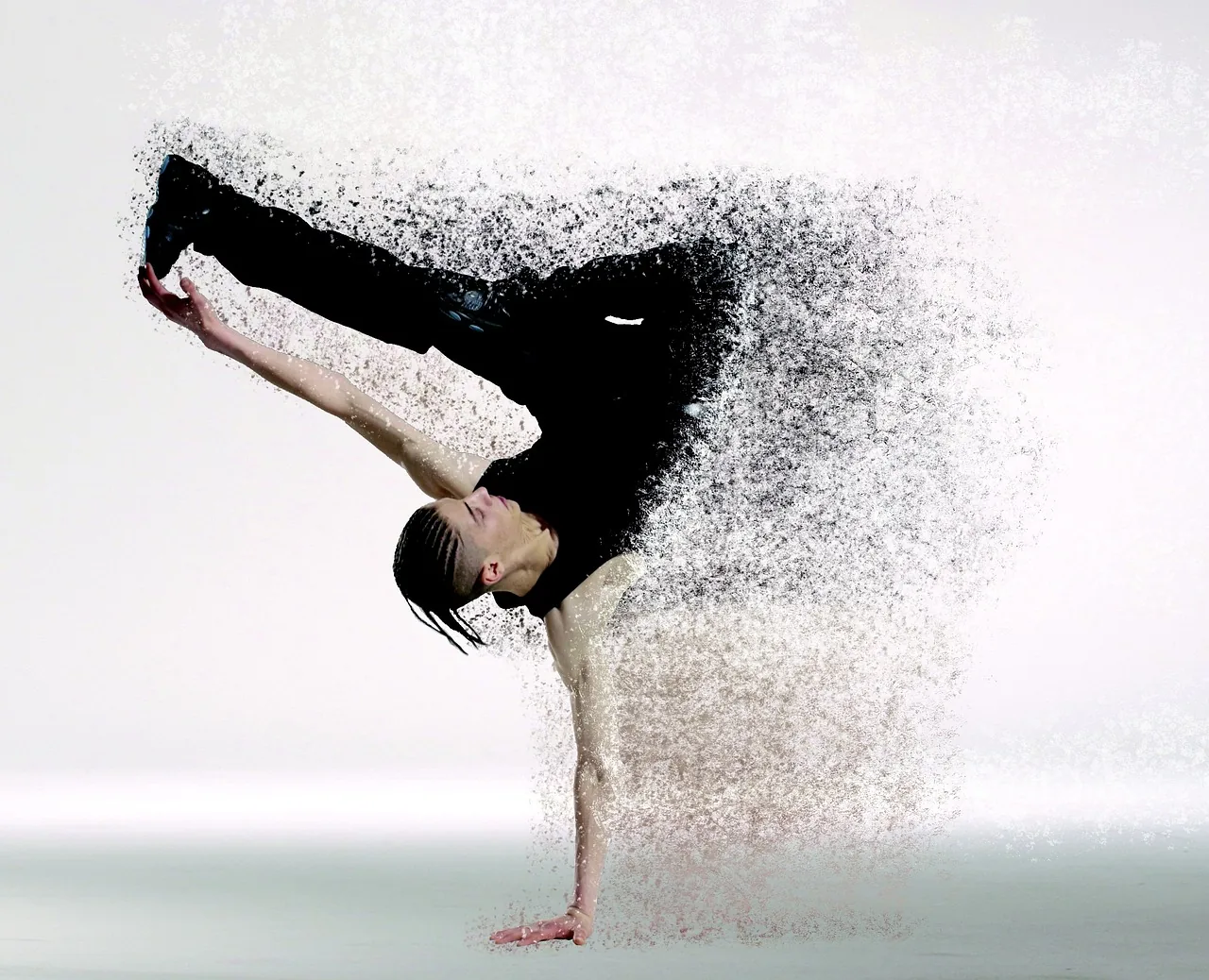
The rise of music videos established images and narratives. Television, followed by music channels, made aesthetic codes visible. Music videos became essential promotional tools.
Platforms changed how listeners discover music. Algorithms promote playlists and alter the dynamics of success. The shift to streaming redefines music promotion and payment.
- Press and articles: in-depth reporting lends legitimacy to the scene and guides critical attention.
- Live performance economy: concerts and festivals strengthen careers.
- Segmentation: labels manage catalogs by musical genre, while independent artists favor direct distribution.
| Element | Role | Impact |
|---|---|---|
| Labels / managers | Organization, contracts | Professional careers |
| Radio | Formats, programming | Faster success |
| Music videos / television | Image, narrative | Established visual codes |
| Streaming | Algorithms, playlists | Discovery and revenue |
To understand artists’ paths and the workings of the industry, see our guide to hip-hop and its evolution.
Key works and tracks for understanding the evolution
A few landmark singles trace the shift from partying to social storytelling and modern sounds.
1979–1982: from Rapper’s Delight to The Message and Planet Rock
The late 1970s saw the genre’s commercial arrival with Rapper’s Delight (Sugarhill Gang), followed by The Breaks (Kurtis Blow).
In 1981, The Adventures of Grandmaster Flash on the Wheels of Steel demonstrated DJ virtuosity: live collage, scratching and turntable editing.
In 1982, The Message (Grandmaster Flash & The Furious Five, led by Melle Mel) brought social storytelling into the music. That same year, Planet Rock (Afrika Bambaataa) introduced an electro-futurist aesthetic.
1983–1986: Rockit, It’s Yours, Jam On It and the new school surge
The 1980s accelerated this modernization: Rockit (Herbie Hancock) introduced scratching to a broad audience.
It’s Yours (T La Rock), produced by Rick Rubin, became a cornerstone of Def Jam. Jam On It (Newcleus) illustrates the growing role of synthesizers and programmed rhythms.
Meanwhile, White Lines and Roxanne Roxanne broadened the themes and formats.
“Listening to these tracks side by side reveals the transition from analog grooves to drum machines.”
| Period | Title | Technical impact |
|---|---|---|
| 1979–1982 | Rapper’s Delight / The Message / Planet Rock | Introduction of sampling, socially engaged storytelling, electronic synthesis |
| 1981 | Wheels of Steel (Grandmaster Flash) | Live DJing, scratching, turntable editing |
| 1983–1986 | Rockit / It’s Yours / Jam On It | Drum machines, stripped-down production, sharper sound |
Guided listening: start with Rapper’s Delight, continue with Wheels of Steel, then The Message and Planet Rock. Finish with Rockit and It’s Yours to hear the continuity.
Bridge artists and legacies: continuities and breaks
Some figures connect generations, combining a tradition of activism with sonic innovation.
Public Enemy: political radicalism and sonic innovation
Public Enemy represents a major break. Its dense production relies on sound collages and carefully worked samples.
Its message is direct and assertive. Its impact on hip-hop is both aesthetic and political.
Legacy: the ability to combine a social message with sonic construction still influences engaged artists.
Kanye West and the post-2000 era: hybrids and mainstream success
Kanye West reshaped production after 2000. He refined the art of soul sampling and pushed experimentation further.
His public presentation changed how he was received on radio and in the charts. Collaborations across genres became widespread.
“Keep speaking out, renew the sound: these artists connect the 1980s to modern forms.”
- Continuities: the importance of the message, sonic identity and autobiographical storytelling.
- Breaks: production methods, genre fusion and media strategies.
- Impact: influence on radio, aesthetic codes and collaborations.
Challenges and controversies: commercialization, stereotypes and artistic integrity
Greater visibility exposes the scene to clichés and cultural standardization.
Commercialization sometimes turns creative work into a product. The pursuit of success favors proven formulas and may weaken perceived authenticity.
Media popularize stereotypes—violence, sexism and vulgarity—that shape public perception. These images simplify complex realities and marginalize some voices.
Artistic responses range from counter-narratives to changes in image. Collectives advocate music education and greater attention to other stories.
Spaces for women and minorities remain essential. They help overcome structural bias and restore diversity in subject matter and artistic form.
“The culture reinvents itself when its participants regain control of how it is shared.”
- Platforms: they concentrate attention and create algorithmic bubbles.
- Ethics: event codes of conduct, label governance and transparent contracts.
- History: these controversies have roots in the movement’s formative years.
| Challenge | Impact | Possible response |
|---|---|---|
| Commercialization | Loss of authenticity | Fair contracts, artistic autonomy |
| Stereotypes | Negative public image | Educational programs, counter-narratives |
| Platforms | Algorithmic bubbles | Targeted promotion, curated playlists |
| Inequality | Underrepresentation of women | Dedicated spaces, funding |
This article emphasizes that preserving hip-hop’s integrity requires concrete measures and continued commitment to the movement’s founding values.
Quick glossary of styles, codes and musical genres
Clarifying the vocabulary makes it easier to listen to and analyze different sounds.
Key terms: breakbeat—a rhythmic loop drawn from funk; scratching—a turntable technique; sampling—the reuse of short sound excerpts; flow—the way a rapper delivers vocals; punchlines and multisyllabic rhymes—writing techniques designed to make an impression on the listener.
Performance codes: battle—a competitive performance; cypher—a circle for exchanging verses; freestyle—improvisation; call-and-response—an exchange with the audience; crews—street collectives.
Major families: boom-bap (soul and jazz samples), gangsta rap (street narratives), alternative rap (live experimentation), trap and drill (modern rhythms). These genres help place a track in its era.
| Element | Definition | Reference point |
|---|---|---|
| Production | Drum machines, sequencers, mixing, mastering | Sharp sound and analog samples |
| Period labels | Old school, new school, golden age, post-2000 | References to eras and developments |
| Visual style | Streetwear, b-boy style, tags, wildstyle | Image and performance identity |
Practical tip: to understand a musical genre, listen to the beat, pay attention to the flow and look at the visual codes. This helps you understand the culture and guides your exploration of this article.
Conclusion
Summary: from Bronx street parties to global stages, this journey reveals a living culture that continually reinvents itself.
The progression is clear: emergence in New York, consolidation of its forms, a transition to new approaches to writing, then a golden age and later diversification. The four pillars have preserved the movement’s coherence.
Artists, rappers and groups have continually reinvented formats and messages. A few key tracks remain useful starting points for understanding this evolution.
International spread, fusion and adaptation explain the movement’s lasting success. Challenges around inclusion, ethics and education nevertheless remain.
To keep exploring, read analyses and take part in local scenes through these artistic explorations. The culture remains in constant renewal.