
Dive into a clear, contemporary overview of urban cinema. The 2000s brought street dance to the big screen through hits that changed the relationship between the street and its audience.
This guide presents essential films selected for their choreography, stories, hip-hop roots and critical reception. We explain why each title left its mark on the culture and how it speaks to viewers today.
We also highlight the role of crews, battles and rap soundtracks in creating spectacular scenes. The aim: to help you choose the right film to begin your exploration.
What follows is a journey through the genre: foundational classics, the wave of the 2000s, documentaries and newer films that refresh its conventions.
Exploring the genre: when hip-hop dances on screen
When the street enters the frame, cinema turns urban energy into a visual story. The genre brings together dance, rap, graffiti and DJing.
In the 1980s, titles such as Wild Style and Beat Street laid the foundations of the movement’s history and identity. The wave of the 2000s popularized those conventions and introduced the style to the world through Step Up and You Got Served.
Visually, recognizable styles include breaking, popping and locking. Musicality, fashion and storytelling shape battle scenes and individual journeys.
The genre also draws strength from community: crews, schools and competitions drive practice and the passing on of skills. Dancers find opportunities to learn and support one another.
- Bringing the street to the screen while preserving its attitude.
- Films that combine competition, romance and technique.
- Choreography and filmmaking work together to appeal to several generations.
Best hip-hop dance films to watch
These four films balance intense battles with inspiring personal journeys.
Step Up popularized the fusion of ballet and hip-hop through Tyler and Nora. The film set a visual and musical standard and inspired many performers and sequels.
You Got Served centers on battles. Its competition scenes show the teamwork, honor and loyalty that motivate the dancers. The clashes are rhythmic and easy for audiences to follow.
Honey follows Honey Daniels, a dancer who dreams of becoming a choreographer. The film emphasizes community involvement and mentoring. It is a story of personal growth and support for young people.
Stomp the Yard explores stepping in a university setting. Collective discipline and fraternity drama create strong tension on stage. It is an ideal choice for viewers seeking rivalry and demanding performances.
- Accessible starting points with choreography that is easy to follow.
- Choose according to your tastes: pure battles, musical romance, personal success or competitive fraternities.
Foundational classics of the 1980s
The 1980s left visual and musical traces that still define the look and sound of urban cinema.
Wild Style — graffiti, rap and breaking: hip-hop’s DNA
Wild Style (1983) follows Zoro, a Bronx graffiti artist, and takes an almost documentary approach.
The film captures the emerging scene through rap and breaking sequences. It tells the movement’s story and shows how it spread from the street.
Beat Street — the South Bronx, raw energy and an iconic soundtrack
Beat Street (1984) shows Kenny and Lee facing the challenges of the South Bronx.
The soundtrack helped spread the culture beyond its neighborhoods. The raw energy of the on-screen clashes is central to the film.
Breakin’ — a showcase for breaking
Breakin’ puts Ozone, Turbo and Kelly in the spotlight in Los Angeles.
The film celebrates breaking as a unifying and competitive spectacle.
| Film | Year | Strengths | Cultural impact |
|---|---|---|---|
| Wild Style | 1983 | Rap, graffiti, realism | Documents the movement’s origins |
| Beat Street | 1984 | Street scenes, soundtrack | Spread of the music and street fashion |
| Breakin’ | 1984 | Breaking performances | Popularized breaking on screen |
The 2000s wave that popularized street dance
The 2000s turned the urban scene into mainstream entertainment. By combining accessible romances with striking choreography, these stories brought dance to audiences around the world.
Step Up — the ballet and hip-hop fusion that won audiences over
Step Up (2006) brings together Tyler, a young man doing community service, and Nora, a ballet dancer, for a performance project. The film shows how mixing styles can fuel dreams and create a show that brings people together.
You Got Served — crews at the height of competition
You Got Served (2004) places crews at the heart of battles for street-dance supremacy. The finals become emotionally charged showcases for choreography and teamwork.
Stomp the Yard — drama, redemption and stepping
Stomp the Yard (2007) combines personal drama with university competition. Its protagonist finds redemption through fraternity and the demands of stepping.
Save the Last Dance — diversity and a mix of genres
Save the Last Dance (2001) follows Sara and Derek as ballet meets hip-hop. The film bridges social worlds and emphasizes respect between dancers.
“These films gave dancers a new place on screen: as artists, competitors and voices for a culture.”
- Visibility: compelling choreography and romance that won over audiences.
- Stakes: dreams, artistic growth and redemption.
- Competitions: climactic moments that showcase technique and drama.
| Title | Year | Main theme | Strength |
|---|---|---|---|
| Step Up | 2006 | Fusion of styles | Ballet and hip-hop, a performance project |
| You Got Served | 2004 | Crew competition | Crew spirit, street dance |
| Stomp the Yard | 2007 | Stepping and redemption | Fraternity, dramatic intensity |
| Save the Last Dance | 2001 | Mixing social worlds and dance styles | Diversity, a bridge between audiences |
Female leads and urban musicals
Urban heroines bring a new voice and rhythm to contemporary musicals.
Honey — Honey Daniels, a passion for dance and community
Honey Daniels embodies passion and commitment. A bartender by day and dancer by night, she catches the music industry’s attention.
Her journey reveals her wish to open a studio for young people in her neighborhood. That project feeds her dream of becoming a choreographer.
The story emphasizes mutual support within the community and the central place of female leads in the narrative.
StreetDance 3D — ballet and hip-hop in a three-dimensional spectacle
StreetDance 3D combines ballet and hip-hop to create spectacular numbers.
A street-dance crew must work with ballet dancers to prepare for a competition. Their collaboration turns rivalry into celebration.
Both films inspire dancers. They celebrate creativity, cultural entrepreneurship and women who drive the story forward.
- Female leads who shape the perspective and carry the emotion.
- Community spirit and a passion for dance as social forces.
- The fusion of styles that elevates the group performance.
| Title | Year | Highlight | Impact |
|---|---|---|---|
| Honey | 2003 | Social portrait and urban music | Celebrates community commitment and ambition |
| StreetDance 3D | 2010 | Ballet and hip-hop fusion | Shows the power of collaboration |
Essential documentaries about the culture and its styles
Documentaries capture the real energy of crews and dance styles without a fictional story’s embellishments. They show the everyday routines, preparation and human challenges behind the practice.
Rize — krumping as an outlet and a path to resilience
Rize (2005), directed by David LaChapelle, enters the world of krumping in Los Angeles.
The film shows a powerful physical language. Krumping becomes an emotional outlet and a form of self-assertion. It also reveals resilience in the face of social and family difficulties.
Planet B-Boy — a worldwide view of Battle of the Year
Planet B-Boy (2008) follows international crews to Battle of the Year.
The documentary shows the rigor of training, strategy and teamwork. It also reveals breaking’s global reach and the diversity of its practitioners.
Why watch these films?
- Direct access to the reality of the styles and the personal journeys behind them.
- A deeper understanding of the culture beyond fiction: effort, aesthetics and human stakes.
- Essential companions to fictional films for understanding the movement’s authenticity.
Recent hits that revisit the conventions
A newer wave emphasizes rhythmic precision and a group’s progress toward a clear goal. These stories value collective effort and turn confrontations into human journeys.
Battle of the Year — building a team to pursue glory
Battle of the Year (2013) follows the formation of an American team through to the competition of the same name. The competition is the story’s climax and shows the importance of unity.
The crew sequences are intense. Unison, precision and musical choices underscore every movement.
Let’s Dance — Paris, ballet and hip-hop in harmony
Let’s Dance (2019) brings the fusion of styles to Paris. A hip-hop dancer works with a ballet school, and their meeting produces clear, contemporary numbers.
Audience reactions and early reviews praise the technical ambition and clarity of the choreography. These films appeal to viewers looking for a contemporary look and stories centered on collective progress.
| Title | Year | Focus | Strength |
|---|---|---|---|
| Battle of the Year | 2013 | Building a team | Crew intensity, competition |
| Let’s Dance | 2019 | Ballet and hip-hop fusion | Clarity, rhythmic precision |
| Recommendation | — | Ideal audience | Fans of group performances and innovation |
To see how musicals reinvent their conventions, read this article about a hip-hop musical.
Breathtaking choreography and dance styles
On screen, every movement tells a story. Here is how the styles take shape in images.
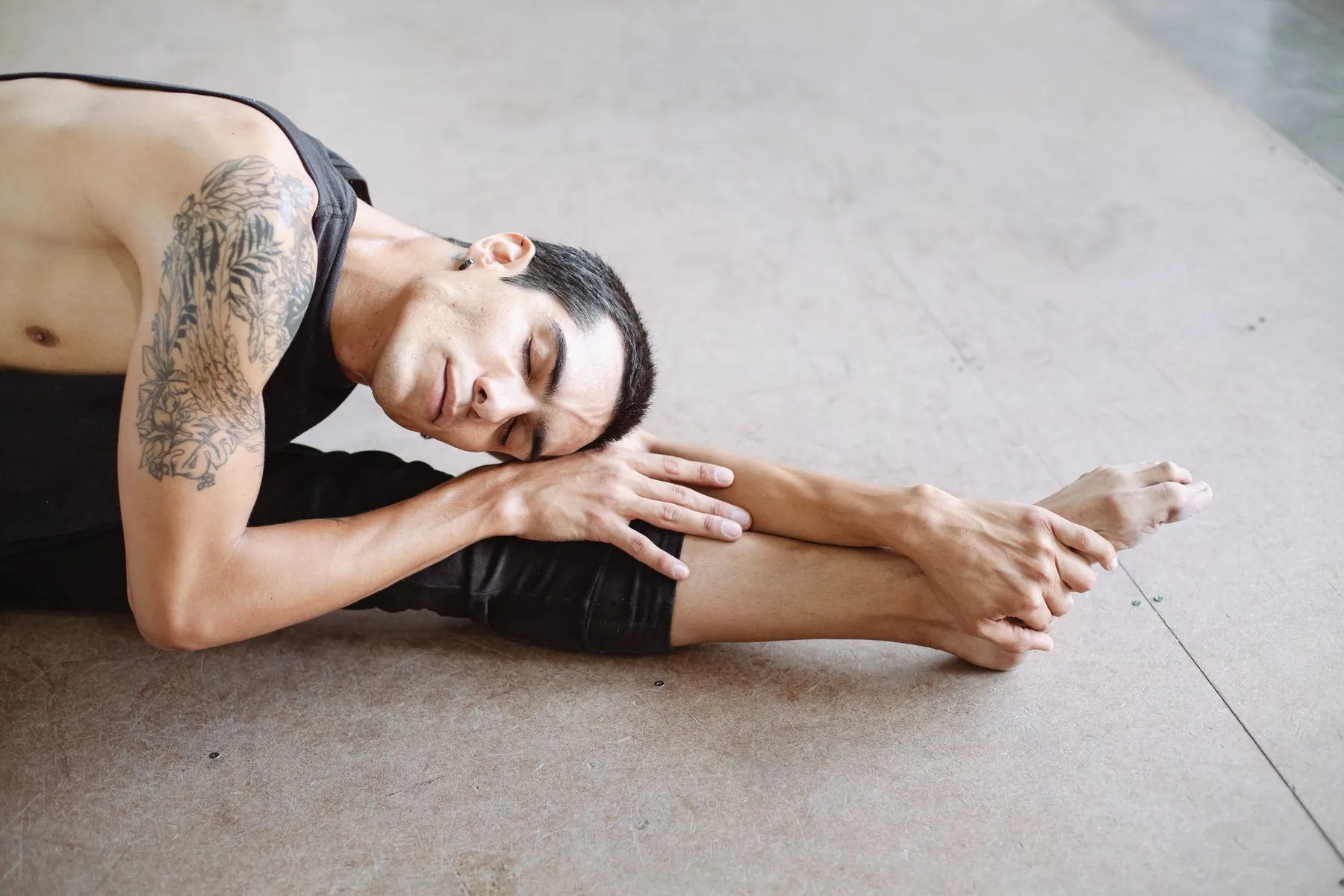
Breaking, popping and locking provide the visual foundation. Breaking highlights footwork and power moves. Popping uses isolations and accents. Locking brings rhythmic expression.
Breaking, popping and locking: a movement glossary
These styles produce choreography that is easy to follow on screen. Viewers can pick out the musicality, control and range of the movements.
Krumping and freestyle: emotional power on screen
Krumping expresses emotions forcefully through intensity, breath and dramatic composition. Freestyle brings improvisation and physical honesty. Together, they heighten a scene’s emotion.
What to watch for: synchronization, positioning, transitions and the dancers’ gaze. Choreographers turn these technical details into a visual story.
| Style | Visual strengths | Narrative impact |
|---|---|---|
| Breaking | Power moves, footwork | Physical spectacle, battle stakes |
| Popping/locking | Isolations, accents | Rhythmic clarity, character |
| Krumping/freestyle | Explosive movement, improvisation | Emotional force, authenticity |
Practical tip: rewatch sequences in slow motion to understand the structure of transitions and appreciate the dancers’ skill. It sharpens your eye and deepens your understanding of urban culture.
Battles, crews and competition on screen
Choreographed confrontations often form the dramatic heart of urban stories.
You Got Served pits rival crews against one another under established rules: rounds, themes and eliminations. Preparation, rising tension, confrontation and resolution shape each sequence.
Planet B-Boy documents Battle of the Year and details its judging criteria: originality, execution, musicality and clean finishes.
Stomp the Yard brings these stakes into university stepping. Its competitions become highly choreographed, dramatic moments.
“Battles reveal individual talent as much as collective strength.”
- Clear judging criteria: synchronization, difficulty, creativity and musicality.
- Team spirit turns one dancer’s progress into a shared victory.
- The street remains the foundation: codes of honor, respect and the movement’s identity.
These scenes bring rivalry and respect together, helping explain why the films move and inspire so many dancers.
Hip-hop, music and rap: the soundtrack that shapes the scene
Music and image work together to set the pace of scenes and express the characters’ inner lives.
Wild Style and Beat Street laid a musical foundation by combining DJing, breaks and early rap flows. Those choices give the dancers a precise rhythmic framework.
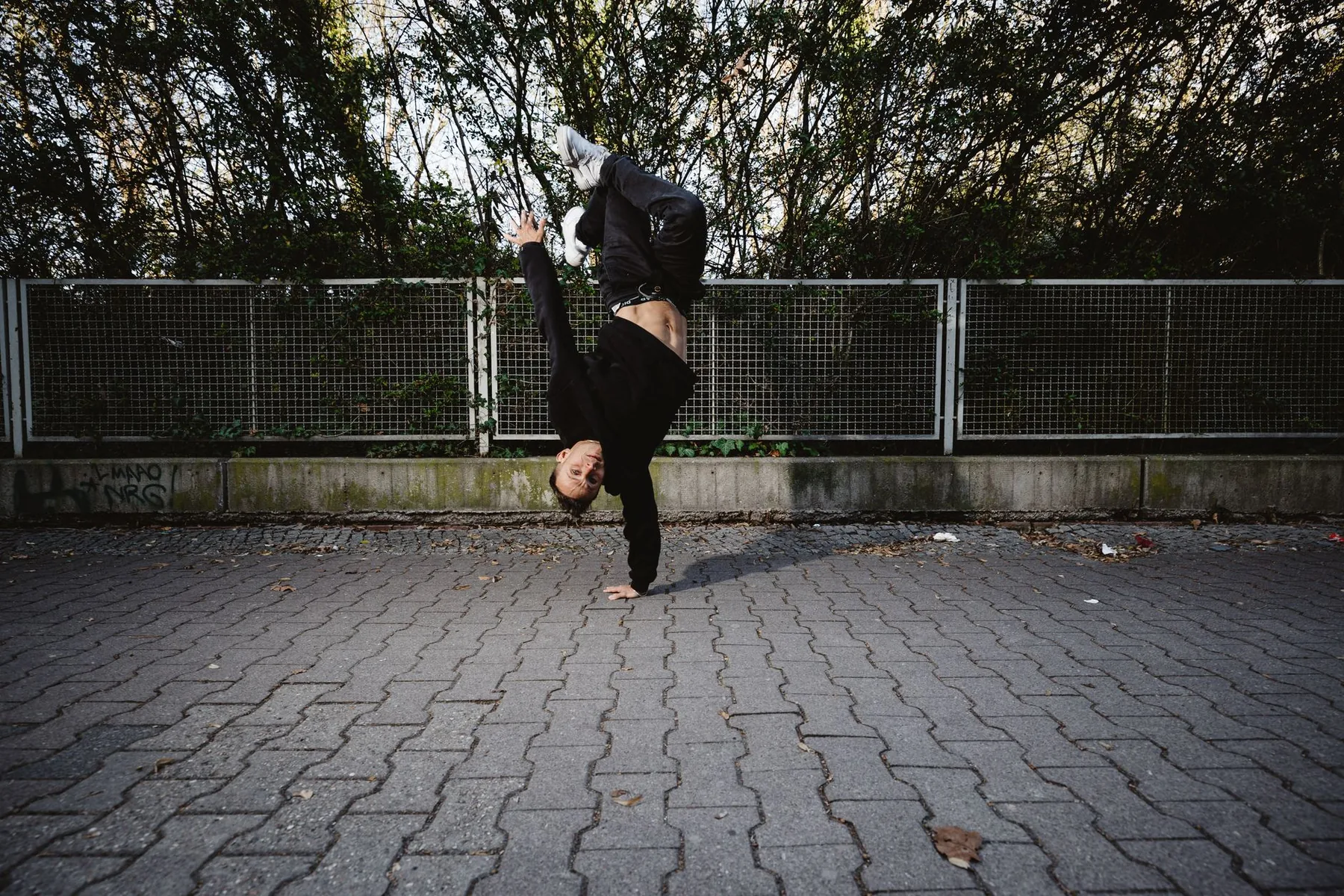
Later, Step Up and You Got Served used contemporary tracks to carry the energy of their dance numbers. Mixing, sound design and instrumentation strengthen the emotional impact.
Rap often serves as a narrative voice. It asserts identity, evokes an era and roots a scene in a recognizable urban culture.
- Music structures the rhythm and guides choreographic phrases.
- Sound design heightens the intensity of a final battle or a fall.
- Listening to the soundtrack extends the experience beyond the screen.
| Work | Era | Role of sound | Example |
|---|---|---|---|
| Wild Style | 1980s | DJing and breaks: authenticity | Live mixing, raw rap |
| Beat Street | 1980s | Soundtrack as a vehicle for urban culture | Iconic tracks, street energy |
| Step Up/You Got Served | 2000s | Contemporary tracks and production | Modern hits energize the numbers |
Tip: to better understand the connection between sound and movement, listen to the soundtracks after watching the films. You will hear how music shapes each moment of dance and gives the scenes a voice.
For more, explore this selection on soundtracks and the artists behind them.
Diversity, drama and comedy: themes that tell the street’s stories
On the big screen, the street becomes a character that shapes people’s lives and choices.
A range of themes: social drama, romance, ensemble comedy and second chances. Save the Last Dance illustrates diversity and social barriers.
Stomp the Yard offers a story of redemption through collective effort. StreetDance 3D shows how a clash of cultures and working together can drive creativity.
The street remains a living setting. It shapes the characters’ lives and creates stakes that feel immediate and real.
Cultural diversity fuels both conflict and connection. These tensions produce powerful scenes and unexpected bridges between styles.
Comedy lightens the drama and strengthens group bonds. It makes the story accessible to the audience while celebrating mutual support.
- Themes: social drama, personal growth, second chances and ensemble comedy.
- Setting: the street as a source of identity and conflict.
- Impact: belonging, effort and respect speak to everyone.
| Theme | Example | Effect on the story |
|---|---|---|
| Social drama | Save the Last Dance | Cultural conflicts and barriers |
| Redemption | Stomp the Yard | Personal rebuilding through the group |
| Clash of cultures | StreetDance 3D | Collective creation and innovation |
Films to watch when starting to explore hip-hop dance
To get started, choose films with choreography that is easy to follow and a straightforward plot. That makes the movements easier to understand and lets you follow the characters’ development.
Start with Step Up, Honey and You Got Served
Step Up and You Got Served offer accessible choreography and clear battle scenes. Their dance numbers are easy for newcomers to interpret.
Honey introduces Honey Daniels and follows her path toward choreography. It is an ideal choice if you dream of becoming a choreographer.
Go deeper with Stomp the Yard and StreetDance 3D
Stomp the Yard explores stepping and team spirit. StreetDance 3D shows the fusion of ballet and hip-hop, broadening the range of techniques on display.
“Start with these reference points, then seek out more complex works: that is how you progress.”
| Title | What it offers | Recommended audience |
|---|---|---|
| Step Up | Mixing styles, easy-to-follow choreography | Beginners and curious viewers |
| Honey | A personal journey, teaching | Dreamers and aspiring choreographers |
| You Got Served | Battles, crew spirit | Competition fans |
| Stomp the Yard/StreetDance 3D | Stepping and technical fusion | Viewers who want to explore further |
Compare your opinion with that of the online audience and read reviews to refine your next choices. For more recommendations, explore this resource: film picks and dance journeys.
Films to revisit for the genre’s history
Some films shaped how dance is shown in mainstream cinema.
Flashdance — an influence on urban dance films
Flashdance (1983) follows Alex Owens, a welder by day and dancer by night.
Its famous audition scene and the song “What a Feeling” brought dance to a wide audience. The film established the idea of an artist leading a double life.
That narrative model later influenced urban stories. Determination and the personal quest became recurring themes.
Dirty Dancing — outside hip-hop, but a mainstream touchstone
Dirty Dancing (1987) tells the story of “Baby” discovering herself through dance.
Although it is not a hip-hop film, it helped popularize the contemporary dance film with a broad audience.
That popularity helped prepare audiences for stories more firmly rooted in the street.
“These two films opened doors: one for stories of individual effort, the other for the mass appeal of dance-led storytelling.”
| Title | Year | Strength | Impact |
|---|---|---|---|
| Flashdance | 1983 | Audition scene, iconic soundtrack | Celebrates artistic ambition and effort alongside everyday work |
| Dirty Dancing | 1987 | Coming-of-age story, broad emotional appeal | Popularized the modern dance film |
| Legacy | — | Narrative models | Prepared the evolution of these conventions in urban cinema |
For more on the genre’s history and milestones, explore another selection at this resource.
Focus on France: audiences, reviews and theatrical reception
French audiences respond to films that emphasize collective energy and immersion.
StreetDance 3D drew viewers with its 3D presentation and its fusion of ballet and hip-hop. Battle of the Year and Let’s Dance found audiences through memorable group numbers.
Viewer reviews often return to three points: choreographic energy, an accessible story and cultural authenticity.
3D enhances group choreography: audiences can better perceive the depth and power of the ensemble.
French dubbing, sometimes performed by rap figures such as Joey Starr, Diam’s, Oxmo Puccino and Lord Kossity, divides critics.
“The choice of voice affects how the music and lyrics are perceived,” several reviews note.
- Strengths: a clear visual spectacle for a broad audience.
- Reservations: dubbing can distort the rap.
- Perspective: comedy draws audiences in, while drama engages them but asks for a greater emotional investment.
To explore the local scene further, read about the new hip-hop scene.
Where to watch these films in France and viewing tips
Finding these films in France can mean checking streaming platforms, box sets and occasional releases.
Let’s Dance (2019) and Battle of the Year (2013) often appear on streaming and video-on-demand services, depending on the period.
Planet B-Boy (2008) and Rize (2005) remain available on DVD and sometimes on documentary streaming platforms. Step Up and Honey appear in box sets containing multiple films. StreetDance 3D has both 2D and 3D editions.
Practical tips:
- Check French catalogs regularly when planning a screening.
- Organize themed marathons: documentaries, the 2000s wave or ballet and hip-hop fusions.
- Watch with a good sound system to appreciate the musicality and impact of the choreography.
- Compare the original and French-language versions in light of reviews: music and lyrics can change how a scene feels.
- Return to key scenes to study positioning, transitions and the dancers’ intentions.
| Title | Common format | Tip |
|---|---|---|
| Let’s Dance | Streaming/video on demand | Check the catalog |
| Battle of the Year | Streaming/video on demand | Check availability monthly |
| Planet B-Boy/Rize | DVD/documentary streaming | Choose a physical edition for the bonus features |
“Plan, compare and listen again: watching is as rewarding as analyzing.”
Selection criteria: choreography, culture and story
Our selection rests on each film’s ability to combine technical invention with social truth.
Choreography: we look for clarity, difficulty, creativity and musicality. Dance numbers should reveal the performers and support the emotion.
Story and structure: the narrative should progress clearly. A good story establishes the stakes and lets movement express what the characters experience.
Cultural roots: hip-hop authenticity matters. Its values, styles and conventions should come through without exoticism or stereotypes.
“A successful scene connects technique, context and dramatic energy.”
- Originality: new steps or a convincing reinterpretation.
- Execution: clean movement, synchronization and transitions.
- Emotional impact: affecting drama or comedy.
- Cultural respect: fair representation of the practices.
| Criterion | What to look for | Why it matters |
|---|---|---|
| Choreography | Clear and creative | Helps viewers follow and learn |
| Story | Clear progression | Gives meaning to the movements |
| Culture | Faithfulness to its conventions | Respects the styles’ origins |
Tip: compare your views with the criteria above to refine your list of the best films and choose according to your tastes.
Conclusion
From intimate documentaries to spectacular fiction, the screen has amplified a culture in motion.
These films have spread the culture around the world, carried by artists’ passion and dreams. They show how the street inspires stories that move between comedy, drama and competition.
Continue exploring today: choose a documentary or feature film that appeals to you and revisit memorable scenes.
Share your opinion, watch sequences again and discover new dancers. The street remains a living source of inspiration, and every film offers a distinct view of it.
For a full selection, explore our resources and begin your journey.