
Welcome: this guide will help you understand the DNA of streetwear. It covers its defining features and key pieces, along with advice on putting together a convincing, modern outfit.
Origins — the movement emerged where skateboarding, surfing, graffiti and rap met in the streets of Los Angeles and New York. Brands such as Stüssy, Supreme, Bape and later Off-White brought it to the runway through landmark collaborations (Louis Vuitton x Supreme, Dior x Air Jordan).
We will look at brands, clothing and wardrobe essentials: sneakers, hoodies, oversized T-shirts, workwear pants and caps. We will also consider the logo as a marker of identity and the importance of quality materials (fleece, heavyweight cotton and Japanese denim).
You will find practical advice on layering, proportions and color palettes. Concrete examples and iconic styles throughout the guide will help you put these ideas into practice.
For more practical advice, see our dedicated guide: mastering streetwear.
Streetwear and hip-hop today: an overview
Today’s streetwear is a mainstay of ready-to-wear fashion, both on the runway and in the street.
Commercial and cultural presence: consistently strong sales and shows by Gucci, Louis Vuitton and Balenciaga confirm its influence. Collections favor restraint, premium materials and cleaner cuts.
The drop model sustains demand: limited releases, immediate sellouts and the resale market reinforce scarcity and brand storytelling.
- A broader audience: people of different genders, generations and social backgrounds.
- A contemporary aesthetic: workwear influences, streamlined silhouettes and considered details.
- Styles side by side: minimalist, technical, retro and luxurious looks, all rooted in the street.
“Clothing becomes a language: an outfit expresses belonging and attitude.”
The role of social media and music videos: they amplify the culture, spread looks and bring communities together around brands.
The origins and history of streetwear, from the 1970s and 1990s to today
Streetwear has roots in the skateboarding and rap scenes that emerged in the 1970s and 1980s. This brief background explains how leisure activities gave rise to a visible, proudly claimed culture.
From the streets of Los Angeles and New York came hybrid aesthetics: skateboarding, surfing, graffiti and rap created practical and visual codes. Groups relied on resourcefulness, comfort and neighborhood identity.
From early brands to iconic logos
In the 1980s, Shawn Stussy began printing his signature on T-shirts, creating a recognizable logo. Later, Bape (1993) and Supreme (1994) established the drop model and an economy built on scarcity.
From the street to the runway
Popular culture accelerated the movement’s spread: Run-DMC and Adidas Superstars epitomized an era. In Europe, rap groups such as NTM and IAM, along with films such as La Haine, helped introduce it to wider audiences.
Finally, collaborations between streetwear and luxury — Louis Vuitton x Supreme, Gucci x Dapper Dan, Dior x Air Jordan — cemented the alliance between streetwear brands and high fashion. Media, from television and magazines to the internet, helped it spread across the Atlantic.
“Authenticity, originality and freedom remain the pillars of this movement today.”
Culture, music and the street: the style’s DNA
Music shapes clothing as much as it shapes lyrics: music videos and concerts establish silhouettes that people adopt in the street.
Rap and R&B icons spread looks on a large scale. A television appearance or viral music video can popularize a cut, a pair of sneakers or a cap in days.
The logo becomes a message. A screen-printed T-shirt can reflect an artist’s or group’s identity. Graffiti-inspired patterns serve as visual signatures.
The New Era 59Fifty illustrates the trend: Jay-Z and others popularized the Yankees cap, turning it into a symbol. Hoodies and printed pieces form “uniforms” embraced by the community.
“Music, attitude and the street influence one another: the aesthetic takes shape where sound and clothing meet.”
The trend then spreads: fans recreate the outfits, and brands respond. Today, the movement ranges from conspicuous symbols to contemporary restraint.
To explore the culture behind the brands, see our practical guide: streetwear culture.
The essentials of a successful streetwear outfit
Balancing volume and finishing details gives a streetwear outfit a cohesive look.
Playing with volume and proportions
Pairing an oversized top with tapered pants creates a clean silhouette.
Conversely, loose pants work well with a more fitted sweatshirt or jacket.
Thoughtful layering
T-shirt + hoodie + technical jacket or trench coat: this combination adds depth without overwhelming the outfit.
Pay attention to lengths: the T-shirt hem can remain visible beneath a roomy hoodie. Choose fabrics that drape cleanly.
Colors, patterns and logo choices
Start with a neutral base (black, white, gray or beige) and add a bright accent to enliven the outfit.
Avoid combining several all-over prints; one well-placed pattern is enough. Choose a subtle logo over a billboard effect.
- Finishing details: a good fit at the shoulders, neat hems and a sweatshirt that hangs well.
- Materials: heavyweight cotton, quality fleece and sturdy denim that hold their shape.
| Combination | Effect on the silhouette | Practical tip |
|---|---|---|
| T-shirt + hoodie + trench coat | Depth and protection | Neutral colors with a bright accent on the T-shirt |
| Oversized top + tapered pants | Modern silhouette | Pay attention to the hem and fabric |
| Technical jacket + straight-leg jeans | Practical balance | Subtle logo and contrasting textures |
“The right proportions and quality materials can turn a good outfit into a memorable one.”
Essentials for an urban wardrobe
Every well-planned wardrobe rests on a few reliable pieces that provide a foundation for experimentation.
Sweatshirts and hoodies
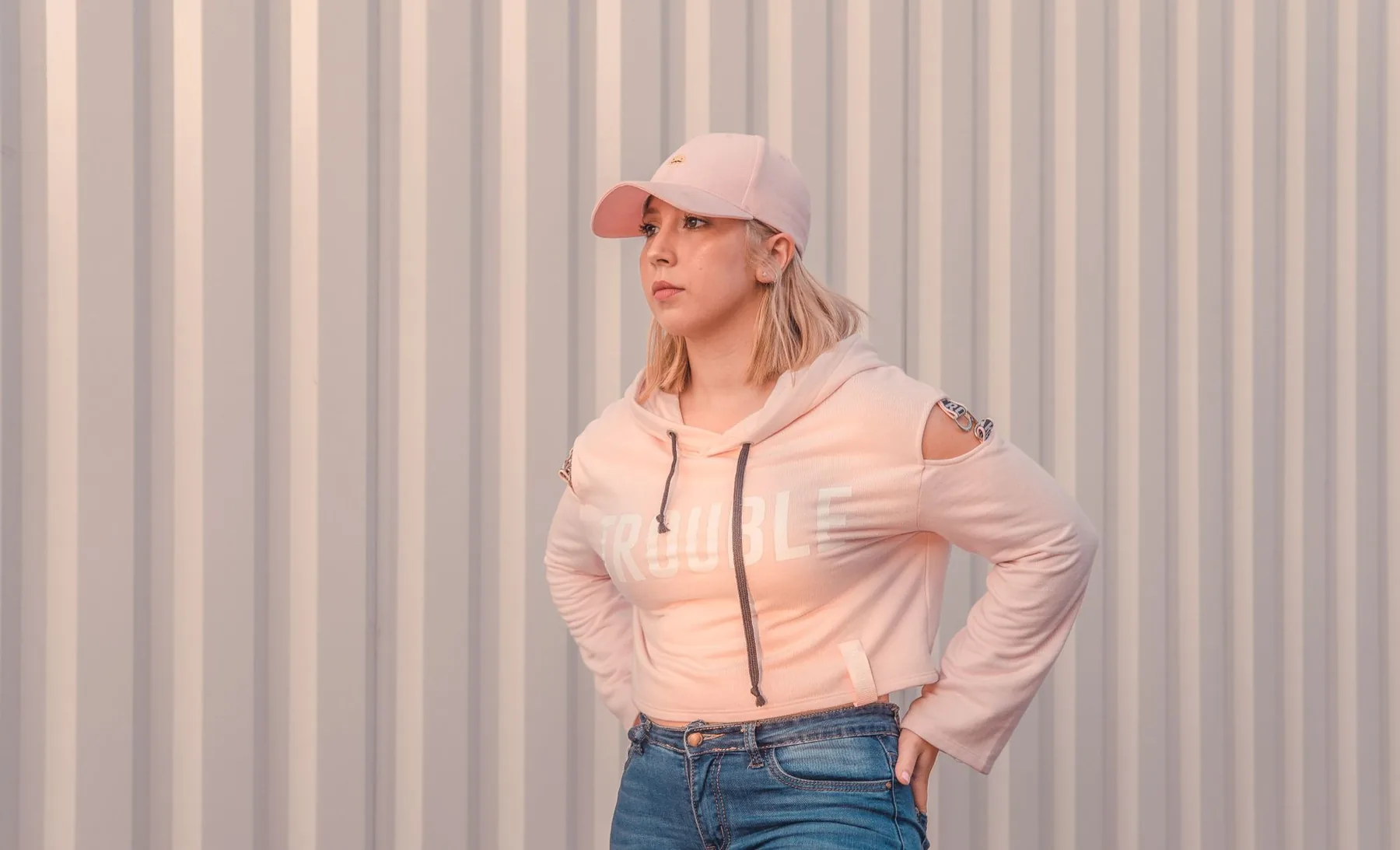
The sweatshirt is a cornerstone: choose solid colors and well-made details, including ribbed trims, a good neckline and strong seams.
Check the fleece’s weight and drape: a well-made piece keeps its shape and lasts.
Oversized and pocket T-shirts
Choose an oversized fit with care: balance its length and width to avoid a sloppy look. A pocket T-shirt adds subtle detail without overloading the outfit.
Pants: jeans, joggers and cargos
Raw selvedge jeans (A.P.C., Naked & Famous, Gustin) develop character and last a long time. Choose a straight or slightly fitted cut to balance a roomy top.
Premium athleisure joggers and modern cargo pants (loose or tapered cuts) offer comfort and versatility.
“Investing in well-made pieces leaves room to add a considered touch of originality.”
For more on building a cohesive foundation, see our practical guide: mastering streetwear.
Sneakers: the centerpiece of an outfit
Sneakers often define an outfit’s identity and set its overall tone.
Why they matter: the right pair immediately grounds an outfit in streetwear while remaining practical for everyday life.
Iconic styles and how to wear them
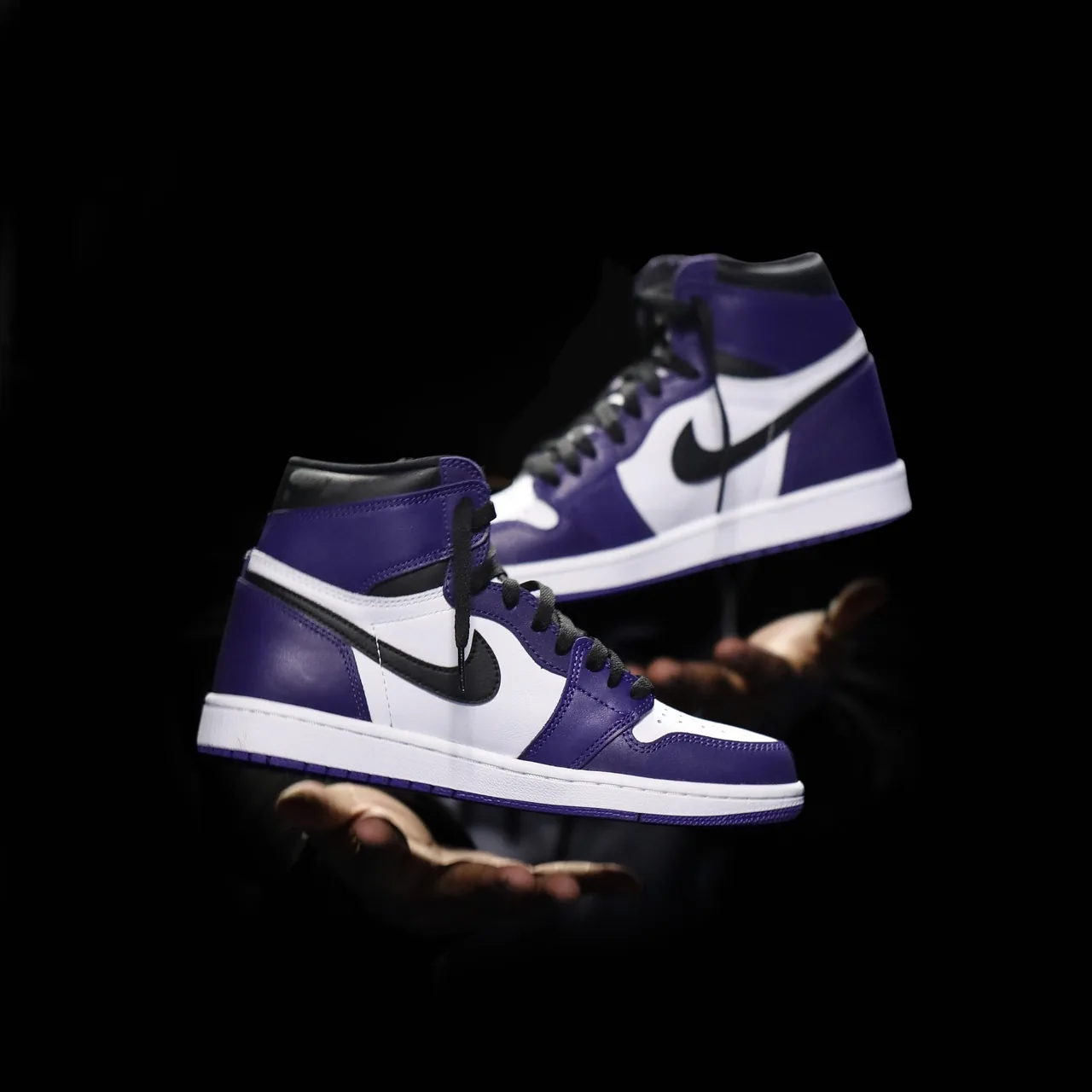
Nike Air Force 1 (white low-tops): clean and versatile, ideal with straight-leg jeans or cargos.
Air Max 1: iconic for their visible air unit and ideal for enlivening a neutral outfit.
Blazer (high- or low-top): slim lines and a retro sports look suited to streamlined outfits.
Vans Era: a classic available in several colors for a familiar skate-inspired touch.
New Balance shoes made in the UK or US: an excellent option for quality and comfort.
Quality, design and rotating your shoes
Favor simple lines, durable materials and colors that work with your wardrobe.
Rotate pairs regularly to limit wear and help them keep their shape. A care kit (brush, stain eraser and protective spray) extends their life.
- What to look for: clean lines, sturdy leather or canvas, and neutral colors.
- Rotation: two to four pairs for an effective rotation.
- What to avoid: accumulating shoes; a cohesive selection is better than numerous unworn pairs.
“The right pair lifts an outfit; a large collection without a clear purpose weakens its impact.”
Caps and accessories: the details that make the look
A well-chosen accessory often completes an outfit and expresses personal identity.
The cap does this effectively. It adds a finishing touch without complicating the look.
Snapbacks, five-panel caps and flat brims: choosing the right style
Know the difference between a classic flat brim, an adjustable snapback and a simply shaped five-panel cap.
For a considered first purchase, look at the New Era 59Fifty (MLB/NBA) or a Mitchell & Ness snapback. Norse Projects, HUF and Larose Paris offer good five-panel caps.
Quality checks: inspect the stitching, sweatband, adjustment strap and fabric.
Bags, jewelry and beanies: adding character without excess
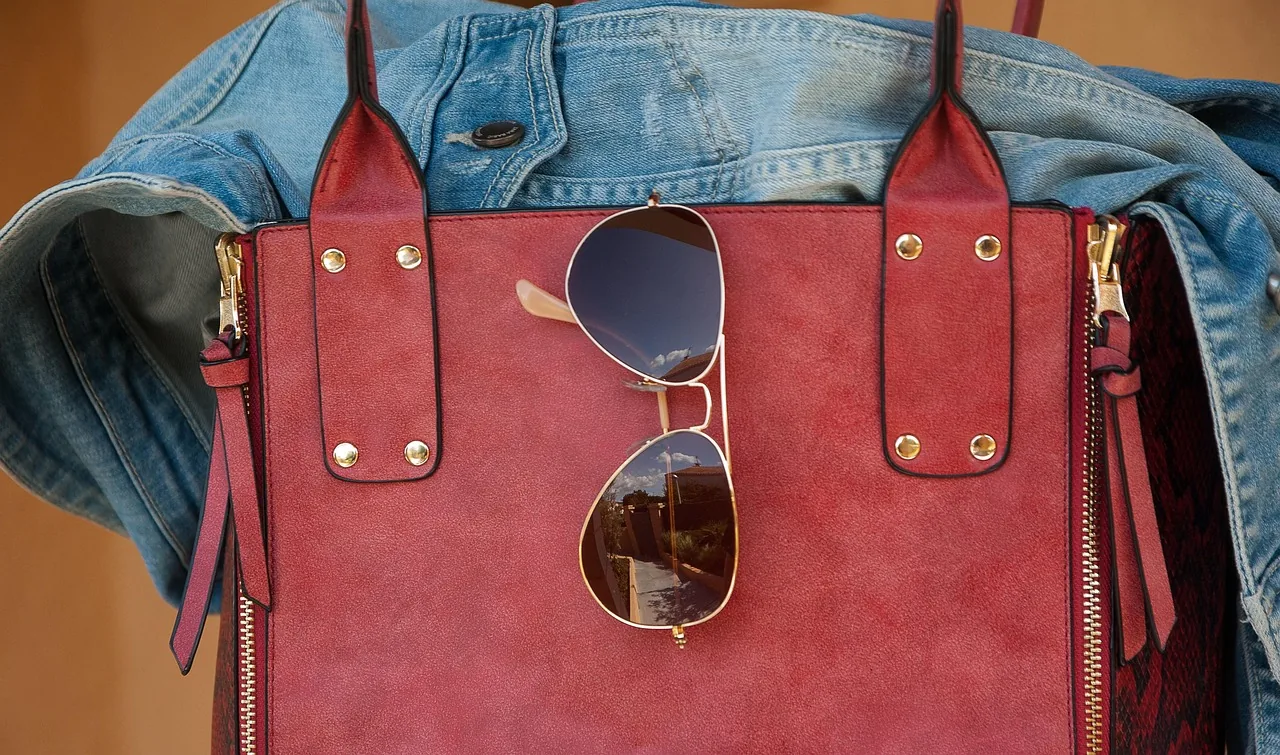
Complete the outfit with a belt bag or utility backpack. Keep jewelry understated: a fine chain or simple ring.
In winter, a plain beanie can replace a cap without losing the streetwear feel.
Rule of thumb: wear just one statement accessory at a time to keep the outfit clear and balanced.
| Accessory | Use | Practical tip |
|---|---|---|
| Flat-brim cap | Distinctive look | Choose the right size and a firm brim |
| Snapback | Adjustable and casual | Check the inner band and fastening |
| Five-panel cap | Refined shape | Choose sturdy canvas and neat stitching |
| Belt bag or other bag | Practical function | Wear it crossbody for visual balance |
“A carefully chosen accessory expresses belonging without showing off.”
Jackets and coats for an urban winter
Outerwear often defines an outfit when cold weather arrives. In the city, choose it according to the weather, its purpose and the look you want. Three broad categories stand out: technical pieces, insulating pieces and pieces made for layering.
Technical windbreakers, puffer jackets and denim jackets
A modern windbreaker combines waterproof fabric, sealed seams and a clean silhouette. It draws on workwear for added function.
The puffer jacket deserves a fresh look: controlled volume, subdued colors or a subtle pattern. It provides warmth without weighing down the outfit.
A denim jacket is an ideal middle layer over a hoodie or T-shirt. Its durability and shape help balance proportions.
Parkas, bombers and varsity jackets: styles and uses
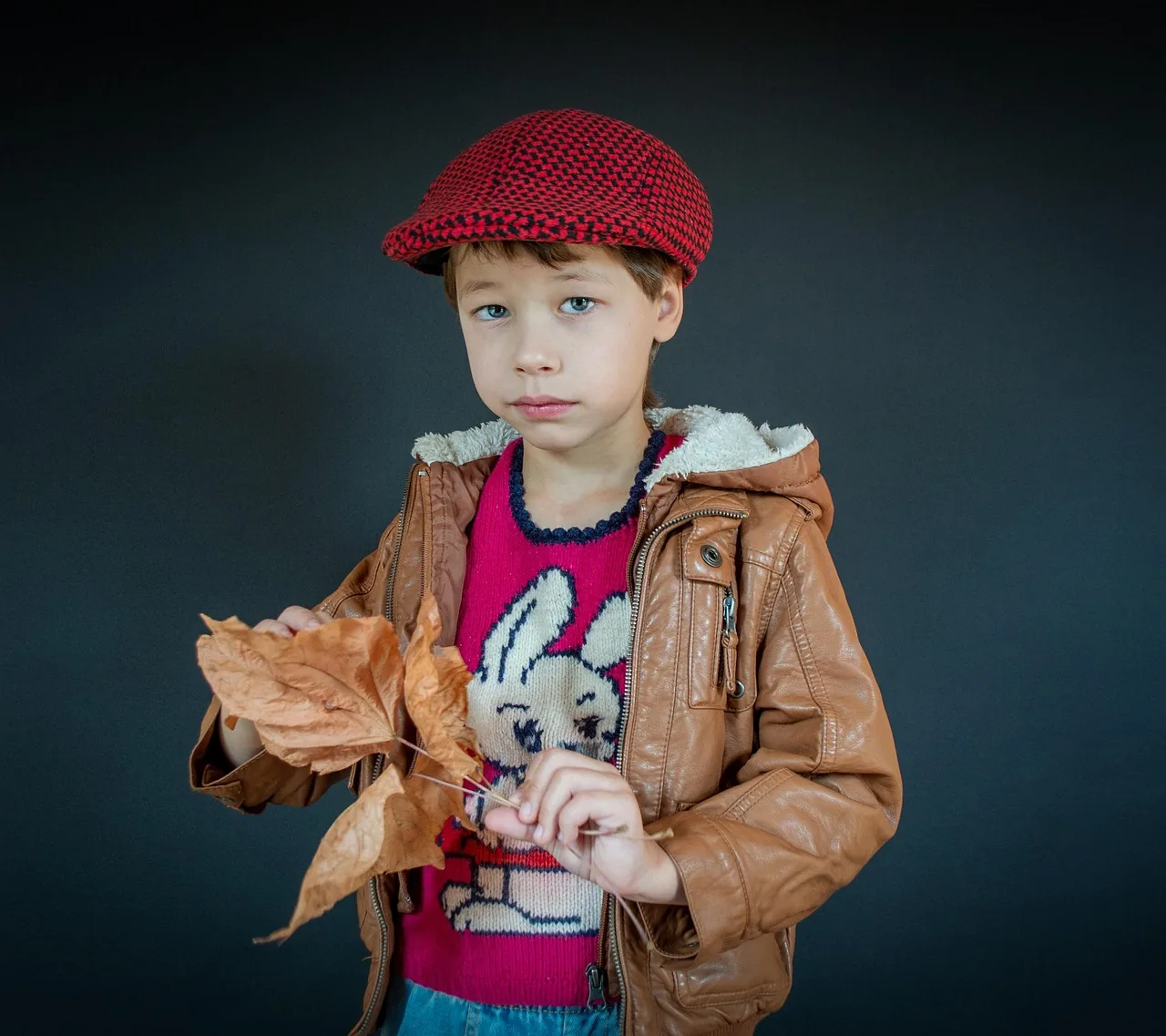
A parka protects against the cold with an adjustable hood, effective insulation and durable fabric.
The MA-1 bomber retains its military heritage. The varsity jacket, inspired by collegiate style, adds a retro touch.
| Type | Use | Quality criteria |
|---|---|---|
| Technical windbreaker | Rain, wind and mobility | Waterproof membrane, sealed seams and hood |
| Puffer jacket | Warmth | Even insulation, sturdy zippers and controlled volume |
| Denim jacket | Versatile layering | Sturdy denim, strong seams and a layer-friendly cut |
| Parka, bomber or varsity jacket | Protection, heritage or a casual look | Durable fabrics, linings and careful finishing |
“Choose pieces whose quality and design serve the outfit.”
Essential brands and legendary collaborations
Some brands have shaped streetwear’s identity through their visual codes and recognizable pieces.
Signature details and key pieces
Stüssy moved from surf culture to the street with its handwritten logo, T-shirts and caps. Supreme uses scarcity, its red box logo and limited drops. Bape stands out for its bright camouflage and mascot, often featured in limited editions. Off-White uses quotation marks, diagonal stripes and typography, notably on sneakers created with Nike.
Landmark collaborations
Collaborations between streetwear and luxury changed the landscape. Louis Vuitton x Supreme and Dior x Air Jordan brought streetwear global visibility. Through collaborations, The North Face helped bring technical outerwear to a wider audience and paved the way for hybrid collections.
Workwear and skateboarding: a functional foundation
Carhartt WIP, Palace and Patta bring durability and credibility. These brands offer useful basics that complement bolder pieces from limited collections.
| Brand | Defining feature | Signature piece |
|---|---|---|
| Stüssy | Surf → street | Logo T-shirt |
| Supreme | Limited drops | Red-logo hoodie |
| Bape | Camouflage and mascot | Limited-edition jacket |
| Off-White | Typography and diagonal stripes | Collaboration sneakers |
“Limited collections tell a story and sustain anticipation around each release.”
Tip: choose a few statement pieces that suit your style. To discover other influential labels, see our selection of the best streetwear brands.
Premium streetwear: quality, materials and finishing
Material quality makes a difference: comfort, shape and longevity are apparent from the first wear. Investing in heavyweight cotton or dense fleece reduces stretching and improves the drape.
From premium cotton to Japanese denim: why quality matters
Premium cotton stays soft and withstands repeated washing. Dense fleece retains warmth without sagging.
Japanese denim stands out for its tight weave, distinctive fading and durability. A well-chosen pair of jeans gains character over time.
Luxury capsule collections and bold design: elevating an outfit
Capsule collections from houses such as Off-White and Louis Vuitton have brought luxury closer to streetwear. They offer experimental design and premium finishing.
Pay attention to details: reinforced seams, neat ribbing, well-finished hardware and durable prints make a difference. One premium piece can lift an entire outfit.
“Buying fewer, better pieces reduces environmental impact and gives each garment more value.”
Make considered purchases: durability and quality pay off over time, both for your look and your environmental footprint.
Putting together an elegant streetwear outfit
Using contrast well turns an ordinary outfit into a cohesive one. The principle is simple: pair one refined piece with impeccable basics for a polished, current look.
Considered contrasts: luxury pieces and basics
Principle: a clean silhouette depends on careful cuts and distinctive materials. A plain hoodie worn open over a crisp T-shirt looks more refined with slightly fitted selvedge jeans.
Tip: choose one premium piece (a blazer, trench coat or technical puffer jacket) and complete the outfit with well-cut basics.
Outfit examples: from day to evening
Daytime outfit: a well-kept hoodie + minimalist T-shirt + slightly fitted selvedge jeans + Vans Era. Simple, effective and comfortable.
Evening outfit: unstructured blazer + minimalist T-shirt + white Air Force 1s. Add a fine chain and an understated five-panel cap for contrast.
Color palette and accessories: pair neutral shades with an occasional accent color. Accessories should complete the outfit without overpowering it. Choose clean cuts and well-kept pieces for a polished look.
“One refined piece elevates the outfit; keep everything else understated.”
Hip-hop fashion: a complete practical guide to urban style
A well-planned wardrobe prioritizes usefulness, a cohesive color palette and carefully chosen quality pieces.
Minimum essentials: a hoodie or sweatshirt, oversized T-shirts, selvedge jeans, fitted joggers, modern cargos, a pair of iconic sneakers and a five-panel cap. These pieces can form the basis of most outfits.
Palette: start with neutral colors (black, white, beige and gray), then add an accent color suited to the season. This makes combinations simple and effective.
Mixing price points: combine affordable, well-made basics with a few targeted premium pieces (a jacket or quality sneakers). Invest in items whose cut and material will stand the test of time.
- Add a measured touch of originality: a subtle pattern, textured fabric or distinctive accessory.
- Prioritize comfort and cohesion with every choice.
- Try on your outfits regularly and take photos to adjust the proportions and assess the result.
“A strong foundation makes every variation feel natural and considered.”
For more on key pieces and how to combine them, see our practical guide: streetwear outfits.
Japanese and Western streetwear
The contrast between Tokyo and major Western cities shows in every seam. This world encompasses both an experimental approach and a more direct branding strategy.
Tokyo and the avant-garde: quality, boldness and refinement
Japan places a premium on design and finishing. Brands such as Undercover, NEIGHBORHOOD and F-LAGSTUF-F focus on carefully chosen textiles and unexpected cuts.
Japanese silhouettes explore volume and texture. They tend to value innovation more than logos.
The United States and branding: hip-hop, logos and silhouettes
In the United States, the emphasis often falls on the brand and visual impact. The logo becomes a sign of belonging, promoted through culture and media icons.
The styles are often more assertive: simple lines, recognizable cuts and visible messages. They express the movement directly.
“Each has its strengths; balance comes from drawing on both worlds.”
Combining a technical Japanese piece with a logo hoodie in one outfit lets you play with the eras and cycles that shape streetwear.
Streetwear looks and outfits for each season
Every season calls for a different approach to volume and fabric so you can stay comfortable in the street.
Fall and winter: layering, texture and insulation
Effective layering: start with a T-shirt, add a hoodie, then a denim jacket, and finish with a parka or puffer jacket depending on the weather.
Choose fleece, sturdy denim, technical nylon and down to keep warm without weighing down the outfit. Combine textures to add depth.
Palette: muted shades (khaki, brown and slate gray) with measured touches of color to brighten the look.
Examples:
- Outfit 1: gray hoodie, raw denim jacket, khaki parka, straight-leg jeans and ankle boots.
- Outfit 2: short black puffer jacket, plain sweatshirt, tapered cargo pants and high-top sneakers.
Spring and summer: lightness, breathability and color
In warm weather, simplify the outfit. Choose breathable cotton and lightweight T-shirts. Wear airy cuts and shorts that reach mid-knee for comfort.
Low-top sneakers, such as Vans Era, remain versatile and preserve the streetwear feel without trapping too much heat.
Palette: neutral shades lifted by occasional touches of color (sky blue, brick red or mint green).
Examples:
- Outfit 1: white T-shirt, beige mid-knee shorts, white Vans Era and a five-panel cap.
- Outfit 2: lightweight cotton polo, cuffed jeans, gray low-top sneakers and a belt bag worn crossbody.
“Adjust lengths and fabrics: mastering layers improves both comfort and appearance.”
Mistakes to avoid, care and budgeting
A few common mistakes can spoil an otherwise good silhouette; here is how to avoid them.
Common pitfalls
Overly prominent logos: replace an oversized logo with a subtle print or an unbranded T-shirt. Choosing a restrained emblem preserves visual impact without making the outfit look like a billboard.
Unbalanced volume: avoid wearing oversized clothes from head to toe. Maintain balance by pairing a loose top with tapered bottoms, or the reverse.
Practical care
For sneakers: use a soft brush, a stain eraser, then a water-repellent spray. Store them somewhere dry and rotate between pairs.
For sweatshirts, wash on a gentle cold cycle and air-dry. Raw denim benefits from infrequent washing and flat drying to preserve the fabric.
Spending wisely
Prioritize versatile basics: a good pair of sneakers, a durable sweatshirt and quality jeans. Consider the cost per wear when deciding how to allocate your budget among shoes, tops, bottoms and accessories.
- Keep a few carefully chosen premium pieces.
- Use proceeds from reselling limited editions to fund better-quality pieces without expanding your wardrobe.
“Investing in quality and caring for your clothes extends their impact on the street.”
Conclusion
To conclude, remember that streetwear combines comfort, design and identity. It draws on its roots in Los Angeles and New York, a Japanese avant-garde and collaborations that transformed brands.
In short, origins, culture, style principles, key pieces and combinations are the essentials. They can help you build a cohesive, lasting outfit.
The movement continues to evolve, drawing on music, the street and the runway. Prioritize quality and durability so each garment lasts.
Experiment while paying attention to proportions, color palette and context. Aim for authenticity and a cohesive look that feels like you.
Ultimately, the goal is simple: an elegant outfit grounded in a rich, living culture.