
Let’s clarify the terms: this article explains why a broad culture is sometimes confused with one particular style. We distinguish hip-hop culture, its roots and its practices, from breaking, a dance style known for its floorwork.
The story begins in the Bronx in the 1970s, with DJ Kool Herc and Afrika Bambaataa. Funk, soul and breakbeats helped fuel a worldwide movement. Hip-hop culture rests on four pillars: rap, DJing, graffiti and dance.
Breaking, popularized by crews such as Rock Steady Crew, is recognizable by its freezes, power moves and battles. This form of expression has moved from block parties to major international competitions, including the Paris 2024 Olympic Games.
What you’ll find here: practical reference points — places, events, standing dance styles beyond breaking, techniques and media influence — to help distinguish dance as a whole from breakdancing in particular.
Why this comparison matters today
Understanding what happens on stage helps people choose the practice that suits them.
Today’s scene brings together established battles, such as Red Bull BC One and Battle of the Year, and festivals devoted to standing dance styles, such as Juste Debout and Summer Dance Forever. This mix introduces a broad audience to different formats and judging criteria.
In Paris, venues such as La Place offer workshops, concerts and classes. Distinguishing between styles and skill levels helps people find suitable training and, for beginners, reduce the risk of injury.
“Knowing what to call a practice means respecting its origins and the intentions of those involved.”
This distinction also concerns dancers’ identity: their conventions, techniques and formats (battles, shows, competitions) differ. Understanding these nuances matters not only for the practice itself but also for the culture, helping prevent everything from being treated as the same thing.
- Choosing classes that suit your level.
- Respecting conventions to preserve each form of expression.
- Helping organizers design coherent programs.
To learn more about the emerging scene, consult this document: the emerging hip-hop scene.
Hip-hop culture: a movement born in 1970s New York
In the 1970s, neighborhood parties in New York became a meeting ground for an artistic and social movement.
Born in the Bronx and Harlem, hip-hop culture brings together four complementary practices. DJing drives the party, rap gives people a voice, graffiti makes art visible, and dance embodies movement.
The four pillars: DJing, rap, graffiti and dance
DJs such as Kool Herc extended breakbeats, creating moments for dancing. MCs took the microphone; walls became galleries; bodies invented new forms.
From Bronx block parties to a worldwide culture
Block parties brought neighbors and crews together. Groups such as Rock Steady Crew and The Lockers turned those experiences into practices with recognizable techniques.
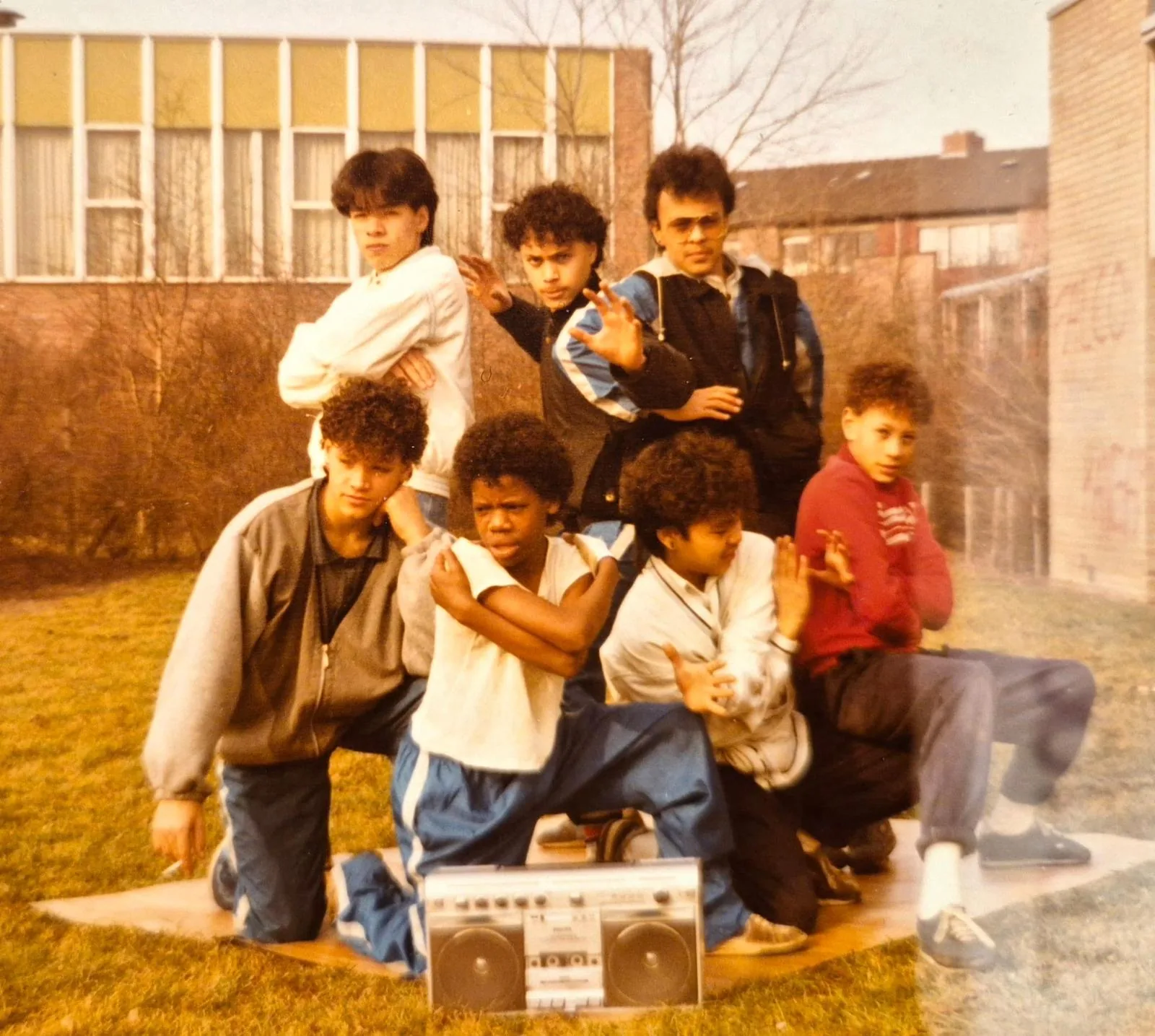
From New York, the movement spread across the United States and then around the world. It moved from streets to clubs, studios, festivals and media while keeping strong ties to its community roots.
“Respecting the history means preserving the spirit of sharing and collective creativity.”
- Origins: the Bronx and Harlem, 1970s.
- Pillars: music, voice, visual art and dance.
- Transmission: crews, festivals and international stages.
Breakdancing (breaking): a dance discipline in its own right
Combining art with physical challenge, breaking demands a high level of technical skill.
Floorwork, power moves and freezes
Breakdancing includes several groups of movements: toprock for the opening, downrock or footwork for floorwork, and power moves and freezes for visual impact.
Floorwork requires coordination and rhythm. Power moves include rotations and spins that place considerable demands on the body.
Freezes hold a position at just the right moment. These moves highlight the dancer’s musicality and intention.
Training requires strength, mobility and cardiovascular endurance. Progress comes through focused exercises and learning the techniques step by step.
- Toprock: opening steps and style.
- Footwork: transitions on the floor.
- Power moves and freezes: difficulty and spectacle.
In a battle, creativity, control and musical interpretation matter as much as difficulty. Breaking is also performed in shows, where choreography guides the audience through the performance.
Hip-hop and breakdancing: what’s the difference?
Understanding the difference between a cultural movement and a distinct discipline makes a performance easier to interpret.
A broad culture and a specific discipline. The wider street dance scene includes many styles, such as locking, popping, house, krump and waacking. They offer a wide range of expression built on groove, isolations and improvisation.
Standing dance and floorwork
Standing dance styles emphasize footwork and musicality. They prize style, stage presence and transitions.
Breakdancing stands out for its floorwork, acrobatics and established groups of movements.
Performance formats
On stage, there are choreographed shows, one-on-one battles and team competitions. Breaking has both one-on-one events (Red Bull BC One) and crew events (Battle of the Year).
Standing dance styles have their own events, including Juste Debout and Summer Dance Forever. Judging criteria vary and may include musicality, technique, creativity and interpretation.
- Visual cue: stage presence and style, or rotations and freezes.
- Goal: personal expression and storytelling through movement.
- Crossovers: dancers meet across styles and create hybrid shows.
Historical landmarks: from New York streets to the Olympic Games
Breaking’s journey from the street to international podiums illustrates a cultural and sporting transformation.
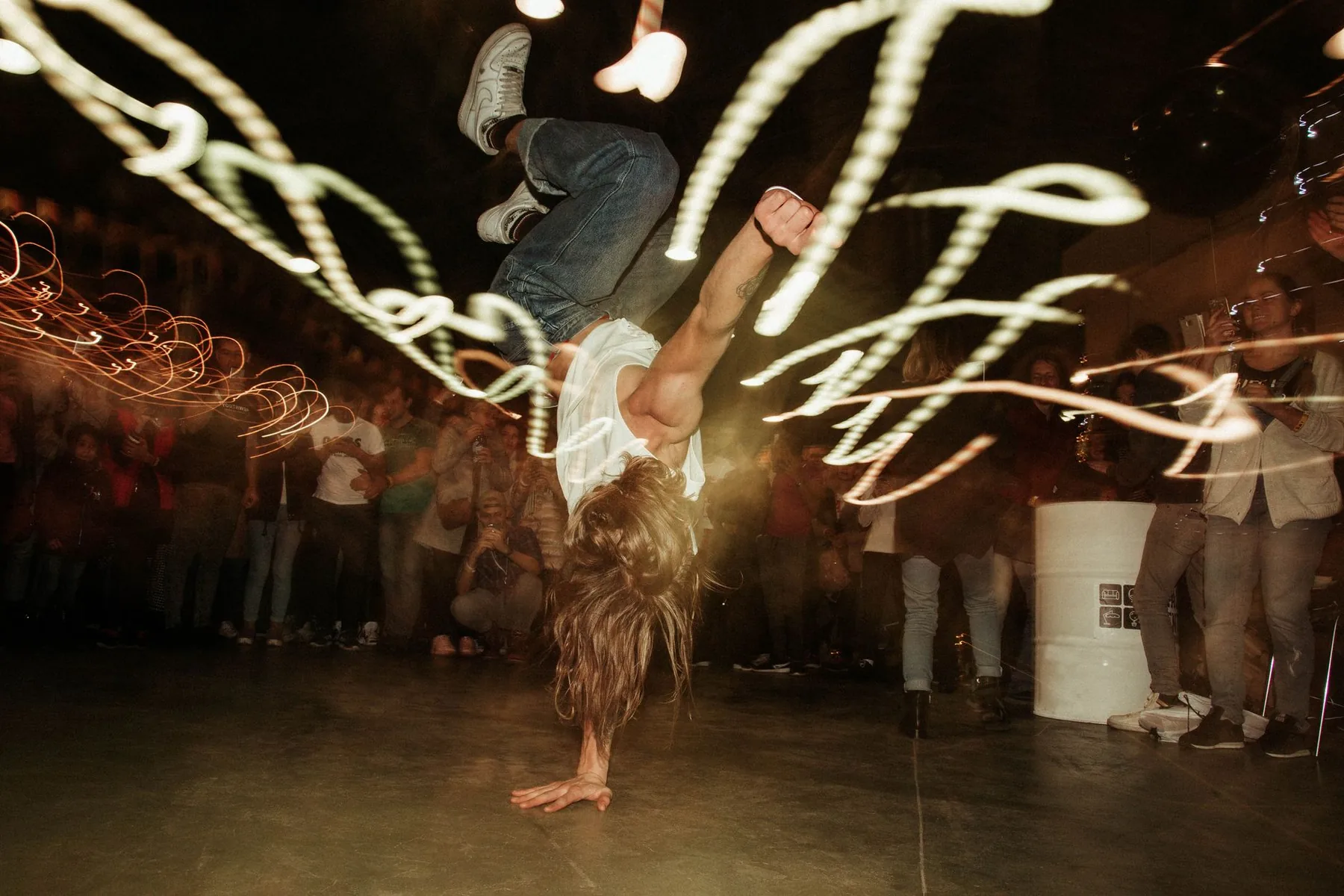
The Bronx, Harlem, and funk and soul influences
In the Bronx and Harlem, the scene emerged under the influence of funk and soul. This music set the tempo for the first dancers.
In the 1970s, block parties in New York created opportunities to exchange ideas. Their social dimension shaped the first generations.
Sporting recognition: breaking at the Paris 2024 Olympic Games
Breaking gained greater recognition when it entered the Paris 2024 Olympic Games. Before that, it had already featured in competitions such as Battle of the Year (crews) and Red Bull BC One (one-on-one).
The Olympic Games brought qualifying rounds, judges and defined criteria. These structures helped professionalize the discipline and its athletes.
- Journey: street → international competitions → Olympic recognition.
- Musical influences: funk and soul, passed on through communities.
- Coexistence: street culture persists alongside a global sporting framework.
“Institutional recognition does not erase the creative spirit; it simply changes the rules of the game.”
Ultimately, the movement’s spread around the world depends on events and a constant blend of innovation and tradition.
Hip-hop dance styles beyond breaking
From Los Angeles to New York, several styles have shaped street dance. Each has its own movement vocabulary and musical feel.
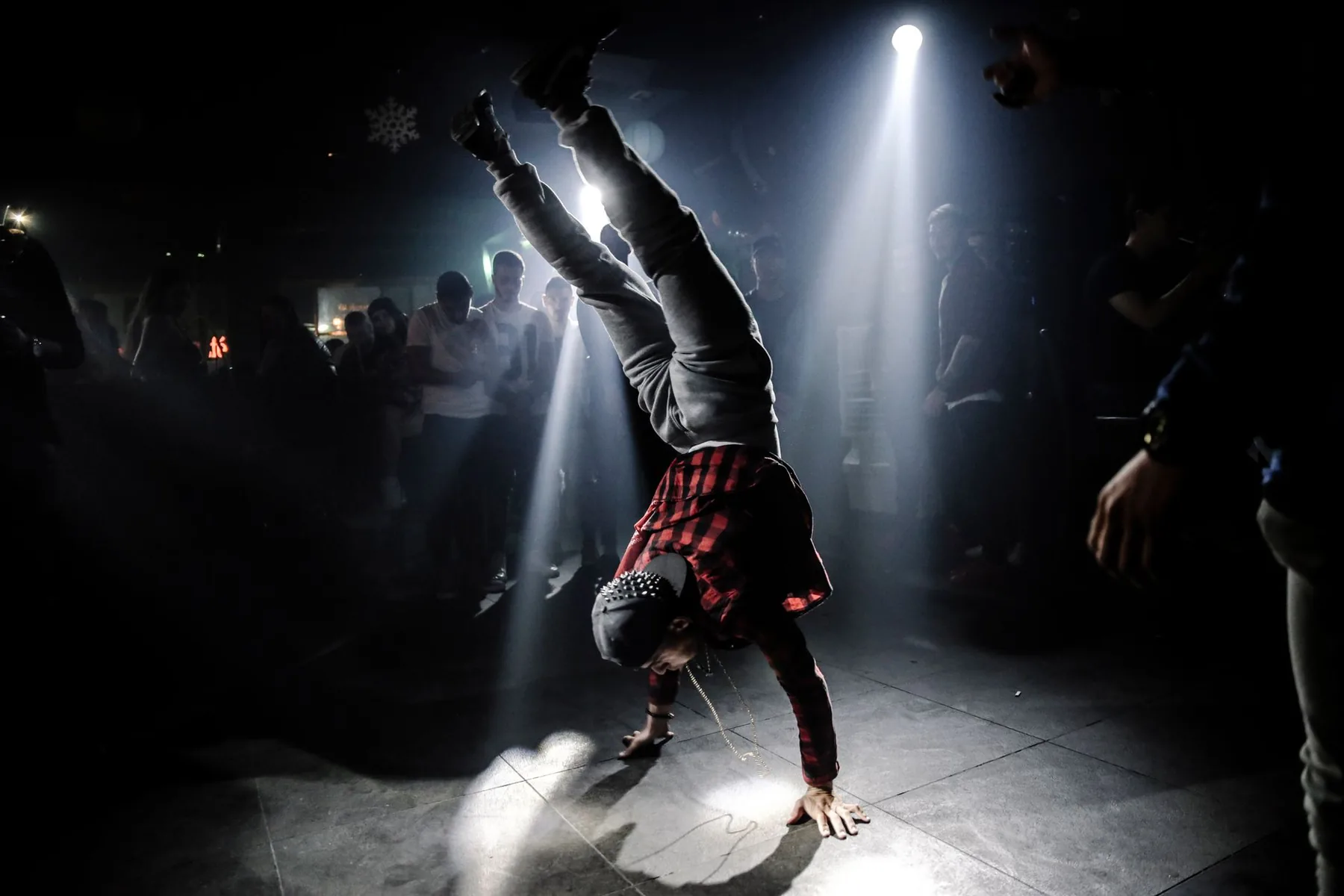
Locking was created by Don Campbell and popularized by The Lockers. It is marked by locks, playful energy and a strong sense of showmanship.
Popping comes from Fresno and Boogaloo Sam. Pops, waves and roboting are among its signatures. Michael Jackson helped bring it worldwide attention.
Variations and character
House emphasizes footwork and the musicality of the house clubs of the 1980s. Krump (Los Angeles, 2000s) favors intensity and emotional commitment.
Waacking and voguing emerged in LGBTQ+ scenes; they highlight poses, fast arm movements and fashion on stage.
Litefeet emerged in New York in the 2000s; it combines fast footwork, tricks and street battles that spread online.
“Each style has its own grammar: trying several practices enriches musicality and creativity.”
| Style | Origin | Characteristic movements | Musical feel |
|---|---|---|---|
| Locking | Los Angeles | Locks, poses, comedy | Funk, groove |
| Popping | Fresno, California | Pops, waves, roboting | Funk, electro |
| House and krump | Chicago and New York; Los Angeles | Fast footwork; intense movements | House; driving rhythms |
| Waacking, voguing and litefeet | Los Angeles and New York | Poses, fast arm movements, tricks | Club music, street-inspired samples |
To explore the relationship between dance and music further, read dance and music: a conversation through the body.
Key breaking techniques that reveal the difference
Understanding breaking techniques helps you recognize what sets it apart from other street dances.
Toprock and footwork
Toprock is the opening: these standing steps establish style, rhythm and musical interpretation from the first bars.
Toprock offers rhythmic variations that signal the dancer’s intention.
Footwork, or downrock, covers sequences on the floor (the 6-step and its variations). The legs trace circles and directions while marking the beat.
Power moves: spins, rotations and transitions
Power moves are bursts of energy. Headspins, windmills and flares are examples of these spectacular rotations.
The quality of the transitions between rotations often makes the difference. These moves require strength and precision to combine speed with control.
Freezes and body control
Freezes punctuate a performance: the baby freeze, chair freeze and airchair hold a moment and accent the music.
They require a strong core and careful control of weight-bearing positions. Training should strengthen the shoulders, hips and joints.
| Element | Function | Examples |
|---|---|---|
| Toprock | Opening, style | Rhythmic steps, variations |
| Footwork | Floor-based vocabulary | 6-step, variations, positions |
| Power moves | Burst of energy | Headspin, windmill, flare |
| Freezes | Visual finishing point | Baby freeze, chair freeze, airchair |
Tip: structure your training. Strengthen your joints and core before adding complex moves.
To explore different styles and place these techniques alongside standing dance styles, compare the emphasis each gives to groove and isolations.
Music, rhythms and identity: what guides movement
Sound shapes how the body breathes and moves on stage.
Breakbeats and funk have long provided the foundation for breaking. DJs such as Kool Herc extended instrumental passages to create “breaks” in which dancers could perform power moves and freezes.
The DJ plays a central role. They build a break, adjust the tempo and place accents. Dancers use these cues to synchronize rotations, poses and changes in intensity.
Musical variety in standing dance styles
Standing dance styles draw on a wide range of music: funk, hip-hop, house or pop, depending on the style. This variety changes phrasing, breathing and the use of silence.
Musical cues for recognizing a suitable style:
| Style | Tempo | Sound characteristics |
|---|---|---|
| Breaking | Medium to fast | Breakbeats, percussive accents, funk groove |
| Locking and popping | Medium | Funk, clear musical lines, sharp accents |
| House and house-influenced styles | Fast | Steady beat, techno and house textures |
Over the years, openness to other genres has renewed the practice. Listening, comparing and experimenting remain among the best ways to grow artistically.
To learn more about the French scene and choose a suitable class, explore hip-hop dance.
Major battles and competitions around the world
Major competitions reveal where technical and artistic excellence is celebrated worldwide.
Red Bull BC One and Battle of the Year
Red Bull BC One remains a leading one-on-one breaking competition and attracts top solo dancers.
Battle of the Year is an iconic crew tournament, where group cohesion and staging matter as much as technique.
Juste Debout, Summer Dance Forever and World of Dance
Juste Debout puts standing dance styles in the spotlight: popping, locking, house and hip-hop.
Summer Dance Forever in Amsterdam offers battles and masterclasses, while World of Dance showcases crews and soloists across several styles.
Formats: one-on-one for individual expression, crews for choreography, and style-specific categories for fair comparisons.
Common criteria: musicality, creativity, technique, stage presence and originality.
These competitions help dancers build professional careers. They offer visibility, contracts and opportunities abroad.
Battles shape trends: new signatures, technical combinations and musical choices then circulate throughout the scene.
“Following event calendars and live broadcasts remains one of the best ways to discover talent and keep up with competitions.”
Cultural and media influence: fashion, film and performance
On screens and in shop windows, street culture’s visual codes have become worldwide trends.
From streetwear to fashion collaborations: sneakers, caps and jewelry have become visible symbols. Brands work with artists to reach a broad audience.
Influential films — Wild Style, Beat Street, Breakin’, You Got Served, Step Up, Rize, Street Dance 3D — have portrayed these practices. They popularized movements, looks and stories.
Films and music videos that popularized the styles
Music videos by Michael Jackson, MC Hammer, Missy Elliott, Chris Brown and Beyoncé popularized signature movements.
Analysis: when the scene enters the media, art and industry intersect. Creativity gains exposure, while exchanges between underground and mainstream culture reshape careers.
“Cultural references shape the practices of new generations.”
| Medium | Examples | Main effect |
|---|---|---|
| Films | Wild Style, Step Up, Rize | Stories and wider exposure for the styles |
| Music videos | Thriller, Work It, Run the World | Signature movements and viral reach |
| Fashion | Collaborations between brands and artists | Bringing streetwear to a broad audience |
Notable venues and scenes in France: a focus on Paris
Parisian venues are at the heart of a lively scene where music, visual arts and dance meet.
La Place, Dock B and Wanderlust: dance, concerts and workshops
La Place (Forum des Halles) presents dance, music, graffiti and talks. It hosts workshops, shows and artist residencies.
Dock B in Pantin hosts parties, concerts, exhibitions and intensive sessions for collectives.
Wanderlust offers hip-hop events and workshops in a club setting that brings performers and clubgoers together.
Communities, parties and battles for every level
These venues form an ecosystem: classes, residencies, parties and battles connect beginners with performers.
Accessibility: many events welcome every level, from newcomers to experienced dancers.
The range of dance styles encourages exchanges and new connections. Attending local events helps people understand the conventions and dynamics of battle rounds firsthand.
“Spending time in these spaces helps dancers improve their technique and build a network.”
Conclusion
This rich history connects 1970s New York with contemporary scenes, where hip-hop culture retains its four pillars. The comparison shows that breakdancing is a distinct discipline centered on techniques, moves and floorwork.
This dance inspires performers worldwide, shapes competitions and helps professionalize the practice — from local battles to major international events and the Olympic Games, which brought it significant recognition.
Every dancer progresses by listening to the music and working on footwork, body control, freezes and technical skill. To explore standing styles further, discover five dance styles and join your local scene to share creativity and practice.