
This practical guide offers a clear overview of hip-hop’s four main pillars, helping readers understand where the movement came from and how to approach it with respect.
Born in the working-class neighborhoods of the South Bronx in the 1970s, the movement centers on rap, DJing, breaking and graffiti. Together, these arts form a culture that reaches beyond music alone.
We will explore the historical context, landmarks such as The Message and Rapper’s Delight, and visual milestones such as Style Wars. The aim is to help you identify worthwhile events and understand the culture’s codes.
This article is for curious readers, beginners and enthusiasts. It offers practical advice on getting started, supporting the movement and taking part, while emphasizing the importance of an ethical, community-minded approach that avoids cultural appropriation.
Understanding the historical context: the Bronx in the 1970s, birthplace of hip-hop
In a Bronx gripped by crisis during the 1970s, people developed creative responses to violence and poverty.
The South Bronx in crisis: unemployment, poverty, violence and the birth of a movement
The area experienced a mass exodus, property values collapsed and jobs disappeared. Between 1973 and 1977, nearly 30,000 deliberately set fires devastated its neighborhoods. On one day in June 1975, 40 fires were started in three hours.
The pioneers: DJ Kool Herc, Grandmaster Flash, Afrika Bambaataa and the Zulu Nation
At parties at 1520 Sedgwick Avenue, DJ Kool Herc extended the breaks, giving dancers a new space for expression.
Grandmaster Flash refined scratching and mixing; Afrika Bambaataa founded the Zulu Nation to channel competition into art and nonviolence.
From block parties to cyphers: when the street becomes a creative space
Block parties became free stages where young people and groups experimented with DJing, MCing, breaking and graffiti.
Cyphers, circles for freestyle performance, gave participants a voice and encouraged local creative exchange before the movement spread across New York.
| Years | Key events | Impact |
|---|---|---|
| 1973–1977 | Approximately 30,000 deliberately set fires | Urban decline, population exodus and a rise in gang activity |
| 1973–1975 | Parties at 1520 Sedgwick Avenue (Kool Herc) | Extended breaks emerge, creating space for dancers |
| Mid-to-late 1970s | Flash, Bambaataa and block parties | New DJ techniques, the Zulu Nation and cyphers |
To explore dance and its social dynamics further, read an analysis of contemporary dance here.
Hip-hop culture: the four pillars explained
Voice, turntables, dance and lettering: each discipline contributes to collective creativity.
Rap/MCing: voice, rhymes and social awareness
Rap combines flow, internal rhymes, assonance and storytelling.
It often calls attention to hardship and describes the daily lives of young people in their neighborhoods.
Beatboxing sometimes accompanies a performance and adds to its rhythm.
DJing/turntablism: breaks, mixing and scratching in the service of rhythm
DJs use vinyl records, synchronize tempos and extend breaks.
Scratch techniques, including baby scratches and transformer scratches, create sonic textures.
The DJ shapes the atmosphere and brings the music to the stage.
Breakdance/breaking: acrobatic dance, battles and team spirit
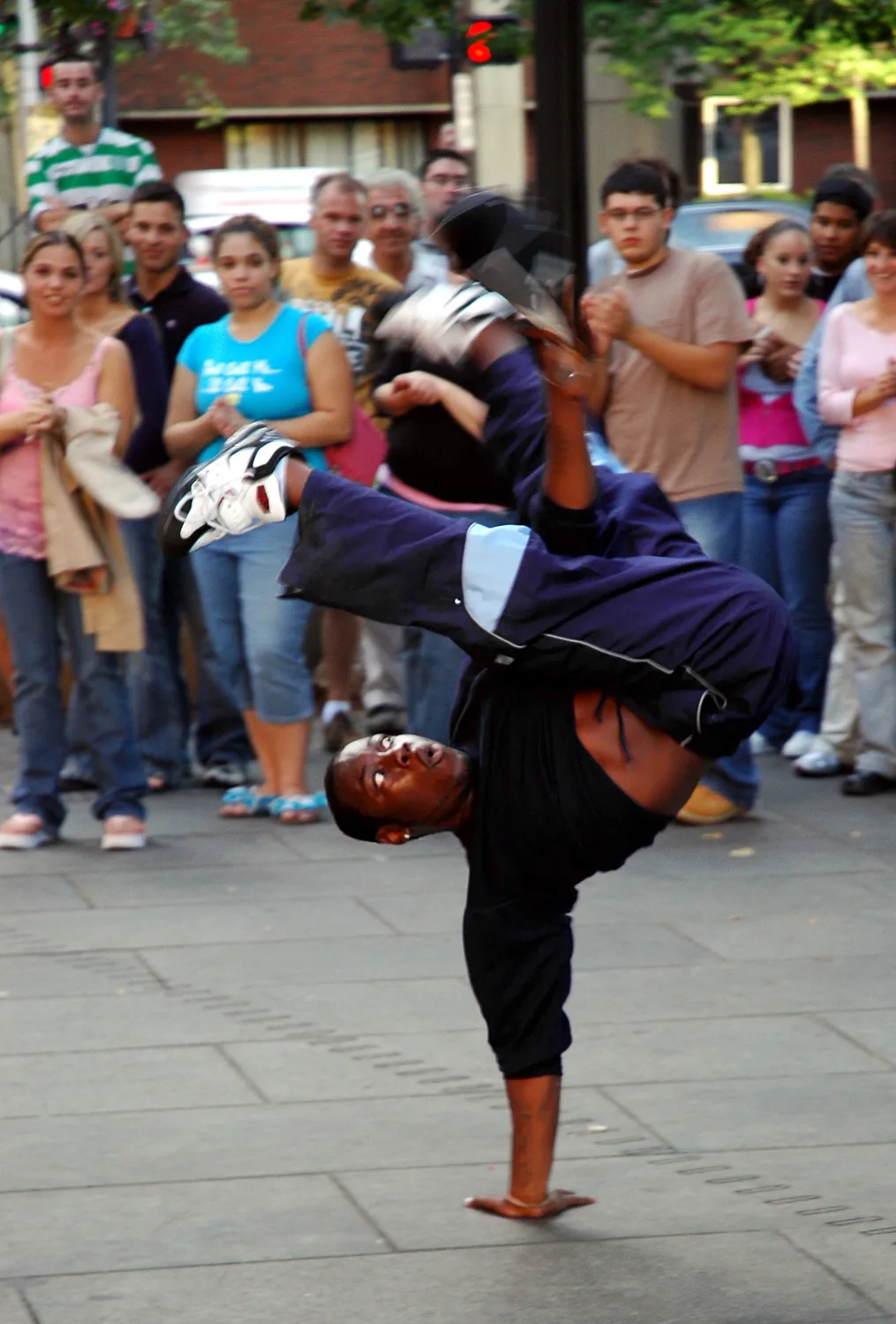
Breaking combines top rock, footwork, power moves and freezes.
Battles and cyphers encourage creative exchange and collective progress.
Graffiti: visual expression, lettering and messages in public space
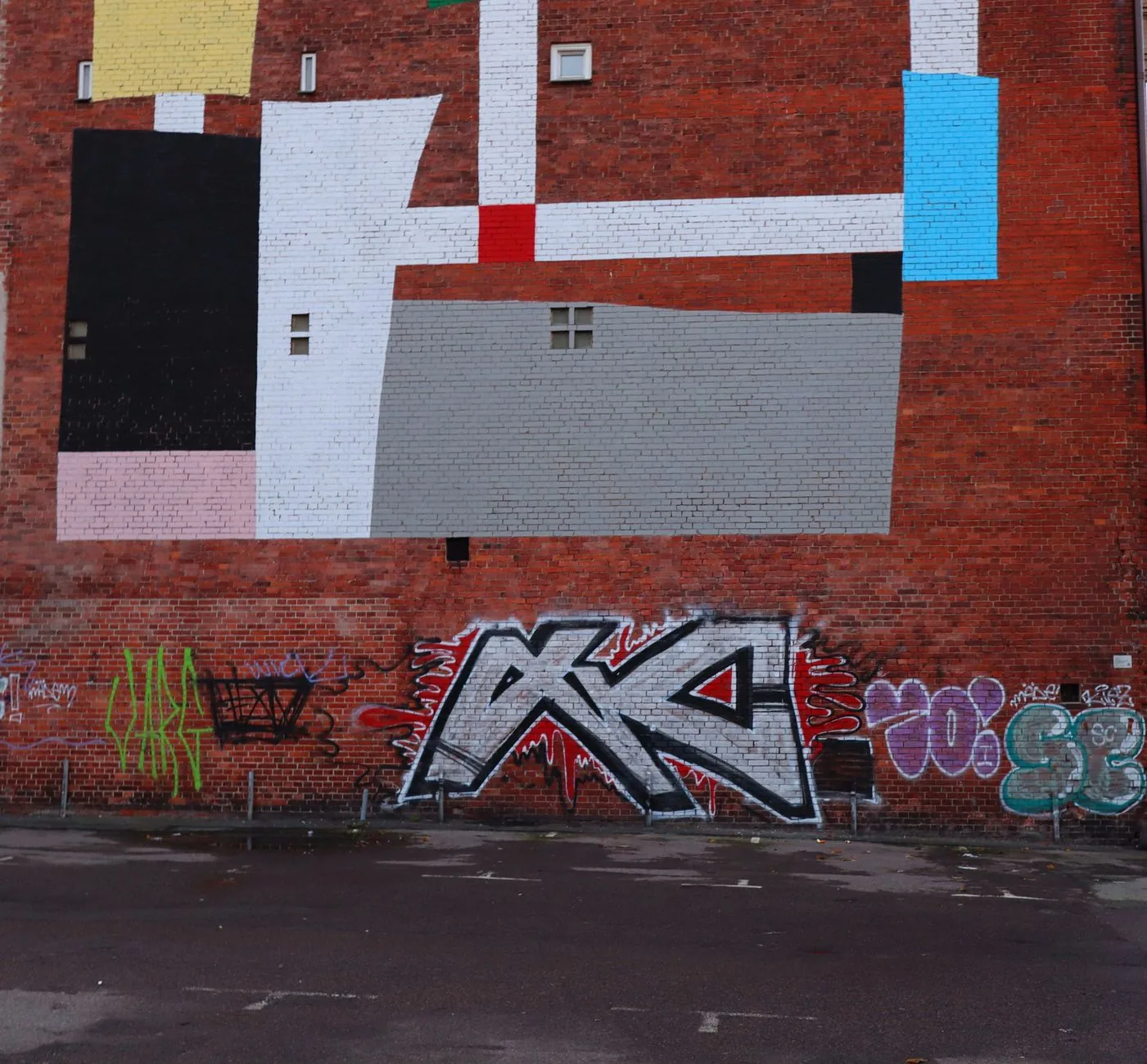
From a tag to an intricate piece, graffiti uses color, placement and style to make a mark on urban space.
These works have accompanied the movement’s spread from New York since the 1970s.
- Complementary roles: MCs and DJs create music together, dancers respond to the breaks, and graffiti writers shape the visual setting.
- Community: people learn by doing, receive feedback from peers and develop within a crew.
Musical and cultural influences: funk, soul, reggae and disco at the heart of the hip-hop sound
The movement’s sound draws heavily on the grooves of funk, soul, reggae and disco. These styles fed a form of DJing focused on finding breaks and bringing out the rhythm.
From samples to extended breaks: Kool Herc’s method
Crates of vinyl became treasure troves. DJs searched through records to isolate percussion passages. These fragments circulated and found new life in loops.
Kool Herc used two copies of the same record to extend an instrumental passage, creating longer breaks. Dancers had more room to develop their moves.
African American and Jamaican oral traditions: toasting and call and response
Jamaican toasting and African American call and response shaped the exchange between MC and audience. Slogans, rhymes and verbal cues energized the dance floor.
- Grandmaster Flash improved the precision of mixing and scratching to create clean transitions.
- Sampling preserves musical memory by placing fragments in new contexts.
- These influences form an Afro-diasporic continuum, from Jamaican sound systems to Bronx block parties.
- Over the years, these borrowings spread through international scenes and influenced studio production.
For a closer look at the sociocultural impact, read this article about the scene and its protest roots: analysis of the movement.
How to recognize and respect this culture in everyday life
Knowing which events to attend and how the scene works helps you participate respectfully. Looking at the program, the presence of cyphers and the range of disciplines represented can help you spot a worthwhile event.
Finding events
Look for contemporary block parties, battles, jams or open mics that make room for audience participation. A good event listing mentions several disciplines and opportunities to connect.
Codes, values and ethics
Respect for the circle, active listening, taking turns and constructive feedback are essential. The movement values nonviolence, diversity and authenticity, a legacy of organizations such as the Zulu Nation.
- Participate: try out your lyrics at an open mic or dance at a jam.
- Support organizers: pay the admission fee and credit the artists.
- Learn the movement’s history and avoid cultural appropriation.
These occasions offer a chance to meet mentors and build local and international connections. To learn more about hip-hop culture, visit the dedicated page.
Practical tips for getting started in each pillar
Taking part in this movement calls for a method and steady progress. Set weekly goals, record your practice sessions and ask the community for feedback.
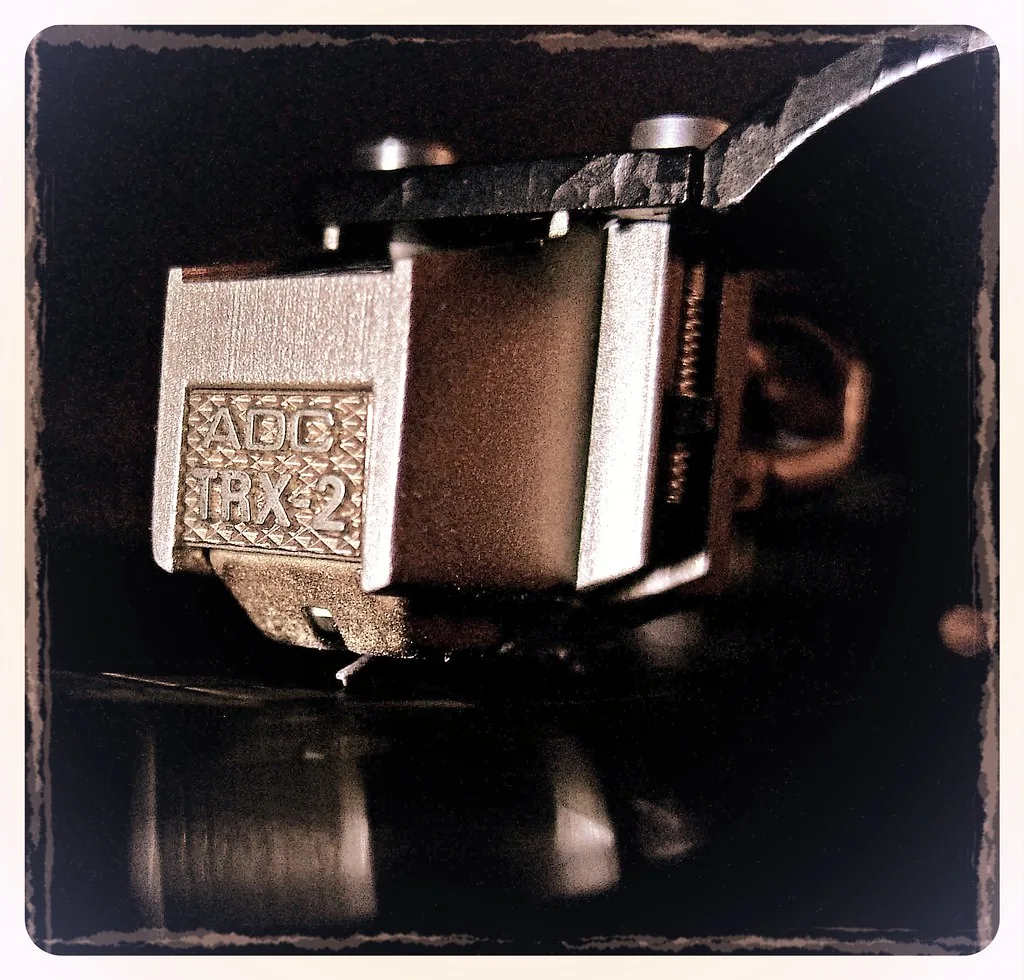
Getting started with DJing or rap
For rap: write every day and work on diction, breathing and rhyme schemes. Try your lyrics at open mics and record yourself to improve your stage presence.
For DJs: begin with beatmatching and equalization. Practice working with breaks on vinyl or a controller, then add simple scratches before putting together routines.
Learning breaking safely
Master top rock, footwork and freezes first. Warm up properly and work toward power moves with a coach or crew.
For more on how dance is taught and how it brings people together, read a dedicated study.
Practicing graffiti legally
Start with sketches on paper, work on your alphabet and test color combinations. Choose legal walls, workshops or commissioned projects to develop your lettering within the law.
For a complementary perspective on music and movement, read a reflection on dance and music.
| Discipline | Getting started | Resources |
|---|---|---|
| Rap | Daily writing, open mics, recordings | Workshops, peer feedback, studio tutorials |
| DJing | Beatmatching, equalization, basic scratches | Controller or vinyl, local clubs, technique demonstrations |
| Breaking | Top rock, footwork, freezes, warm-ups | Crew, classes, cyphers, gradual progression |
| Graffiti | Sketches, lettering, color experiments | Legal walls, workshops, authorized commissions |
Foundational moments and key tracks of the 1980s
Between 1979 and 1982, a few recordings brought these practices into the public eye.
From “The Message” to social awareness in rap
“The Message” (Grandmaster Flash & The Furious Five, 1982) marked a turning point. Its lyrics portrayed the harshness of urban life with unusual clarity.
This direct storytelling placed social issues at the center of rap. Later generations carried forward its outspoken approach.
“Rapper’s Delight,” the media and international reach
“Rapper’s Delight” (The Sugarhill Gang, 1979) was the first major commercial hit. It carried the genre from block parties onto the airwaves and the world stage.
Performances featuring a group and a DJ helped shape live shows and standardize radio formats. The genre gained visibility as local scenes emerged in Europe.
- Timeline: record labels took a growing interest from the late 1970s to the early 1980s.
- MCs’ voices: their role evolved from energizing parties to delivering more socially engaged and critical messages.
- Impact: these developments reshaped the cultural landscape of the 1980s and secured hip-hop’s place in music history.
Hip-hop’s spread and legacy in France and around the world
The movement quickly spread beyond the Bronx and took root in other cities. In France, independent radio stations, mixtapes and fanzines played a key role.
From the 1980s to the 2000s: local scenes, fashion, artists and events
In the 1980s, Dee Nasty helped establish an early French scene. Radio stations and jams encouraged crews and groups to emerge.
In the 1990s and 2000s, artists such as Tupac and The Notorious B.I.G. became stars. In France, collectives such as Saïan Supa Crew experimented with vocal styles and polyphony.
Streetwear fashion, film and advertising adopted hip-hop’s codes. Neighborhoods became home to community studios, youth and cultural centers, festivals, battles and open mics.
- Events: jams, dance competitions, exhibitions and updated block parties.
- Across continents, people reinvent the practice by bringing in local languages and styles.
| Period | Key figures and groups | Impact |
|---|---|---|
| 1980s | Dee Nasty, radio stations, fanzines | Development of a local scene |
| 1990s–2000s | Tupac, The Notorious B.I.G., Saïan Supa Crew | International reach and a broader audience |
| Since the 2000s | Crews, festivals, media outlets | Lasting local presence and a place in the cultural industries |
Hip-hop culture remains vibrant and adaptable today. It maintains a connection to its roots while inspiring new movements and ways of imagining urban life.
Conclusion
Respect for its origins and passing on knowledge remain central to hip-hop culture. The South Bronx, its pioneers and its disciplines—MCing, DJing, breaking and graffiti—created a living legacy.
The values of nonviolence, inclusion and authenticity still guide the practice. Learning the movement’s history and crediting your sources help you participate responsibly.
Join local scenes, support events and make visual art in legal spaces. Welcome new ideas while honoring foundational works and figures.
To explore how the movement can be used in community work, read this study of community arts practice. This art form offers a lasting way to express yourself, learn and build connections.