
The meeting of rap and jazz began in New York in the late 1980s. Groups such as A Tribe Called Quest, De La Soul and Jungle Brothers forged a hybrid identity. ATCQ’s The Low End Theory marked an aesthetic turning point by slowing tempos and bringing new harmonic colors to the fore.
The style blends samples, Fender Rhodes, double bass, horns and driving rhythms. This combination highlights the work of artists and groups who reinvented urban music.
From France, with MC Solaar, to Japan, with Nujabes, its spread accelerated. Streaming platforms and online radio stations (ChillHop, Lofi Girl) broadened its audience and strengthened its recognition.
To learn more about its roots and pioneers, see the page on the history of jazz rap. We will then explore the albums, techniques and scenes that shaped the style.
Understanding jazz rap: definitions, origins and early milestones
Jazz rap sits at the intersection of several categories. The label is used mainly by the press and listeners, while artists embrace it to varying degrees. This flexibility explains its “unofficial” character.
The movement emerged in New York in the late 1980s. Groups such as A Tribe Called Quest, De La Soul and Jungle Brothers sampled mainly jazz and soul records. Sampling techniques evolved: artists chopped and layered multiple elements, then adjusted their rhythmic placement precisely to create distinctive tracks.
The Low End Theory (1991) marked a turning point. Tempos below 100 BPM, soul-jazz elements and Bob Power’s careful mixing gave it a recognizable sound. Q-Tip exemplified this approach to production: he could combine the drums from one record with the bass from another.
The Native Tongues collective brought artists together around values of unity and uplift. Key instruments included the sampler, Fender Rhodes, bass or double bass, and horns. The late 1980s paved the way for a genre in which the legacies of jazz and rap met.
- Definition: a flexible, unofficial subgenre.
- Origin: New York, late 1980s.
- Milestone: The Low End Theory and Q-Tip’s techniques.
From birth to maturity: the history, sounds and techniques of fusion
From the 1990s to the 2010s, the scene evolved by combining the spirit of clubs with studio experimentation.
Landmark albums trace this history: in 1993, Jazzmatazz brought jazz musicians onto rap tracks, while The Roots established the model of a live band. In 1994, Illmatic became a classic. Later, Things Fall Apart cemented The Roots’ reputation on stage.
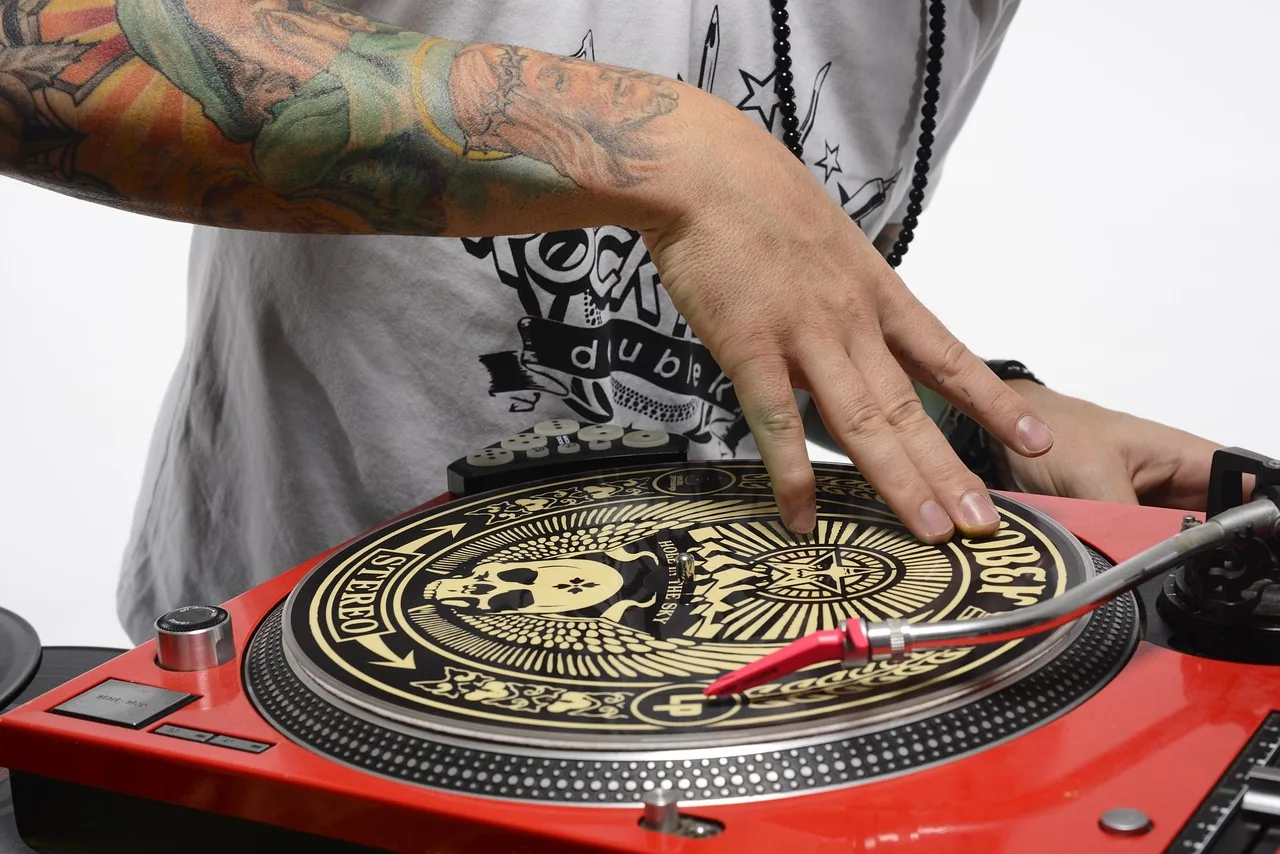
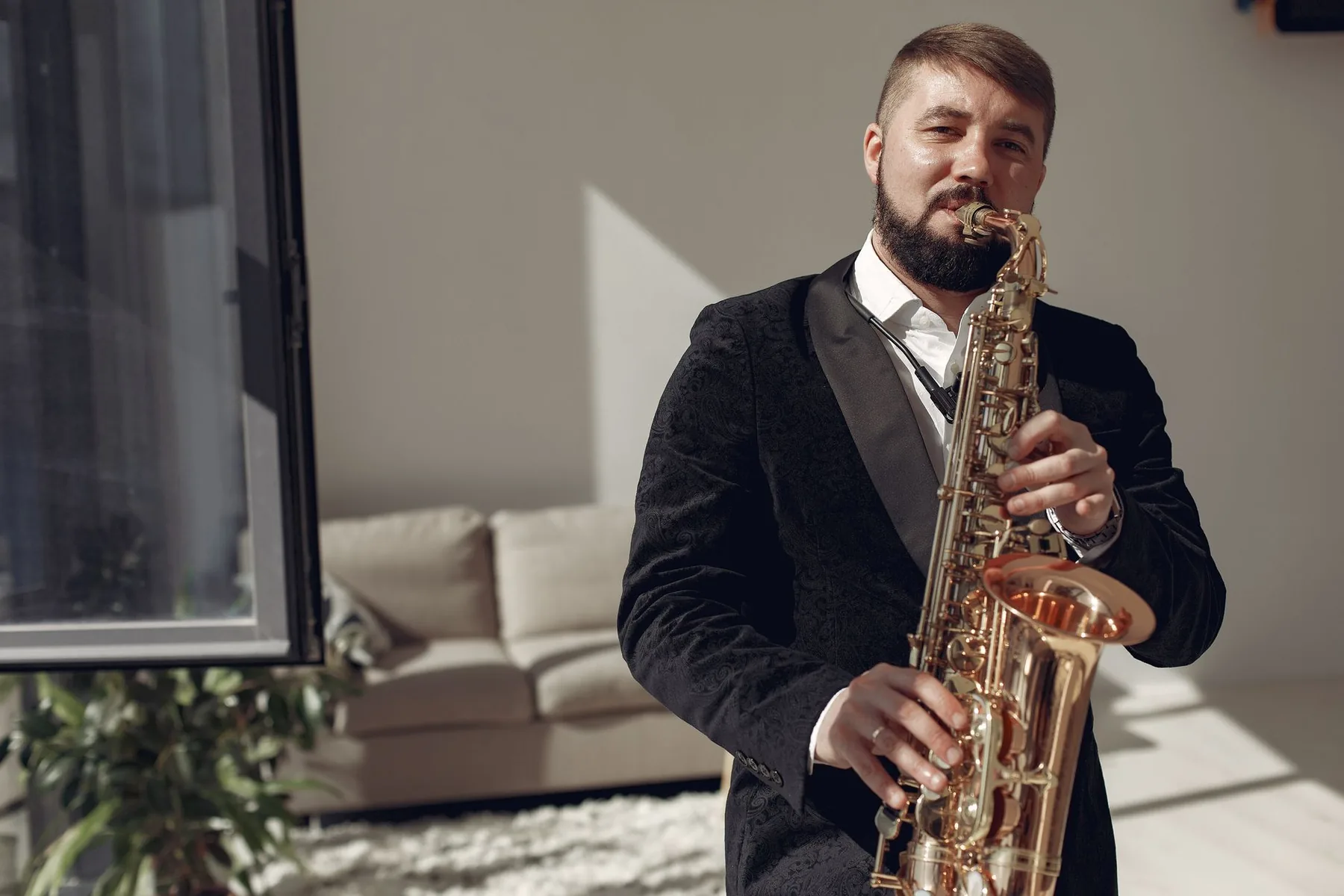
The sonic elements evolved: synthesizers, Fender Rhodes, double bass and horns joined the samples. Instrumentals drew on bebop, bossa nova, free jazz and funk to enrich sophisticated tracks.
Techniques and rhythms
“Dilla time” describes a deliberately nonmechanical placement of beats, programmed by hand on an MPC. This choice creates a swing akin to the feel of live musicians.
- Rhythms: sampled or played live (by The Roots, for example).
- Bass: sampled double bass (Buggin’ Out), a Jaco Pastorius sample (Butter), synthetic bass lines (Get Dis Money).
- Production: sampling declined in the 2000s, but J Dilla, Pete Rock and Madlib remained influential.
Conclusion: the style reached a maturity in which studio techniques, rhythmic virtuosity and lyrics played off one another, driven by artists and groups who inspired others.
Scenes and artists: the United States, France and Japan — one history, distinct identities
Local scenes shaped distinct sonic identities, from New York to Paris and Tokyo.
United States
Native Tongues, Gang Starr and the Soulquarians established important milestones. Albums such as The Low End Theory, Things Fall Apart and To Pimp a Butterfly show the breadth of these sounds.
- Key producers: Q-Tip, DJ Premier, J Dilla.
- Notable tracks renewed musical language and lyric writing.
France
MC Solaar, Hocus Pocus and Jazz Liberatorz brought rap closer to the jazz tradition. As a live band, Hocus Pocus made its mark in venues and at festivals.
Beatmakers on Bandcamp (L’Indécis, NicoBox) carry that energy to a broad audience.
Japan
Since the 1990s, Nujabes, Tsutchie and Cradle Orchestra have created cinematic sounds.
“Anime soundtracks carried a melodic aesthetic across borders.”
International collaborations (Hocus Pocus x Cradle Orchestra, Nujabes x Substantial) attest to a shared influence.
Hip-hop and jazz: a successful musical fusion in the age of streaming and globalization
Algorithms now introduce hybrid tracks to unexpected audiences. Streaming and playlists that mix genres expose listeners to styles they might otherwise never have discovered.
Podcasts such as The Low End Theory and digital labels help present this music more professionally. Online radio stations and curation channels — ChillHop, Lofi Girl, The Jazz Hop Café — give emerging artists regular outlets.
Playlists, algorithms and online radio: new formats, new audiences
Platforms mix genres and make jazz-rap groups more accessible. Algorithms promote mixes that combine pop, rap and improvised textures.
Labels such as Stones Throw, TDE and Soulection support varied aesthetics. Well-known producers (Pharrell, Diplo) show how working across different sound palettes can create hits with broad appeal.
- Quick discovery of tracks and albums through playlists.
- More professional curation by online radio stations.
- International collaborations and increased use of samples.
This momentum encourages exchanges between scenes and speeds the adoption of new aesthetics. Jazz rap finds a place in chill and study playlists as well as ambitious album projects.
Further reading: see the discussion of genre fusion, the academic study available on DUMAS, and the conversation between body and sound presented by Conseil Création Artistique.
Conclusion
This history illustrates a long dialogue between the legacy of jazz and the energy of rap.
From the 1980s to today, its path has passed through several stages: its birth in New York, the golden age of the 1990s, changes in the 2000s and a recent revival driven by albums and collectives.
Its signature sound — Fender Rhodes, double bass, horns, sampling and the rhythmic placement known as “Dilla time” — has crossed genres and scenes in the United States, France and Japan.
Producers and artists have kept this creative laboratory alive. Earlier albums inspire today’s creators and open new chapters in this story
, while a study of the style’s emergence at Montreux offers a documentary look at its arrival at the festival: the emergence of hip-hop at Montreux.