
Hip-hop dancing means stepping into a culture born in New York in the 1970s. Rhythm, breaks and beats guide steps such as the Two-Step, Running Man and Toprock.
This practical guide is for beginners. It offers a simple plan: choose suitable tracks, build a short but regular practice routine, and use playlists and dance sequences. You will also find practical markers (BPM and breaks) and tips for avoiding bad habits.
Practice with classes or tutorials, in a studio or online. Film your sessions to correct your movements and develop your musicality. To learn clear fundamentals through step-by-step exercises, see this complete guide.
Expected result: greater ease, a stronger groove and the technical foundations to move on to more complex choreography.
Understand the essence of hip-hop before you move
The foundation of the style lies less in the moves themselves than in your connection with the music. Hip-hop emerged in working-class New York neighborhoods, driven by DJ sets, rap and breaking. Its spirit rests on authenticity, respect and creativity.
The technical fundamentals are simple: the bounce, a rhythmic spring, and the groove, movement that follows the music. These elements turn gestures into expressive dance movements.
A good dancer listens actively: identifying kicks, snares and hi-hats helps shape every gesture. Listening to the musical rhythm lets you adjust your intensity and precision.
You can express this dance through freestyle, which develops personality and spontaneity, or through choreography, which calls for precision and synchronization. The two approaches complement each other and enrich your style.
Breathe, relax your posture and accept the initial discomfort. Watch a range of dancers to broaden your references. Humility and respect for the culture’s conventions matter as much as technique when you want to progress responsibly.
To explore the history and techniques further, see this resource.
From New York streets to studios in France: origins, spirit and culture
In the Bronx during the 1970s, block parties brought DJs, records and audiences together, turning streets into stages. These gatherings gave rise to an urban movement connected with rap, graffiti and breaking.
The 1970s, the Bronx and block parties: the birth of a dance that went global
DJs blended breaks and samples; dancers responded with improvised movements. The energy of neighborhood communities helped spread a style that became a whole cultural world.
Authenticity, respect and creativity: a dancer’s attitude
The spirit of hip-hop values authenticity, respect for others and creativity. Conflicts are often settled through movement and artistic competition, rather than violence.
Freestyle and choreography: two complementary paths
Freestyle develops personality. Choreography strengthens movement memory and rhythmic precision. Today, studios in France, battles and hip-hop classes pass on these foundations.
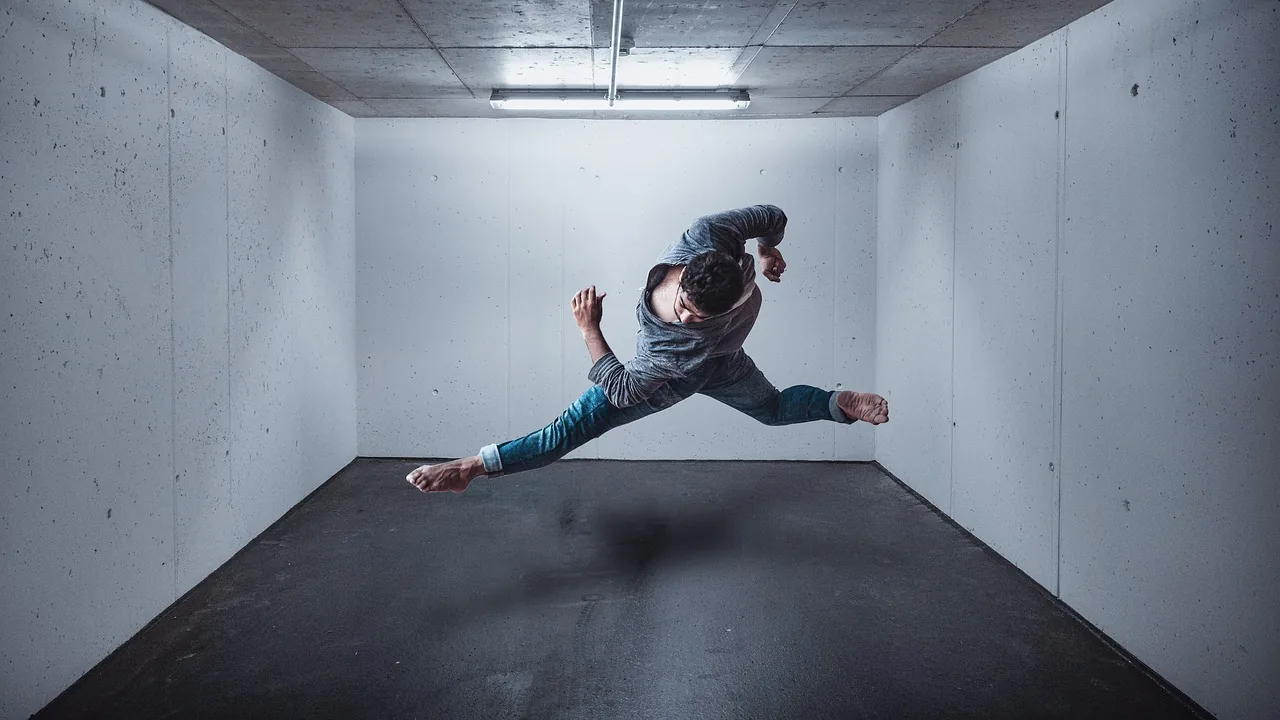
To improve, study archival footage and watch contemporary performances; understanding the history helps you adopt the culture’s conventions respectfully. Also read dance and music to broaden your perspective.
Hip-hop music for dance beginners: how to choose the right tracks
Choosing suitable tracks helps you establish your movements and make steady progress.
The right tempo: aim for moderately paced tracks (90 to 110 BPM) with clear breaks. They give you time to identify the strong beats and settle into the groove without rushing.
From old school to today
Choose boom-bap tracks or old-school DJ sets to work on timing. Alternate them with slower contemporary beats, such as mellow trap, to explore other sounds.
Playlists for different settings
At home: tracks with a clear, lively sound.
In the studio: tracks with deep bass so you can feel your weight shifts.
Outdoors: varied sounds that encourage attentive listening and adaptation.
Train your ear
- Count the beats (1-2-3-4).
- Identify the kicks and snares, then mark the beat with your body.
- Film yourself dancing to two or three short tracks and practice often.
Tip: combine online tutorials with a studio class to correct mistakes. To find suitable tracks, consult a list of top songs.
Basic moves to get started with confidence
Start by mastering a few simple steps that will build your confidence on the dance floor.
Two-Step: the essential foundation
The Two-Step is a classic foot movement: alternate your steps, shift your weight and add a gentle sway through your upper body. You can establish a solid foundation in 30 minutes to an hour.
Learn it in a studio, with short videos on Instagram, TikTok or YouTube, or at home with friends. Practice the weight shifts slowly, then follow the rhythm.

Bounce, Toprock and flow
Bounce: keep your knees soft and your hips and shoulders relaxed. This springy movement creates the groove.
Toprock and the Running Man are familiar standing moves associated with breaking. They expand your range without taking you to the floor.
Wave and body roll
Coordinate your arms, torso and hips to move more fluidly. Link waves and torso rolls to connect movement with rhythm.
| Movement | Learning time | Technical focus |
|---|---|---|
| Two-Step | 30 min to 1 hr | Foot placement, weight shifts, sway |
| Bounce | 15 to 30 min | Soft knees, absorbing the rhythm |
| Toprock / Running Man | 30 to 60 min | Standing coordination, foot placement |
| Wave / Body roll | 30 to 45 min | Flow through the arms, torso and hips |
Tip: create a short sequence using these basic moves to connect technique with musicality. Work on your posture: keep your gaze up, your core engaged and your feet responsive.
For a structured learning path, follow five steps for beginners.
Build your practice: classes, tutorials and a training routine
A balance of guided classes and independent practice can speed up learning. Whether in person or online, a teacher corrects mistakes, adjusts posture and teaches sound techniques.
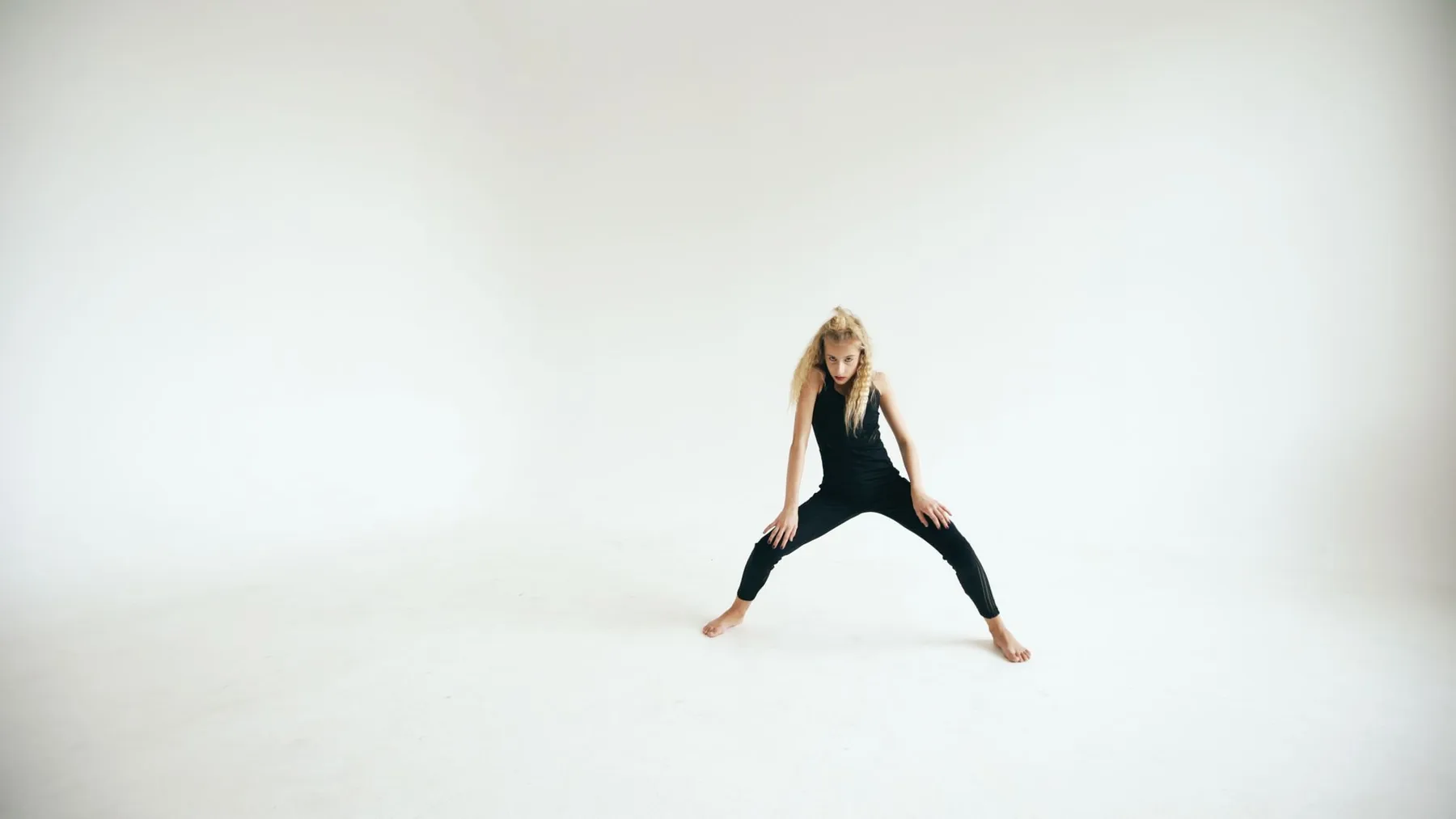
The teacher’s role and the benefits of classes
Immediate feedback: posture corrections and focused advice.
Faster progress: a teaching plan and the motivation of learning with others.
“A teacher’s feedback helps prevent bad habits.”
A simple routine for beginners
Plan short, regular sessions: 10 to 15 minutes a day is enough to establish movement patterns.
- Warm up your joints (ankles, knees and hips).
- Review basic steps (Two-Step, bounce and Toprock).
- Practice a 30- to 60-second sequence that links the techniques.
| Weekly goal | Duration | Progress measure |
|---|---|---|
| 1 new movement | 30 to 60 min | Video review |
| 1 sequence | 45 to 90 min | Flow and timing |
| Self-correction | 10 to 15 min/day | Review from several angles |
Alternate online and studio sessions for scheduling flexibility and human connection. Film yourself, count the beats and match your movements to the accents in your chosen track. For an introduction to floor techniques, follow this beginner’s guide to breaking.
Physical preparation and safety: progress without injury
Physical preparation turns effort into controlled, confident movement. Before each session, gradually warm up your ankles, knees, hips, shoulders and back. Use rotations and slow movements to wake up your body.
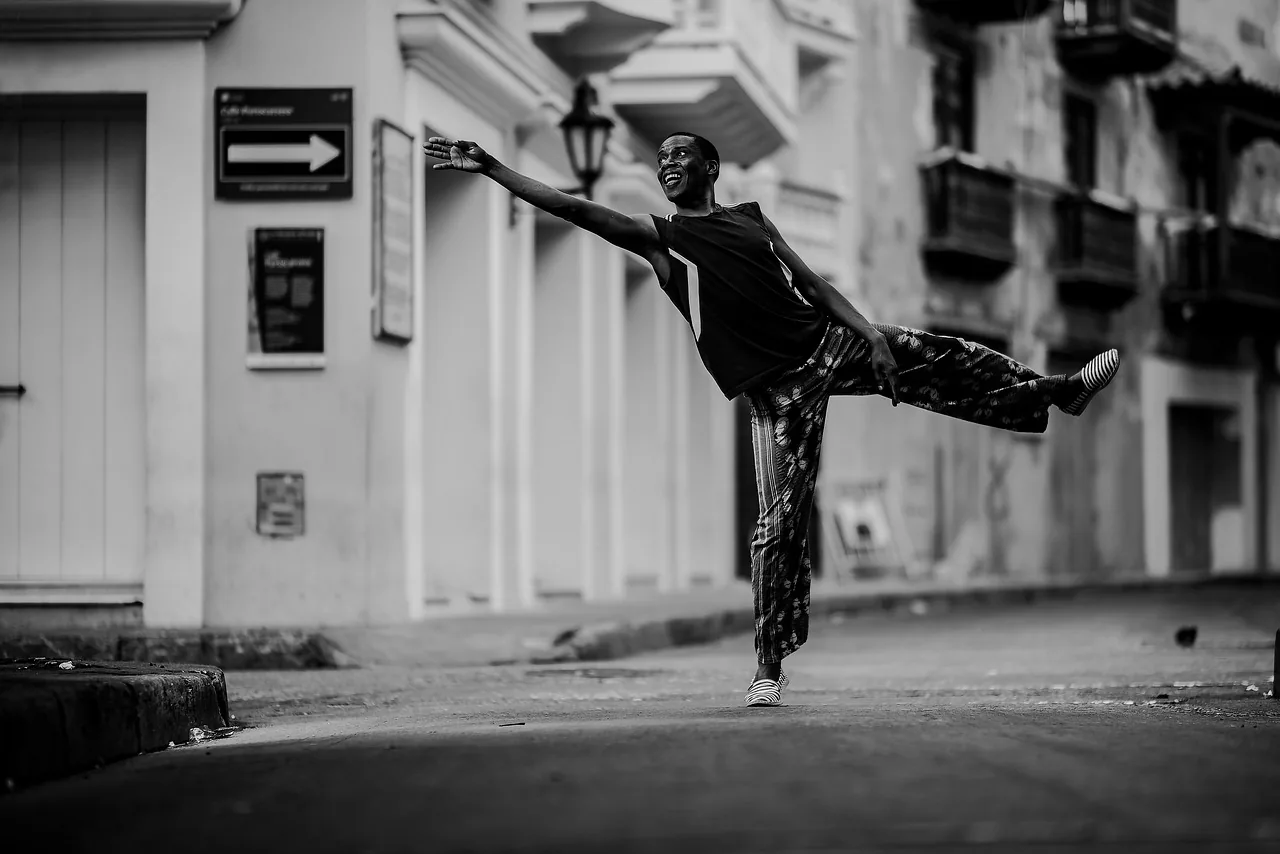
Essential warm-up
Start with ankle and hip rotations, then mobilize your knees and shoulders. Add gentle back bends and balance exercises on your feet.
Agility and functional strength
Improve coordination between your feet and arms with light jumps, torso rotations and dynamic stretches.
Squats strengthen your legs and stance; push-ups and core exercises strengthen your upper body and arms. A stable core protects your spine and improves movement precision.
Endurance and recovery
Add cardio, such as jumping rope or running, to sustain a session standing up or on the floor. After exercising, breathe slowly, move gently and do light stretches to aid recovery.
Practical advice: listen to your body, adjust your range of motion and favor regular, moderate practice over intense, occasional efforts. To find suitable classes, consult specialist dance schools.
Conclusion
, this conclusion recaps the key steps for turning listening into movement.
This article covers the essentials: hip-hop’s origins in 1970s New York, its collective spirit and the connection between music and the body. To progress, master the basics: Two-Step, bounce, Toprock, Running Man, wave and body roll.
Repeat these movements several times, film one practice video each week and create a short sequence every two weeks. Practice for 10 minutes a day at home, in a studio or outdoors, using online tutorials and an occasional hip-hop class.
Attitude: respect, creativity and personal style. Work on your stance (feet and hips) and the position of your shoulders and upper body to establish a confident presence on the dance floor.