
Step into a world where the street becomes a studio. This neighborhood music has roots in Mexico, Colombia, Peru, Argentina, Chile, Venezuela and Costa Rica, and also extends to Spain.
Every project tells the story of a city, a neighborhood and a distinct way of approaching street life. The Spanish-speaking scene shares an affinity with boom bap and cultivates refined sounds that defy stereotypes.
We offer a practical introduction: ten essential tracks for exploring this world. You will discover groups, collectives and rappers, along with the role of reggaeton and the ties these scenes now have with French audiences.
Why Latin hip hop appeals to France today
In recent years, France has embraced rhythms from Latin America. Melodic choruses meet street energy.
Reggaeton, born in Panama and popularized by The Noise in Puerto Rico, took hold in the 2000s with Daddy Yankee and Tego Calderón. In France, artists such as Jul, Aya Nakamura and PNL have helped bridge the scenes.
Why has it caught on? Linguistic connections, powerful choruses and producers who connect the scenes (King Doudou, Lazuli) have helped it gain an audience. Listeners explore it, then embrace it.
- A period of curiosity leads to widespread adoption over a few years.
- Latin American music enriches the soundscape and its influences.
- Onstage, dance, singing and performances attract a varied audience.
| Period | Artists and influences in France | Impact |
|---|---|---|
| 2000s | Puerto Rican influences | Global popularity |
| Recent years | Jul, Booba x Farruko, Soolking | Arrival in clubs and playlists |
| Today | Producers and collaborations | A more hybrid and ambitious scene |
This openness is lasting: transatlantic collaborations and online word of mouth sustain the movement.
Latin hip hop: when rap speaks Spanish — 10 essential tracks to get started
A ten-track guide through cities and neighborhoods. Each track offers a different angle: introspection, street punchlines or jazzy production. The selection helps you identify studios, collectives and names to follow.
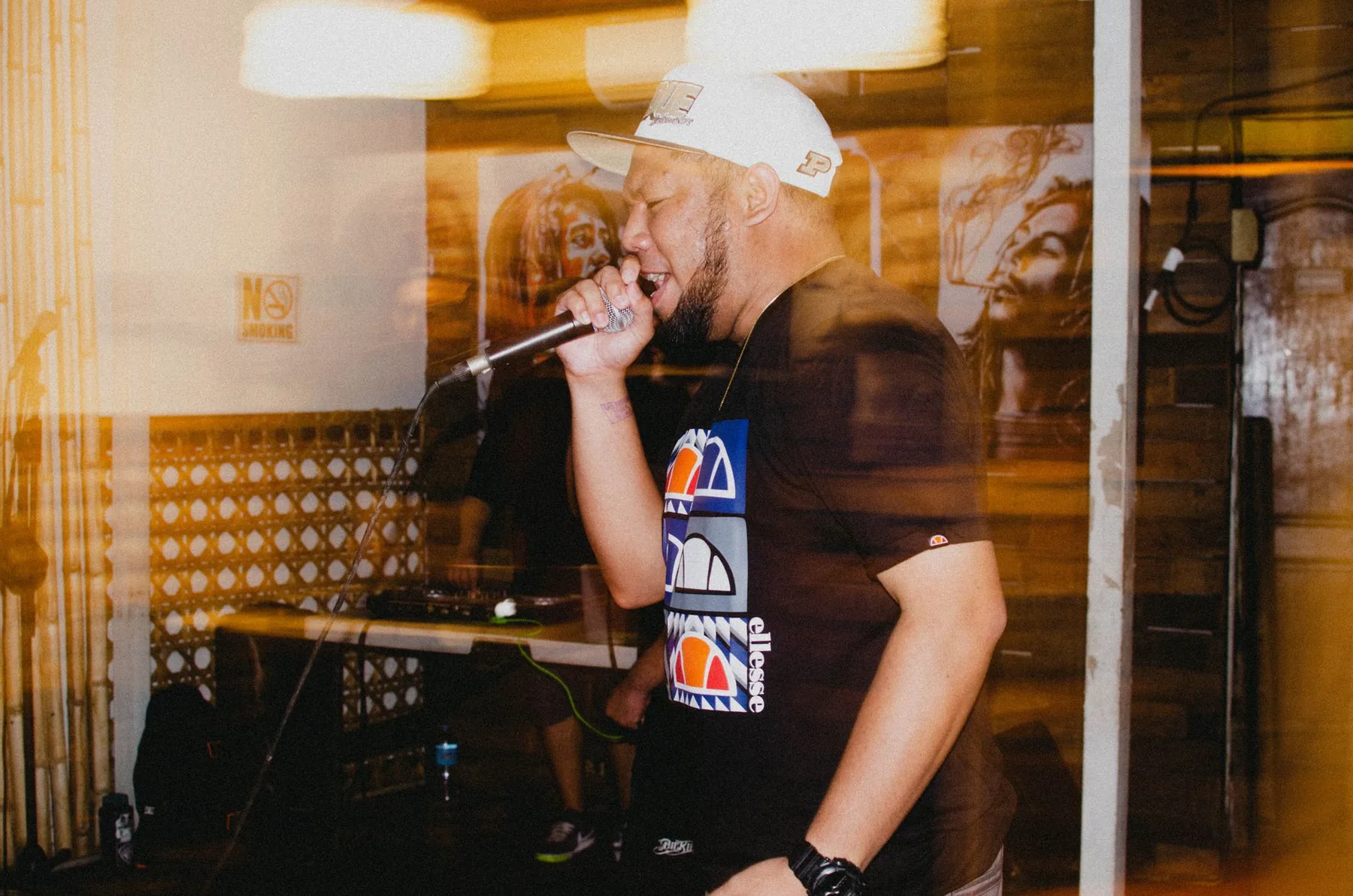
Mexico — Seyer Black Art Gang, “Hombre Fatal”
Introspective and vulnerable, this track avoids Chicano stereotypes. A striking line:
“I don’t feel entirely well”
It has more than a million views and similarities to Solo Cadaver.
Costa Rica — Hattory Hardcore, “Guerra/Paz”
Raw neighborhood rap with an anti-establishment edge. Cutting lines and rough sounds.
Venezuela — Rial Guawanko, “Salvaje”
Cosmic boom bap and lyrics rich in references, drawn from the album Otro dias mas. Careful production and writing.
- Argentina — La Mecca: measured flow, somber samples and a collective (Ba$$ura, ill’One…)
- Chile — Awka Funke: “NTN,” jazzy production, warmth and emotion.
- Peru — Yanto Rules & iLL’ J: “Feel My Funk,” a funky starting point.
- Spain — Emere: “14 Distrito,” digging through vinyl and isolation during the pandemic.
- Colombia — O.M. Trash & Sike Damodar: scratching and street confidence.
- Chile × Argentina — 22Ruzz ft. Skan & Redmist: a cross-border collaboration.
- Argentina — FDIKASS & Velocista Wave: an underground scene for discerning listeners.
Listening tip: start with one track, then pay attention to the flow and production choices. These songs make a good introduction; as you listen further, the variety of approaches may surprise you. For a more academic perspective, consult these references and background.
From dembow to the French charts: how reggaeton opens the door to Spanish-language rap
In San Juan, a club turns street concerns into beats that travel far beyond the island. The Noise, founded by DJ Negro in La Perla, became a testing ground for underground tracks and a distinct barrio sound.
The Noise in Puerto Rico: the birth of a genre and dembow’s central role
DJ Playero records at home and gives young artists a platform. Dembow—a 3-3-2 rhythm at around 90 BPM with a skank beat—becomes the movement’s backbone. Perreo brings the dance floor to a wider audience and makes the dance part of social life.
From Daddy Yankee to the “Gasolina” era: a global rise
After an accident ends his sporting career, Daddy Yankee finds his path through these scenes. “Gasolina” marks a turning point: it brings street sounds into mainstream music.
Connections with Europe and France, and the producers who bridge the scenes
In Europe, Spain helps these sounds take hold. In France, collaborations (Morad x Jul, Booba x Farruko, Soolking x Ozuna, PNL, Aya, TripleGo) popularize their choruses and flows.
King Doudou and Lazuli bridge the scenes: in the studio, they blend reggaeton, moombahton and baile funk to create new sounds. These collaborations keep influences circulating.
Scenes, female artists and collectives reshaping the genre
Across urban music scenes, women’s and LGBTQIA+ collectives are rewriting the movement’s rules.
Perreo seguro means a safe space for dancing. Championed by the Motivando la Gyal collective, it makes parties more inclusive.
The concept protects the audience and normalizes the presence of minority groups. It changes club programming and the experience of attending a concert.
Female voices and essential tracks
Artists such as Ms Nina, Bad Gyal, Tomasa del Real, Tokischa and DJ Lizz embody provocative, outspoken neoperreo.
Each offers a defining song or track to guide your listening: open expressions of sexuality, Y2K aesthetics and electronic sounds.
Competition and a higher standard
On the Spanish-speaking scene, women rappers raise the standard. They compete on technique and create hybrid formats.
This momentum encourages mixed-gender collaborations and draws the attention of French festivals, playlists and media.
“A movement led by women brings stories and representation into better balance.”
- Impact: collectives help artists build professional careers.
- Legacy: from figures such as Ivy Queen to the next generation of neoperreo.
- Listening: start with a Bad Gyal or Tomasa del Real track to get a feel for the movement.
Spain in the spotlight: rappers, albums and collaborations to explore
Today’s Spanish scene features artists who blend tradition with international influences. Here, Spanish rap finds a voice both on the street and in the studio.
Delaossa & Space Hammurabi: from El Palo to the studio, a creative world and a collective
Delaossa, a rapper from El Palo, builds a creative world shaped by his neighborhood. He founds Space Hammurabi with Easy‑S, Saske, Raggio, J.Moods and Kas Rules.
The collective works like a living studio: exchanges, sessions and shared tracks give the project coherence.
El Perro Andaluz, La Placita: tracks and tours in Latin America
The album El Perro Andaluz stands out for its storytelling tracks and clear flow. The single “La Placita” surprised listeners with its melody and led to a tour in Argentina and Colombia.
Those concerts show the audience’s enthusiasm and open the way to collaborations with Akapellah and Santa Fe Klan.
Emere in Valencia: the Amegakure EP, jazzy boom bap and New York influences
Emere releases the Amegakure EP, built on samples unearthed from vinyl and influences from MDE Click/Ziontifik. His jazzy boom bap style is precise, and his name circulates among devoted listeners.
After years of work, these projects confirm Spain’s role as a bridge between France, reggaeton and Latin American scenes, while retaining its ties to flamenco and the street.
Core sounds: boom bap, reggaeton and flamenco in one world of street music
Street music’s textures come through in a jazzy sample as much as in a flamenco guitar. This spirit is carried by careful production and lyrics rooted in the neighborhood.
Refined boom bap and romantic trap: one genre, many approaches
Artists such as Emere, Rial Guawanko and La Mecca cultivate a measured boom bap sound, rich in samples and chords. Others take a more melodic, romantic approach closer to trap to move listeners.
Flamenco and rap: debates, fusions and influences from Delaossa to Rosalía
The crossover with flamenco sparks debates about “purity.” Delaossa champions fusion as a source of innovation.
“When genres meet, they bring more than they take away.”
To understand this exchange, Delaossa’s profile provides context.
Flow, jerga and neighborhood: what defines these tracks and projects
These tracks’ identity lies in each artist’s flow, local jerga and street stories. Reggaeton often appears as a rhythmic texture or a contrast, broadening the musical palette.
Ultimately, every artist shapes their own sound and writing style. Fusion gives that identity more depth and appeals to French listeners looking for something new.
Where to start exploring the genre from France
For listeners in France who want to begin, a few playlists and albums offer an immediate introduction. These selections combine classics and recent discoveries to give a sense of the scene.
LATAM playlist: from literary rap to street poetry
Start with a compilation that moves from Canserbero and Lil Supa to Rial Guawanko. These names represent the more conscious, literary side of rap.
Neoperreo and electronic sounds
For the dance floor, listen to Rauw Alejandro (the Saturno project), Ms Nina, Tomasa del Real and Bad Gyal. These artists embody the fusion of electronic music and reggaeton, as well as the genre’s modern sound.
Modern Spanish scene
Listen to C. Tangana (the album El Madrileño), Cruz Cafuné, Easy‑S and Saske to explore the mix of flamenco and reggaeton and the range of flows. These artists are useful starting points.
France × LATAM connections
Collaborations offer reference points: Booba x Farruko (“G‑Love”), Soolking x Ozuna (“Aqui”), TripleGo (“Medellín,” “Petit nez”). They make the genre’s conventions easier to discover.
Practical tip: alternate between projects (albums and EPs) and singles, then compare studio versions with live performances to hear the audience’s energy.
| Genre | Key artists | Recommended starting point |
|---|---|---|
| Conscious and literary | Canserbero, Lil Supa, Rial Guawanko | Listen to a full album |
| Neoperreo and club music | Rauw Alejandro, Ms Nina, Tomasa del Real, Bad Gyal | Singles and recorded live mixes |
| Modern Spain | C. Tangana, Cruz Cafuné, Easy‑S, Saske | El Madrileño, EPs |
| French connections | Booba x Farruko, Soolking x Ozuna, TripleGo | Collaborations and France x LATAM playlists |
“Following new releases and collaborations remains the best way to stay up to date.”
Trends and the near future of Latin hip hop
A steady flow of releases comes with a lively concert scene and the rise of new music hubs.
From studio to stage: devoted audiences, tours and Medellín’s rise
Medellín is becoming a global hub. J Balvin, Karol G and Maluma draw fans determined to attend a concert.
Queues turn into parties, fans dance perreo spontaneously, and some take on debt: the concert economy is growing more intense.
Transatlantic collaborations and guest appearances
Collaborations are multiplying, producing hybrid projects that bring reggaeton and rap together.
Bad Bunny collaborates with American artists; Booba has recorded a track with Farruko. This momentum encourages albums that mix several genres.
“Lasting catalogs are being built now, in the studio and onstage.”
| Trend | Impact | Example |
|---|---|---|
| Medellín’s rise | International hub and music tourism | J Balvin, Karol G |
| Concerts take center stage | Revenue and visibility | Tours in Argentina and Colombia |
| Transatlantic collaborations | Hybrid albums | Bad Bunny x American artists, Booba x Farruko |
In short, this is a promising period for the scene. Ties between France and Latin America, festivals and shared projects will bring more exchanges.
To explore further, read about Latin music’s place in the wider market.
Conclusion
From studio to concert stage, this music weaves neighborhood stories and lasting cultural connections.
This short guide introduces a varied world in which sincerity and creativity guide every track. The music begins on the street, takes shape in the studio and travels through collaborations.
The ten selected tracks remain a starting point for discovering and following artists such as Delaossa, Emere and members of the collectives mentioned. One song is often enough to hear a distinct way of writing.
Spain serves as a bridge to Latin America, and well-handled fusions—even with flamenco—strengthen the music’s identity.
Follow playlists, recent releases, artist accounts and specialist media. They can help you find upcoming concerts and tours.
Ultimately, the variety of projects and artists is what matters. The best may still be ahead: new audiences, new stories and new scenes.