
This introduction helps parents choose a suitable program for their child. It explains when children can start, how long classes last, what they should wear, and which safety rules to follow. You will also find guidance on progress throughout the year, the end-of-year show, and typical fees.
Urban dance is accessible from the introductory stage, with one-hour classes for children aged 3–5 and 90-minute classes for those aged 6–10. A free trial class lets your child try the activity before you enroll for the year.
Key benefits: better coordination, balance, flexibility, confidence, and creativity. Group work encourages social interaction and the enjoyment of discovering music and culture.
To make enrollment easier, check availability and the options for online registration. Comfortable clothes and sneakers reserved for indoor use help keep children comfortable and safe. Regular practice helps them improve.
Why choose hip-hop dance for your child today?
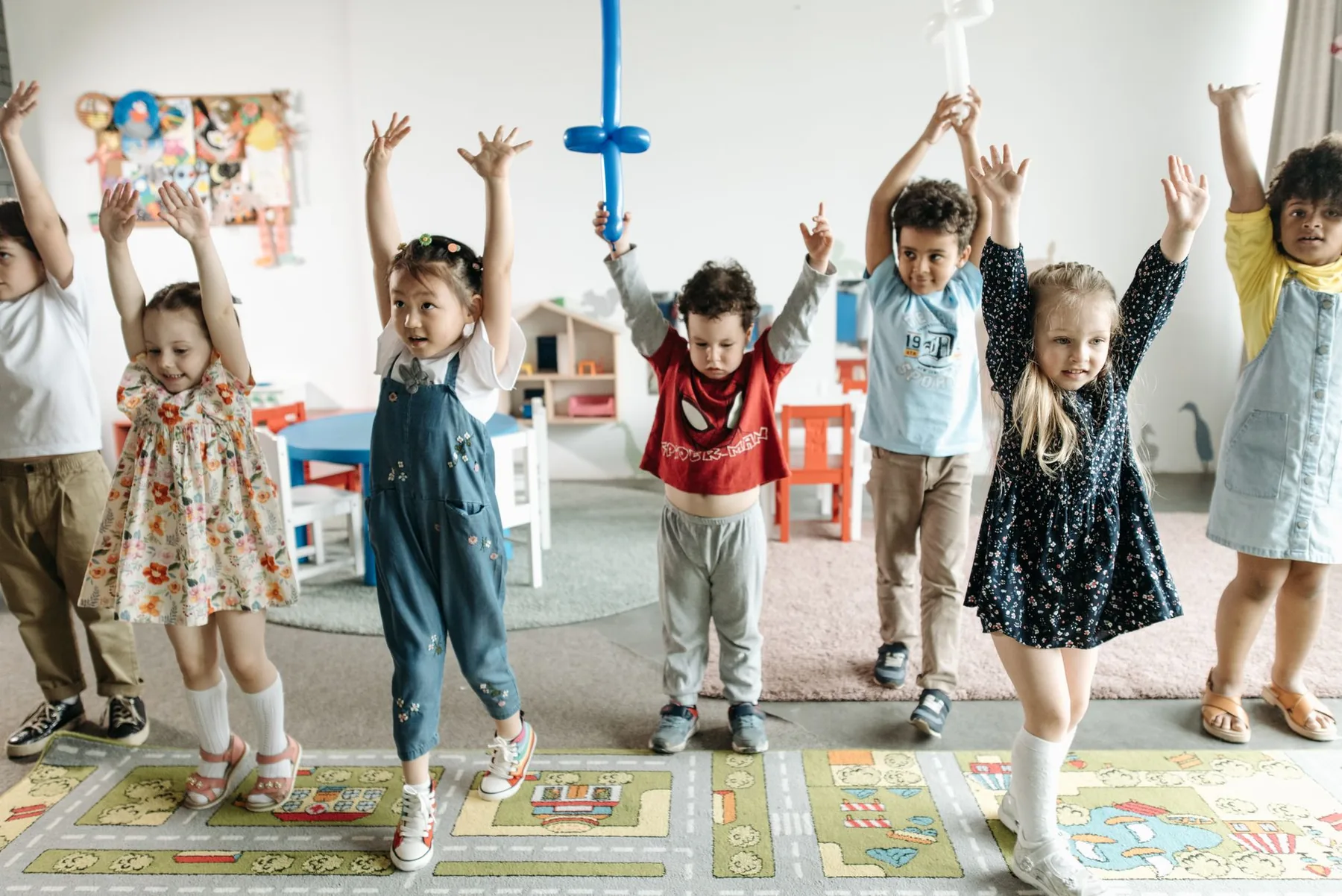
Urban dance offers young children a rich, age-appropriate way to express themselves. Peace, love, unity and having fun sums up the spirit of a culture that brings together music, style, and language. This positive setting encourages togetherness and enjoyment.
Culture, music, and expression
This culture is a world of its own, where music and clothing support personal expression. Classes leave room for improvisation, stimulating children’s creativity and musicality.
When can children start, and who are classes for?
Children can often start at age 3 with introductory movement classes, or at 5–6 with more structured workshops. Classes welcome both beginners and children with some experience; teachers adapt the goals to each child’s personality and ability.
Practical benefits
Coordination, rhythm, and balance develop through set movements and improvisation games. Regular practice gives children an outlet for their energy, improves posture, and builds confidence.
To try the activity before committing, consider signing up for a trial using this practical guide.
Hip-hop classes for children: what to know before choosing
To find a suitable activity, start by checking the length and frequency of classes for your child’s age.
Class length by age and ability
Introductory classes for children aged 3–5 generally last an hour. They focus on play, rhythm, and discovery.
For children aged 6–10, classes often last 90 minutes. This allows more time to explore technique, choreography, and movement.
Beginners and experienced dancers: suitable levels
Providers group children by experience. Beginners benefit from playful exercises and simple goals.
More advanced groups spend more time on coordination, sequences, and styles.
Where to enroll and how that affects the price
There are several options: community centers and local associations offer relatively affordable classes. Private schools often provide specialist instruction.
As a guide, in Paris, expect to pay around €475 per year for one hour a week and €495 for 90 minutes. Always check local terms and prices.
Free trial class
A free trial class is often offered in September. It is a chance to observe the teaching approach and see how your child responds to the music and the group.
| Age group | Duration | Suitable for | Typical annual fee |
|---|---|---|---|
| Ages 3–5 | 1 hour | Beginners, introductory movement | Community association fee or reduced rate |
| Ages 6–10 | 90 minutes | Beginners and children with experience | Around €475 for 1 hour or €495 for 90 minutes in Paris |
| Teenagers | 90 minutes to 2 hours | More advanced instruction | Private schools: higher fees than community associations |
Clothing, safety, and good studio habits
Before entering the studio, a few simple rules help keep young dancers comfortable and safe.
Suitable clothing and shoes
Choose a T-shirt, flexible bottoms such as sweatpants, and sneakers reserved for indoor use. These clothes allow free movement and improve stability.
Clean sneakers provide good grip and better hygiene while protecting the studio floor.
Warm-up and physical preparation
A gradual warm-up gets the cardiovascular system working, increases joint mobility, and raises body temperature.
It prepares the muscles for activity and reduces the risk of injury before each class.
Protecting the floor and general safety
Make sure shoe soles are clean and do not leave marks. Avoid objects and jewelry that could damage the surface.
Keep a drink close by, tell the teacher about any discomfort, and take part in the cool-down at the end of class.
- Tie back long hair and remove long drawstrings.
- Adapt movements to the child’s age and ability to protect their growing body.
- After exercise: gentle stretching, water, and a snack if needed.
To learn about local options and how to enroll, explore our dance classes.
What children learn throughout the year
Children build their skills step by step, from rhythm to group choreography.
Technical foundations: week by week, children work on rhythm, coordination, posture, and awareness of space. These elements form the foundations of movement and help structure their learning.
Classes alternate focused exercises with practical activities to strengthen musical listening and movement memory.
Styles and movements: children discover hip-hop and elements of breakdancing, popping, and krump.
Touches of jazz are sometimes added to broaden their range of movement.
Improvisation and creativity: unstructured moments encourage musicality and confidence. Improvisation develops personal expression alongside technical sequences.
Choreography and performance: groups create routines while working on memorization, transitions, positioning, and synchronization between dancers.
- Supervised mini-battles: challenging themselves while respecting others.
- Gradual rehearsals: simple costumes and age-appropriate staging.
- End-of-year show: an enjoyable occasion for parents and friends.
Over the year, each dancer develops a sense of rhythm, stamina, and body awareness. To explore more local options, read a practical guide to our regional classes and a reflection on the relationship between music and movement in the conversation of movement.
Enrollment and how the year works
Planning enrollment from late summer increases your chances of getting the time slot you want. Places in popular classes fill quickly, especially in September.
When and how to enroll online
On the school’s website, choose your child’s age group and ability level, then select a time slot. Complete the registration and payment details to reserve a place.
Weekly schedule and progress
Each week, the class follows a structure: warm-up, technique, choreography, and improvisation. A brief review at the end helps your child recognize their progress.
Over the year, children strengthen the basics before moving on to harder exercises. Preparing a group routine gives them a motivating goal.
Communication with parents and group life
Communication by email or app keeps parents informed about rehearsals and open days. Occasional meetings provide a chance to adjust levels and goals.
“The September trial class remains the most useful way to check whether the teaching approach and group suit your child.”
Regular practice encourages friendships and builds confidence. Plan practical details such as travel, clothing, and a snack so each class can begin calmly.
Conclusion
Regular practice turns simple steps into familiar movements. It builds a young dancer’s confidence and gives structure to learning through rhythm and music.
Choosing dance encourages both physical and mental development: coordination, balance, and creativity grow day by day.
Classes combine urban styles, touches of jazz, and cultural discoveries such as salsa. Group choreography and the end-of-year show highlight the dancers’ progress.
Take the next step: make use of a free trial and check available class times online through getting started with dance. Support your child through this rewarding and enjoyable experience.