
This practical guide explains, step by step, how to turn an idea into a show. It is intended for project organizers in France who want to stage an event rooted in hip-hop culture and designed for an audience.
Set the framework from the outset: define the artistic goal and the show’s approach so that creative work and organization align. Anticipate legal requirements (a nonprofit association under France’s 1901 law, municipal declarations, SACEM music rights) to avoid pitfalls.
Success depends as much on ticketing, promotion and logistics as it does on the performance. Booking a battle DJ and planning the sound and lighting setup improves the experience for dancers and audiences.
Use online ticketing, such as Weezevent, to anticipate attendance and collect useful information for future editions of the event. Regular promotion increases visibility and lays the groundwork for the project’s long-term success.
Understand hip-hop culture and define the artistic vision
The artistic vision provides the direction needed to bring choreography, music and visual design together. Before planning begins, gather the creative team to build the show’s story together.
Organize a multidisciplinary workshop with choreographers, VJs, graffiti artists and sound engineers. These workshops encourage the exchange of ideas and reduce technical misunderstandings.
Tools and deliverables
- Mood boards, reference playlists and 3D mockups to visualize the scenes.
- Define deliverables for each discipline (dance, sound, video, set design) to clarify expectations.
- Keep references and versions in one collaborative tool to make preparation easier.
Analyze recordings and follow current trends and artists to stay in touch with the scene. Identify key moments (openings, solos, battles, finales) and plan short creative tests before confirming your choices.
To learn more about its roots and conventions, read about hip-hop culture.
Structure the organization and legal framework in France
First, give the project a clear legal structure to support the administrative steps and funding.
Creating a nonprofit association under France’s 1901 law gives it legal standing to declare events to the local authority, make the required declaration to SACEM and invoice participants. This structure is intended for a nonprofit purpose: it may generate a surplus, but that surplus cannot be distributed to its officers.
Define key roles (president, treasurer, secretary) and appoint a production coordinator responsible for day-to-day management and logistics. Prepare contracts and invoices for the DJ, MC, judges and technicians in accordance with employment and tax rules.
Practical checklist
- SACEM declarations and music licences.
- Public liability insurance and stage safety.
- Local permits covering use of the space, operating hours and capacity.
- Safety log and call sheets.
- Document management: quotes, purchase orders and shared files.
| Action | Person responsible | Deadline |
|---|---|---|
| Establish the association | President | 90 days before |
| Submit the SACEM declaration | Treasurer | 60 days before |
| Prepare participant contracts | Coordinator | 45 days before |
| Arrange insurance and safety | Coordinator | 30 days before |
Set rules for internal communication and approvals to avoid delays and extra costs. Draw up a timetable for legal steps before committing the budget.
For more on the connection between association structures and artistic practice, consult the federation and a discussion of the relationship between music and the body.
Realistic planning and budgeting for a hip-hop event
A flexible schedule working backward from the event helps the team stay on track without restricting the creative process. Plan in two-week cycles and set clear milestones: initial readings, stage rehearsals, a technical run-through and a full dress rehearsal with an audience.
Allow a specific amount of time for each phase: four weeks for preproduction, six weeks for creation, three weeks of stage rehearsals and one week for the dress rehearsal. Coordinate these stages with venue bookings and team availability.
Budget decisions and technical choices
Prepare a detailed budget by category: artists, technical production, promotion and logistics. Include a contingency of at least 10%.
- Prioritize technical choices according to their artistic impact and the number of people involved.
- Compare rates and request detailed quotes to make informed decisions.
- Use a Kanban board to track work and quickly reassign resources.
| Category | Share of budget (%) | Notes |
|---|---|---|
| Artists | 40 | Fees and rehearsals |
| Technical production | 30 | Sound, lighting, video |
| Promotion | 15 | Posters, social media, local press |
| Logistics and safety | 5 | Front of house, stage management, security |
| Contingencies | 10 | Safety margin |
Document risks (equipment failures, absences, delays) and prepare backup plans to keep the project running.
Recruit dancers, judges, an MC and a DJ for a memorable show
The talent you recruit determines the event’s pace and impact.
Start by defining clear casting criteria. Specify the style, skill level and assessment criteria. Issue open calls and offer video auditions to select the strongest participants.
The MC guides the show: they set the pace, hold the audience’s attention and energize the artists. Choose someone skilled at engaging the audience and managing transitions between rounds.
Find an MC and book a battle DJ
Book a DJ who specializes in battles, knows how to work with breaks and can read the room. Their musical choices shape every round and keep the competition flowing.
Select suitable judges
Assemble a panel of three to five respected people (choreographers, past winners and teachers) and put the judging rules in writing.
- Use your networks—managers, labels, schools and the Juste Debout website—to reach qualified participants.
- Write role descriptions and call sheets to reduce surprises.
- Prepare briefings on round formats, track lengths and image rights.
Tools, online ticketing and event logistics
Well-chosen online ticketing makes sales, entry checks and data collection easier. Choose a reliable solution that manages capacity, prices and the sales launch date.
Track ticket sales in real time to adjust promotion, security and the catering budget. Analyzing audience data (segments and where attendees come from) helps refine your messages and media plan.
Tools and day-to-day operations
Keep conversations in Notion or Slack and create a detailed run of show. This coordination tool keeps artists, technicians and front-of-house staff in sync and reduces mistakes on event day.
- Sales: online ticketing and an on-site box office with offline entry checks.
- Safety: a warm-up procedure, stage briefing and public liability insurance.
- Revenue: merchandise, concessions and sponsors to diversify income.
Set out an operations calendar (deadlines, deliveries, insurance) and share essential information (access, schedules, contacts) with every team to save time.
To start selling quickly, explore an online ticketing solution suited to events and audience tracking.
Promotion, social media and local outreach
Short videos and coordinated local outreach build visibility. Use a strategy across several channels that combines teasers, Reels and rehearsal stories to build anticipation.
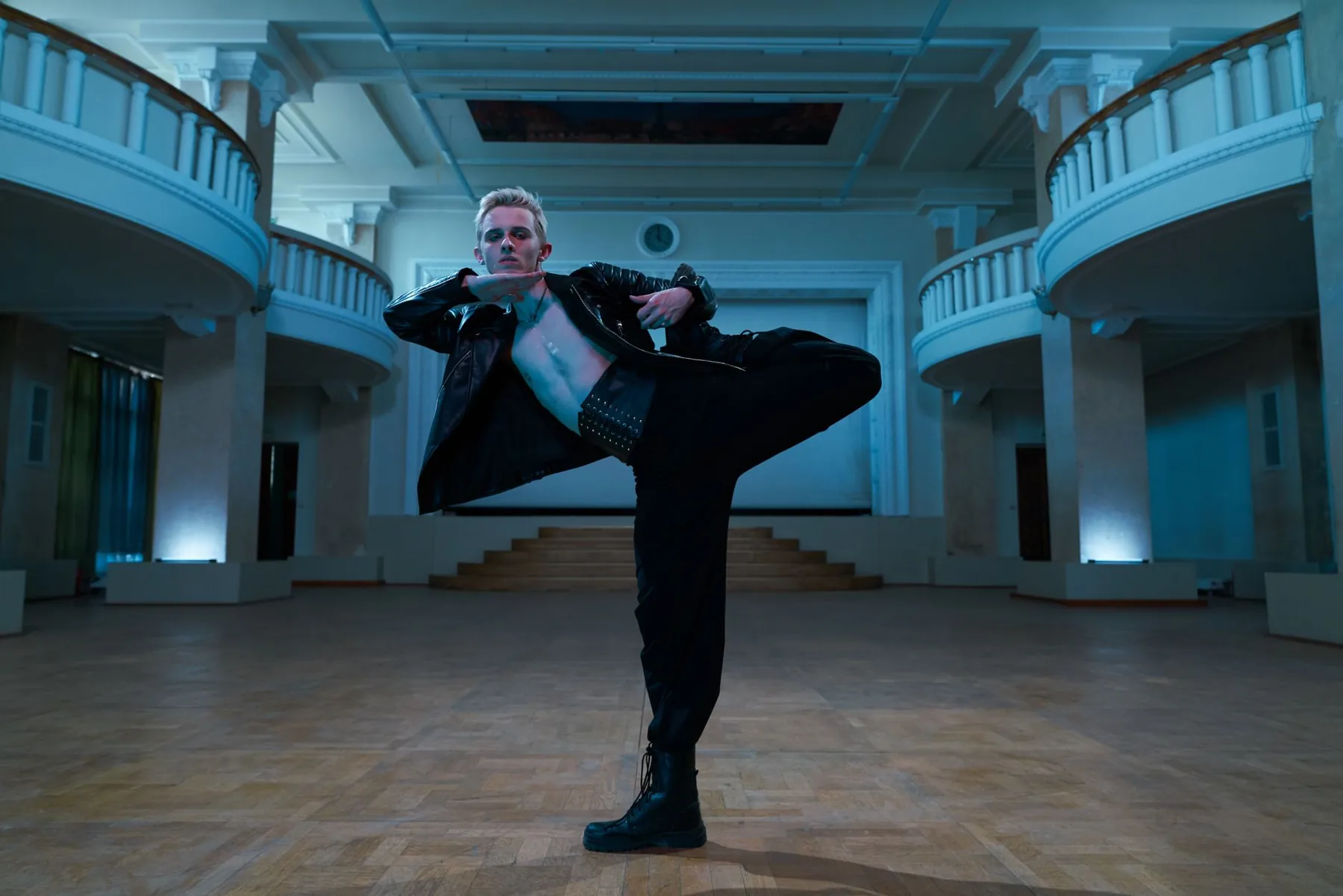
Give artists a media kit (photos, clips and captions) so they can promote the event online. Posting consistently increases organic reach and audience trust.
Combine print and digital materials: local posters, flyers and scheduled posts. Reach out to radio stations and the local press, and organize small workshops in working-class neighborhoods to engage the nearby community.
Use online tools to schedule events and reminders. Tag partners and sponsors in your posts to strengthen your credibility.
Write clear calls to action (ticket sales, registration, contests) and measure results (reach, clicks, conversions) so you can shift the promotional budget to the most effective formats.
How to organize a hip-hop dance show on the day and afterward
On event day, every minute counts in turning preparation into a memorable experience. A detailed run of show maintains the pace and limits downtime.
Audience experience: pacing, the MC’s role and smooth stage transitions
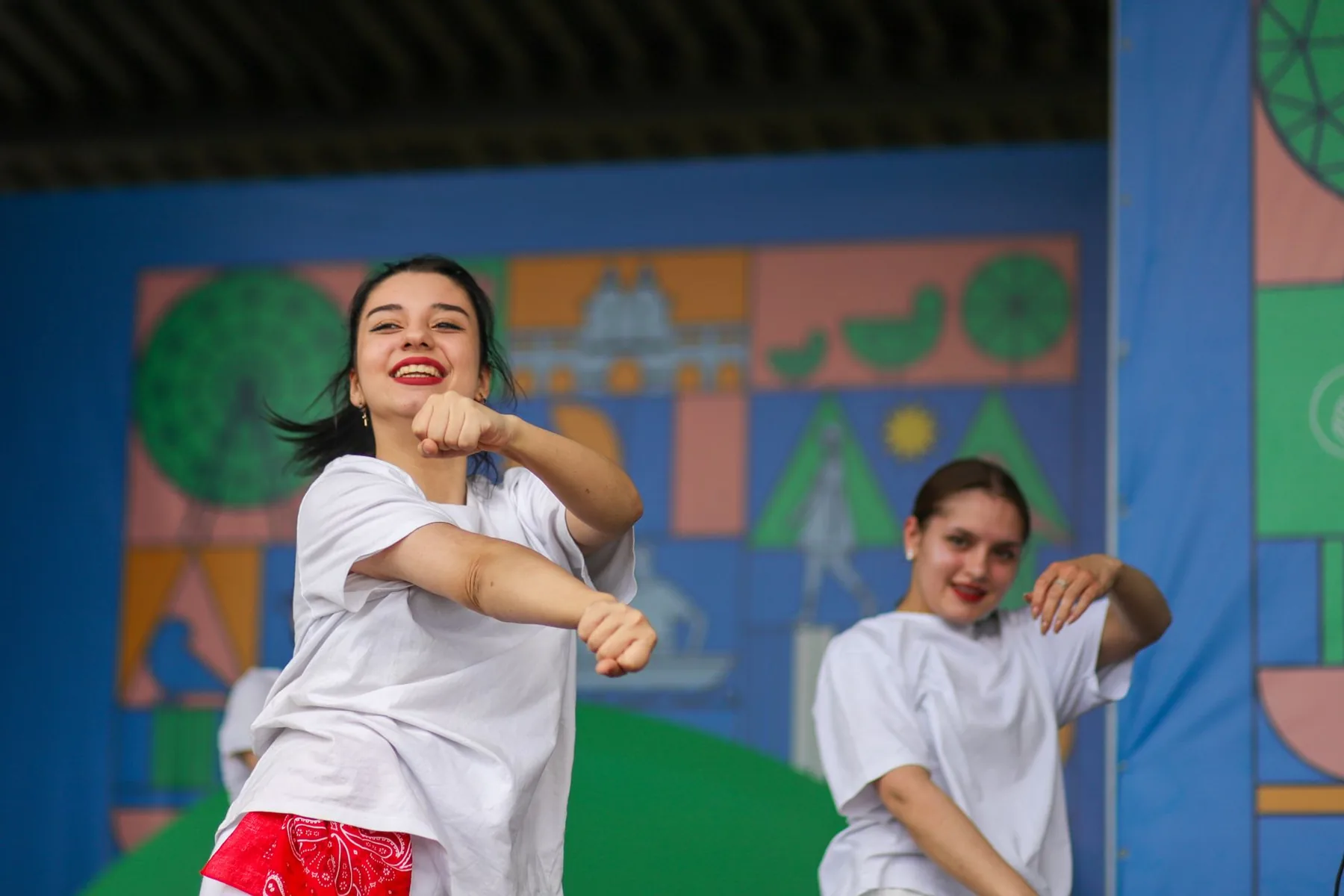
Build the running order around short sequences and smooth transitions. Agree on clear cues between stage management, sound and lighting to avoid gaps and delays.
Give the MC enough freedom to energize the show, explain the rules and lift the atmosphere. Their interaction helps dancers perform at their best.
Recording, impact assessment and community engagement
Record the show live: highlights, backstage footage and interviews can become teasers and help reassure potential presenters. Use this material on social media and in proposals to venues and festivals.
Gather immediate feedback through QR codes and forms to measure satisfaction and impact. Analyze sales and attendance as well to identify what encouraged purchases.
- Technical coordination: backup plans ready and call sheets up to date.
- Content: short clips and interviews for promotion after the event.
- Review: record actual spending, incidents and recommendations.
| Item | Measure | Next action |
|---|---|---|
| Satisfaction | Survey accessible by QR code | Adapt the program |
| Sales | Ticketing data | Repeat effective formats |
| Visibility | Recordings and shares | Reopen community registration |
Thank the community, share the best moments and open registration to gauge interest. Start planning partnerships and dates now so you can organize the next event faster and more successfully.
Conclusion
A thorough coordinator and a clear schedule working backward from the event help make it a success. Allow 14 to 16 weeks for a 60-minute multidisciplinary show.
Establish your association and document your processes and files. Protect the creative work through registration with SACD and make a live recording to attract presenters and partners.
Open the call for talent, prepare ticketing and goals, then record each lesson learned in a simple document.
Need help inviting renowned choreographers? Read the resource on bringing in choreographers to increase visibility and grow your community.
Take action, reserve your dates and begin coordination meetings to turn your project into high-impact events.