
In 2025, audio formats and quality shows are among the best ways to follow rap news and culture. They cover everything from breaking news to in-depth analysis.
Planète Rap remains a benchmark: a live show from Monday to Friday, 8 to 9 p.m., with interviews, exclusives and freestyles that give artists a voice.
This introduction presents a selection of radio and online sources. You will find short formats such as Rap FR Le Podcast, quick analyses by Mrik, weekly recaps (Mouv’ Rap Club) and mixes that track club trends.
Following social media accounts helps you spot announcements, live broadcasts and clips. Most content is available on demand, so you need not miss anything.
The sections below cover formats by category: news, analysis, interviews, education, mixes and wider culture, helping you choose what interests you.
Rap podcasts in France in 2025
France’s audio scene diversified in 2025: reports, panel shows and short episodes all cover music news.
Leading formats: Planète Rap (daily, 8 to 9 p.m.), Mouv’ Rap Club (weekly recap), Grünt (explorations of around 30 minutes), Les Bons Crus (twice-monthly analysis) and Tier List (album rankings) shape the week.
Short formats play a key role. Rap FR Le Podcast and Mrik’s short reports offer five-minute episodes for a quick news update.
Rap n’Classe shows how rap can be used to teach students through high school. Music becomes a learning tool for young audiences and teachers.
Independent outlets coexist with established media (Mouv’, Radio France). This variety supports investigations, discoveries and debate.
Social platforms and seasonal trends: publishing across several platforms extends each episode’s reach. Releases and major moments throughout the year, particularly in March and autumn, shape programming.
To follow rap effectively, combine news, analysis and discovery: subscribe to feeds, turn on notifications and vary your listening to understand the scene better.
Hip-hop podcasts and media: where to stay informed
To hear more from artists, organize your listening by how timely a subject is and how deeply you want to explore it.
The goal: news, culture, discoveries and scenes
The idea: build a listening routine that covers breaking news, historical overviews and emerging scenes.
The benefit: save time with short news episodes and choose longer shows when you want more depth.
How to keep up with new episodes and social media
Subscribe to feeds, turn on alerts and follow official accounts to find live broadcasts, replays and bonus content.
For a quick update, try Rap FR Le Podcast (a new episode every Thursday at noon) and Mrik’s short reports.
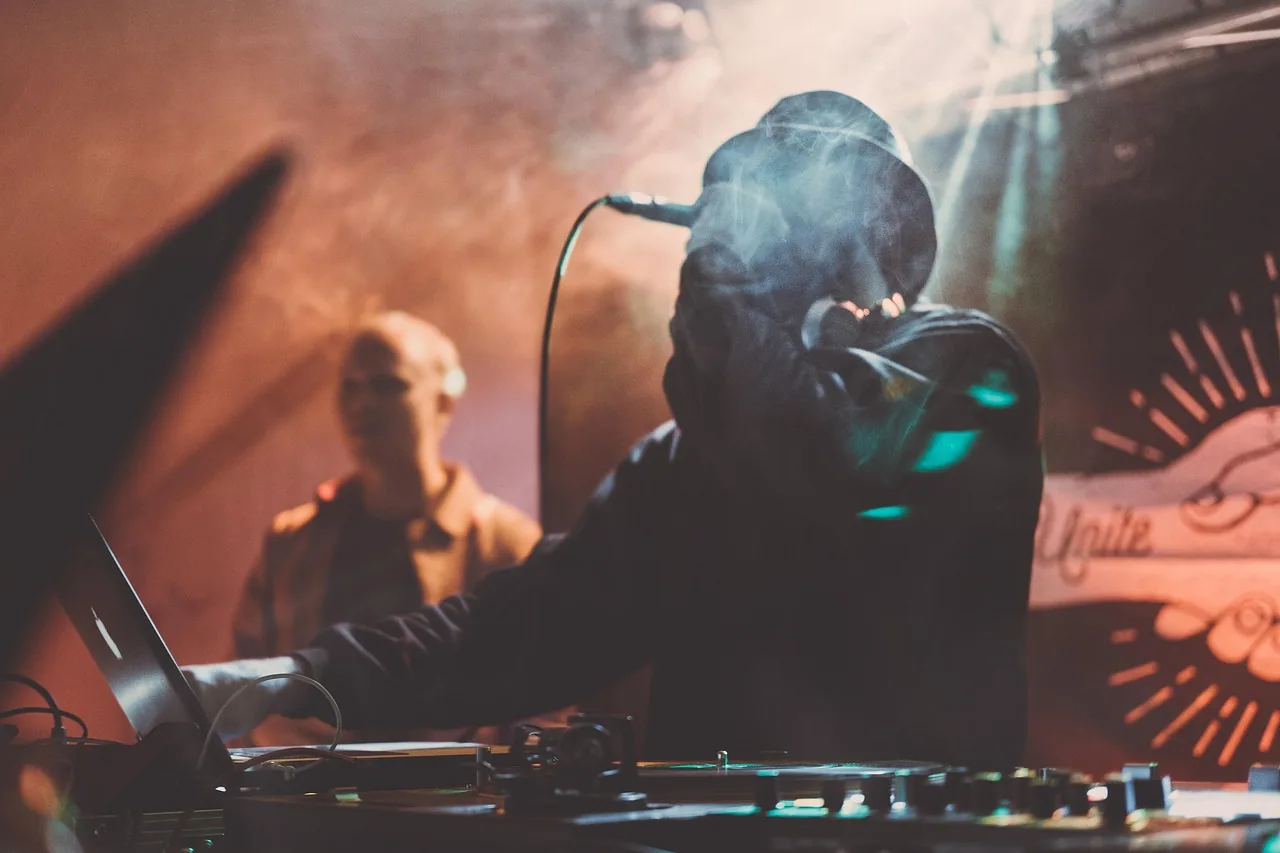
| Purpose | Recommended format | Benefit |
|---|---|---|
| Quick update | Rap FR Le Podcast, Mrik | Five minutes of timely information |
| Analysis | Les Bons Crus, Grünt | Context and rap history |
| Discovery | Pôle Hip-Hop, Le Coton Club | Local and international scenes |
| Education | Rap n’Classe | Resources for middle and high school |
Practical tips: create themed playlists (news, freestyles, interviews) so you can easily revisit the essentials. Alternate between live radio and on-demand listening to follow a changing scene.
Choose media outlets and shows that verify information, provide context and invite knowledgeable guests. To explore the economics of formats and business models, see these resources on the media.
Radio stations and essential shows for rap news
These are some key radio shows for following rap news live or on replay.
Planète Rap (Mouv’)
Monday to Friday, 8 to 9 p.m. A daily studio show featuring a guest each week. Interviews, exclusives and freestyles capture the pulse of the scene.
Mouv’ Rap Club
Hosted by Pascal Cefran, Laure and Ismaël, this magazine show sums up French-language rap news each week. It is a useful recap for saving time and following important debates.
À la régulière — Mehdi Maïzi
Conversations with artists (including Youssoupha) about news and concerts, sometimes paying tribute to influential figures.
Grünt
A free-form show led by Jean Morel. It explores French-language rap culture through history, writing and creativity.
Hip Hop Vibe (Arverne)
Launched in 1993, this show selects alternative American rap. It helps listeners stay connected to the genre’s roots and understand how its sounds have evolved.
Suggested approach: alternate between live radio and replayed episodes. Choose Planète Rap for daily coverage, Mouv’ Rap Club for a recap and Grünt to broaden your knowledge.
| Show | Frequency | Focus | Benefit |
|---|---|---|---|
| Planète Rap | Daily (8 to 9 p.m.) | Interviews, freestyles | Take the pulse of the scene |
| Mouv’ Rap Club | Weekly | French rap news recap | Summaries and debates |
| À la régulière | Varies | Guests, concerts, tributes | Artists’ perspectives |
| Grünt / Hip Hop Vibe | Weekly | Cultural exploration / alternative American rap | Context and musical roots |
Analysis podcasts, rankings and editorial formats
To go beyond the latest headlines, choose shows that combine rankings, investigations and historical perspective.
Les Bons Crus: commentary and analysis
This twice-monthly show has a passionate, authentic tone.
Its episodes place recent and older projects in context, helping you recognize the return of styles and influences.
Tier List (French rap): ranking and debate
Mehdi Maïzi, Neefa, Sandra Gomes and Yérim offer a playful format.
The video version adds to their arguments and sharpens your cultural reference points.
Mythe Rap et Poésie: voices, styles and careers
Analysis focused on artists’ writing and voices.
An ideal format for understanding what makes their careers and artistic choices distinctive.
C’est carré: deeper questions
A show that examines conventions, industries and audiences.
A useful companion for anyone who wants to understand a project’s context before its release.
- Suggested approach: listen to a few representative episodes before a major release.
- Pair these formats with the records themselves and references from books and archives.
- Take notes: rankings, references and arguments will build your mental library.

Long interviews and conversations with rap voices
Long interviews remain the best way to explore an encounter in depth. They leave room for stories, doubts and the intentions behind each project.
Featuring, presented by Driver, offers conversations of around an hour with rappers, producers, DJs and beatmakers. The format highlights people working behind the scenes and often brings out experiences they have not shared before.
Le Volume sur 11 features interviews across several genres. They reveal an artist’s vision before a concert or record release.
OuiHustle examines careers, obstacles and successes in the music world. Guests share practical lessons about the business, live performance and production.
Le Coton Club and Pôle Hip-Hop favor local and international conversations. DJs such as White Socks and Micho JBL offer their views on local scenes.
Ladies First (Radio Grenouille) puts women’s voices at the center by featuring a rotating selection of artists.
Suggested approach: listen to one episode a week, note key passages, then explore the albums and collaborations mentioned.
Short formats, news, education and projects for young people
To get the essentials quickly, try these very short Thursday releases.
Rap FR Le Podcast
Every Thursday at noon, a five-minute episode offers artist profiles, classic albums, anecdotes and punchlines. The format makes rap culture easy to learn about.
The benefit: memorable content that fits a break between classes or a commute.
Mrik’s rap news reports
Mrik’s quick analyses come out on the same day and last five minutes. They summarize news from the French and American scenes.
Listen to these episodes to stay informed without spending much time on them.
Rap n’Classe (Mouv’)
Created with Dandyguel, Rap n’Classe turns rap into a teaching resource. Its content follows the middle and high school curriculum.
It helps students, parents and teachers bring music into the school year.
Suggested routine: listen to these short episodes on Thursday at noon, note useful vocabulary and context, then explore the subject further with longer shows at the weekend.
These formats are accessible, inclusive and designed for young audiences. Group episodes by theme to study, prepare a presentation or lead a classroom debate.
To connect critical thinking with teaching, consult academic resources on critical education on the education authority’s website.
Mixes, playlists and studio sessions for following new releases
A good weekly mix captures a scene’s energy in an hour.
Why mixes matter: a single episode can capture new releases, club trends and sounds from around the world. These selections help you decide what to listen to first and identify tracks worth exploring further.
Dirty Swift Monday Mix
Rooted in radio and the studio, Dirty Swift’s weekly mix covers American and French rap, trap, drill, afrobeats and dancehall. It is a Monday fixture for catching up with new music quickly.
Gravé
Gravé offers a feed dedicated to French-language rap and current hits. Its playlists make it easy to plan a week’s listening and quickly discover tracks gaining attention.
Flavour of the Month (Deejay PH)
On the second Tuesday of each month, this show blends new releases, classics and exclusives. It is ideal for a monthly review of essential tracks and unexpected finds.
Suggested approach: play these playlists while commuting or exercising, save tracks you want to analyze, then note the producers and labels to follow.
| Selection | Frequency | Focus | Benefit |
|---|---|---|---|
| Dirty Swift Monday Mix | Weekly (Monday) | American and French rap, trap, drill, afrobeats | A quick overview and live-show energy |
| Gravé | Continuous feed / playlists | French-language rap, hits | Local discovery and weekly planning |
| Flavour of the Month | Monthly (second Tuesday) | Classics, new releases, exclusives | Monthly selection and unexpected finds |
Hip-hop culture beyond music: dance, breaking, books and media
Urban culture extends beyond music. It finds expression in dance, publishing, exhibitions and audiovisual projects.
Du béton aux nuages revisits the legacy of NTM and Mafia K’1 Fry. Battles such as Nanterious break show the vitality of dance schools and scenes.
Breaking: French champions include B-girls Sarah Bee and Syssy, and B-boys Dany Dan and Enzo. Their titles inspire competitions and high school workshops, such as Turgot’s program.
Shows, books and tributes
Diamond Dance brings classical dance and hip-hop together on stage. Waack in Paris combines a competition with a club night. Studio Harcourt x Fifou presents an exhibition devoted to figures in rap.
The book The Perfect Day to Boss Up (Rick Ross, translated in June 2022) and investigations into rap’s inner workings encourage critical reflection. Handy’ Rap shows how speaking out can serve as therapy.
- Tip: combine reading, episodes and exhibitions to connect knowledge with practice.
- Remember tributes and return to the classics to pass on rap’s history.
For context on the reach and distribution of radio programming, consult the radio report.
Inclusive voices, local scenes and new media
Emerging voices and local stations are reshaping stories about rap today.
Inclusion: Madame Rap is the first media outlet dedicated to women and LGBT+ people in rap.
Monthly interviews give artists a voice and help audiences discover projects and careers that receive less attention.
Rapolitik (Montreal)
An international perspective: hosted by Cyrano and Keke Calixte, Rapolitik connects urban culture, social politics and business.
This viewpoint shows how another scene can shed light on issues closer to home.
Local shows and radio get-togethers
Radio Clapas hosts a live radio get-together every Tuesday centered on soul, funk and groove.
DJ Cali, on 88.8 FM (the first Tuesday of each month, 8 to 9 p.m.), interviews local artists and gathers live reactions.
Suggested approach: listen to one Madame Rap episode a month and add a weekly show from a local station.
Share these programs to help the artists gain recognition, and attend events to connect young people with the scene.
These sources complement major national shows and, over time, build a lasting record of the scene.
To support recognition of these voices, explore this support project.
For media professionals and curious listeners: understanding the information ecosystem
Understanding the economics of editorial content helps promote releases and projects.
The goal: analyze how information is produced, funded and distributed. This knowledge helps you position a rap project or book and negotiate partnerships.
Mediarama: business models, innovation and programming
Mediarama interviews people from organizations such as Le Monde, Arte Radio and brief.me. The format explores business models, monetization and distribution programs.
Soft Power / Chronique des médias
Soft Power (France Culture) and RFI’s media column shed light on the creative industries, digital developments and industry news. These shows help listeners anticipate trends.
International references
On the Media (WNYC) and The Media Show (BBC) investigate social platforms, misinformation and regulation. Following these episodes can help you adjust a strategy over the year.
Suggested approach: compile research notes on audiences and monetization. Watch seasonal cycles (such as March and the start of the school year) when planning releases.
| Resource | Focus | Professional use |
|---|---|---|
| Mediarama | Business models, partnerships, programming | Plan a distribution strategy |
| Soft Power / RFI | Creative industries, news | Anticipate industry trends |
| On the Media / The Media Show | Social platforms, misinformation, regulation | Adapt compliance practices and content |
Combining press expertise with knowledge of the scene helps you design a show or project that reaches its audience. For an example of an editorial relaunch, see this new program.
Conclusion
Finish building your listening routine with a simple strategy. Combine Planète Rap, Mouv’ Rap Club, À la régulière, Grünt and Hip Hop Vibe with Les Bons Crus, Tier List and Mythe Rap et Poésie. The result: a broad view of the scene and its culture.
Annual plan: one daily news feed, one weekly show, one monthly playlist and long episodes at the weekend. Add one book a month to explore artistic and economic issues more deeply.
Your toolkit: subscribe, turn on alerts and sort episodes by theme. Mark key points in the year (March and the start of the school year) and return to the classics.
Get started: add three sources to your subscriptions, attend a local event and listen regularly to follow rap, its culture and the year ahead.