
Painting and meditation support mental health. Therapeutic painting provides a way to express emotions and thoughts. Meditation calms the mind and improves concentration. Together, they form an art therapy practice that encourages healing and personal growth.
Jennifer Guidi, for example, combines painting and meditation. Her works reflect her inner vision. This combination can transform people’s lives by reducing stress and encouraging relaxation.
Painting and meditation help us see the world more clearly. They deepen our awareness of ourselves and our surroundings. Art therapy and therapeutic painting encourage healing and personal growth while helping us become fully immersed in the moment.
The ancient connection between art and meditation
Creative meditation is an age-old tradition. It brings art and meditation together. Painting, for example, can help reduce stress and improve concentration. These transformative practices can profoundly change our lives.
Artists have always used their art to share their emotions. Art becomes a way to connect with oneself and find peace. Many cultures use art to express spirituality.
As this article on contemplation explains, creative meditation brings peace and attentiveness. Drawing, painting or writing helps us keep our thoughts alive before they fade.
The historical origins of meditative painting
Meditative painting has ancient roots. Artists have long sought to express their emotions and thoughts through art. This helps them connect with their inner world.
How art becomes a tool for awareness
Art becomes a way to understand oneself better. It helps us find inner peace. Spiritual traditions and art are connected, allowing people around the world to share their spirituality.
Spiritual traditions and artistic creation
Spiritual traditions and art are closely connected. Many cultures use art to express their spirituality. Artists share their emotions and thoughts through their work.
The therapeutic benefits of meditative painting
Meditative painting combines art and meditation to find serenity through painting. It helps you connect with yourself and express your emotions creatively. Intuitive painting lets you create freely by following your unconscious mind.
Meditative painting has many benefits. Here are a few:
- Reduced stress and anxiety
- Improved mental and emotional health
- Greater creativity and imagination
- Stronger confidence and self-esteem
Whatever your experience level, meditative painting is open to everyone. Simply let your intuition guide you. In this way, you can find serenity through painting and discover inner peace.
| Benefits | Descriptions |
|---|---|
| Reduced stress | Meditative painting can help reduce stress and anxiety by allowing you to connect with your inner world. |
| Improved mental health | Meditative painting can improve mental and emotional health by stimulating creativity and imagination. |
Painting and meditation: why painting can transform your life – a practical approach
Meditative painting is a form of art therapy that frees the mind. It helps you connect with your soul. By practising meditation through painting, you reach a heightened state of awareness. You create works that reflect your inner self.
To begin, create a dedicated space for painting where you feel comfortable and at peace. Establish rituals and daily practices to help you focus and connect with your creativity. Use brushes, colours, canvases and painting surfaces.
Basic techniques for beginners
Basic techniques include deep breathing, relaxation and concentration. Use meditation exercises to connect with your mind. This helps you create works that reflect your inner self. To learn more about creativity and personal development, visit centre-formation.org.
Creating a dedicated space for painting
Creating a dedicated space for painting is essential. It should inspire you and help you connect with your creativity. Here is how to create one:
- Choose a quiet, peaceful space
- Add natural elements, such as plants or flowers
- Use colours and textures to create an inspiring atmosphere
Rituals and daily practices
Rituals and daily practices help establish a meditative painting routine. Try rituals such as meditation, deep breathing or reading inspiring texts. Your daily practices might include painting, drawing or writing.
| Practice | Frequency | Duration |
|---|---|---|
| Painting | Daily | 30 minutes |
| Meditation | Daily | 15 minutes |
| Deep breathing | Daily | 10 minutes |
The impact of meditative painting on personal development
Meditative painting combines art and meditation to encourage personal development. Painting and meditation help release emotions and develop creative intuition. One study shows that 72% of people feel meditative when they paint or sculpt.
Therapeutic painting has many benefits for personal development. Some 67% of people have found art to be a form of healing and emotional expression. Artworks featuring universal symbols resonate with 85% of people. To learn more, visit artenovance.
Meditative painting has many benefits:
- Emotional release through artistic expression
- Development of creative intuition
- Transformation of awareness through regular practice
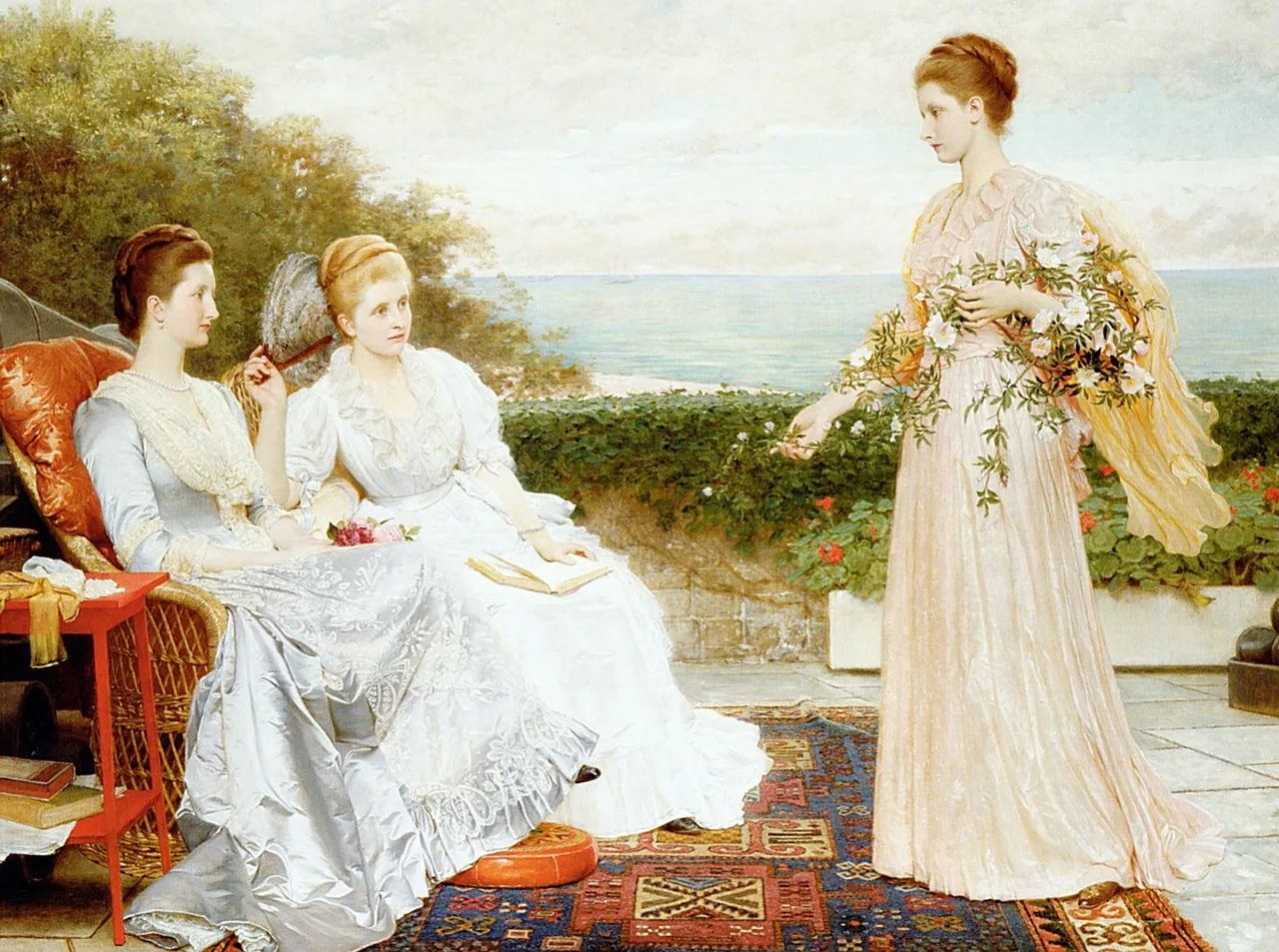
Emotional release through artistic expression
Meditative painting helps release emotions and deepen self-understanding. Painting can help us understand our emotions and become more self-aware.
Developing creative intuition
Meditative painting encourages creative intuition. It lets you explore your imagination and express your emotions creatively.
Transforming awareness through regular practice
Regular meditative painting transforms awareness. It helps you become more aware of your thoughts and emotions.
Conclusion: begin your transformative journey through painting
Meditative painting can transform your life. It offers many benefits, including emotional release and the development of creative intuition. It also helps transform your awareness.
To begin this journey, create a dedicated painting space. Practise regularly. Let your emotions and thoughts guide what you create.
Online resources offer more information about creative meditation. They can help you make the most of this practice for your personal development.