
The art of album covers is a multidisciplinary field that brings together visual art and music. Album covers express the essence of the music they accompany. They can promote an album, reflect the artist’s state of mind and spark the public’s interest. Album covers may draw inspiration from works of art, photographs or original creative concepts.
Designing an album cover is a complex artistic process in which graphic design and illustration come together to create an image that catches listeners’ attention at first glance. It is a window into the music, inviting listeners to discover the sounds that await them.
The importance of album design
Album design plays an essential role in listeners’ experience of music. It creates a first impression and can stir interest and emotion.
Thoughtful album design can attract attention, reflect an artist’s musical style and become a cultural icon. It can also help promote the album as an appealing visual product.
Whether it features original artwork, a creative illustration or an innovative concept, album design is a powerful way to communicate an album’s central idea and captivate its audience.
“Designing an album cover gives artists an opportunity to showcase their creativity and convey the essence of their music visually. It is an art form in its own right.” — Marie Dubois, renowned graphic designer
Listeners often remember an album because of its distinctive cover. A well-designed cover can become iconic and remain etched in the collective memory, making it a defining part of music culture.
Reflecting musical style
Album design gives artists an opportunity to bring out their distinctive musical style. Through choices of color, illustration, typography and pattern, it can visually represent an artist’s sound.
For example, a minimalist cover in monochrome tones might reflect a spare, emotionally charged sound, while a more extravagant and colorful cover might suggest lively, exuberant music.
Becoming a cultural icon
Some album covers have become cultural icons associated with a particular artist or era. They capture the public’s imagination and become symbols of music history.
For example, the cover of the Beatles’ “Abbey Road,” showing the band members crossing a pedestrian crossing, has become an emblem of popular culture and a symbol of the band. Likewise, the cover of Pink Floyd’s “The Dark Side of the Moon,” with its famous prism, has become a visual reference point in music.
With the rise of streaming platforms, album design continues to play an essential role in how music is presented and enjoyed. Although physical covers are less common, digital cover art remains central to representing an album and attracting listeners’ interest.
Album design is much more than packaging. It is a visual gateway to the music, an invitation to discover distinctive soundscapes. It embodies the artist’s identity and contributes to the listener’s overall experience. Album covers therefore deserve careful attention: they can become works of art in their own right and leave a mark on music history.
The art of album covers through history
Throughout music history, album covers have evolved into works of art in their own right. In the 1950s and 1960s, artists such as Andy Warhol pushed the boundaries of album design with visually striking work. The Beatles also played a major role in the development of album covers by introducing original concepts and innovative ideas.
“The album cover is a visual medium that conveys the essence of the music. It gives artists an opportunity to create a powerful first impression and express their artistic identity visually.” — Andy Warhol
Album covers became icons of popular culture, reflecting contemporary artistic movements and musical influences. The avant-garde movements of the 1960s opened the way to new forms of expression and pushed the boundaries of art and music.
- The cover of “The Velvet Underground & Nico”, designed by Andy Warhol, is an iconic example of the influence of the avant-garde movements on album design. Its peelable banana serves as a provocative symbol.
- The Beatles also advanced album cover design with innovative ideas, such as the fold-out cover of “Sgt. Pepper’s Lonely Hearts Club Band,” which features a multitude of famous figures and symbolizes the revolutionary spirit of the era.
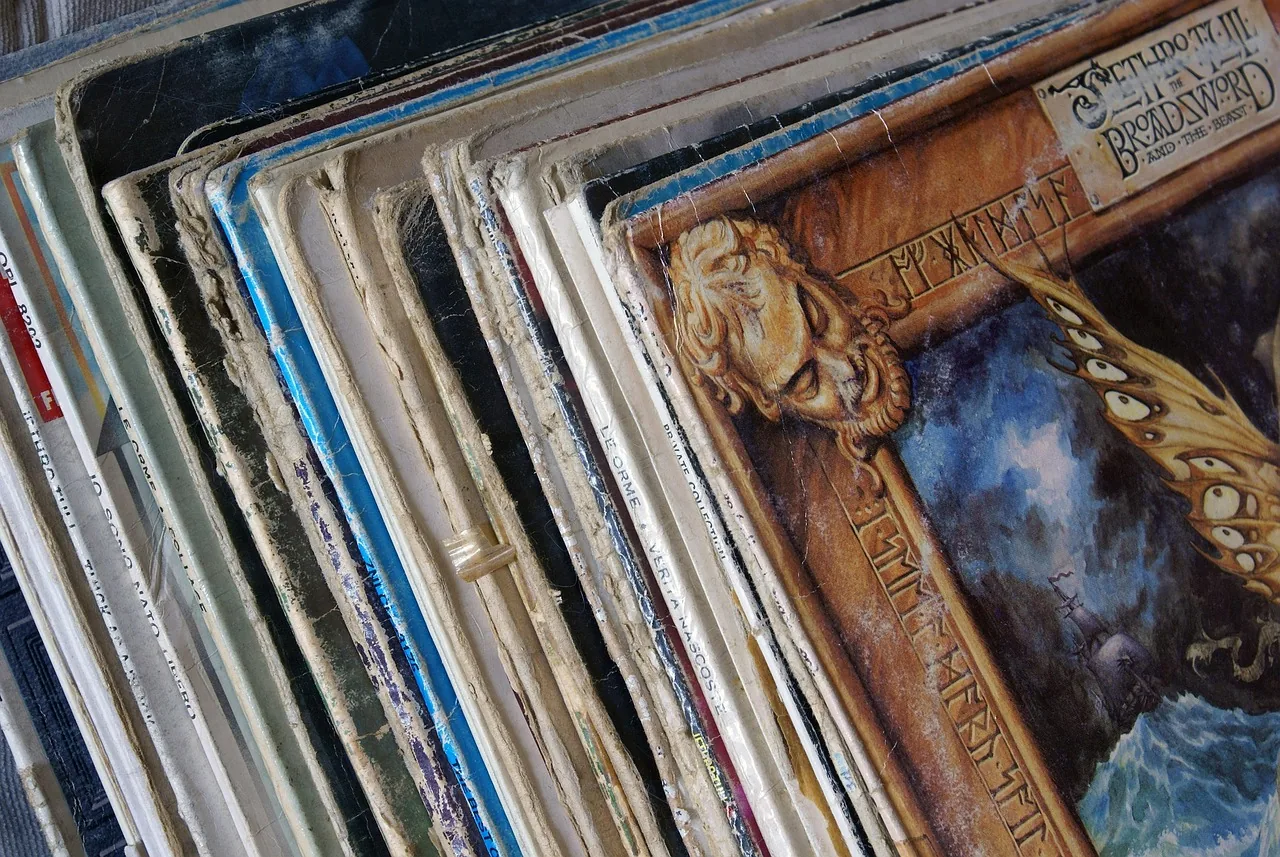
Album covers continue to evolve alongside contemporary music, incorporating influences from different artistic movements and reflecting current trends in pop culture. They remain a powerful way to convey an artist’s identity and attract the public’s attention.
Iconic album covers
Some album covers have become iconic and left their mark on music history. Among the most famous is the cover of the Beatles’ “Sgt. Pepper’s Lonely Hearts Club Band,” designed by Peter Blake. Its multitude of figures symbolizes the album’s diversity and revolutionary spirit. Other examples include Andy Warhol’s cover for “The Velvet Underground & Nico” and the Rolling Stones’ “Sticky Fingers,” with its provocative zipper.
Iconic album covers are often celebrated for their distinctive aesthetics and their ability to capture the public’s imagination. They become symbols of an album and its artist, and often represent a particular era or musical movement. These legendary covers have become cultural icons and continue to influence artists and designers today.
Conclusion
The art of album covers is a crucial part of the music industry. Album covers are more than packaging: they visually represent the essence of the music and captivate listeners before they even press play. Artists use them to express their individuality and convey their distinctive musical style.
Album cover design is anything but incidental. The chosen image, colors and shapes are all carefully considered to create a memorable first impression. A thoughtfully designed cover can catch listeners’ attention and give them a taste of the musical experience ahead. It may even become a work of art in its own right and contribute to cultural history.
In conclusion, do not underestimate the importance of the art of album covers. Beyond their role as packaging, covers allow artists to express their creativity and attract the public’s interest. Album covers are far more than images: they can draw listeners into a captivating visual world and invite them to explore the music more deeply.
FAQ
What is the art of album covers?
The art of album covers is a multidisciplinary field that brings together visual art and music. Album covers express the essence of the music they accompany.
What is the role of album design?
Album design plays an essential role in listeners’ experience of music. It creates a first impression and can stir interest and emotion.
How have album covers evolved over time?
Over the years, album covers have become works of art in their own right. Artists such as Andy Warhol and the Beatles pushed the boundaries of album design and introduced original, innovative concepts.
Which album covers are iconic?
Iconic album covers include the Beatles’ “Sgt. Pepper’s Lonely Hearts Club Band,” Andy Warhol’s “The Velvet Underground & Nico,” and the Rolling Stones’ “Sticky Fingers,” with its provocative zipper.
Why is the art of album covers important?
The art of album covers is a crucial part of the music industry. Album covers represent the essence of the music, captivate the public and allow artists to express themselves visually.