
This guide traces, step by step, the origins of a phenomenon born in the South Bronx in the late 1960s. It presents the genre as a culture in its own right, built on five pillars: MCing, DJing, breakdancing, graffiti and beatboxing.
Block parties and turntablism techniques shaped a distinctive aesthetic. Innovations such as scratching and the TR-808 paved the way for greater variety in sound during the 1980s.
We will explain how rap and DJing shaped the scene, then how dance and visual art expanded its influence. The account covers its key periods: formation, diversification, new school, the golden age and international growth.
The result: a reference guide connecting neighborhoods, communities and the global scene, with technical explanations, artist profiles and a look at hip-hop’s path in France, from the television show H.I.P. H.O.P. to festivals and schools.
Why hip-hop is more than a musical genre: culture, movement and a voice for neighborhoods
In New York’s inner-city neighborhoods, young people turned scarcity into creativity and public expression. Hip-hop took shape as a five-pillar culture in which rap, DJing, dance, graffiti and beatboxing interact.
Block parties and the street served as stages and places to connect. They offered opportunities to celebrate, compete and resolve conflicts. Rap became a form of social commentary; the DJ built the musical framework; dance expressed ideas through the body; and graffiti made them visible.
The community — crews, the Zulu Nation and mentors — established codes of respect and ways to pass on skills. In the face of discrimination, these practices provided an outlet and a way to assert dignity. Accessible tools encouraged ingenuity: turntables, boomboxes or a simple piece of cardboard to dance on.
“The street spoke: this was more than music; it was a way of being and resisting.”
Through exchange and adaptation, this local phenomenon became a global movement. From neighborhood life to the international stage, hip-hop connects diverse audiences and builds a shared culture.
For more on its protest roots and community dimension, see this analysis of protest culture.
Origins in New York: the Bronx, block parties and the birth of a culture
Caribbean sound systems and local DJs came together to create a new practice. In 1970s New York, the South Bronx became the place where hip-hop developed its codes and rituals.
From South Bronx block parties to Jamaican sound systems
At block parties, DJs isolated breaks with roots in dub. Jamaican toasting influenced early MCing and the use of the microphone to energize a crowd.
DJ Kool Herc, Afrika Bambaataa and the Zulu Nation ethos
Kool Herc popularized the “Merry-Go-Round” and the isolation of breaks. Afrika Bambaataa later helped organize a collective ethos through the Universal Zulu Nation.
Scratching, breaks and turntablism: foundational technical innovation
Scratching, attributed to Grand Wizzard Theodore, and beat juggling turned the turntables into an instrument. Parks, community centers and stairwells served as the first clubs.
How the term “hip-hop” emerged
Keef Cowboy popularized the expression in the street, and the press later established it in common use. For a detailed historical account, see the origins of hip-hop.
| Pioneers | Role | Technique | Impact |
|---|---|---|---|
| Kool Herc | DJ, organizer | Isolating breaks | Foundations for dance and battles |
| Afrika Bambaataa | Community leader | Promoting collective action | Values of peace and passing on knowledge |
| Grand Wizzard Theodore | Technical innovator | Scratching | New expressiveness on the turntables |
The five pillars of hip-hop: rap, DJing, breakdancing, graffiti and beatboxing
From rhythmic speech to visual performances, five disciplines shape the scene. Each has a distinct role and contributes to a collective culture.
Rap and MCing: from rhythmic speech to social commentary
Rap is an art of storytelling: punchlines, accounts of lived experience and social engagement. The Message (1982) showed the political power of lyrics.
DJing: turntables, the TR-808 and the architecture of beats
The DJ builds the musical framework. The TR-808 and sampling created electronic textures that define many grooves.
Breakdancing: challenges, freezes and a worldwide vocabulary
Breakdancing has a technical vocabulary: top rock, footwork, freezes and power moves. Battles establish judging criteria and encourage creativity.
Graffiti: urban aesthetics and political messages
Graffiti transforms public space. Tags, throw-ups and pieces combine visual style with social demands.
Beatboxing: the human drum machine
Beatboxing imitates the kick, snare and hi-hat. Performed alone or as accompaniment, it adds polyrhythms and vocal effects.
Interdependence: at jams, DJs, MCs, dancers and writers inspire one another. Their complementary roles bring art and music together.
| Pillar | Function | Key techniques | Development |
|---|---|---|---|
| Rap | Storytelling and social criticism | Punchlines, flow, storytelling | Social awareness, radio |
| DJing | Rhythmic structure | Scratching, sampling, TR-808 | Electronic production |
| Breakdancing | Competition and performance | Top rock, freezes, power moves | International battles |
| Graffiti | Visual and political expression | Tags, throw-ups, pieces | Galleries and recognition |
| Beatboxing | Vocal rhythm and effects | Kick, snare, hi-hat, polyrhythms | Performances and collaborations |
For broader cultural context, explore hip-hop culture.
The 1970s: from funk and soul to a distinct identity
The 1970s brought together African American grooves and neighborhood energy to forge a distinct musical identity.
Block parties drew on funk, soul and R&B, while Jamaican dub enriched DJing techniques. This music provided fertile ground for the first party hosts and homemade sound systems.
Two approaches soon emerged. Disco rap in the clubs of Manhattan, Harlem and Queens catered to dance floors. By contrast, the Bronx’s “pure” hip-hop favored parks and neighborhood jams.
This ecosystem brought together block parties, community centers, boomboxes and improvised turntable setups. The combination fostered neighborhood pride, technical ingenuity and resistance to budget cuts and urban redevelopment.
By the late 1970s, instrumental disco loops had taken hold, and the first recordings captured rhythms already honed at live events.
Pioneers and crews — organizers, DJs and MCs — laid the foundations of turntablism. Ground-level dancing began to develop a vocabulary of top rock and footwork and to establish conventions for battles.
“Celebrating remained vital, even when social realities made the need for action impossible to ignore.”
To learn more about Caribbean influences and the movement of sounds between cultures, see this study of Caribbean roots. This chapter sets the stage for the technical and media breakthroughs of the 1980s.
The 1980s: diversification, electro and international expansion
A new rhythmic sound, shaped by the TR-808 and synthesizers, carried the scene into larger clubs. In 1982, Afrika Bambaataa’s Planet Rock blended electro and funk and became a touchstone.
The TR-808 contributed a deep analog kick and steady rhythms. It strengthened the beat and changed the texture of the music.
Sampling surged: The Adventures of Grandmaster Flash on the Wheels of Steel (1981) demonstrated how sound collage could become a new musical grammar. Independent labels such as Tommy Boy, Profile and Prism gave young artists a platform.
Music videos, advertising and radio drove the media breakthrough. Kurtis Blow appeared in campaigns, while Blondie introduced elements of rap to a wider audience.
International exchange then accelerated hip-hop’s spread: b-boying in Japan, television shows in France (H.I.P. H.O.P., 1984), and Latino communities creating a shared bilingual language.
“Planet Rock showed that New York’s sound could speak to the world.”
| Element | Musical impact | Examples |
|---|---|---|
| TR-808 | Deep kick, steady beat | Planet Rock, Hashim |
| Sampling | Collage, new textures | Grandmaster Flash (1981) |
| Independent labels | Discovering and promoting artists | Tommy Boy, Profile, Prism |
| International reach | Spread of styles and dances | Japan, France (H.I.P. H.O.P.), Latino diaspora |
For more on artistic creation and cultural connections, explore this resource.
New school and the “golden age”: striking minimalism and an explosion of creativity
A new musical language emerged between 1983 and 1992, combining spare means with a wealth of ideas.
This era favored hard, stripped-down beats and a direct flow. Shorter radio formats helped the music spread and reach audiences.
Run-DMC and LL Cool J: radio formats and rock energy
Run-DMC and LL Cool J embodied the new school. They used drum machines and guitars to create a raw, immediate sound.
The rock and rap fusion widened their audience. Singles were made for radio without sacrificing intensity.
Poetry, samples and Afrocentrism: the golden age
The “golden age” brought a wide range of styles. Groups such as Public Enemy, Eric B. & Rakim, De La Soul and A Tribe Called Quest raised the bar for lyric writing.
Production grew denser: the Bomb Squad layered sounds and abrupt changes for Public Enemy. Rakim reinvented flow with measured, intricate delivery.
Licensed to Ill (Beastie Boys, 1986) showed that the genre could reach number one on the Billboard chart.
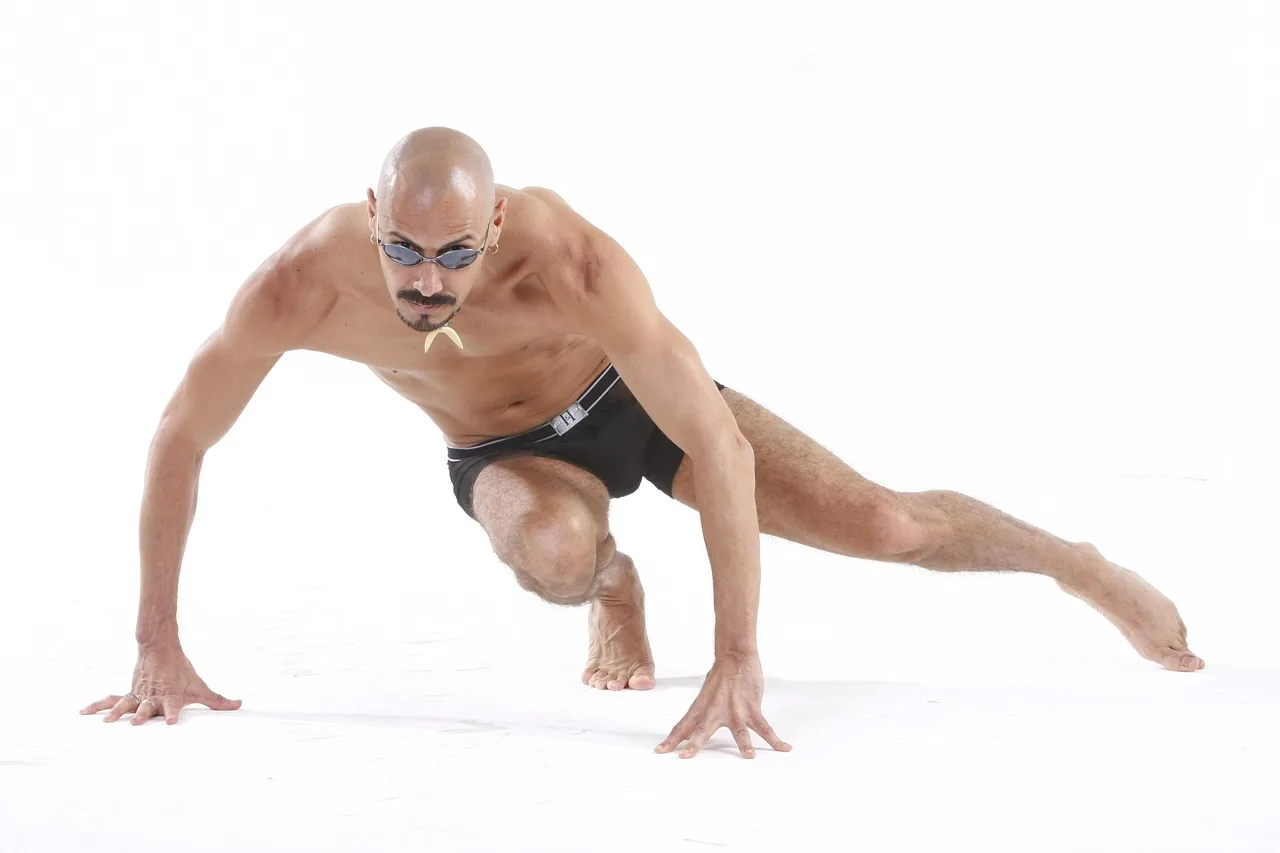
“A diversity of voices gave rise to an ambitious and inquisitive scene.”
- Innovations: flow, production and lyric writing.
- Themes: political awareness and Afrocentric cultural expression.
- Role of collectives: crews and labels encouraged creativity and built lasting audiences.
During this period, poetic and musical experimentation came up against an emerging music industry. The next section examines the tensions that followed.
Gangsta rap and the East Coast–West Coast rivalry: success, tensions and tragedies
The rise of gangsta rap turned the scene into an unflinching reflection of urban violence. The style portrayed poverty and the street economy, moving between political testimony and crime narratives.
Pioneers such as Schoolly D, N.W.A, Ice-T, Ice Cube and the Geto Boys gave the genre a raw voice. On the West Coast, The Chronic (Dr. Dre, 1992) popularized G-funk and a sound that would dominate radio and music videos.
Commercial growth was rapid: powerful labels, music channels and videos turned artists into hip-hop icons. But that exposure also fueled controversy, from calls for censorship to debates about the responsibilities of creators and the media.
The escalating East Coast–West Coast rivalry (1991–1997) pitted labels such as Death Row and Bad Boy against each other and fueled a culture of diss tracks. The murders of Tupac Shakur (1996) and The Notorious B.I.G. (1997) marked the end of a tragic chapter.
“The music depicted violence that sometimes spilled over into real life.”
After these tragedies, the scene regrouped. The story of West Coast rap continues to influence hip-hop worldwide, and its public image still bears the mark of that era.
Hip-hop dance: breaking, popping, locking, krump and related styles
On sidewalks and in parks, new forms of dance established a technical and social repertoire. These practices combine musicality, competition and belonging to a crew.
Breaking emerged in the Bronx and developed a precise vocabulary: backspins, spins, windmills, flares and headspins. Rounds structure each contest; musicality guides dancers’ signature moves and power moves.
Popping and locking emerged on the West Coast with Boogaloo Sam and the Electric Boogaloo Lockers. They emphasize isolations, muscle contractions, “hits” and a recognizable funk groove.
Krump emerged after the 1992 Los Angeles riots. It expresses fierce intensity, bodily storytelling and collective energy passed on through battles and communities.
Hybrid styles bring together waacking, voguing, capoeira and other influences. Cyphers, workshops and online tutorials help pass on skills. Battles such as Juste Debout and BOTY, along with touring, have professionalized dancers and raised technical standards.
“Today, dancers move between individual performance and collective choreography.”
To explore the subject further, consult this comprehensive dance guide.
History of hip-hop: from the streets to a global movement
The sound born in the Bronx soon traveled, drawing on local cultures and evolving in every capital it reached.
Networks, television and platforms
Television in the 1980s and 1990s, particularly H.I.P. H.O.P. in France, provided an early international showcase.
Later, the Internet and social media multiplied ways to reach audiences. YouTube, playlists and livestreams accelerate the careers of local artists.
Local scenes and cultural hubs
Studios, festivals and dedicated venues now support cultural ecosystems. La Place in Paris illustrates the role of a cultural hub bringing together concerts, workshops and exhibitions.
Capital cities attract diverse audiences across generations. Battles, residencies and online collaborations help styles circulate around the world.
“The codes travel and adapt to new places without losing their roots.”
| Element | Role | Example |
|---|---|---|
| Media | Rapid visibility | H.I.P. H.O.P., music channels, YouTube |
| Cultural hubs | Passing on skills and creating work | La Place (Paris), festivals, studios |
| Local scenes | Adapting the codes | National artists, languages and styles |
From the street to the stage in France: from H.I.P. H.O.P. to institutional recognition
From the 1980s onward, television exposure opened a path for French crews into theaters and choreographic centers.
Sidney on TF1, battles and the rise of crews
In 1984, H.I.P. H.O.P., hosted by Sidney, popularized dance in France. Battles and crews became more organized, creating an active and visible community.
From festivals to national choreographic centers: Kader Attou and Mourad Merzouki
Presenters and venues (TCD, Suresnes, La Villette, Maison de la Danse, Montpellier Danse) opened up new stages.
Kader Attou (CCN La Rochelle, 2008) and Mourad Merzouki (CCN Créteil, 2009) embody the institutional recognition of urban dance practices.
Schools, Juste Debout and higher technical standards
Events such as Juste Debout and local schools (including Anthony Egéa’s in Bordeaux) raised technical expectations.
Professionalization benefited artists and dancers, who explored the theatrical expression and stage design associated with the French scene.
Women dancers and new creative approaches
Groundbreaking dancer Bintou Dembélé and choreographer Anne Nguyen have renewed the repertoire. They have brought women’s voices into the diverse forms of contemporary creation.
“Moving indoors made it possible to appreciate movement in greater detail and bring it to audiences across the country.”
This network of venues and people sets the stage for a closer look at Paris and its emblematic spaces.
Rap, awareness and community: a culture that transforms the city
When the microphone becomes a voice for change, urban voices come together to describe social divides and suggest ways to heal them.
As early as 1982, with The Message, rap established itself as a platform for social awareness. It connected individual experience with collective concerns.
The hip-hop community creates places for exchange: youth workshops, jams, open mic events and local associations. These activities change neighborhood life.
Inclusive initiatives foster self-esteem and help prevent violence. Contemporary concerts and block parties bring artists and audiences together.
- Educational workshops in middle schools and community centers.
- Crews and associations offering professional support.
- Temporary urban projects transforming squares and vacant sites.
The relationship between lyrics and the urban landscape changes how people see the city. These stories contribute to collective memory and social cohesion.
For a broader perspective, explore hip-hop culture.
Fashion and creative industries: from streetwear to global collaborations
Streetwear styles have moved from playgrounds to runways.
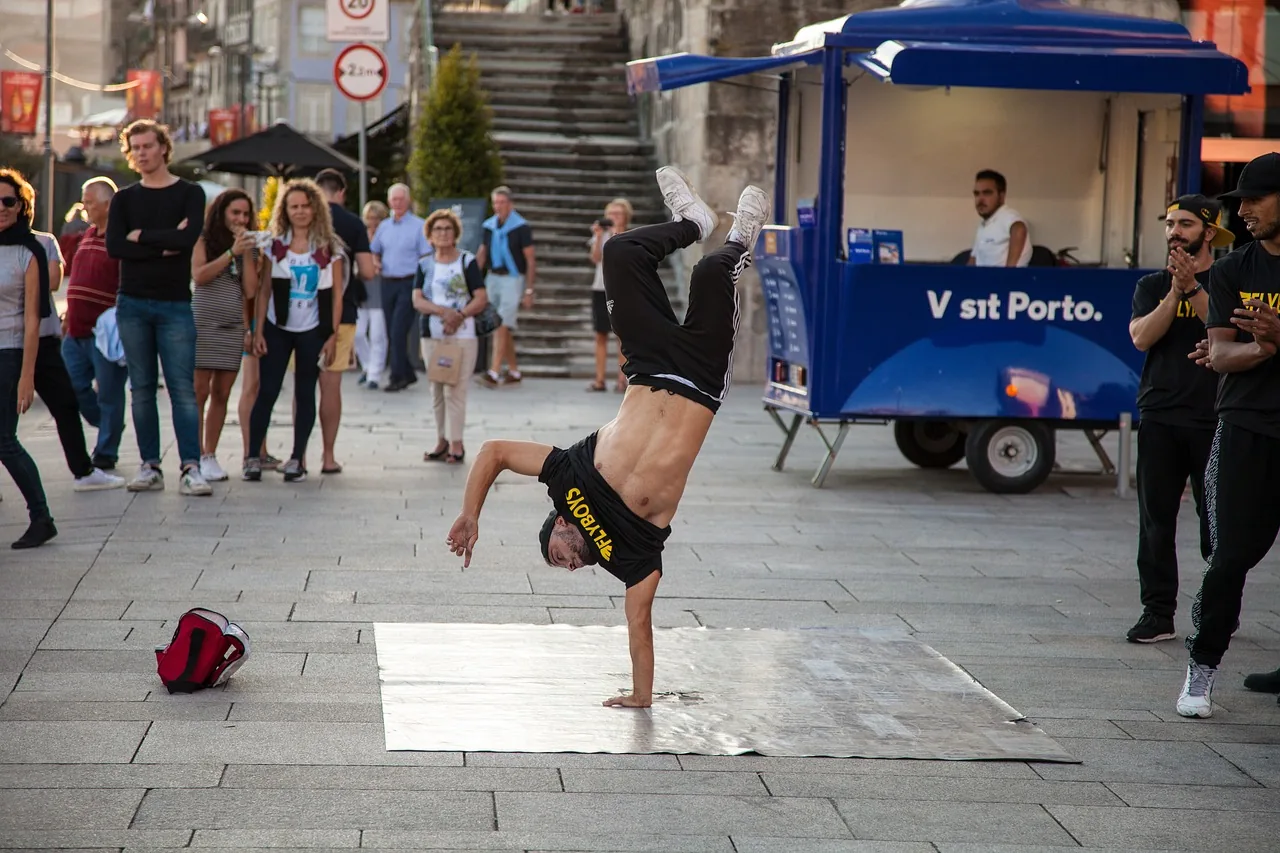
Since the 1970s, sneakers, caps and jewelry have become markers of identity. They signal belonging and contribute to a recognizable aesthetic.
Artists play a central role. They launch clothing lines, co-create collections and influence marketing strategies.
- The growth of streetwear in luxury fashion and advertising.
- Local shops, such as Scred Boutique, as places for shopping and events.
- Limited editions, independent labels and affordable options existing side by side.
“Style has become an economic and social force for creators.”
| Element | Function | Economic impact |
|---|---|---|
| Sneakers | Identity, collecting | Resale market, creative jobs |
| Collaborations | Shared visibility | Sales, brand image |
| Local shops | Community ecosystem, events | Distribution, audience development |
The sector creates jobs and income. It also fuels debates about cultural appropriation and staying true to the culture’s roots.
Fashion remains a vehicle for art and creativity, contributing to artists’ success and the vitality of the local cultural scene.
Hip-hop in Paris today: events, artists and emblematic venues
Concerts, jams and residencies fill a calendar that reflects the vitality of the Paris scene.
Venues and concerts: Accor Arena and Paris La Défense Arena regularly present stars such as Kaaris, Gazo, Hamza and Jok’Air. Le Zénith hosts Dinos, SDM, La Fouine and Houdi, bringing their music to large and varied audiences.
Cultural hubs and alternative venues
La Place (Les Halles) is a central venue: its workshops, concerts, exhibitions and talks bring dance and graffiti together.
Dock B in Pantin hosts workshops and evening events; Wanderlust, beside the Seine, combines rap programming with Afrobeat performances.
Shops, labels and the wider scene
Scred Boutique (18th arrondissement) connects retail, exhibitions and events. Clubs, studios, collectives and open mic events form a network that supports training and emerging artists.
“Paris remains an attractive stop for tours and international collaborations.”
| Element | Role | Example |
|---|---|---|
| Venues | Visibility and capacity | Accor Arena, Zénith |
| Cultural hubs | Passing on skills | La Place, Dock B |
| Shops | Cultural connections | Scred Boutique |
Legacy, controversies and resilience: what hip-hop says about our times
The movement’s journey reveals technical innovations alongside public debates.
Legacy: production, flow and community networks have left lasting marks.
Educational work and collectives keep local knowledge alive.
Controversies center on depictions of violence, sexism and commercialization.
Censorship and media disputes regularly reignite these debates.
Resilience: hip-hop adapts despite changing media trends.
It renews itself through blended styles, digital platforms and local scenes.
The genre says much about our times: inequality, multiple identities and digital activism.
Institutions and platforms play a mixed role in legitimizing and standardizing it.
“Hip-hop remains an outlet and a collective voice, even as the industry reshapes it.”
| Aspect | Strengths | Challenges | Outlook |
|---|---|---|---|
| Legacy | Technical, poetic and community traditions | Forgetting the roots, commercialization | Education, archives, residencies |
| Controversies | Visibility for social issues | Depictions of violence, sexism, censorship | Critical dialogue, regulation |
| Resilience | Digital adaptation, blended styles | Fragile business models | Streaming, concerts, revised copyright arrangements |
| Social role | Outlet, awareness, passing on knowledge | Excessive commercialization | Renewed local roots, educational projects |
Ultimately, hip-hop’s history shows a creative movement that remains critical and popular.
The question remains: how can it preserve its social power in the face of commercial pressures?
Conclusion
In just a few decades, creativity born in New York neighborhoods traveled and found its voice. The history of hip-hop follows a clear path: urban origins, the establishment of five pillars, then a spread across the world.
The major periods — emergence, the golden age, tensions and international expansion — shaped its styles and media. This story highlights continuing adaptation, technical innovation and changing aesthetic choices over the years.
Local communities and cultural hubs — crews, schools and venues — remain central to that vitality. The history of hip-hop continues to reflect a balance between institutional recognition and its original spirit.
Styles and business models will continue to evolve. Explore, attend events, read and take part: this living language tells people’s stories and calls for liberation.