
Hip-hop emerged in the South Bronx in the late 1960s. It is a culture in its own right and a musical genre encompassing social and artistic practices.
The historic scene revolves around rap, DJing, breakdancing, graffiti and beatboxing. These disciplines form a collective identity sustained by block parties and sound systems.
Its founding principles emphasize respect, sharing and diversity. Art builds social connections and gives people a way to respond to urban challenges.
This guide offers a clear overview of origins, schools, subgenres, production techniques, national scenes and links with education. It also describes how vocal, physical and visual language creates a sense of belonging and recognition.
For more historical and educational background, consult the dedicated resource.
The hip-hop movement: values, codes and language
Hip-hop brings together musical, visual and physical practices that interact onstage.
Definition. Hip-hop is a broad culture and a form of popular music centered on rhythm and rhythmic speech. It unites social, artistic and technical practices that emerged in New York neighborhoods and spread internationally.
The five founding disciplines
- Rap / MCing: phrasing, flow and lyrics as ways to speak out.
- DJing: the art of turntables, beats and breaks that shape the dance.
- Breakdancing: physical performance and competition onstage.
- Graffiti: visual expression, local identity and aesthetics.
- Beatboxing: vocal percussion that complements instrumental beats.
Reducing the culture to rap alone obscures the central role of the DJ and instrumental forms. Beats can stand on their own; performances are not always vocal.
Local crews and collectives pass on principles of respect, a “fresh” spirit and nonviolence. These practices form a shared system of vocal, physical and visual signs, expressed by artists in battles, jams and murals.
| Discipline | Role | Where it is expressed |
|---|---|---|
| Rap / MCing | Rhythmic speech, storytelling | Stages, studios, freestyles |
| DJing | Rhythm, mixing | Clubs, block parties, radio |
| Breakdancing | Physical performance | Battles, shows, jams |
| Graffiti | Visual identity | Walls, commissioned work, galleries |
| Beatboxing | Vocal percussion | Stages, studios, improvisations |
Origins and history: from Bronx block parties to stages worldwide
In the heart of the Bronx, block parties in the 1970s laid the foundations for a new musical culture. These gatherings brought African American and Caribbean communities together around DJs who extended rhythmic passages to keep people dancing.
The 1970s: DJ Kool Herc, Jamaican sound systems and the birth of breaking
DJ Kool Herc, a Jamaican immigrant, adapted techniques from dub and sound systems by isolating percussion breaks. This created long instrumental sections in which b-boys and b-girls developed their performances.
Technical innovations soon emerged:
- scratching, attributed to Grand Wizzard Theodore
- beat mixing, beat juggling and turntablism
- toasting and editing methods inherited from dub
Terminology and the origins of the term “hip-hop”
The term first appeared in the vocabulary of MCs. Several artists claim to have used it early on, including Keef Cowboy, Lovebug Starski and DJ Hollywood.
Afrika Bambaataa helped popularize the word to describe the subculture. Its first known appearance in the press was in the Village Voice, in an article by Steven Hager. A common explanation links “hip” (being in the know) with “hop” (jumping), capturing both a movement and an attitude.
New school and the golden age: innovation, styles and social awareness
The new school marked a shift in sound by favoring stripped-down instrumentation.
Between 1983 and 1984, Run-DMC and LL Cool J established a minimalist style. Beats became harder and drier. The Roland TR-808 drum machine grew widespread, shaping distinctive analog bass sounds.
Rock’s influence appeared in guitars, samples and attitude. Independent labels brought these artists to a wider audience. The result was a more aggressive sound, sharper flows and a pared-back aesthetic.
The golden age: innovation and diversity
The golden age, from the mid-1980s to the early 1990s, brought together an inventive scene. Public Enemy, Eric B. & Rakim, De La Soul and A Tribe Called Quest experimented with samples from many sources.
Themes: complex lyricism (Rakim), political awareness (Public Enemy) and concept albums. “The Message” paved the way for conscious rap; KRS-One moved toward educational rap.
- Boom bap: drum patterns and 808 bass.
- DJ/rapper duos: distinctive production and sound (Eric B. & Rakim).
- Influential groups: a diversity of forms and approaches.
Critical recognition grew, and success opened doors to the media and major labels. This period set the stage for the diversification of scenes in the 1990s, both in France and internationally. For a historical overview, see the historical summary and the conversation between dance and music.
From the 1990s to the 2010s: mainstream success and rivalries
The 1990s made rap a major commercial phenomenon. Record sales soared. Radio stations and music television channels increased airplay. Tours and festivals became global showcases.
Commercial growth and new sounds
Dr. Dre defined G-funk through warm bass, melodic synthesizers and polished production. This West Coast sound projected a hedonistic image.
MC Hammer popularized spectacular rap performances. His shows attracted large audiences and opened new markets.
Rivalries and cultural effects
The rivalry between the East and West Coasts intensified in the media. It shaped public perceptions, artists’ safety and commercial narratives.
| Period | Developments | Effects |
|---|---|---|
| 1990s | Mass sales, G-funk, spectacular rap | Standardization, media visibility |
| 2000s | Globalization, major-label investment | Emerging local scenes, new markets |
| 2010s | MP3s, streaming, global festivals | Rapid distribution, economic transformation |
Globalization gave rise to scenes in Europe, Asia and Africa, each rooted in its own national history. To learn more, explore hip-hop culture.
Rap in France: scenes, values and legacies
In France, the growth of rap owed as much to independent radio stations as to the public spaces and venues where audiences gathered.
From radio and freestyles to live venues
Early exposure came through H.I.P. H.O.P., hosted by Sidney Duteil on TF1 in 1984. The program gave hip-hop unprecedented visibility.
Before television coverage, radio freestyles and gatherings at La Chapelle energized the Paris scene.
Rap about rap: authenticity and debate
“Rap about rap” tells the culture’s story from within. Clashes establish aesthetic and ethical standards.
“Audiences learn the lyrics, take part and build a shared world.”
Key figures and influential early albums
Groups such as NTM, IAM, Ministère AMER, Fonky Family and Assassin released early albums that helped shape the French scene.
Later, Diam’s updated its themes and ways of addressing listeners while retaining values of respect and integrity.
Core values of the movement: respect, nonviolence and diversity
Respect, nonviolence and diversity shape everyday life in crews and venues.
Respect governs interactions among artists, audiences and organizers. It structures battles: each performance follows the running order, stays within the time limit and observes fair play.
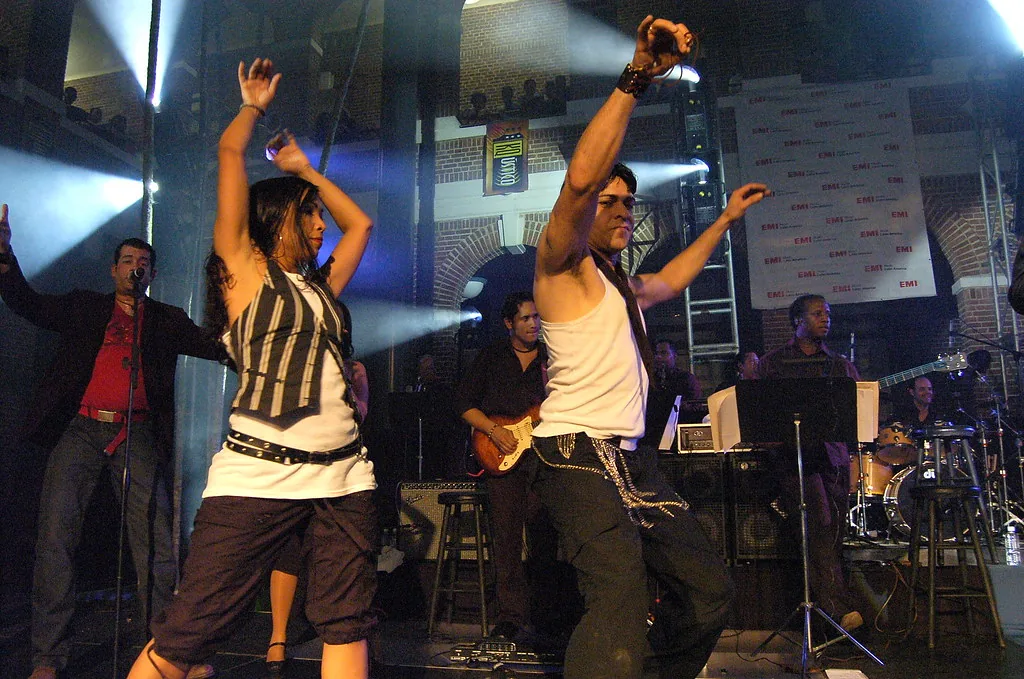
The “fresh” spirit values a welcoming attitude, resourcefulness and positive energy despite social difficulties.
Antiracism and diversity are reflected in groups, collaborations and local programs. They promote inclusion and recognition of differences.
Nonviolence moves conflict into the artistic arena: verbal contests, dance competitions and visual murals replace physical confrontation.
Together, these principles have a real effect on young people’s social development. They build connections, provide outlets for expression and establish culture as a tool for mediation.
Examples and symbolic sanctions
- Mixed-group workshops at cultural centers, supported by local associations.
- Symbolic sanction: social exclusion or loss of credibility for anyone who shows disrespect.
- Mediation through art: school projects and jams as alternatives to urban conflict.
Social and cultural codes: crews, battles, scenes and “authenticity”
Stage contests bring artists together around questions of technique, territory and symbolism.
Battles are structured rituals descended from African American verbal contests. They pit styles and techniques against one another within an agreed framework. Formats vary: dance battles, open-mic events and beat battles. Each has rules for timing, judging and respect.
Egotrip offers a way to express excellence. It values symbolic competition, controlled provocation and displays of superiority.
An ethic of virtuosity demands work, practice, precision and inventiveness. Repetition and improvisation build mastery.
Groups manage themselves, organizing events, pooling resources and running venues. Neighborhoods and local scenes provide a basis for belonging and legitimacy.
Signs of recognition include crew names, graphic signatures, choreographed routines and DJ sets. Artists build relationships with audiences through call and response and immediate reactions.
“Concerts create a shared world where legitimacy is earned onstage.”
| Aspect | Function | Example |
|---|---|---|
| Battles | Competitive ritual | Open mic, dance, beat battle |
| Crews | Self-management | Organization, collective funding |
| Neighborhoods | Basis for belonging | Local scenes, rehearsal spaces |
| Recognition | Identity markers | Tag, name, routine, DJ set |
Hip-hop language: voices, lyrics, gestures and images
Street language combines voices, gestures and visual signs to forge a collective identity. Slang and verlan, a French form of wordplay that reverses syllables, serve as poetic tools. They turn lyrics into markers of belonging.
Slang, verlan and verbal invention
Lyrics draw on rhyme, double meanings and shared memories. Words help people recognize one another and critique society.
Visual art and movement: signs on walls and stages
Graffiti writes on the city: lettering, colors and locations carry public messages. Dance—toprock, footwork and powermoves—conveys status and skill.
The expressive power of the voice shapes rap expression: flows, vocal tones and timing create an artist’s stage identity. Young people adopt these elements to build connections.
Words, images, gestures and fashion combine into a form of expression across multiple media. Album covers, music videos and stage design extend the lyrics and the culture’s critical aesthetic.
Music production and techniques: from sampling to cutting
Working with sound, from samples to cuts, defines many essential tracks.
Turntablism, scratching and beat juggling
Turntablism refers to virtuosity on the turntables: using the crossfader, rhythmic patterns and rapid manipulation. Stage technique becomes an instrument.
Scratching, popularized by Grand Wizzard Theodore, creates textures and expressive accents within a track.
Beat juggling recombines breaks live to create new grooves. It is a powerful form of rhythmic improvisation.
Sampling, collage, drum machines and beatmaking
Sampling and collage have shaped production since the 1980s, as in the work of Grandmaster Flash. The TR-808 and Oberheim DMX helped define an enduring sound.
Beatmaking combines sampling, sound design, layering and arrangement. The MPC and, later, music-production software modernized these practices while retaining their foundational elements.
“The mixing desk turns fragments into a musical story.”
| Technique | Function | Example |
|---|---|---|
| Turntablism | Turntable virtuosity | Crossfader, rhythmic patterns |
| Scratching | Texture and expression | Grand Wizzard Theodore |
| Sampling / collage | Creating tracks | Wheels of Steel (historical example) |
| Drum machines | Rhythmic character | TR-808, Oberheim DMX |
Copyright questions surrounding samples have constrained creativity and influenced the form of productions. For an educational account, consult the educational overview.
Subgenres, styles and scenes: hip-hop’s many forms
The contemporary landscape can be mapped by distinguishing subgenres according to their musical and lyrical characteristics.

Mapping the main forms
Gangsta rap: street narratives, representations of violence and social criticism. Pioneers include Schoolly D, N.W.A, Ice-T, Ice Cube and Geto Boys. Their work established a body of narrative references in the 1980s and 1990s.
Jazz rap: jazz samples, laid-back grooves and introspective lyrics. De La Soul and A Tribe Called Quest embody this bridge between improvisation and rap.
Cloud rap and trap: cloud rap favors ethereal textures and reverb, while trap features saturated 808s and triplet hi-hats. Both styles show how production transforms the substance of a track.
Experimental forms and hybrids
Less mainstream movements experiment with glitch, psychedelia and blends with electronic music. These practices encourage crossovers with R&B, rock and pop.
Regional scenes—in France and elsewhere—act as incubators. Pioneering artists and groups establish conventions that spread worldwide through digital platforms.
Conclusion: the variety of styles shows the movement’s ability to adapt to technology and social change over recent decades.
Rap, society and education: roles, relationships and effects
Rap can help people rebuild their lives and pursue collective empowerment. It gives a voice to those who lack one and offers a form of informal education. Desvérités and Green describe this practice as restorative.
Rap as a restorative activity and a means of learning
Its educational role is evident in work, curiosity and effort. Workshops teach writing, critical reading and project management.
The work ethic and pursuit of virtuosity championed by artists such as Fabe and Assassin value education and the development of skills.
Citizenship, public space and institutions
Rap demands recognition and equality. It occupies public space through concerts, workshops and cultural initiatives.
Relationships with institutions involve both cooperation and tension. Local projects negotiate funding and rules while preserving their autonomy.
Restorative effects: self-esteem, a sense of the future and creative discipline. These effects can sometimes reduce violence by offering paths to achievement.
| Aspect | Function | Example |
|---|---|---|
| Education | Informal learning | Writing workshops, neighborhood studios |
| Citizenship | Public recognition | Performances, debates, civic initiatives |
| Passing on knowledge | History and vocabulary | Training, mentors, archives |
Young people find ways to express themselves and form connections through hip-hop. Audiences participate, identify with the artists and create meaning alongside them.
“Rap turns the street into a place of learning.”
Generational conflicts and passing on traditions: old school and new school
Tensions between generations reshape urban dance and its hierarchies.
Two viewpoints often clash: pioneers champion carefully developed choreography intended for stages and institutions. Battle enthusiasts favor performance, technique and spontaneity.
These debates concern cultural legitimacy. Recognition, funding and programming sometimes favor staged work over street spontaneity.
Social and historical questions
Differences also reflect social backgrounds: young people from working-class neighborhoods, collective practices and informal learning. Disputes concern who originated particular techniques and the “history” of styles.
Onstage, judging panels, teaching methods and event programs adapt. Tensions fuel innovation and prompt people to rethink the forms.
| Issue | Old school | New school / battles |
|---|---|---|
| Priority | Choreographic creation | Technique and performance |
| Legitimacy | Institutions, festivals | Street credibility, competitions |
| Passing on knowledge | Workshops, archives | Crews, jams, mentors |
Today, many artists and rappers combine tradition with contemporary approaches. Crews’ activities show their ability to adapt: archives, residencies and joint projects open spaces for dialogue and collective creation.
Media, industry and “success”: radio, awards and economics
Radio turned street voices into artists with public careers.
Airplay helped rap move from local scenes to national audiences. Radio stations gave early exposure to tracks made for the street. They shaped how audiences discovered singles.
From street to radio: distribution, audiences and the “scene”
Programmers selected singles that could bring listeners together. Radio play increased exposure and gave audiences regular opportunities to hear artists. Festivals and rankings sometimes raised artists’ profiles further.
Major labels, albums, tracks and artists’ strategies
Les Victoires de la musique have contributed to official recognition in France since 1985. For artists who came up through grassroots scenes, they represent symbolic success.
Business models include major labels, independent labels, digital distribution and licensing music for films or advertisements. Teams plan album releases around standout tracks and radio singles.
| Participant | Role | Goal |
|---|---|---|
| Radio | Airplay | Track visibility |
| Major label | Promotion | Album sales, contracts |
| Independent label | Flexibility | Community and niche market |
| Platforms | Performance metrics | Streams as a measure of commercial success |
Groups and artists develop labels, brands and partnerships. Streaming figures now influence how tracks are built. This commercial pressure coexists with creative choices intended to preserve authenticity.
“The industry provides tools; artists decide how to use them.”
Identity, neighborhoods and the world: origins, names and ways of life
In housing estates, particularly in Saint-Denis, Sarcelles and Marseille, the street shapes paths of creativity and mutual aid.
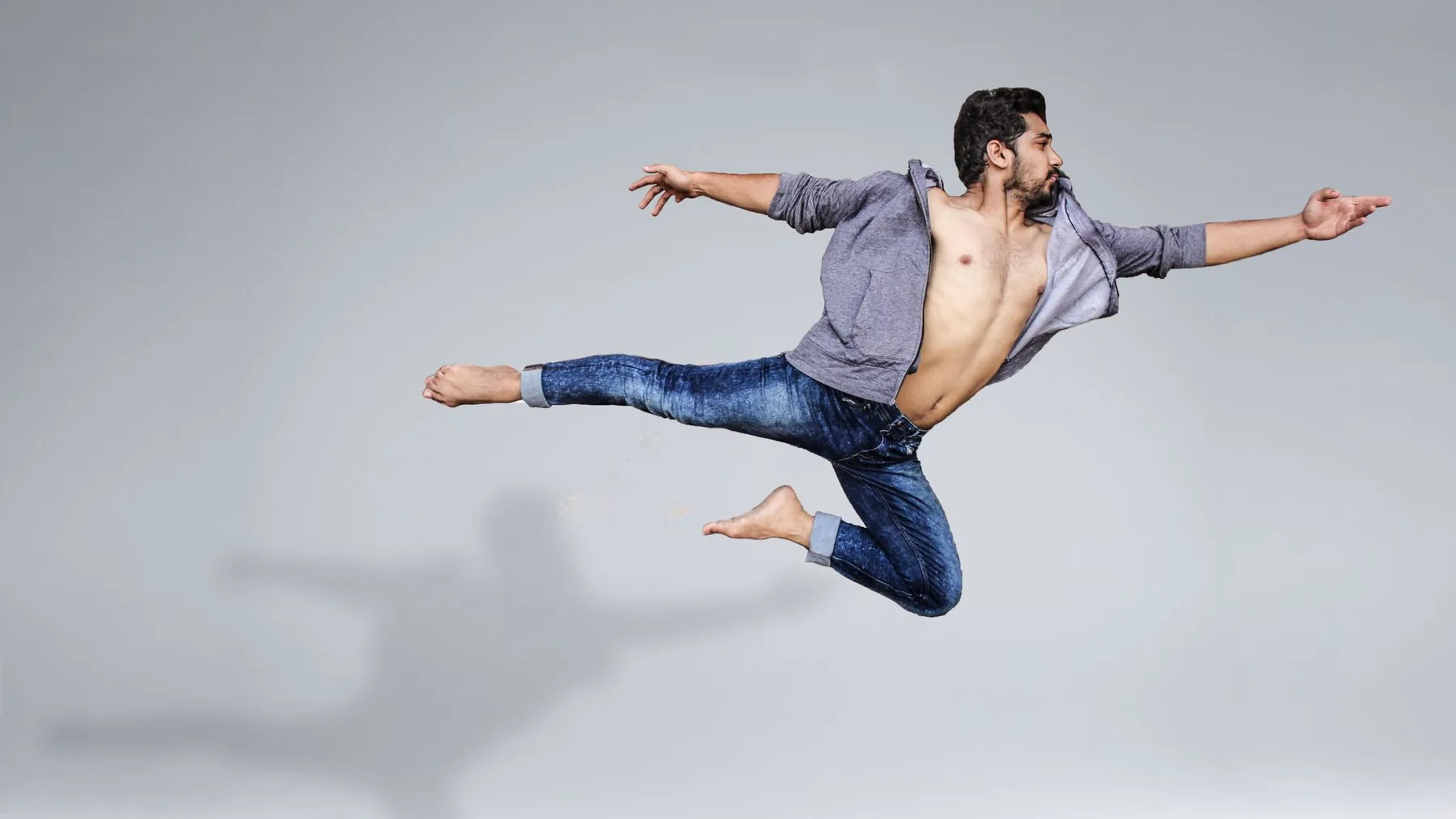
Neighborhoods, the “street” and universal values: a culture where worlds meet
Neighborhoods provide places to learn: exchanges, jams and rehearsals build skills and solidarity.
The street is both a source of memory and a stage. It feeds an image of the suburbs embraced as both an origin and a resource.
Stage names, style, fashion and self-expression
Choosing a name protects an artist’s private life while establishing a public identity. Stage names are storytelling tools.
Fashion and style extend the message. Looks, logos and graphic signatures form a shared symbolic economy.
“Identity finds expression onstage, in the studio and in urban space.”
| Element | Function | Example |
|---|---|---|
| Neighborhoods | Passing on social knowledge | Saint-Denis, Sarcelles, Marseille |
| Stage name | Protection and self-expression | Stage names, crew names |
| Fashion | Visual message | Looks, logos, signatures |
As styles circulate and people exchange ideas, hip-hop spreads around the world. This meeting of local and global influences sustains an open, supportive culture.
For resources on creativity and artistic practices, explore the artistic creation advice.
France, rappers and groups: lyrics, tracks and integrity
The French scene developed around a work ethic and a commitment to artistic integrity.
Work guides the writing of lyrics and the production of tracks. The maxim “Work hard to improve” sums up this discipline.
Success combines material rewards with recognition. Many refuse to sacrifice authenticity for profit. Respect remains their guide.
The role of groups and rappers in the French scene
Groups such as NTM, IAM, Ministère AMER, Fonky Family and Assassin created networks and stylistic schools. Their influential early albums helped build audiences.
A group protects, trains and promotes its artists. Rappers, regardless of gender, become voices for their neighborhoods and help pass traditions between generations.
“The craft demands work, consistency and loyalty to one’s roots.”
| Element | Function | Example |
|---|---|---|
| Work | Quality of lyrics and beats | Studio sessions, rehearsals |
| Groups | Networks and learning | Regional collectives |
| Professional development | Labels, career management | Album release, tour |
Conclusion
Hip-hop’s modest origins gave rise to an influential practice spanning several disciplines.
Hip-hop’s history runs from the Bronx to stages around the world. It rests on five complementary disciplines: rap, DJing, breakdancing, graffiti and beatboxing. These forms inspire one another and generate major technical and stylistic innovations.
Hip-hop plays a social and educational role through teaching, workshops and recognition in public life. Balancing commercial success with artistic integrity remains a central challenge.
To continue your research and explore the archives, see this academic resource. Curious while respecting the movement’s heritage, new generations deserve support and recognition.