
Every artist needs to find their own style to stand out. This takes practice and experimentation. You need to explore different techniques and draw inspiration from many places.
Painting requires patience, persistence, and passion. Painting for even an hour a day can stimulate your creativity. Setting goals, such as finishing one canvas each week, helps you improve.
Sharing your art and drawing inspiration from other artists are essential. Taking classes and investing in good materials can help you refine your style. In time, you can become a professional artist with a unique style.
The Foundations of a Personal Artistic Style
Developing a personal artistic style takes time and patience. It is a form of artistic expression that reflects who you are. To develop it, you need to understand the foundations of artistic style.
The search for your style is a journey of personal growth. You will discover what you enjoy and what you do well. It requires you to stay true to yourself and keep improving.
What Is an Artistic Style?
An artistic style is what makes an artist’s work distinctive. It can be seen in composition, colors, shapes, and textures.
Why Developing Your Signature Matters
Developing your signature is essential to establishing a personal artistic style. It helps you stand out and create distinctive works.
The Elements of a Unique Style
A unique style grows through artistic development, artistic expression, and personal growth. These elements need to work together to create an authentic style. For more information, visit the website of the experts in artistic creation.
Exploring Different Painting Techniques
Learning to paint requires exploration and practice. Artists develop their style by trying different techniques. Artistic exploration helps them find the techniques that suit them best.
Painting techniques fall into two categories: water-based and oil-based. Water-based techniques include watercolor and gouache. Oil-painting techniques include scumbling and glazing. To learn more, visit Galerie CXE.
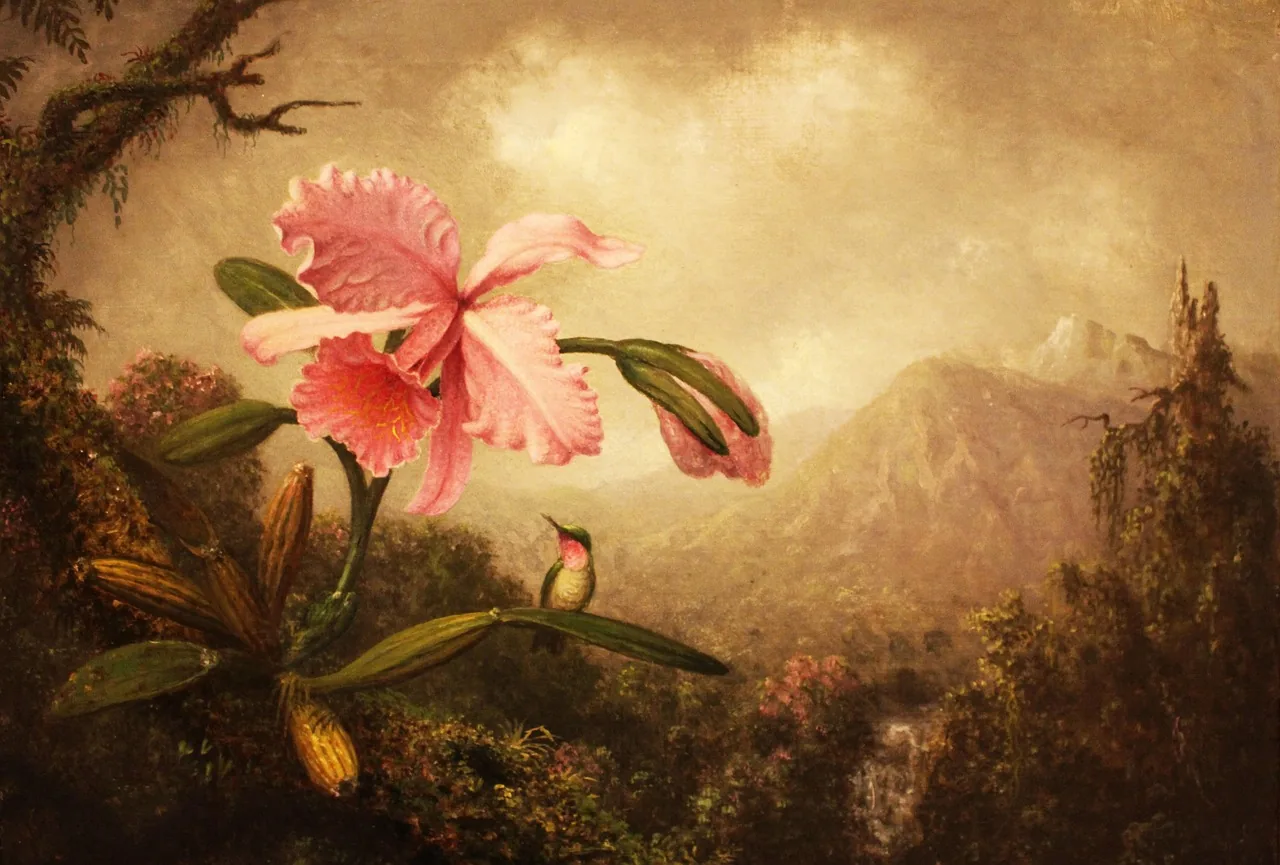
Acrylic paint can produce distinctive effects. Artists use techniques such as impasto to develop their style. Learning to paint takes patience and practice.
Artists use a variety of materials to create distinctive textures. Brushes and palette knives are among their tools. Artistic exploration is an ongoing process.
Ultimately, learning to paint and exploring techniques are essential. Artists need to be willing to experiment and take risks. With practice, they can create distinctive works.
How the Great Masters Can Influence Your Development
The great masters of painting have always inspired artists. Their work shows effective techniques and artistic choices. Studying it can help you develop your sense of artistic expression.
Here is how the great masters can influence your development:
- Your personal growth as an artist, as you learn from their experiences and mistakes.
- Your creative inspiration, as you study their works and techniques.
- Your artistic expression, as you develop your own style and voice.
By studying the great masters, you gain new skills. You develop a unique style. This helps you stand out and create distinctive works.
| Great master | Technique | Influence |
|---|---|---|
| Leonardo da Vinci | Oil painting | Development of perspective and light |
| Michelangelo | Sculpture | Creation of shapes and volumes |
| Raphael | Fresco painting | Development of composition and color |
Finding Your Personal Color Palette
Creating a personal color palette is essential to your artistic style. First, you need to understand color theory. This will help you choose colors that suit your style and subject.
A well-chosen palette can evoke emotions. It creates a particular atmosphere in your work. Select primary, secondary, and tertiary colors that complement one another. Your color signature will reflect your unique style.
Understanding Color Theory
Color theory is based on the color wheel. The wheel shows how colors relate to one another. Understanding these relationships can help you create rich color harmonies.
Creating Unique Color Combinations
Experiment with different color combinations to create distinctive pairings. Use tools such as color wheels or software to find combinations that work well.
Developing a Color Signature
A color signature is an essential part of your style. Choose colors that inspire you and reflect your personality. This creates consistency and makes your work more recognizable.
| Color | Color combination | Color signature |
|---|---|---|
| Red | Green, yellow | Energy, passion |
| Blue | Orange, purple | Calm, serenity |
| Yellow | Red, green | Joy, optimism |
How to Develop Your Own Painting Style in 5 Essential Steps
To create your artistic style, you need to learn about and try different painting techniques. Start by exploring watercolor, acrylics, and oil painting. You can find more information about these techniques here.
Here are 5 key steps to developing your own painting style:
- Explore different painting techniques
- Understand color theory and create unique color combinations
- Develop a color signature and a personal approach
- Experiment with different materials and tools
- Practice regularly and document your progress
By following these steps and drawing on artistic influences, you can develop your own artistic style. You will create distinctive works that reflect your artistic creativity.
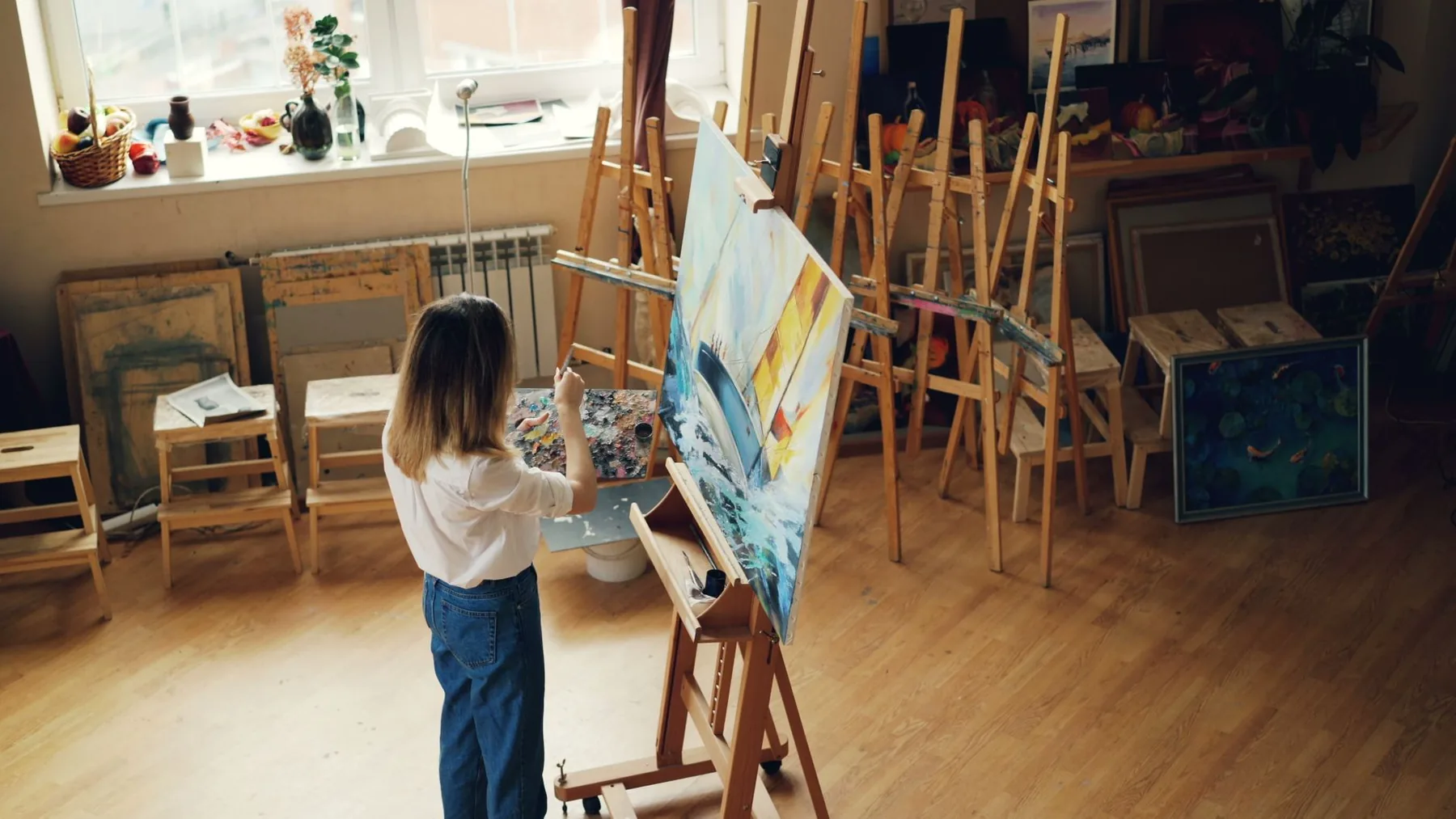
Experimentation and Regular Practice
Painting regularly helps you develop your style. Spending even a few minutes painting each day will stimulate your creativity. You will also see your painting develop considerably.
Trying new techniques and materials is just as important. It helps you think differently and become more creative.
Here is how to build a painting routine:
- Paint a little each day or each week.
- Try different techniques and materials, such as acrylics, oils, and watercolors.
- Take classes or attend workshops to learn faster.
- Keep an idea journal or inspiration board to sustain your creativity.
Following these tips will help you improve your painting. Experimentation and practice are essential to making progress.
| Technique | Advantages |
|---|---|
| Acrylic painting | Fast drying, easy to use |
| Oil painting | Rich colors, durability |
| Watercolor painting | Transparency, delicacy |
The Role of Feedback in Artistic Development
Feedback is essential for artists. It helps them reflect on their work and identify what they can improve. By using feedback, they can refine their style and technique. This helps them grow as artists.
Artists can ask for comments through questionnaires or interviews. This feedback helps them see what works well and what needs improvement. For example, sharing work online can bring quick responses. This helps them improve their work without waiting.
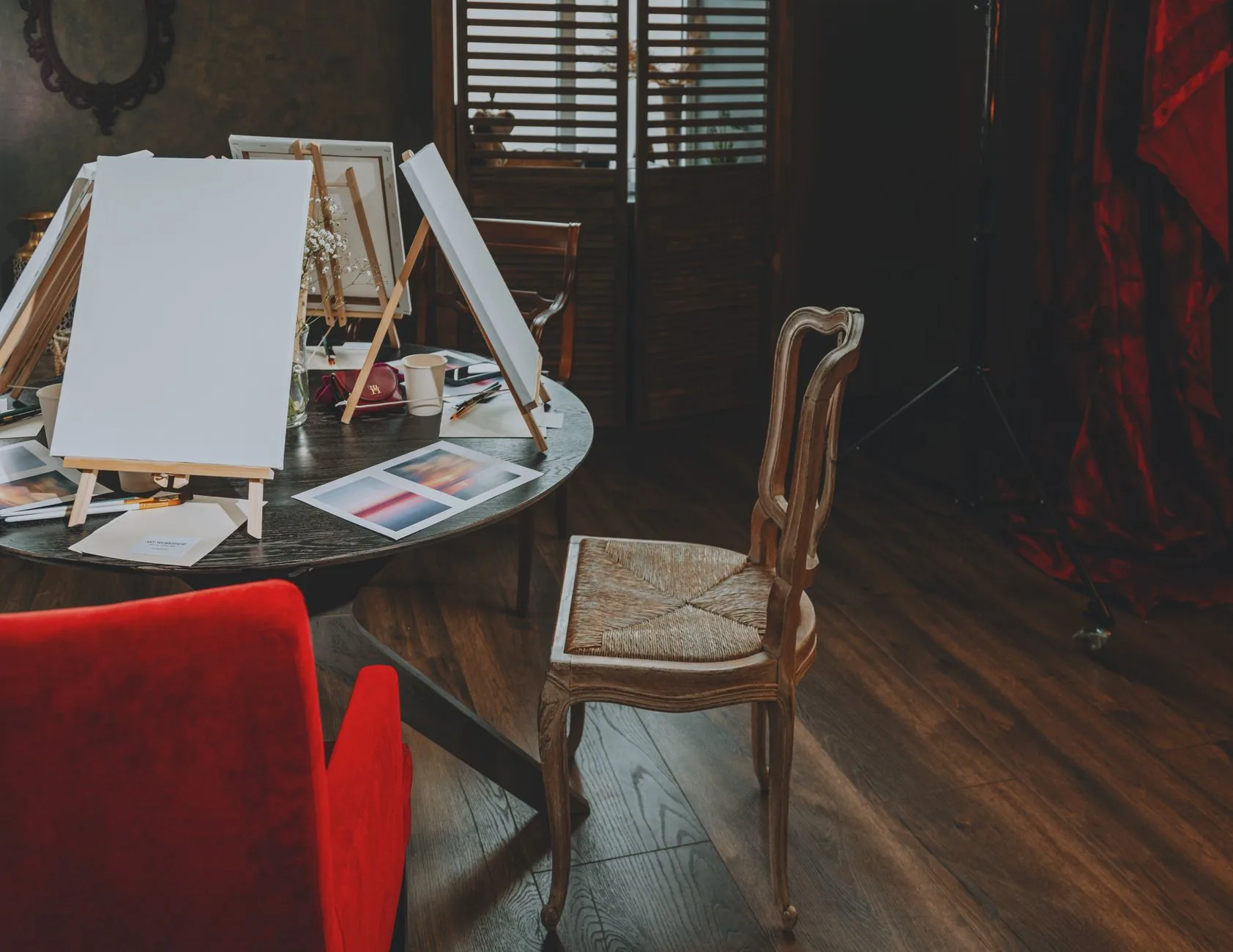
In short, feedback is essential for artists. It helps them reflect on their work and refine their style. By using it, they can grow as artists and improve their work.
| Steps | Actions | Results |
|---|---|---|
| 1. Gather feedback | Use online feedback tools | Get valuable responses to your work |
| 2. Analyze feedback | Identify trends and recurring patterns | Develop your style and technique |
| 3. Apply feedback | Use comments to improve your work | Achieve significant artistic development |
Conclusion: Establishing and Evolving Your Style
You have followed key steps to develop your artistic style in painting. This process never ends. Your artistic expression will grow richer with new skills and inspiration.
Artistic creation is a lifelong journey. Each work brings you closer to your unique signature.
Keep trying new things and taking risks. Observe your progress and listen to others’ opinions. With determination and passion, your artistic style will become more assured. It will better reflect your creative personality.