
Architecture and music have long enjoyed a close relationship. Their meeting allows us to explore how buildings can “sing” through an artistic fusion of music and architecture. This convergence creates unique multisensory experiences that awaken musical emotions through architecture.
Through sound design techniques and architectural harmony, architects seek to create buildings that interact harmoniously with sound and offer a true multisensory experience. In this artistic fusion, music and architecture come together to create spaces that awaken musical emotions in their occupants, offering them an immersive and transformative experience.
The meeting of music and architecture opens up new possibilities and allows architects to explore other forms of artistic expression. Architectural acoustics becomes a key element in creating spaces where music can be fully appreciated. Musical architecture goes beyond the traditional boundaries of architectural design by incorporating music and creating buildings that inspire and stir the musical emotions of those who inhabit them.
The relationship between music and architecture
The relationship between music and architecture dates back to antiquity, when harmonic proportions were used to determine the dimensions of buildings and the relationships between their spaces. Architects and composers share concepts such as harmonic proportions, musical composition, layered thinking and improvisation in their creative processes. Analytical models have also been developed to understand and make use of these relationships, enabling architects to draw on musical creativity in their own work.
Harmonic proportions play an essential role in architecture as well as in musical composition. Based on mathematical ratios, they can create visual harmony in buildings, much as musical harmony does for the ear. Architects use them to design balanced, coherent spaces where every element has its place.
Layered thinking is another aspect of the relationship between music and architecture. Just as composers combine different musical layers to create a complex composition, architects use layered thinking to design buildings that bring multiple elements and functions together into a harmonious whole.
Improvisation is another point of connection between music and architecture. Musicians improvise during performances, and architects can also improvise during the design process. This spontaneity allows them to explore new ideas and push the boundaries of architectural creativity.
Analytical models of the relationship between music and architecture
Various analytical models have been developed to better understand the relationship between music and architecture. They help explore the similarities and mutual influences between the two disciplines.
| Analytical model | Description |
|---|---|
| Theory of harmonic proportions | Used to determine building dimensions and proportions through harmonious mathematical ratios. |
| Theory of musical composition | Explores principles of musical creation, such as structure, rhythm and harmony, and applies them to architectural design. |
| Layered thinking | Like a composer combining different layers of sound, an architect brings multiple elements and functions into a design, creating a complex spatial composition. |
| Improvisation | Architects can draw inspiration from musical improvisation to explore new ideas and push the boundaries of architectural creativity. |
These analytical models help architects understand fundamental musical principles and apply them to architecture to create harmonious, expressive buildings.
The influence of music on European architectural thought
In European architectural thought, music has played an important role as a tool for measurement and composition. Harmonic proportions, discussed by Vitruvius in his writings on architecture, strongly influenced building design in the classical period. This close relationship between music and architecture shaped the artistic approach and vision of the architects of the time.
Classical architects drew inspiration from musical harmony to create buildings that reflected music’s beauty and balance. These harmonic proportions, which included geometric ratios such as the golden ratio, were used to determine the dimensions of architectural structures and the relationships between their spaces.
The work of Le Corbusier, an influential modernist architect, provides another example of music’s influence on European architectural thought. He developed his own system of proportions, called the Modulor, inspired by principles of musical harmony. The Modulor was a harmonic measuring scale that allowed Le Corbusier to design buildings according to proportions based on the relationship between the human body and music.
Through this musical influence, classical European architecture achieved a remarkable degree of harmony and beauty. Applying harmonic proportions and musical principles helped create buildings that were both functional and visually appealing.
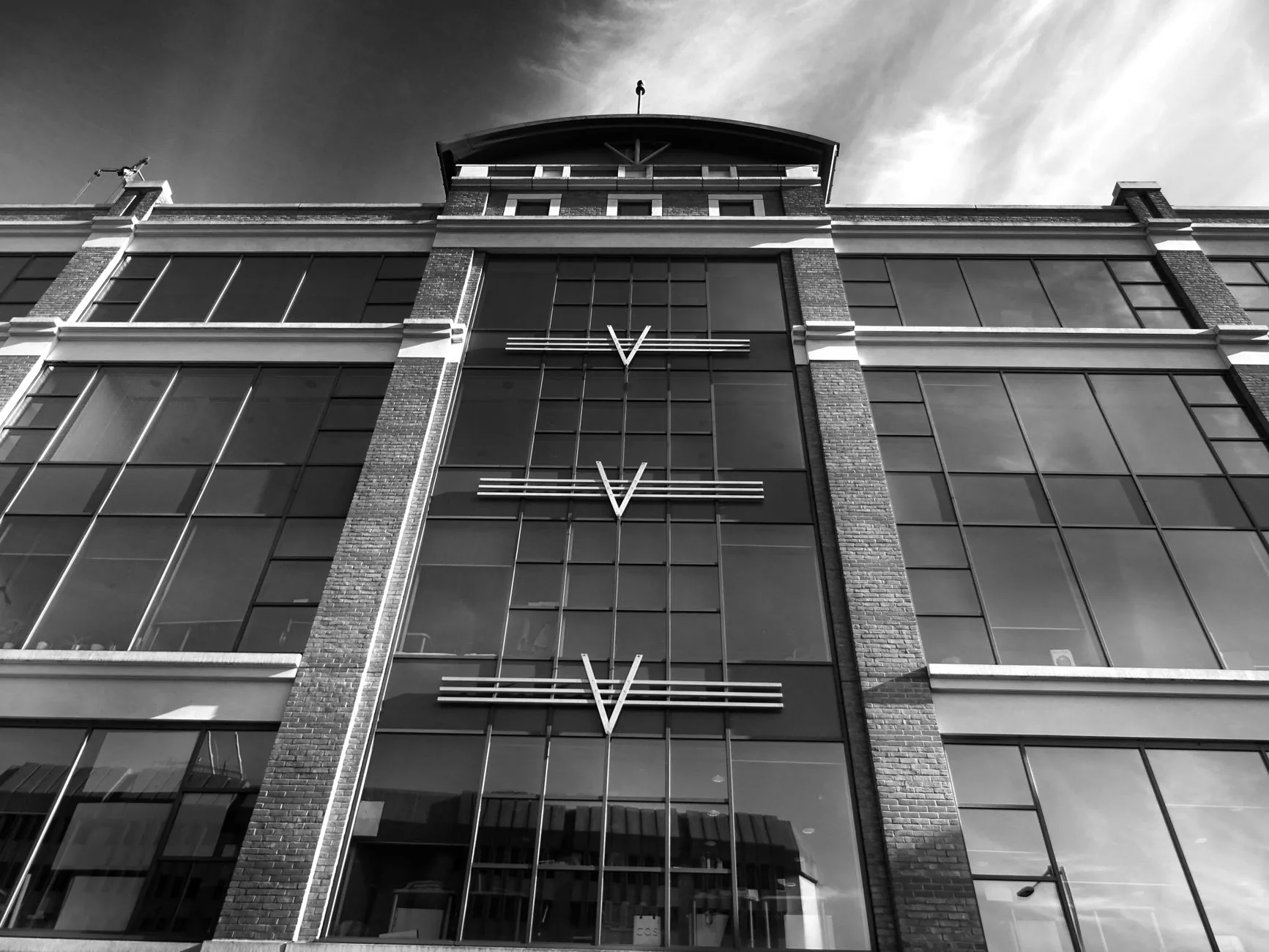
The figure above illustrates the use of harmonic proportions in architectural design.
Music and architecture: new approaches
Modern architects are pushing beyond traditional thinking about architectural composition and plans. They adopt innovative approaches to building design, taking human relationships and urban architecture into account. They see the city as a complex network of relationships and incorporate historical fragments into their creations. This creative thinking and layered approach opens up new possibilities and encourages the exploration of improvisation and the creation of topological spaces.
Architects do more than construct buildings: they create places where human relationships can flourish.
The Team Ten movement, formed in the 1950s by a group of visionary architects, illustrates this approach. Its members challenged the architectural conventions of their time and proposed a more human approach to architecture. They saw architecture as a way to encourage interaction and exchange between people. Their urban designs emphasized creative thinking and human relationships.
Improvisation is another aspect of this new approach. Architects experiment with new ideas and push the limits of their knowledge. They create spaces that allow people to express themselves and grow while exploring new concepts. This approach encourages creativity and collaboration among the people involved in the architectural process.
Topological spaces also have an important place in this innovative approach. Architects seek to create spaces that capture the imagination and evoke emotions in the people who use them. These spaces transcend their physical dimensions to offer unique sensory and aesthetic experiences. Their combination of shapes, colors and materials stimulates the imagination and invites contemplation.
Project example: Notre-Dame de Chartres Cathedral
Notre-Dame de Chartres Cathedral is an emblematic example of the innovative approach of medieval architects. This Gothic cathedral, built in the 12th century, incorporates varied and complex architectural and artistic elements. Its architects created a unique space that harmoniously combines architecture, sculpture and stained glass to offer visitors a multisensory experience.
Notre-Dame de Chartres Cathedral is an architectural and artistic symphony that delights the senses and inspires creative thought.
The combination of Gothic elements such as soaring vaults, flying buttresses and colorful stained glass creates a mystical, introspective atmosphere. Harmonious proportions and the play of light make this a unique space that invites contemplation and reflection.
| Approach | Characteristics |
|---|---|
| Creative thinking | Integration of different artistic and architectural elements |
| Human relationships | Creation of a space that encourages social interaction and spirituality |
| Urban architecture | Harmonious integration of the cathedral into the urban fabric of Chartres |
| Improvisation | Adaptation over time through the addition of new architectural elements |
| Topological spaces | A unique sensory experience through the combination of shapes, materials and colors |
Sound design and architectural harmony
Sound design and architectural acoustics play an essential role in creating multisensory experiences within musical architecture. Architects use sound design techniques to integrate sound harmoniously into architectural space and create expressive relationships between sound and buildings. Virtual acoustics also offers new possibilities for creating immersive, personalized sound environments in which every sonic detail can be adjusted to produce a unique experience.
Harmoniously integrating sound into architectural space
In musical architecture, sound design aims to create an artistic fusion of music and architecture. Architects use architectural acoustics techniques to design spaces where sound and buildings interact harmoniously. They work with surfaces, materials and forms to control sound reflection, diffusion and absorption, creating unique and expressive sound environments.
“Sound design is an architectural composition in its own right, using sound as a building material to shape space.”
The aim is to create an immersive experience in which sound moves coherently and naturally through the space, surrounds its occupants and awakens their musical emotions. A balance between acoustics and aesthetics is essential to offering an authentic, captivating musical experience.
Virtual acoustics for immersive sound environments
Virtual acoustics is an innovative approach that makes it possible to create immersive, personalized sound environments. Advanced audio technologies can simulate realistic sound environments and offer a unique musical experience to each building occupant. Whether recreating the atmosphere of a prestigious concert hall or immersing someone in a virtual soundscape, virtual acoustics offers new ways to push the boundaries of musical architecture.
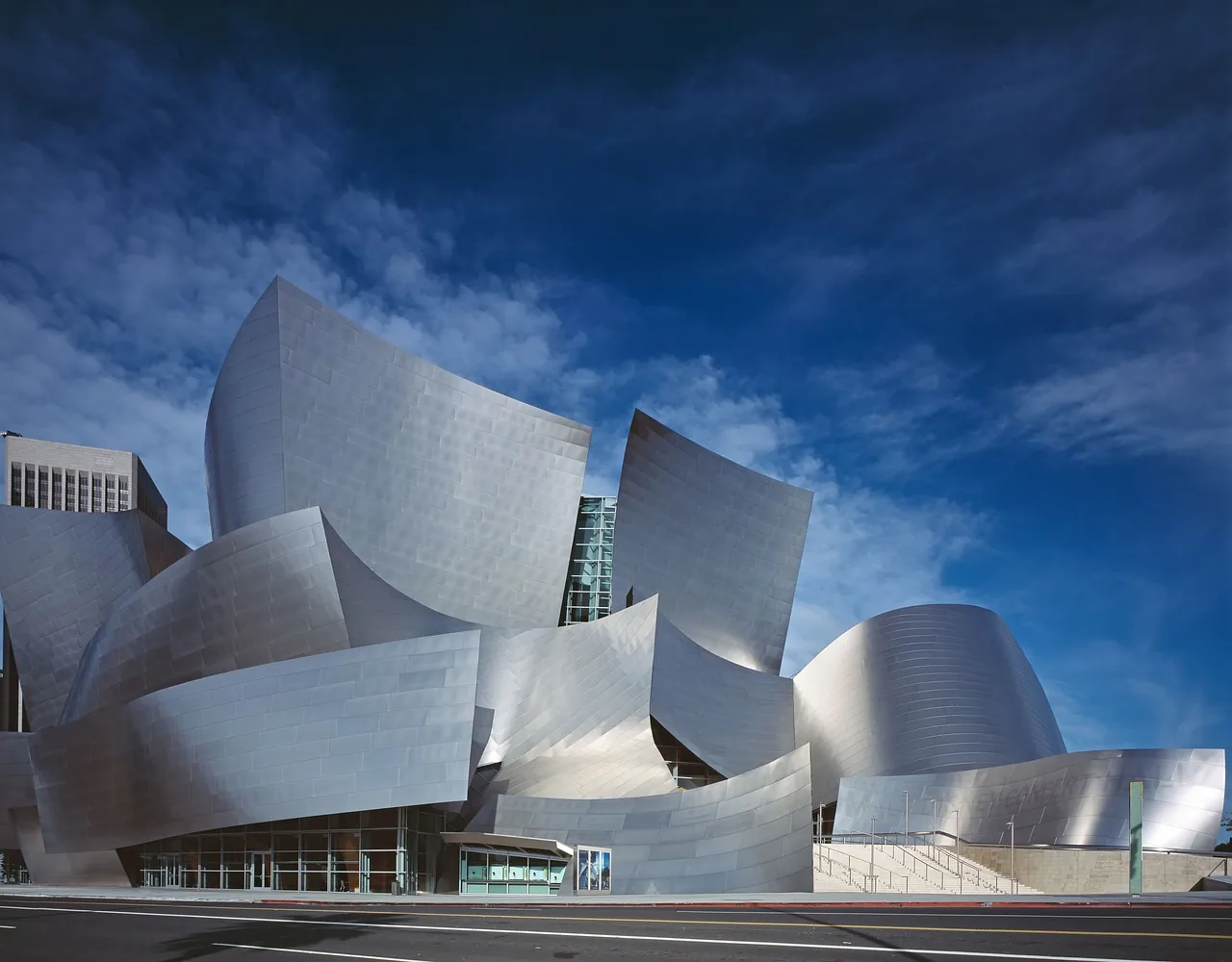
Sound design and architectural harmony are key elements of musical architecture: they make it possible to create unforgettable multisensory experiences. By harmoniously integrating sound into architectural space and exploring the possibilities of virtual acoustics, architects open up new ways to create buildings that “sing” and evoke musical emotions in their occupants.
Multisensory experiences in architecture
Musical architecture aims to create unique multisensory experiences in which buildings become “singers.” Architects seek to combine music and architecture to create spaces that evoke musical emotions in their occupants. Techniques such as interaction between sound and buildings and sonic immersion make it possible to create environments in which music and architecture complement each other.
Interaction between sound and buildings
The key to multisensory experiences in architecture lies in the interaction between sound and buildings. Architects use sonic elements such as music, vibrations and ambient sounds to create an immersive atmosphere. These elements are harmoniously integrated into architectural space, offering a sound experience in harmony with the built environment.
Immersive experience
- Immersion is a key element of musical architecture. By creating enveloping sound environments, architects transport occupants to another world and stimulate their emotions and imagination.
- Through techniques such as sound spatialization and multidirectional sound distribution, architects can create an immersive sound experience that strengthens the artistic fusion of music and architecture.
“When music and architecture meet, they create an experience that goes beyond what we can merely see or hear. It is an experience that stirs the soul.” — Renowned architect.
Musical architecture makes it possible to experience musical emotions in an architectural setting. This artistic fusion transcends the boundaries between the two disciplines and offers building occupants a unique, captivating experience.
| Benefits of musical architecture | Examples |
|---|---|
| Artistic fusion of music and architecture | Buildings with interactive façades that respond to sound and music |
| Stimulation of musical emotions | A concert hall designed to provide optimal acoustics for musical performances |
| Immersive experience | A sound art installation in a contemporary art museum |
Conclusion
Musical architecture represents a synthesis of music and architecture. It creates unique multisensory experiences that awaken musical emotions in building occupants. Through sound design techniques and architectural harmony, architects seek to bring these two arts together to create expressive, harmonious spaces. This artistic fusion transcends the traditional boundaries of architecture and music and opens up new possibilities for artistic expression.
Through musical architecture, building occupants can have an immersive experience in which music and architecture complement each other. Architectural spaces become places for musical expression that evoke emotions and reactions. This fusion of the senses creates a powerful multisensory experience that captivates the mind and soul.
Musical architecture opens up new possibilities for architects and composers. It allows them to explore the synthesis of music and architecture creatively and innovatively. This approach encourages the search for harmonious, expressive solutions in which buildings become musical instruments in their own right. Musical architecture thus offers a unique experience in which the fusion of the arts crosses conventional boundaries and gives rise to new forms of artistic expression.
FAQ
What is musical architecture?
Musical architecture is an artistic fusion of music and architecture that creates multisensory experiences in which buildings “sing” by awakening musical emotions in their occupants.
How are music and architecture connected?
Music and architecture are connected through concepts such as harmonic proportions, “layered” thinking and improvisation, which architects and composers use in their creative processes.
What role do harmonic proportions play in architecture?
Harmonic proportions have been used since antiquity to determine the dimensions of buildings and the relationships between their spaces, fostering architectural harmony inspired by music.
How has music influenced European architectural thought?
Music has served as a tool for measurement and composition in European architectural thought, particularly through harmonic proportions and the Modulor system created by Le Corbusier.
What are the new approaches to music and architecture?
Modern architects challenge traditional thinking by incorporating concepts such as “layered” thinking, the exploration of urban architecture and the creation of topological spaces.
What role does sound design play in musical architecture?
Sound design plays an essential role by harmoniously integrating sound into architectural space and creating expressive, immersive relationships between sound and buildings.
How does musical architecture create multisensory experiences?
Musical architecture combines music and architecture to create unique multisensory experiences in which buildings interact with sound and evoke musical emotions in their occupants.
Sources
- https://www.cambridge.org/core/journals/european-review/article/abs/music-architecture-proportion-and-the-renaissance-way-of-thinking/F1C8CE4A48ECBD1E6F5C313B1FE4583E
- https://www.arch.hku.hk/research_project/sounding-architecture-2/
- https://penelope.uchicago.edu/Thayer/E/Roman/Texts/Vitruvius/1%2A.html