
Oil paint and acrylic paint are very popular with artists. Oil paint is durable and produces vivid colors. Acrylic paint dries quickly and is easy to use. Choosing the right paint for your art project is important.
Acrylic paint dries in 15 minutes to an hour. Oil paint takes longer to dry. This difference affects the creative process and project planning.
Oil paints can yellow over time. Acrylics retain their vivid colors, even when exposed to light. This is an important consideration when preserving artwork.
Oil paint offers depth and a long working time. Acrylic paint costs less and dries quickly. Oil paints are more expensive, which can affect an artist’s budget.
It is therefore essential to choose the paint that best suits your needs and your project.
The fundamental differences between oil and acrylic paint
Choosing between oil and acrylic paint depends on several factors. The chemical composition and properties of each paint play an essential role. Oil paints contain pigments and oil. Acrylic paints are made with pigments and water. These differences affect drying time, appearance, and the final result.
Oil paints offer rich, vivid colors thanks to a high concentration of pigments. They also offer lasting quality. However, they take longer to dry, which can be a problem for artists in a hurry.
Chemical composition and properties
Acrylic paints dry faster and are highly versatile. They can be diluted with water, like watercolors. They resist water and emit few volatile organic compounds, making them suitable for indoor use.
By comparing oil and acrylic paints, artists can make a choice that suits their needs. Understanding the characteristics of each paint is important for creating quality artwork.
In short, oil and acrylic paints suit different art projects. Understanding their differences helps artists make informed choices. They can then express their vision and style in their own way.
Unique characteristics of oil paint
The oil painting technique produces vivid, lasting colors. It allows artists to create distinctive works. Oil paint dries slowly, helping artists work precisely.
Here are some advantages of oil paint:
- Ability to create intense, vivid colors
- Durability and resistance to deterioration
- Flexibility and the ability to make changes on the canvas
- Ability to create distinctive, personalized effects
Oil paint is a mixture of pigments and drying oil. It takes time to dry, from several weeks to several months. This gives artists time to work on details.
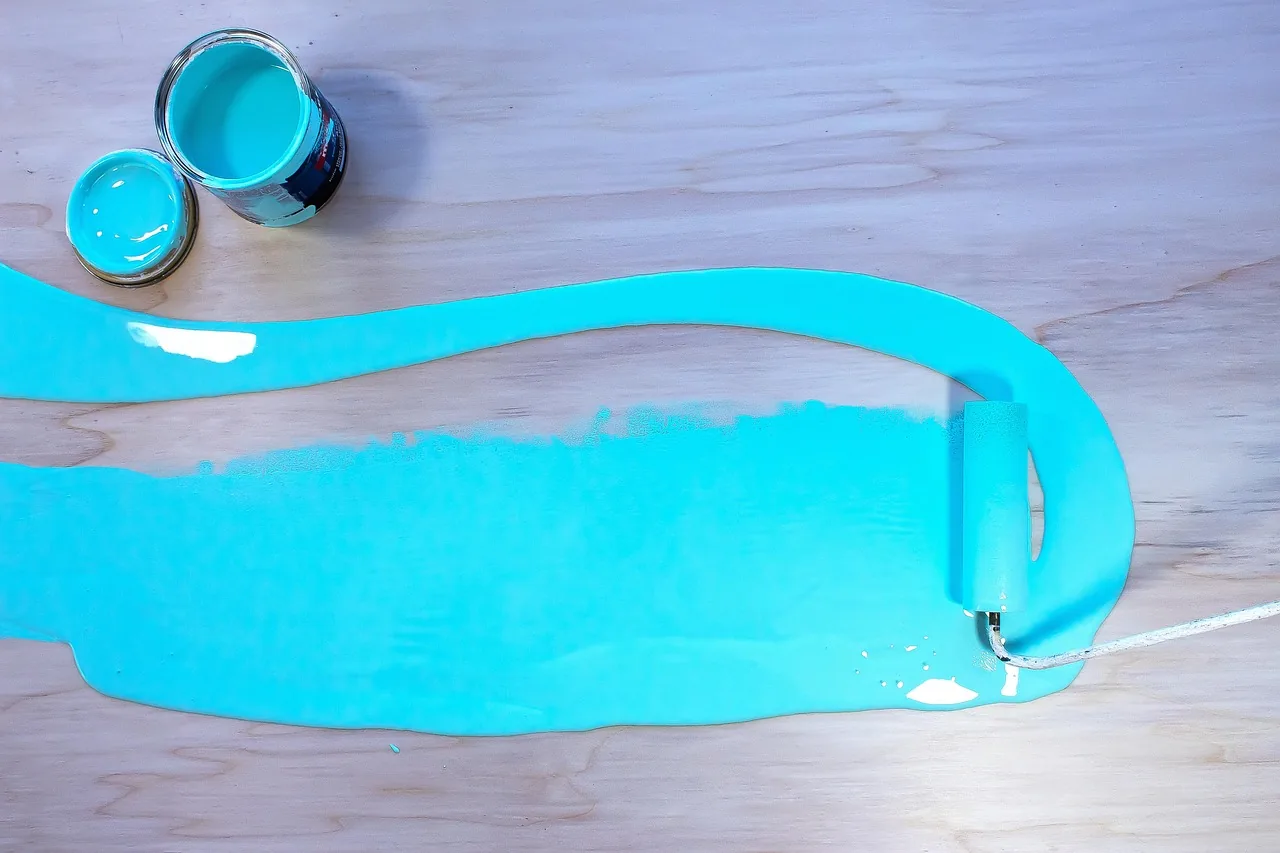
In short, oil paint offers considerable flexibility. Artists appreciate the possibilities it provides. Its many advantages allow them to create distinctive, personalized works.
| Characteristic | Description |
|---|---|
| Ability to create intense colors | Oil paint can produce rich, vivid colors |
| Durability | Oil paint resists deterioration and can last a long time |
| Flexibility | Oil paint can be reworked on the canvas to create distinctive effects |
The advantages and disadvantages of acrylic paint
Acrylic paint dries quickly and is easy to use. It therefore suits artists who want to paint quickly. The advantages of acrylic paint include its flexibility and good adhesion to various surfaces. For more information, visit this guide to oil and acrylic paint.
The strengths of the acrylic painting technique are:
- Fast drying
- Ease of use
- Flexibility and adhesion to different surfaces
Acrylic paint also has limitations. There is little time to work with it, and the final appearance may be limiting. A comparison of oil and acrylic paint shows that oil paint offers more possibilities for color and dries more slowly. Acrylic paint, however, is less expensive and less toxic.
In conclusion, acrylic paint is ideal for artists who want to paint quickly and easily. However, its benefits and limitations should both be considered.
Materials and equipment needed for each technique
Oil and acrylic painting require specific tools and materials. For oil painting, natural-bristle brushes hold paint well. Solvents are also useful for cleaning brushes and thinning colors.
For acrylic painting, synthetic brushes are preferable. They withstand the paint’s chemicals better. Acrylic paint dries quickly, allowing layers to be added without waiting. Choosing brushes in different sizes and shapes is essential for creating varied effects.
Essential tools for oils
- Natural-bristle brushes
- Solvents for cleaning brushes and thinning colors
- Canvases or panels to paint on
Materials for acrylics
- Synthetic brushes
- Acrylic paints in different colors
- Various painting surfaces (paper, canvas, wood)
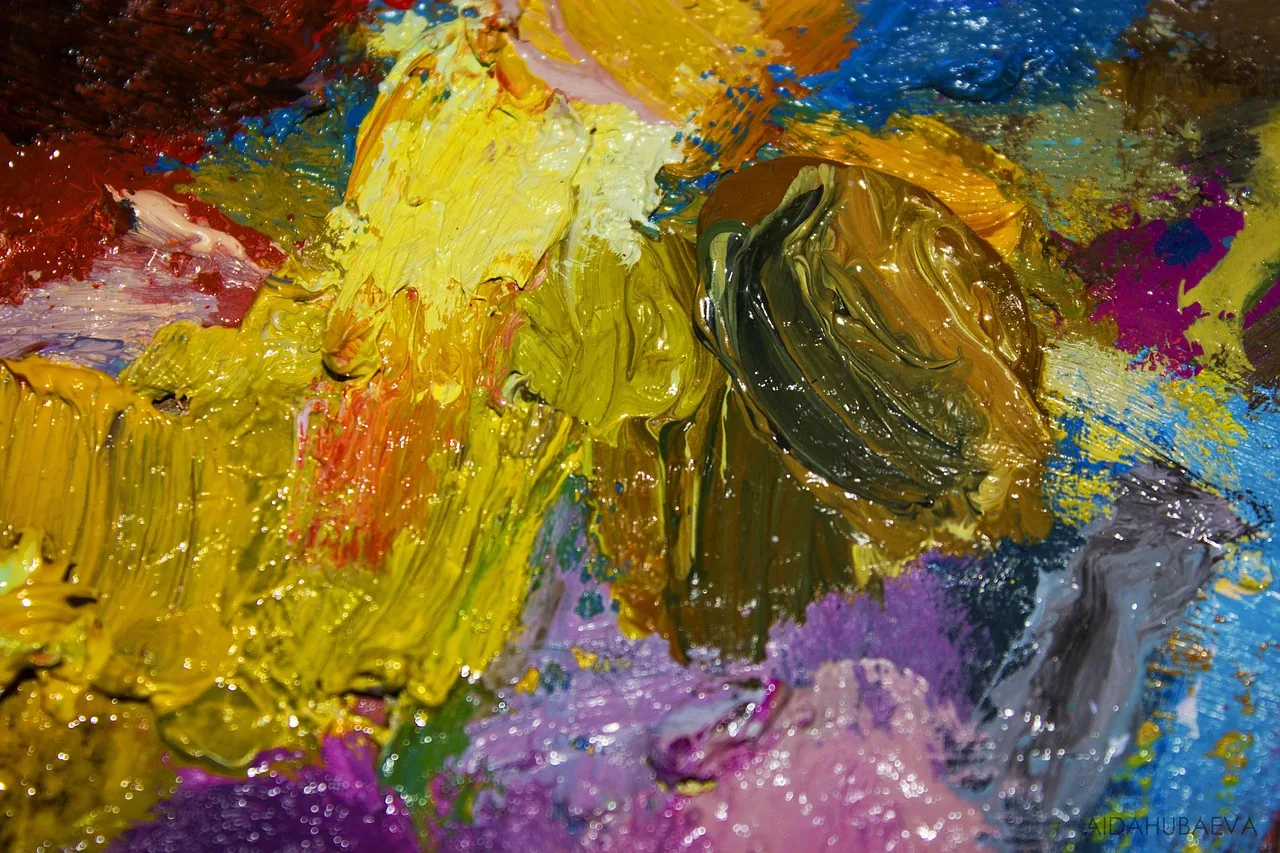
The oil painting technique requires considerable care, particularly in following the “fat over lean” rule. Acrylic paint is more economical and versatile for beginners. The choice of materials and equipment depends on the artist’s personal preferences.
Budget impact and practical considerations
Acrylic paint costs less than oil paint. It is therefore more accessible to artists and hobbyists. The cost of materials, such as brushes and solvents, should also be considered.
Here are some key points to consider:
- Material costs: acrylic painting requires fewer specialized materials than oil painting.
- Drying time: the acrylic painting technique allows paint to dry faster. This can reduce costs related to time and labor.
- Painting surface: the choice of surface can also affect the total cost of painting.
In summary, a comparison of oil and acrylic paint shows that acrylic paint is more affordable. It is also more versatile for many artists and hobbyists. By choosing an acrylic painting technique that suits your needs, you can create distinctive works at a lower cost.
Choosing according to your artistic style
The choice between oil and acrylic paint depends on your style. Oil paint is durable and offers a professional finish. It is well suited to complex works.
Acrylic paint is easy to use and dries quickly. It is ideal for people who like to work quickly and experiment. The difference between oils and acrylics plays a crucial role in the quality of the artwork.
Styles suited to oils
Oil paint works well for realistic styles, portraits, and landscapes. Its slow drying time allows artists to work on details for longer.
Techniques suited to acrylics
Acrylic paint suits abstract and expressive techniques, as well as collage. Its fast drying time makes it possible to create dynamic effects. For more information, visit conseil-creation-artistique.fr.
Conclusion: choosing what suits your needs
Choosing between oil and acrylic paint depends on your preferences and needs. The drying time and properties of each medium matter. Oil paint takes longer to dry, allowing subtle effects. Acrylic paint dries quickly and is highly versatile.
Your choice depends on your style and projects. Whether you prefer oils or acrylics, what matters most is finding the medium that helps you create. You can then express your vision in your own way.
FAQ
What are the fundamental differences between oil and acrylic paint?
What are the unique characteristics of oil paint?
What are the advantages and disadvantages of acrylic paint?
What materials and equipment are needed for each technique?
What are the budgetary and practical considerations for each technique?
Which artistic style is best suited to each technique?
Source links
- https://www.acs.org/education/chemmatters/articles/what-is-in-your-paintbox.html
- https://www.canada.ca/en/conservation-institute/services/preventive-conservation/guidelines-collections/paintings.html
- https://www.getty.edu/projects/mechanical-characterization-historic-artistic-materials/properties-historic-and-artistic-paints/